
The initiative preserves the genetic diversity of native potatoes in Bolivia and Peru, strengthening food security against climate variability.

Protecting native potato diversity

Through molecular marker-assisted genetic improvement, the project identifies and develops potato cultivars with high tolerance to drought and thermal stress conditions. The varieties are evaluated in experimental plots comparing zero tillage systems with conventional tillage, integrating the use of ancestral agricultural terraces and synchronization with lunar phases. Additionally, unmanned aerial vehicles equipped with RGB and multispectral cameras are used to monitor the phenological vigor of the crops. Through farmer field schools, local producers validate the use of these methodologies, fostering the efficient management of water and soil resources.
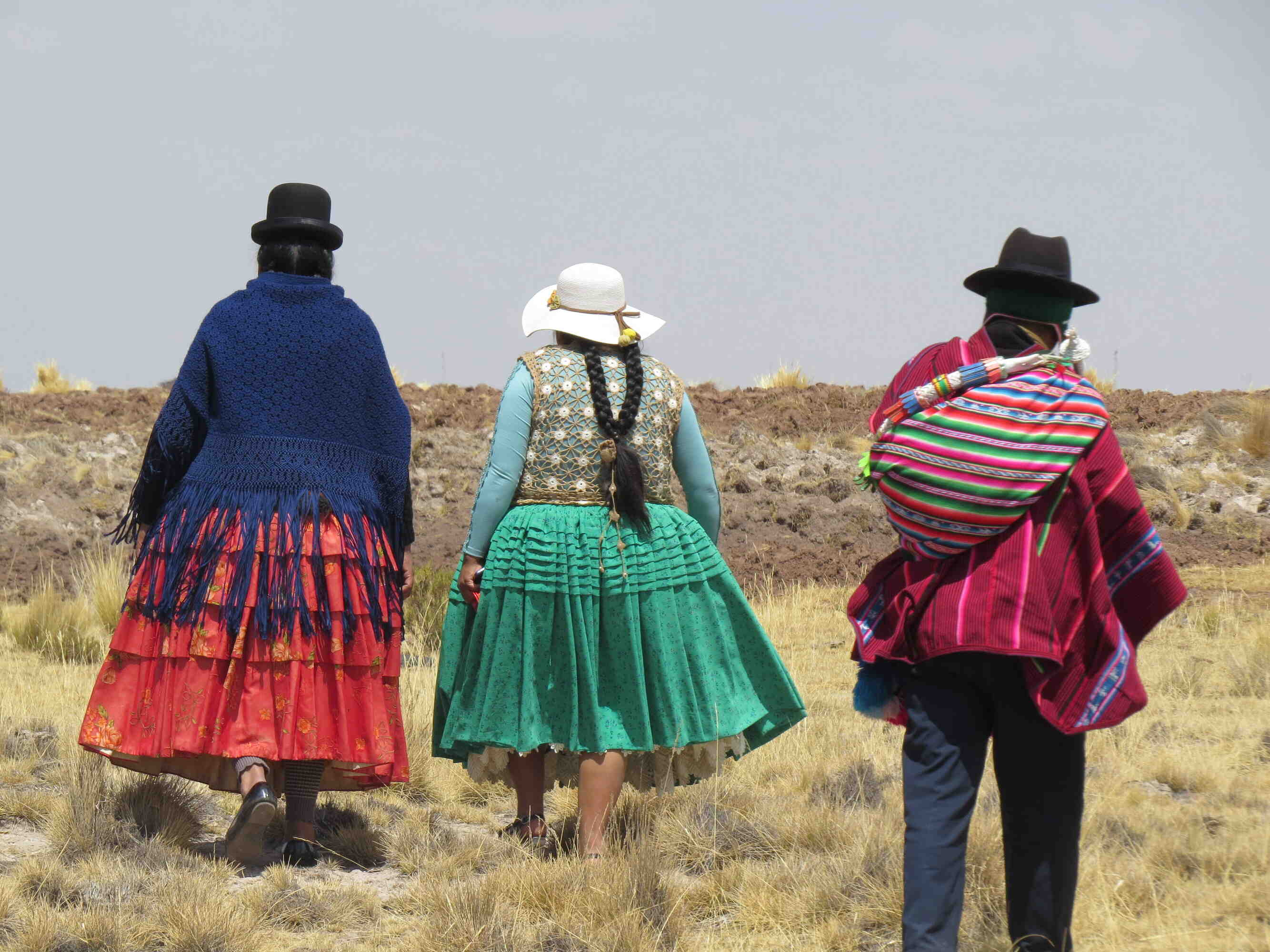
"Rescuing native potatoes is preserving our history and ensuring a resilient future for our communities."— Researcher Team Bolivia
 Agronomic PracticesAppliedTechnological
By combining ancestral knowledge with scientific knowledge, we hope to achieve better production of native potatoes, benefiting producers and promoting the revalorization of a genetic resource of great importance for the future of our countries. The project achieved the official registration and distribution of two new cold-tolerant varieties ("Miren" and "Violeta"). By the end of execution, it expects to generate a catalog detailing the agronomic, genomic, and organoleptic attributes of selected native ecotypes and to sequence whole genomes to identify resistance markers. Additionally, hydrological inventories and phytosanitary diagnostic databases will be created. Through a regional agricultural innovation network, the institutions will transfer these capabilities to environmental technicians and local producers, fostering the transition toward sustainable agroecological production systems.
Relevant data






Bolivia

Perú

Sede Central
Bolivia

The Tangible Impact of Science and Technology in the Field

 Impact
 Initiatives
 Dashboard
 Alliances
 Impact
 Initiatives
 Dashboard
 Alliances