 Impact
 Initiatives
 Dashboard
 Alliances
 Impact
 Initiatives
 Dashboard
 Alliances


Learn more about this story
Project Webstory
Go to webstory




 Agronomic PracticesAppliedTechnological
 2024
2024 Active
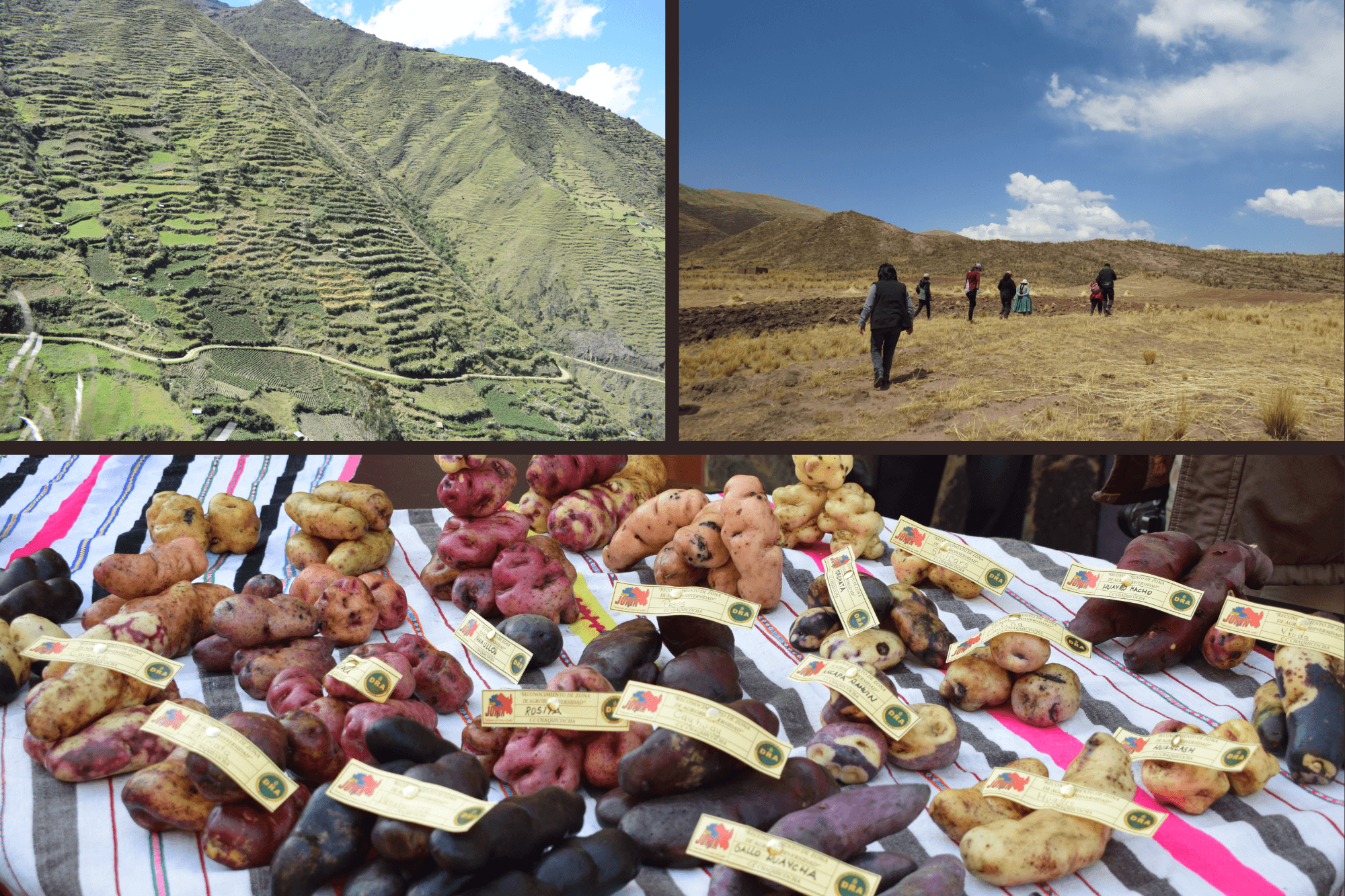
In the Bolivian Altiplano and the Peruvian Andes, the food security of indigenous and rural communities is vulnerable to extreme climate variability. Native potatoes are essential to the local diet and possess valuable phenotypic resilience; however, they face the risk of genetic erosion due to market displacement. This project proposes to increase agricultural yield and safeguard agrobiodiversity by revaluing ancestral knowledge and integrating genomic tools. Through coordinated work between the Universidad Mayor de San Andrés (UMSA) and the National Institute of Agrarian Innovation (INIA), the initiative characterizes and selects potato ecotypes tolerant to droughts and frosts. The technical components include marker-assisted genetic improvement, hydrological and edaphic evaluation, and the validation of sustainable agricultural practices in demonstration plots. By linking with the gastronomic sector and transferring technology, the project promotes new commercial opportunities and consolidates resilient production systems.
The innovation lies in the accelerated genetic improvement of native varieties through next-generation sequencing and genomic molecular markers. This scientific advancement is integrated with ancestral practices (zero tillage, terrace cultivation) and precision agriculture technologies, such as plot monitoring using unmanned aerial vehicles.
The project has successfully registered and distributed two new cold-tolerant potato varieties ("Miren" and "Violeta") to agricultural cooperatives. As projected targets, the initiative aims to sequence the genomes of additional genotypes, develop molecular markers for climate-tolerant ecotypes, and establish a comprehensive hydrological, edaphic, and phytosanitary database. Likewise, a participatory catalog of native varieties will be created, and community stakeholder networks will be consolidated to transfer these innovations. In addition, training and knowledge exchange workshops will be held with local farmers related to good crop practices, drone crop monitoring and soil and water management, in order to promote sustainable and resilient practices. As part of the process, manuals and training materials will be developed, integrating ancestral knowledge with scientific knowledge.
The direct project beneficiaries are the inhabitants of the Marca Corpa community at the northern Bolivian Altiplano, La Paz - Bolivia, with approximately 348 families. According to the 2012 National Population and Housing Census, the four communities have 1,653 people, of which 853 are women and 800 are men. In Peru, the communities of the Agrobiodiversity Zone of Parihuanca, Junín, the potential beneficiaries are 290 farmers. In both Bolivia and Peru, it is expected to indirectly benefit more than 1,000 farmers.
This project actively contributes to achieving the Sustainable Development Goals, promoting more equitable, resilient, and sustainable regional development.




Carolina Girón Aguilar
PerúTeresa Ruiz Diaz Luna Pizarro
BoliviaCarlos Molina
BoliviaThe tangible impact of science and technology in the field
Sponsors


With the support of