 Impact
 Initiatives
 Dashboard
 Alliances
 Impact
 Initiatives
 Dashboard
 Alliances


.jpeg&w=640&q=100)
.jpg&w=640&q=100)
.png&w=640&q=100)
.png&w=640&q=100)
.png&w=640&q=100)
Learn more about this story
Project Webstory
Go to webstory




 Information SystemAdaptativeTechnological
 2019
2019 Closed
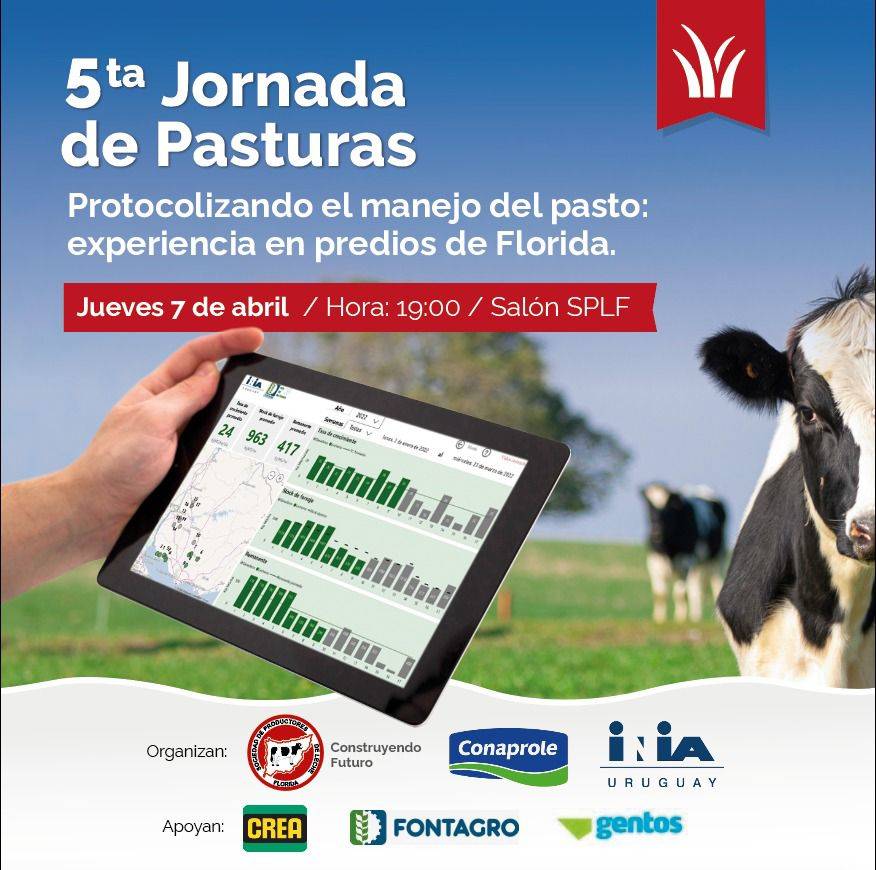
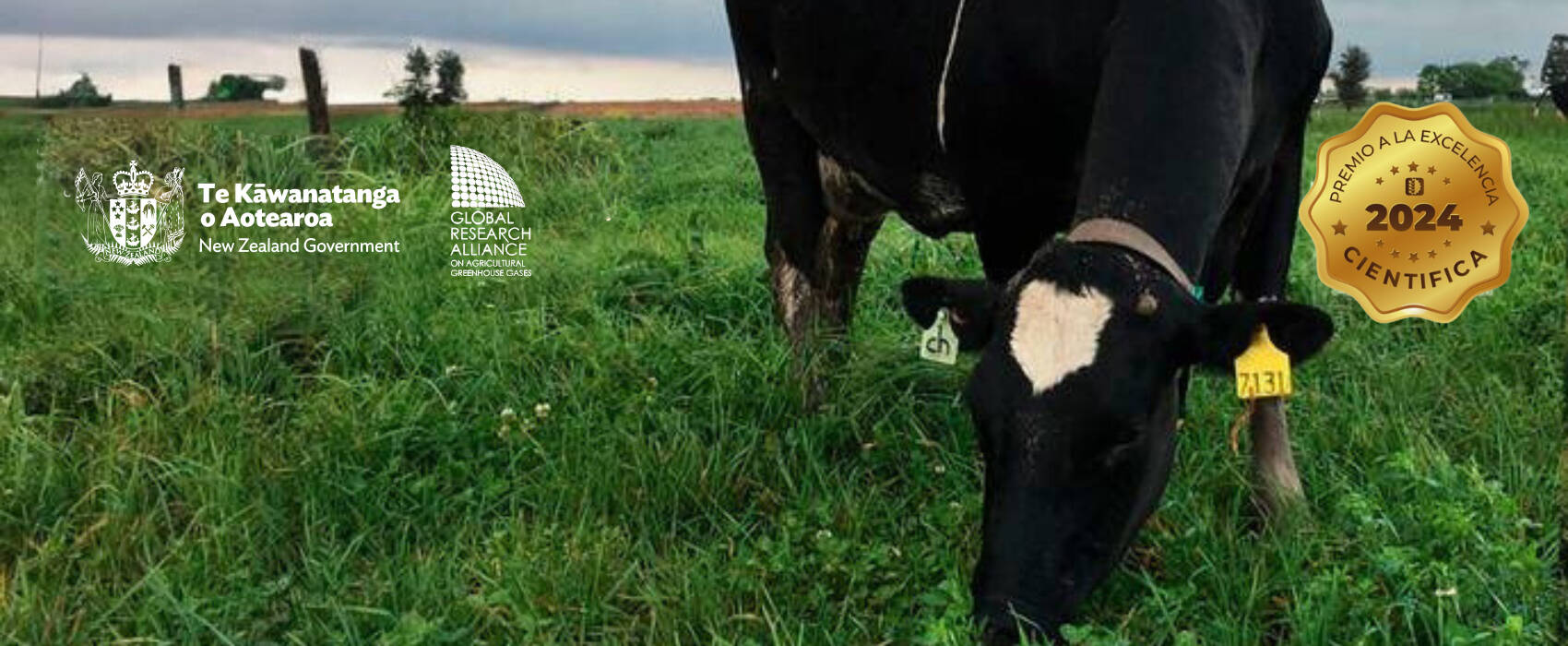
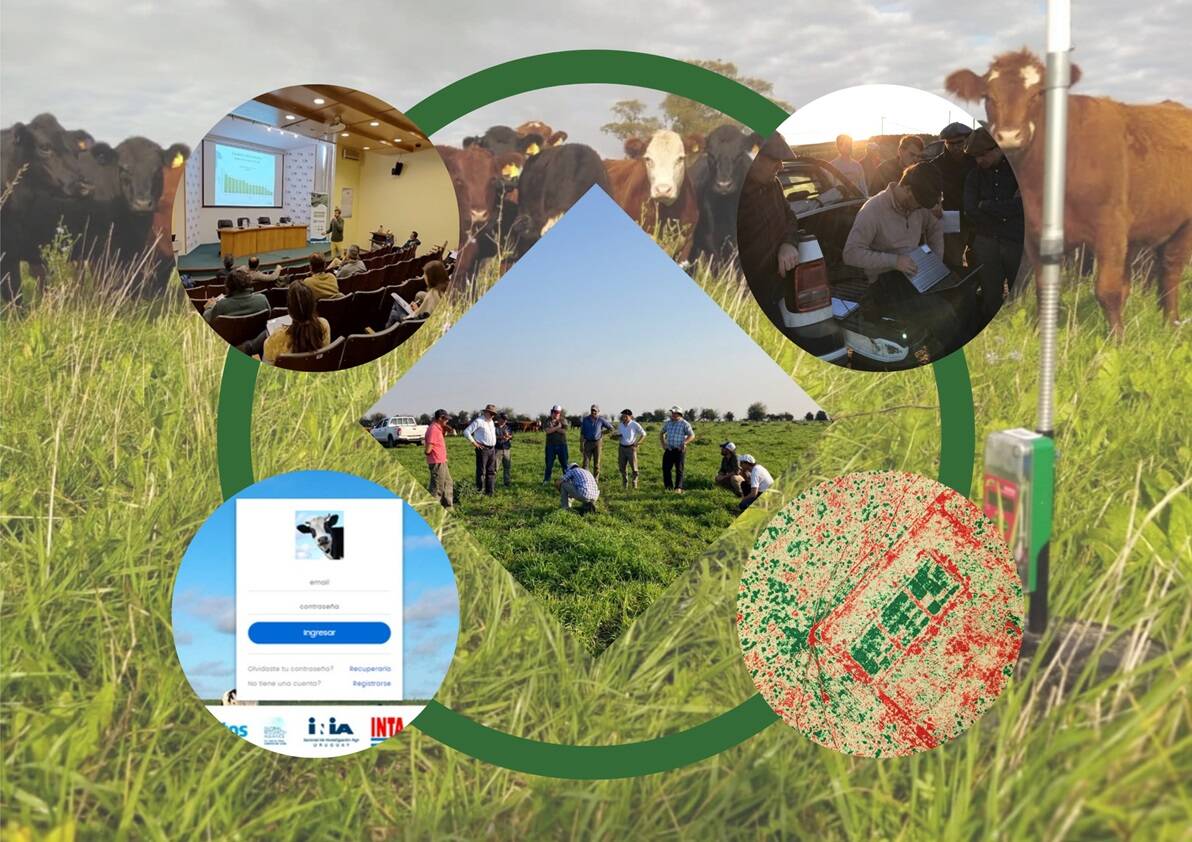
Forage harvest levels in Latin American and Caribbean production systems are very low in relation to their potential. In tropical zones, such as Costa Rica, dry matter (DM) production of the main forage species ranges between 10 and 25 t DM/ha/year, but on average animals consume less than 45% of the available pasture. In temperate zones, as in Uruguay, forage production averages 4.5 t DM/ha/year, when the potential is at least 10 t DM/ha/year. In Argentina, it is estimated that between 2 and 4 t DM/ha/year are harvested, while the potential can reach up to 15 t DM/ha/year. Improving pasture production and consumption levels on the farm requires easily adopted grazing management technologies to optimize the use of pasture in quantity and quality throughout the year. The objective of this project was to improve the self-sufficiency and sustainability of livestock production by increasing by at least 30% the harvest of pasture produced on family farms in Uruguay, Argentina and Costa Rica through better decision making in pasture management. The development of the technology involved the implementation of a cloud-based service accessible via web or app that collected information from each farm (users), processed it, developed management indicators and visualized grazing and stocking decisions. The proposed solution aimed to: i) simplify and optimize decision making in real time regarding the sequence of paddocks to be grazed, the necessary subdivisions, the required grazing time, the area to be mechanically harvested for stocking and the optimal date to do so; and ii) automate biomass measurement through the use of remote measurement devices (drones or satellites) that are easy to adopt. The project is funded by the New Zealand Government as part of its contribution to the Global Research Alliance on Agricultural Greenhouse Gases (GRA).
The AgTech solution has very positive impacts on production systems, including improving the profitability of production systems, sustainability and the level of self-sufficiency. Implementing this technology in family livestock and dairy farms in Latin America and the Caribbean is of great interest since the food base of these systems is pastoral. Pasture production is very sensitive to climatic changes; nowadays we are facing very changing climatic scenarios, so increasing pasture production will give family farmers in the region an increase in productivity and quality of life. This in turn translates into increased natural habitats for animals, reduced input use, increased nutrient recycling and increased carbon sequestration of pastures. The developed tool, available in the cloud, provides real-time information on the sequence of paddocks to be grazed and the area available for the creation of reserves and was designed with a “User Centered Design” approach. This approach allowed a participatory development that contemplated the needs of end users, achieving an optimal balance between usability, complexity of the tool and capacity to generate impact on productive systems, facilitating its commercial adoption.
This project actively contributes to achieving the Sustainable Development Goals, promoting more equitable, resilient, and sustainable regional development.










Nicolás Baráibar
UruguayWilliam Sánchez Ledezma
Costa RicaGermán Berone
ArgentinaNatalia Elduayen
UruguaySol Jorcin Cabrera
UruguayJuan Andrés Zerbino
UruguayRodrigo Rovira
UruguayFederico Leber
ArgentinaValentina Luberriaga
ArgentinaAndrés Fiorito
ArgentinaLucas Solé
ArgentinaIsaías Antonio Gómez Hidalgo
Costa RicaJosé Luis Rivera Ramírez
Costa RicaErick Fallas Álvarez
Costa RicaElisio Rodriguez Vásquez
Costa RicaEdgar Campos Cruz
Costa RicaSilvia Rivas
Costa RicaJosé Pablo Jiménez Castro
Costa RicaValerie Salazar Castillo
Costa RicaJuan Pablo Muñoz Fonseca
Costa RicaJesús Ernesto Quesada Calvo
Costa RicaÁngel Fabián Castro Vargas
Costa RicaGuillermo Ortega Gutiérrez
Costa RicaMariana Rosas Alenicov
UruguayThe tangible impact of science and technology in the field
Sponsors


With the support of