



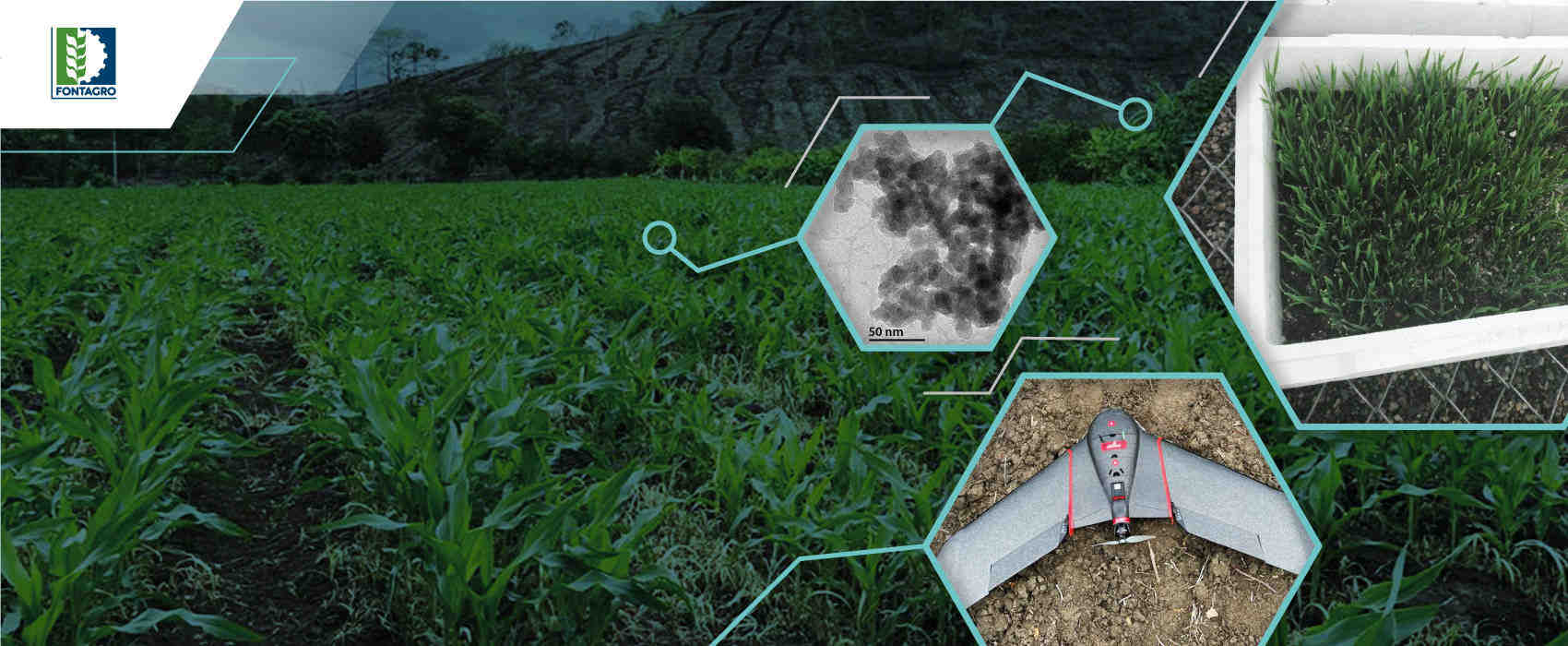
Nanofertilizers improve fertilization efficiency and help mitigate the effects of climate change

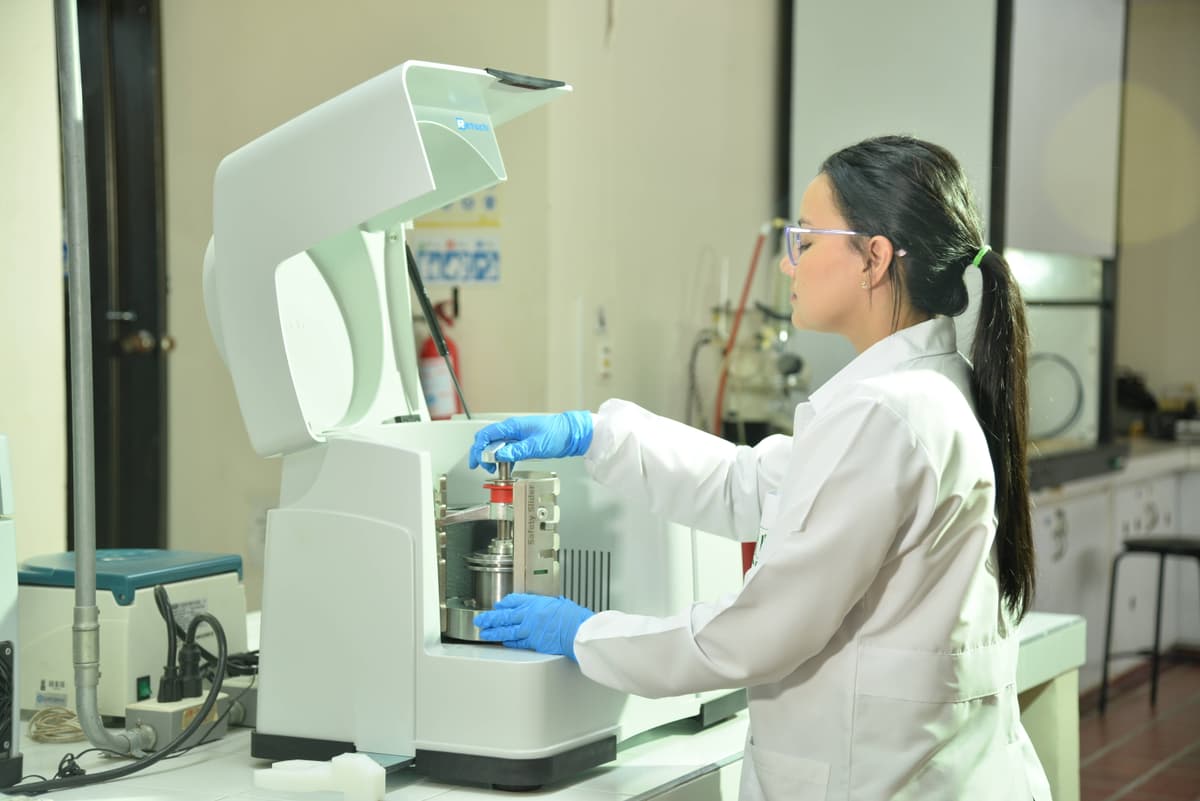
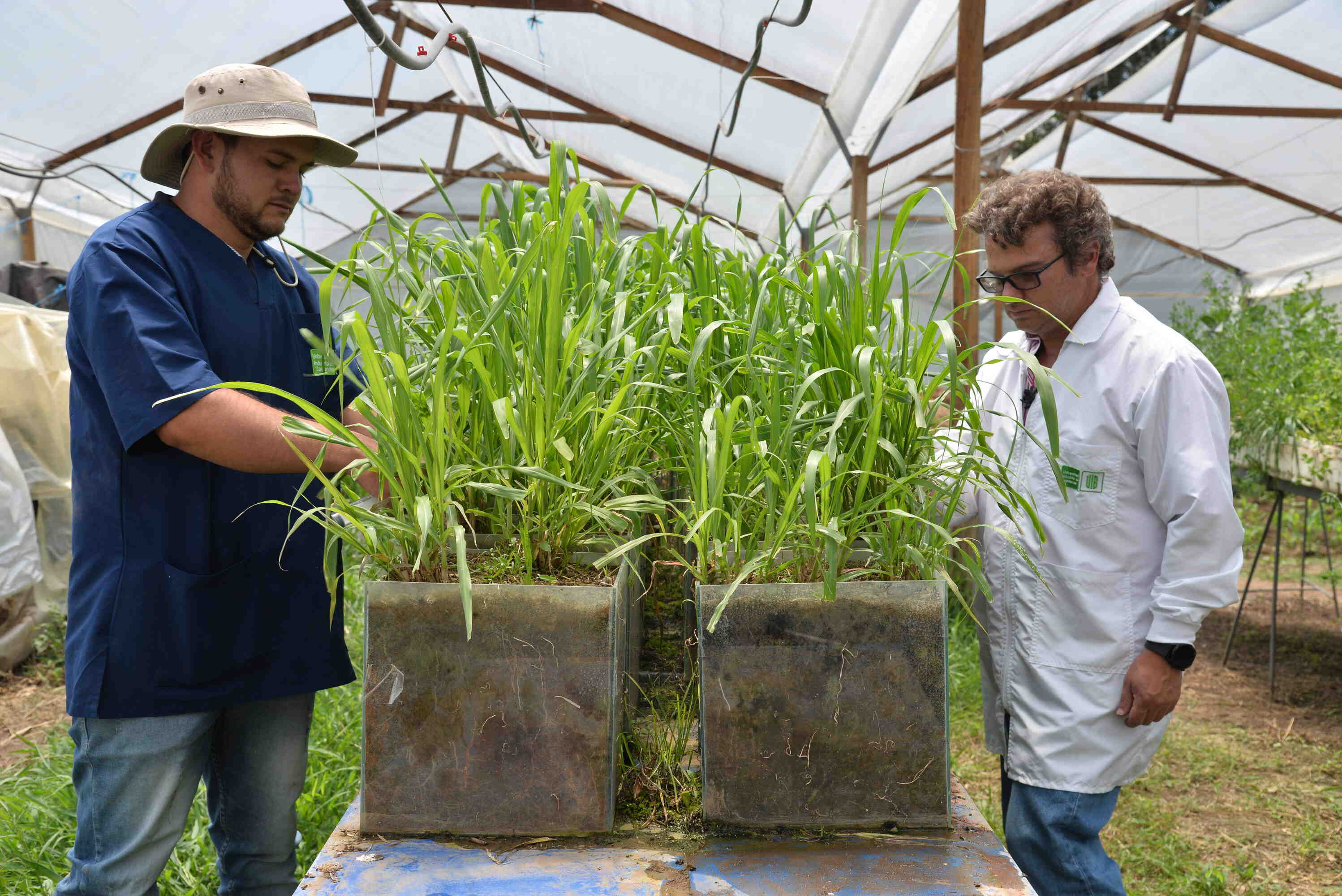
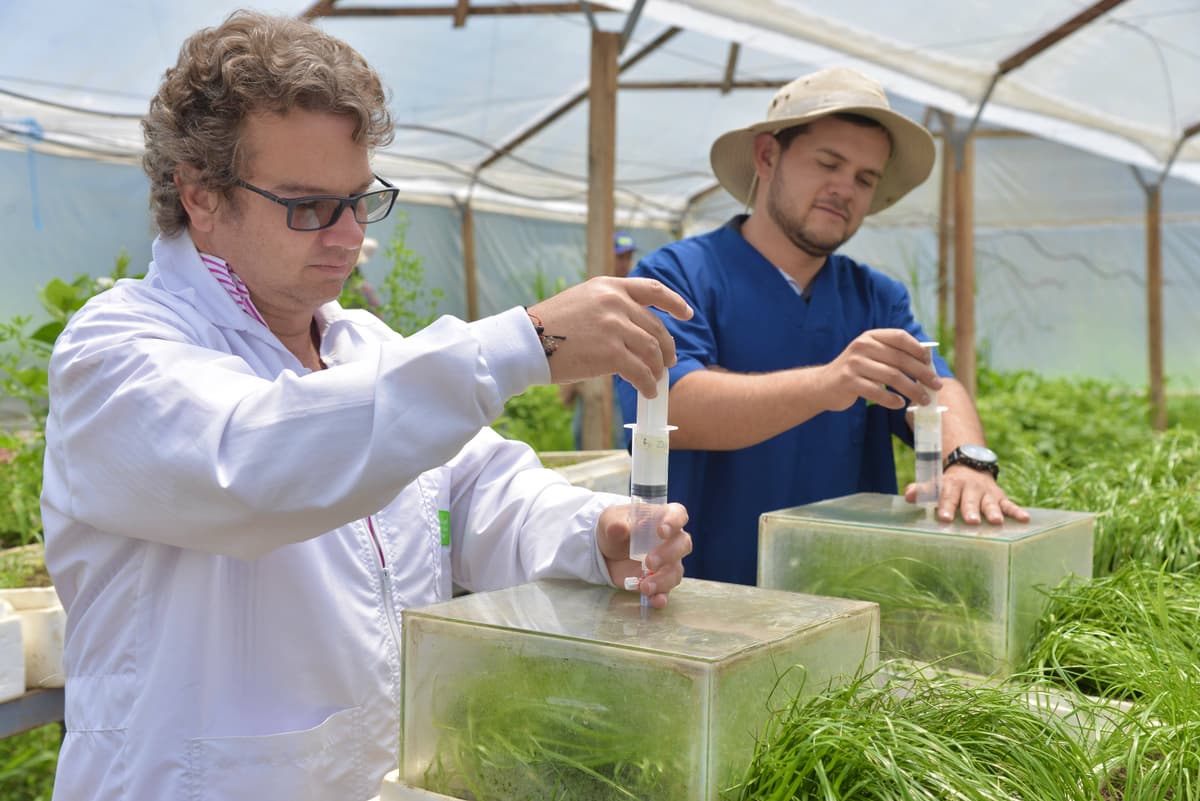
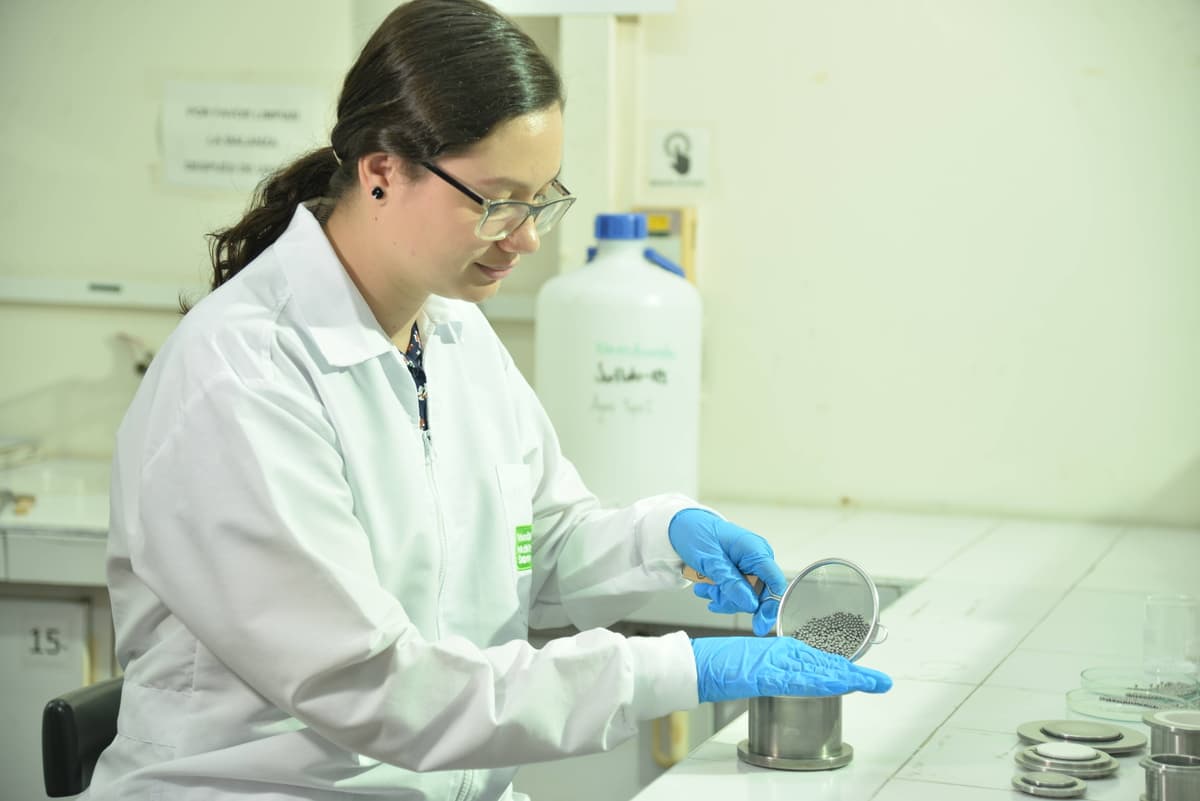
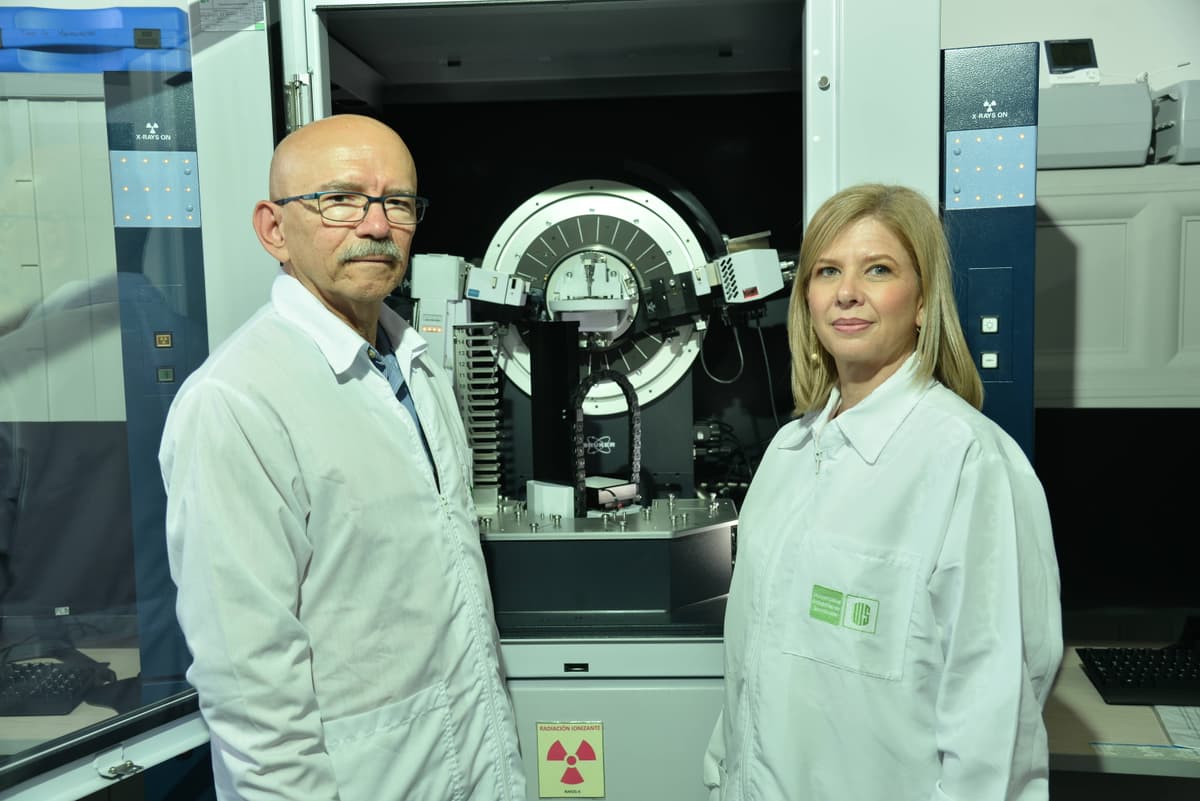
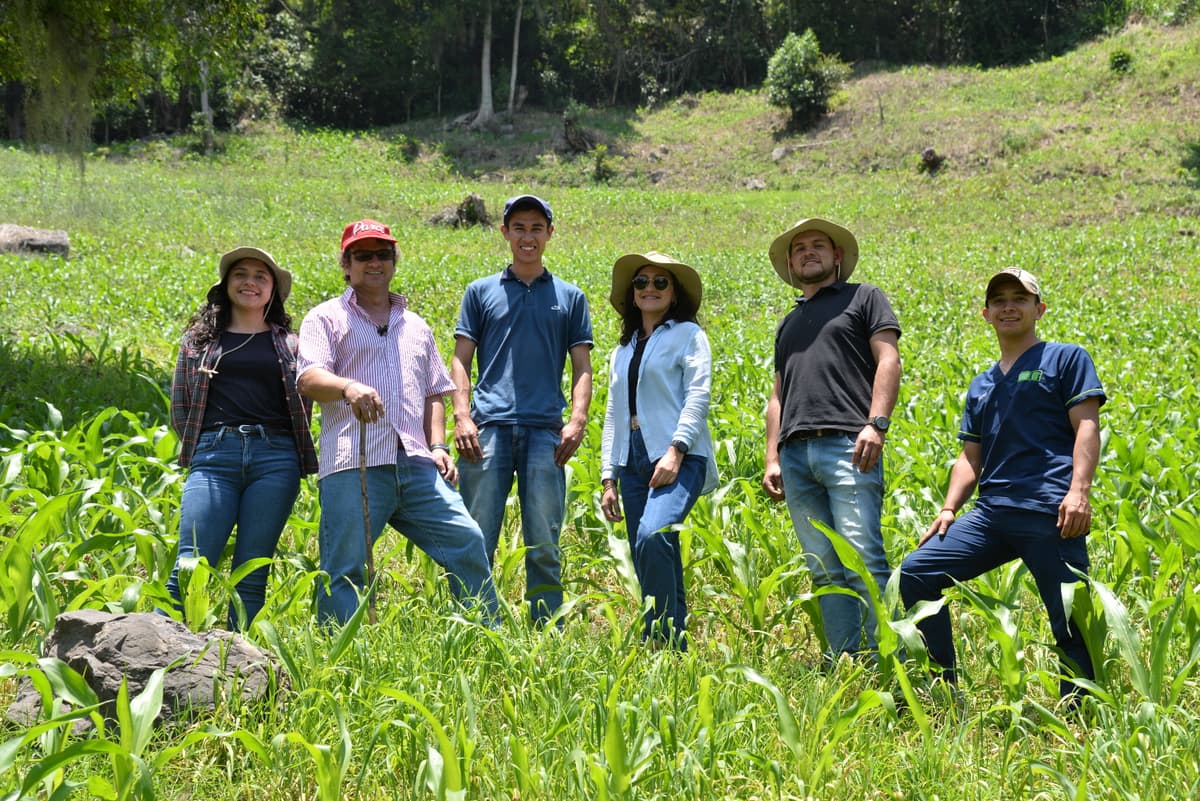
The project produced titanium dioxide (TiO₂), zinc oxide (ZnO) and zeolite nanoparticles by high-energy milling, a method that uses no reagents and leaves no chemical waste, with particle size controlled by varying the mill's fill factor, milling time and speed. The nanoparticles were combined with balanced fertilizers, formulated to match soil supply and crop requirements, so that plants make better use of the nitrogen applied. Their safety was assessed through phytotoxicity bioassays, and their effects on soil, biomass, forage quality, drone-measured spectral response and nitrous oxide and carbon dioxide emissions were tested on ryegrass in the greenhouse and on maize and kikuyu grass in the field, in Colombia and Ecuador. The project also designed a spin-off company to produce and market the nanofertilizers.
"Nitrogen use efficiency globally ranges between 30 to 50% depending on the forage species, generating economic losses in nitrogen fertilization."— Dobermann, A. (2007). Nutrient use efficiency-measurement and management. Proc. Of International Fertilizer Industry Association (IFA) Workshop on Fertilizer Best Management Practices. Brussels, Belgium. March 7-9.
 Agronomic PracticesAppliedTechnological
The nanoparticles reached average sizes below 150 nm without altering their crystal structure, and bioassays set concentrations below 3% as safe. In ryegrass, adding zinc oxide or zeolite to the fertilizer raised nitrogen recovery efficiency (the share of applied nitrogen taken up by the crop) from 63% to 95.5% and 89%, respectively; 8 g of fertilizer plus nanoparticles produced more dry biomass than 12 g without them, and nitrous oxide emissions fell by up to 62%. Zeolite improved the soil's capacity to retain nutrients and moisture. In maize, with titanium dioxide each kilogram of nitrogen applied yielded 34.8 kg of additional grain, compared with 25.3 kg under conventional fertilization. The financial assessment confirmed the viability of the AgroNano spin-off, and the project trained 23 students and published two scientific articles.
Relevant data










Colombia

Ecuador

Colombia

Colombia

The Tangible Impact of Science and Technology in the Field

 Impact
 Initiatives
 Dashboard
 Alliances
 Impact
 Initiatives
 Dashboard
 Alliances


.jpeg&w=828&q=75)



1.png&w=750&q=75)