
 Impact
 Initiatives
 Dashboard
 Alliances
 Impact
 Initiatives
 Dashboard
 Alliances


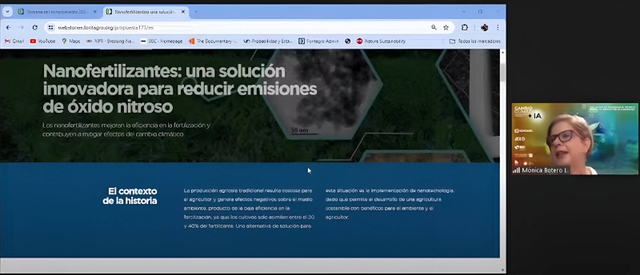
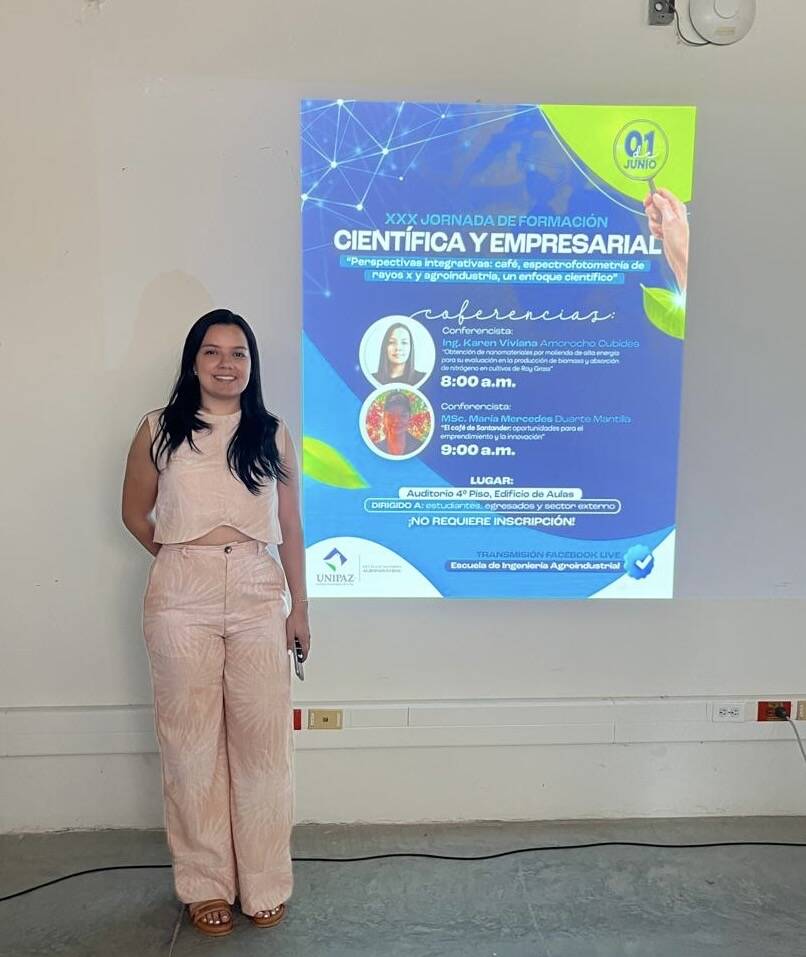
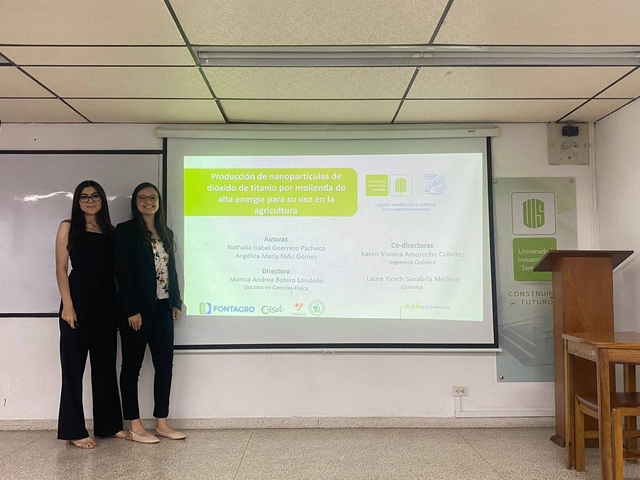
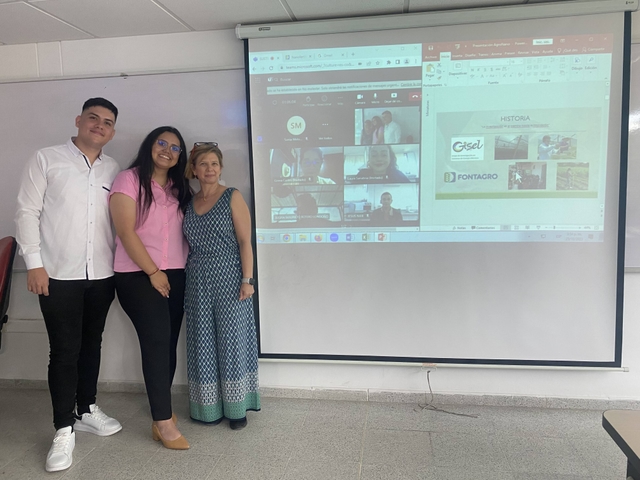





Learn more about this story
Project Webstory
Go to webstory




 Agronomic PracticesAppliedTechnological
 2020
2020 Closed
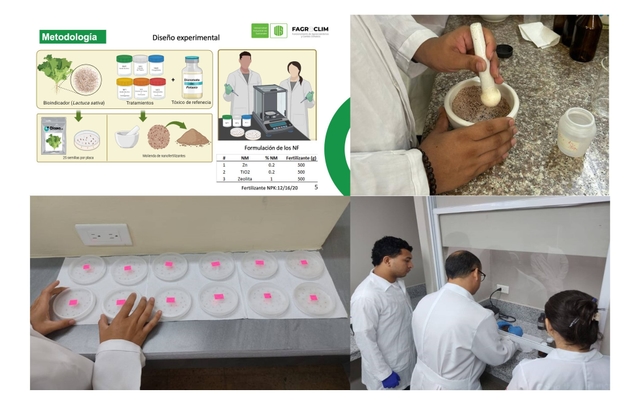
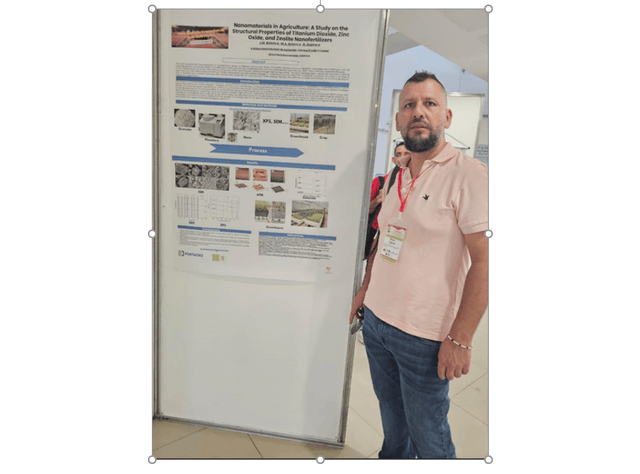
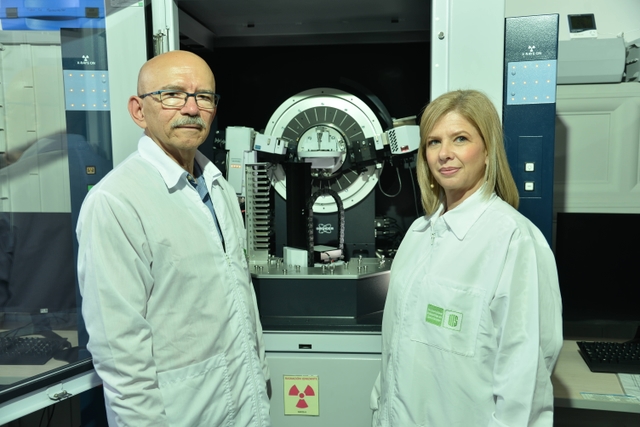
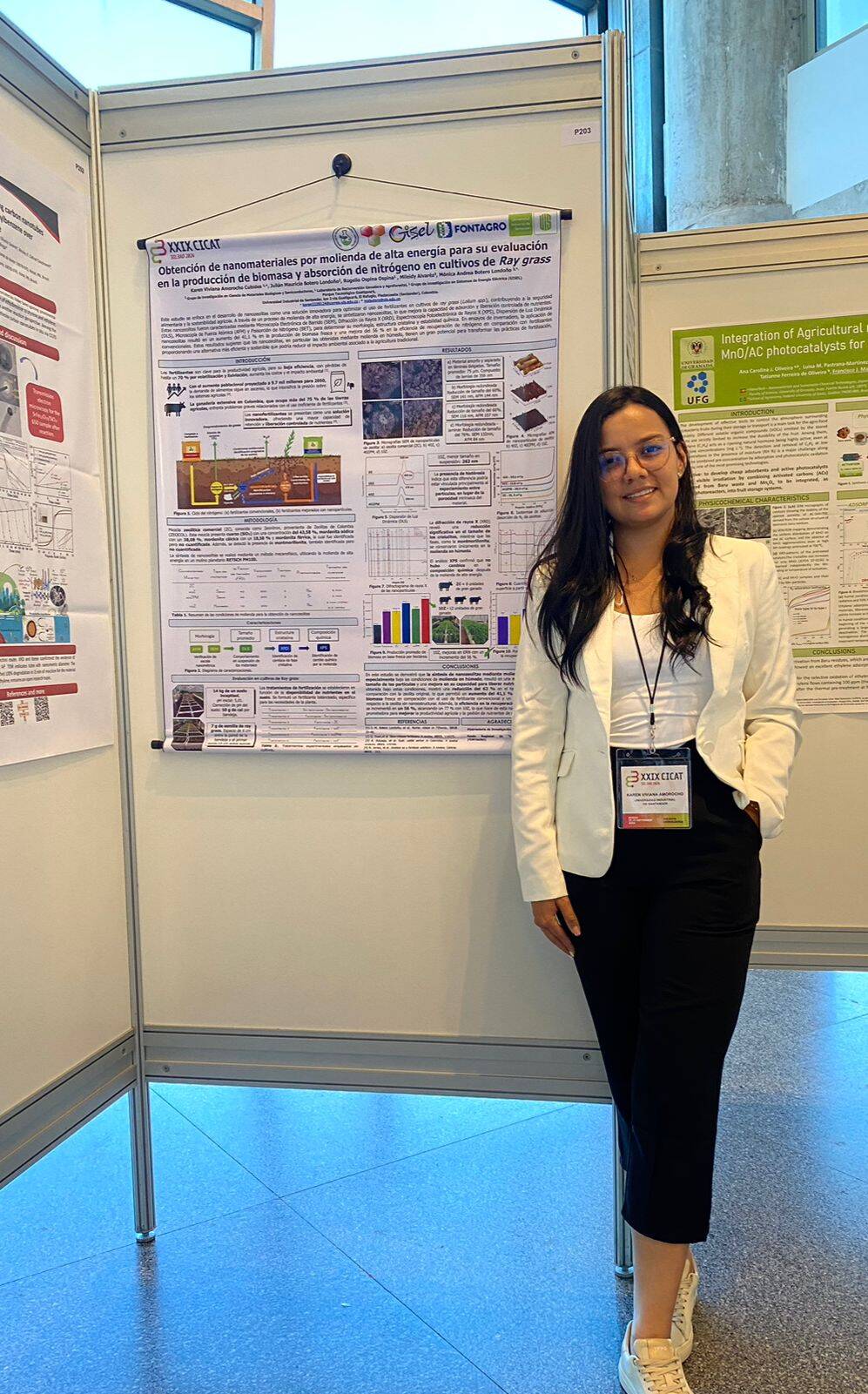
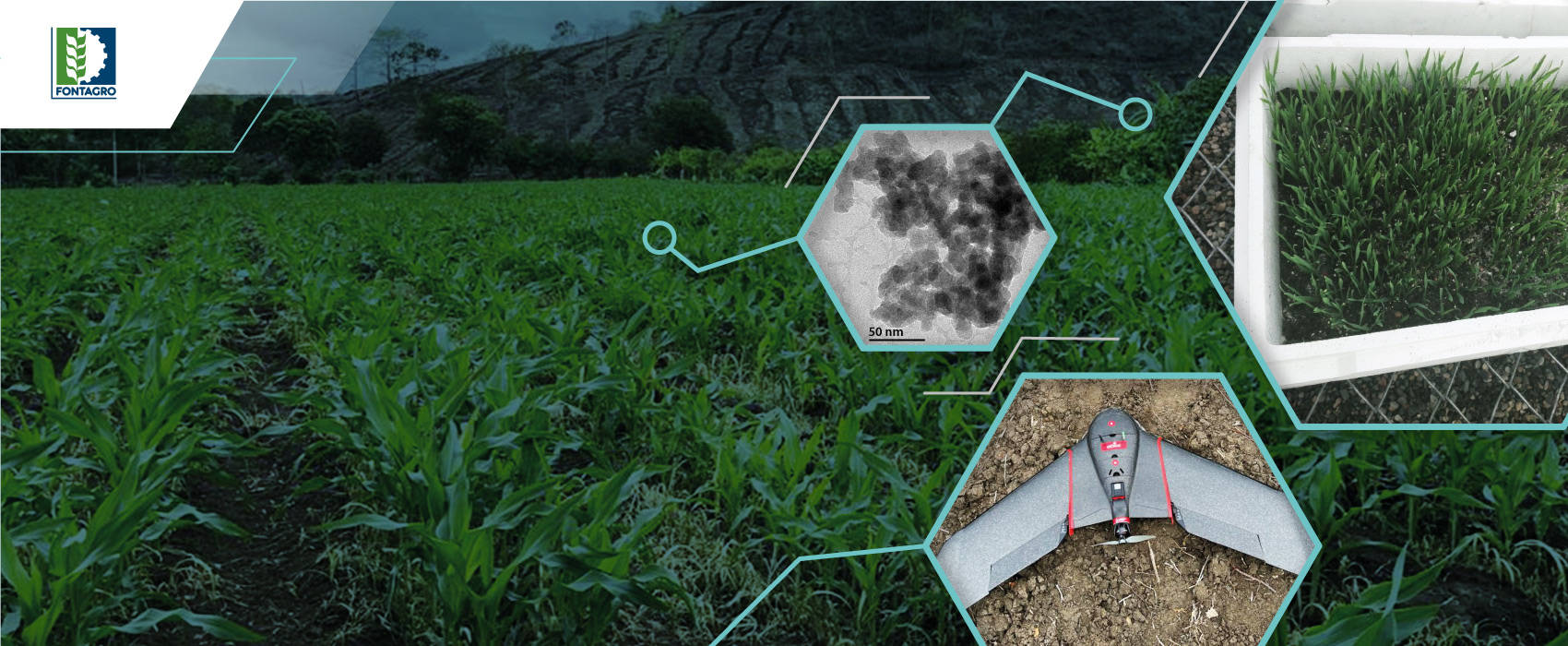
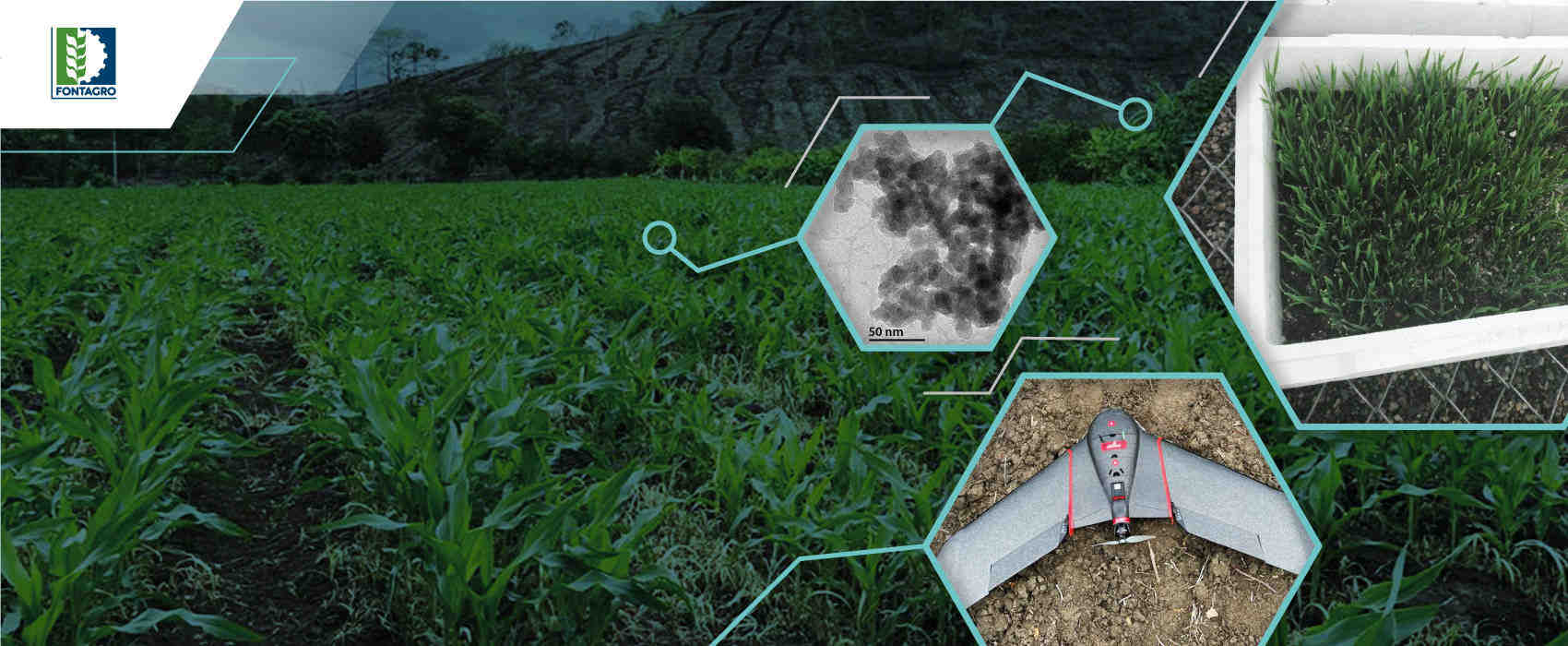
Inefficienct nutrient use in fertilization processes has led to soil degradation, nutrient leaching, water pollution, high greenhouse gas emissions, and poor production models. Nano-fertilizers are considered an alternative with great potential. In this project, formulations of nano-fertilizers based on titanium dioxide, zinc oxide, and zeolite will be synthesized and characterized. The effect of the application of nano-fertilizers on fertilization efficiency, nutrient use, physical, chemical, and biological characteristics of the soil, biomass production, spectral response of crops, and evaluation of nitrous oxide and carbon emissions dioxide will be quantified. A spin-off business model will be created to promote access to nano-fertilizers for producers and technological support in fertilization models. Finally, a technological model will be consolidated for the application and distribution of nano-fertilizers with the corresponding technical support and training.
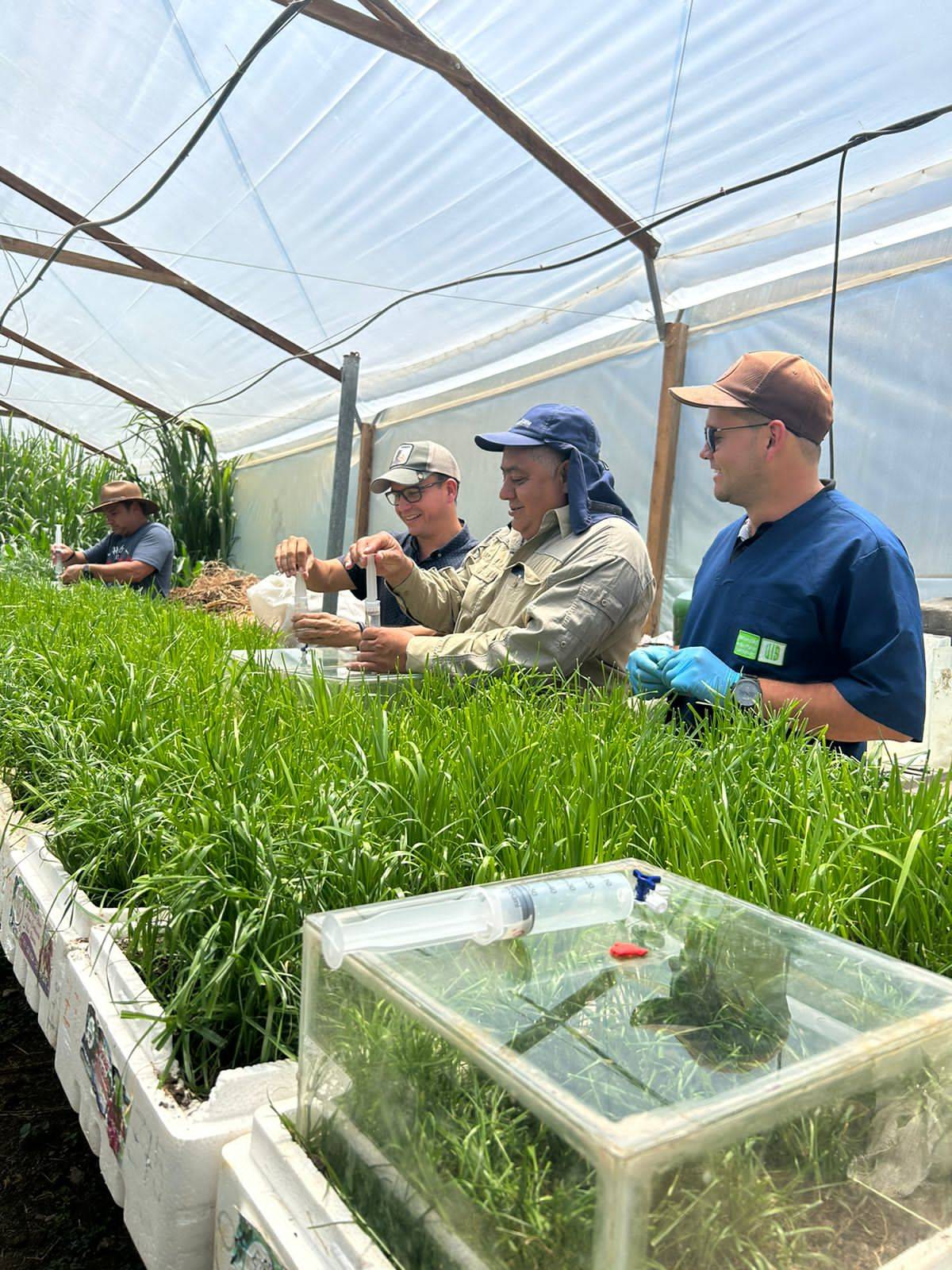
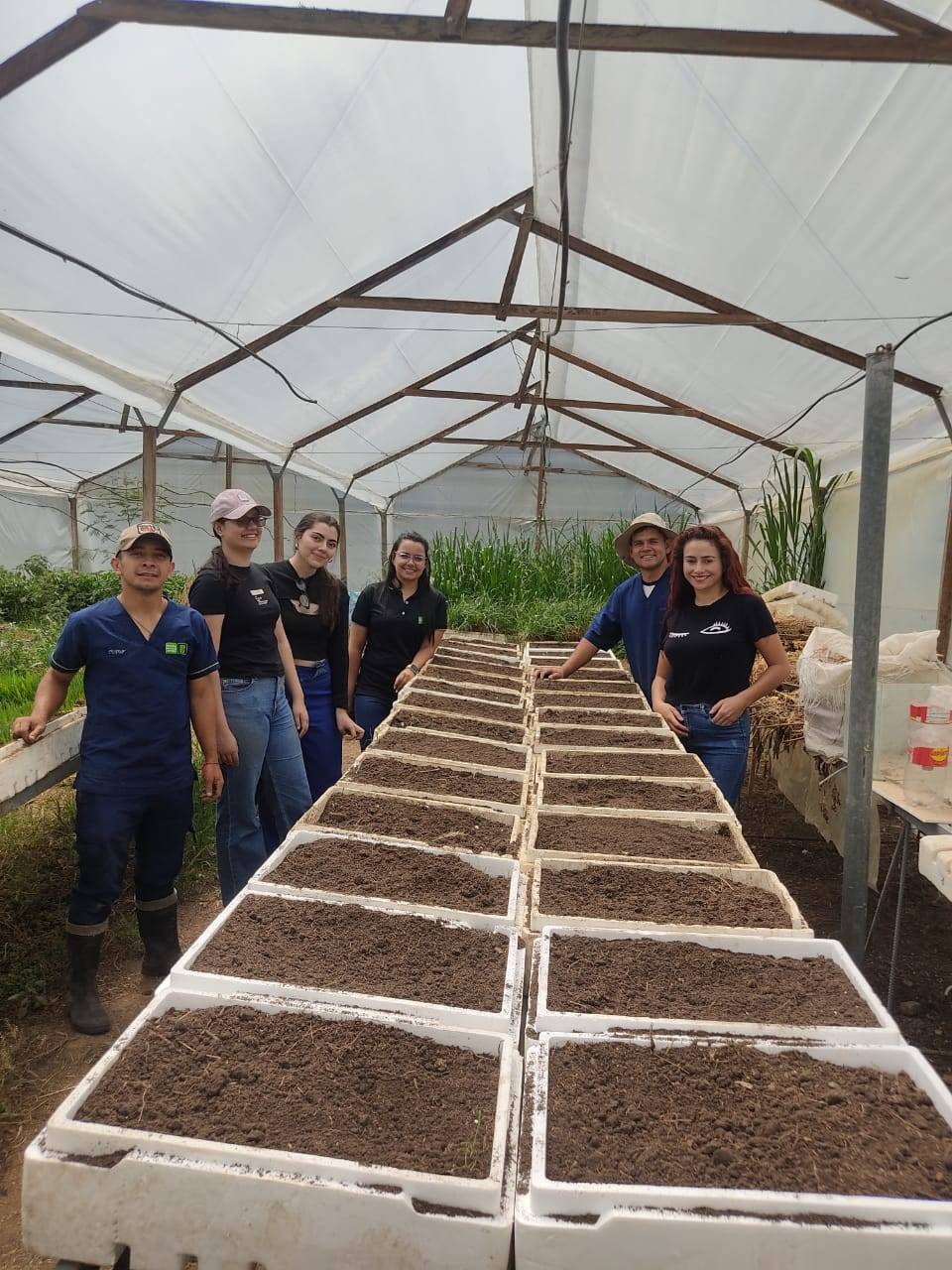
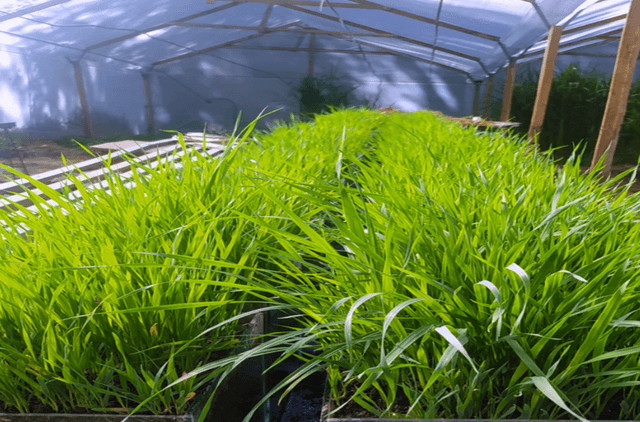
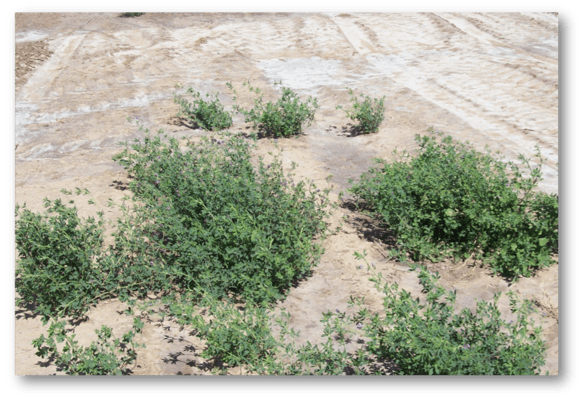
Synthesize and characterize titanium dioxide, zinc oxide, and zeolite nano-fertilizers to evaluate their effect on fertilization, nutrient use, and nitrous oxide emissions. Parallel experiments (in Colombia and Ecuador) will be carried out under greenhouse and field conditions. The greenhouse tests will be carried out using Lolium perenne cultures established in 0.25 m2 experimental trays with 50 kg of Inceptisol soil. Field trials will be carried out using corn crops in 48 experimental plots.
Acute phytotoxicity tests will be conducted with terrestrial indicator organisms (Lactuca sativa) to verify the environmental risk.
At the end of the project, documents will be generated that demonstrate:
Currently, it has been obtained:
The project will train 1,500 farmers to use nano-fertilizers. 500 of these producers will be direct beneficiaries applying nano-fertilizers on their farms. Producers belong to the Agricultural Society of Santander (Colombia) and the Association of Moradores of San Lorenzo de Mapsingue (Ecuador). Along the course of the project, 12 undergraduate and 4 postgraduate theses will be carried out, benefiting 16 students in total.
Currently, they have benefited:
This project actively contributes to achieving the Sustainable Development Goals, promoting more equitable, resilient, and sustainable regional development.





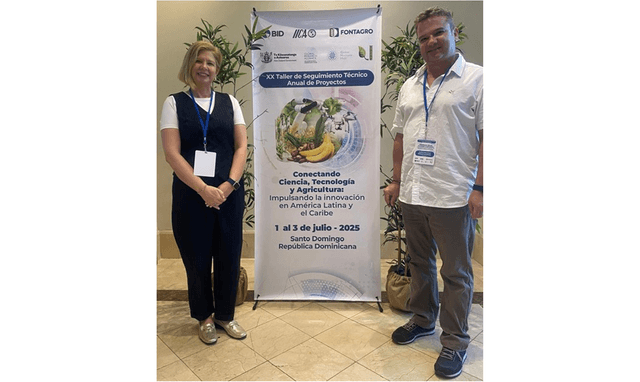
July 1, 2025
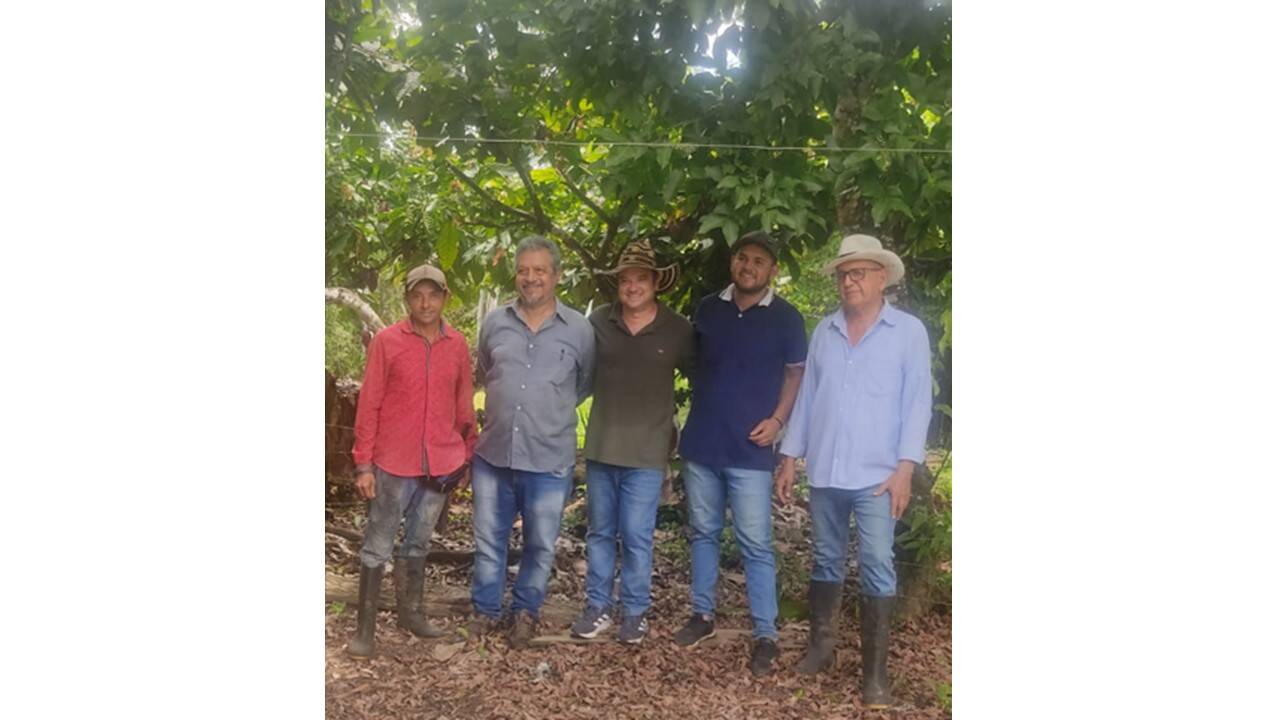
April 25, 2025
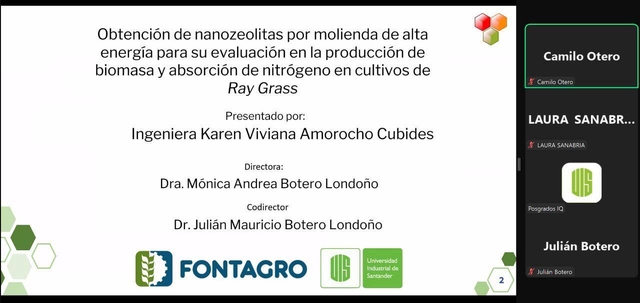
April 7, 2025
Mónica Andrea Botero Londoño
ColombiaJulián Mauricio Botero Londoño
ColombiaJorge Quintero Orozco
ColombiaEzequiel Zamora-Ledezma
EcuadorHenry Antonio Pacheco Gil
EcuadorRogelio Ospina Ospina
ColombiaThe tangible impact of science and technology in the field
Sponsors


With the support of



1.png&w=384&q=75)