 Impact
 Initiatives
 Dashboard
 Alliances
 Impact
 Initiatives
 Dashboard
 Alliances


.png&w=640&q=100)
Learn more about this story
Project Webstory
Go to webstory




 Postharvest ManagementAppliedTechnological
 2023
2023 Active
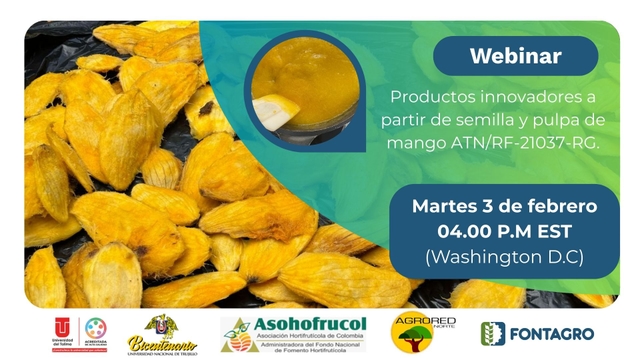
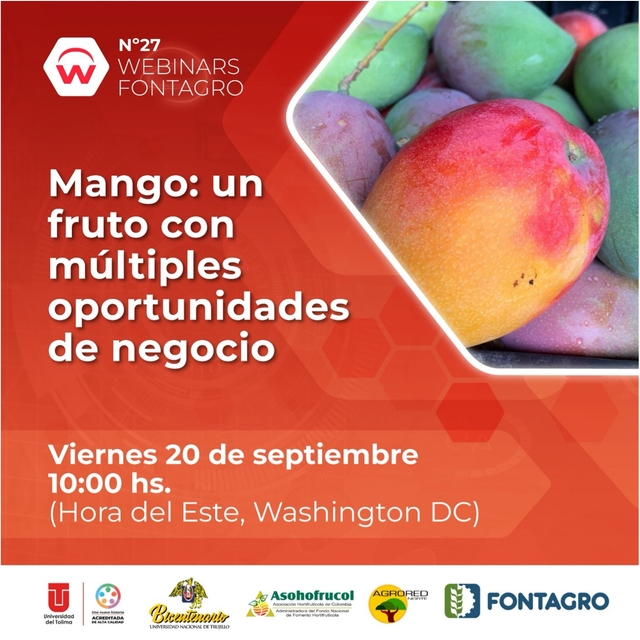
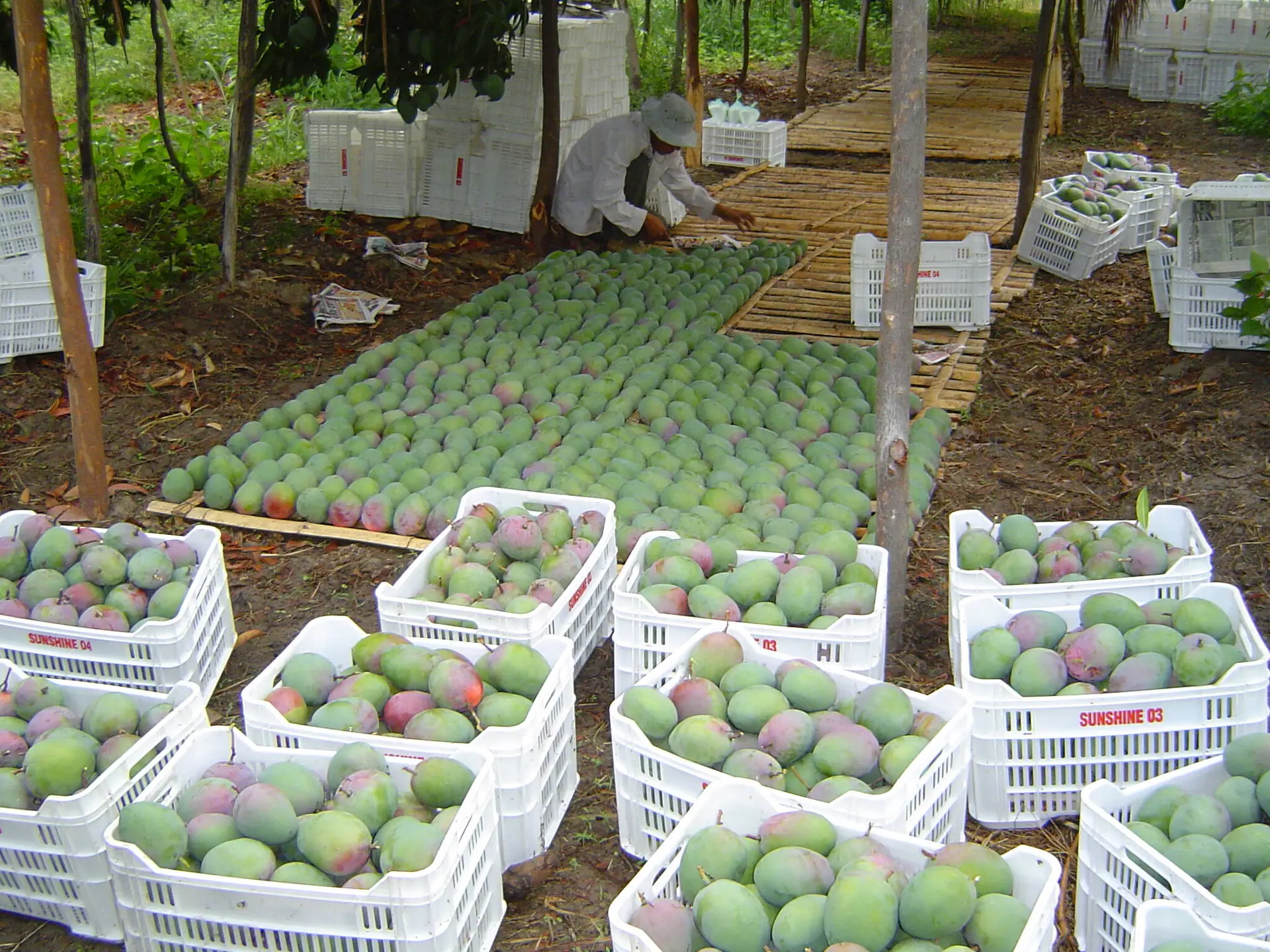
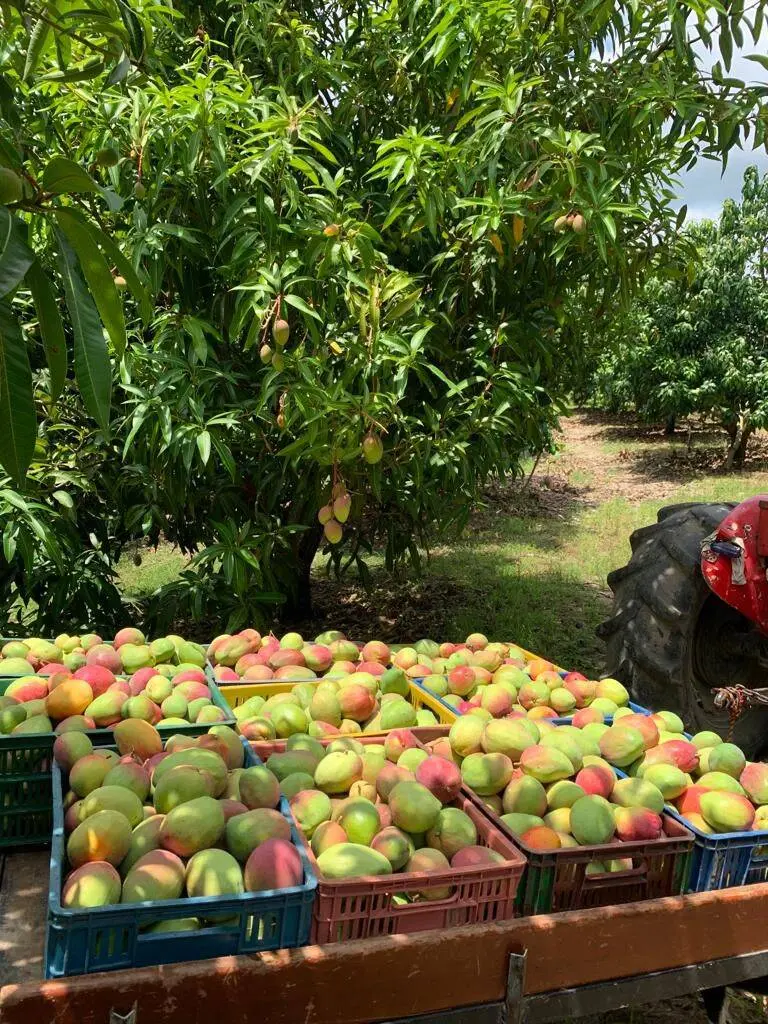
This project contemplates the concept of biorefinery, taking full advantage of the mango fruit, giving commercial use to fruits with defects that remain in the field, peel, and seed generated during pulping. From a scientific-technical point of view, multiple potentialities have been identified from the waste generated. The peels represent 7% to 24% o f the total weight of the fruit, while the seed represent between 20% to 60% of the total. The peel has a wide variety of phytochemical compounds and antioxidant, anti-inflammatory, antidiabetic, antibacterial and antiproliferative properties. The seed is rich in nutrients and bioactive compounds. The seed is rich in fat, which is already approved as a substitute for cocoa butter. It is also a source of protein and starch. This enables its use in various higher value-added industries.
This project aims to develop strategies for the integral use of mango fruit to strengthen the competitiveness of producers in Colombia and Peru. It focuses on developing new products from mango peel, seeds, and pulp for differentiated markets. The project expects to generate easy-to-implement protocols for producers, enabling them to diversify their income by using new processes that utilize mango and its byproducts as inputs. Additionally, technical and economic feasibility studies will be conducted for the developed products.
Physicochemical and functional characterization of mango peel from different varieties grown in Peru and Colombia, with the aim of enhancing its use in higher value-added industries. This will generate scientific and technical information that contributes to the sustainable use of fruit byproducts and the reduction of agro-industrial waste.
The project involves the design and development of innovative products made from mango pulp and seeds, with the aim of expanding producers' target market and promoting new marketing opportunities. Easy-to-use protocols will be developed for producers, enabling them to diversify their consumption and utilize second or third-generation mangoes. The project also seeks to leverage the high protein and fat content of the seed as inputs for the food industry, particularly in chocolate industry, where mango fat is already a substitute for cocoa butter.
Similarly, a technical, economic, and environmental feasibility study will be conducted for the comprehensive use of the mango fruit. This study will evaluate the viability of implementing two sustainable agro-industrial processes and circular economy models applicable to the production conditions of the participating regions.
Finally, knowledge transfer and social appropriation activities aimed at producers, entrepreneurs, organizations, and the academic community will be promoted in order to strengthen technical capacities, encourage innovation processes, and facilitate the adoption of technologies and sustainable strategies associated with the integral use of mango.
The direct beneficiaries will be 1,000 producers in each of the countries participating in the project. Indirect ones are estimated to reach an additional 2,000. Likewise, the project will reach at least 50 researchers and technicians from public institutions and at least 500 local traders and other actors in the sector.
This project actively contributes to achieving the Sustainable Development Goals, promoting more equitable, resilient, and sustainable regional development.

Angélica Piedad Sandoval Aldana
ColombiaMayar Luis Ganoza Yupanqui
PerúIvonne Ximena Cerón Salazar
ColombiaJaqueline Chica Lobo
ColombiaJonh Jairo Mendez
ColombiaLuis Daniel Daza Ramirez
ColombiaAlejandro Orjuela Garzon
The tangible impact of science and technology in the field
Sponsors


With the support of