Global population is expected to continue increasing, implying an increase in food demand. In order to supply this demand, increases in productivity will be required. Latin America and the Caribbean (LAC) have ample natural resources for dairy production, enough even to double current production levels. However, would it be feasible to increase productivity, and at the same time to improve family’s income and wellbeing while minimizing environmental impacts?
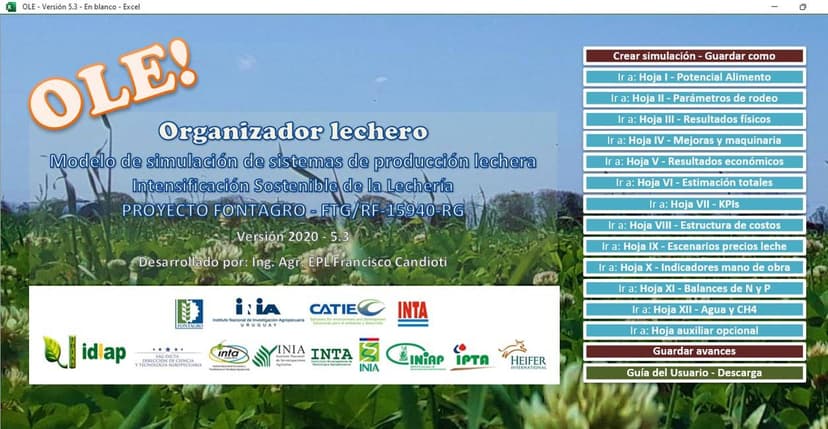
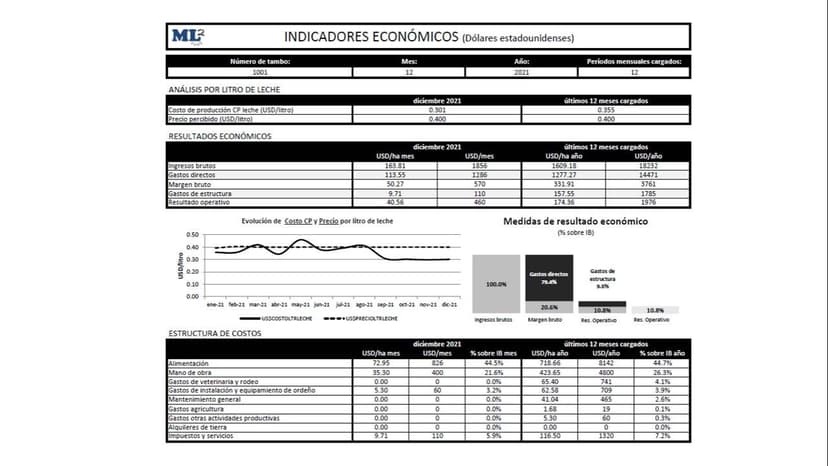
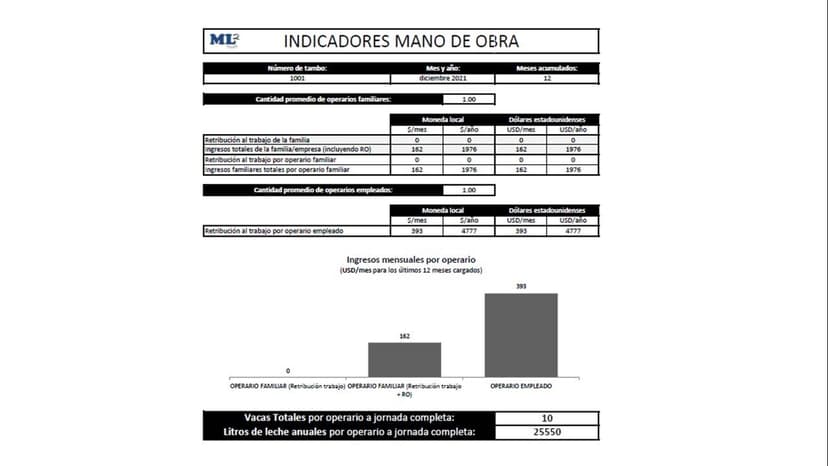
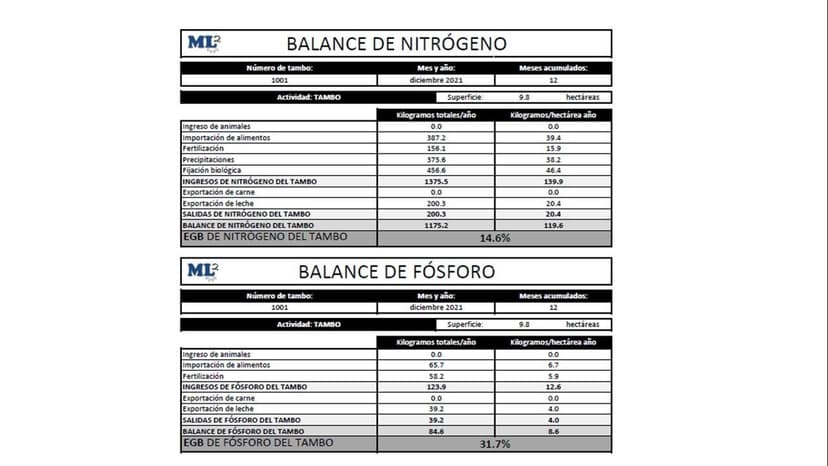
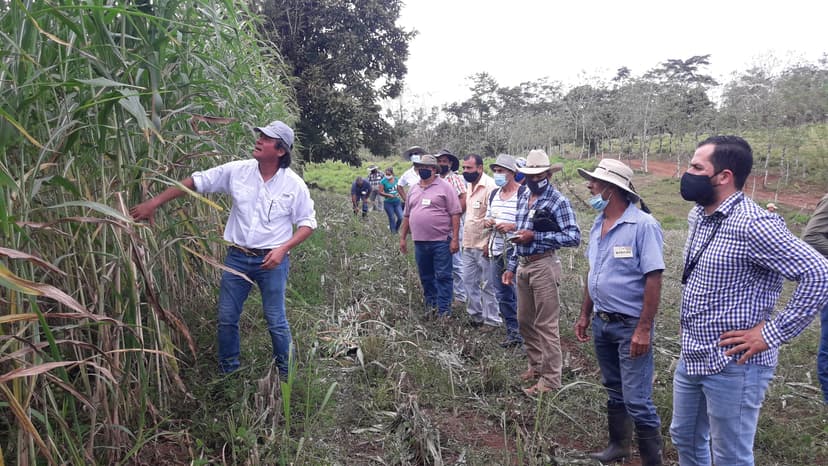
To evaluate sustainable intensification strategies, the ‘Dairy systems simulation model’ (OLE! v5.3) and the ‘Dairy Monitor’ (ML2) were developed and adapted to the dairy production systems of the region (LAC). The simulation model allows for modelling of baseline production systems in each country and under improved scenarios using few inputs that are easy to obtain on-farm, evaluating the biophysical, economic, social, and environmental impact. 'Dairy Monitor 2' allowed the monitoring of the physical, economic, social, and environmental indicators on commercial farms where planned changes were implemented. The proposed scenarios were validated on monitored commercial farms, with the interaction of technicians and farmers, resulting in knowledge exchange and dissemination.
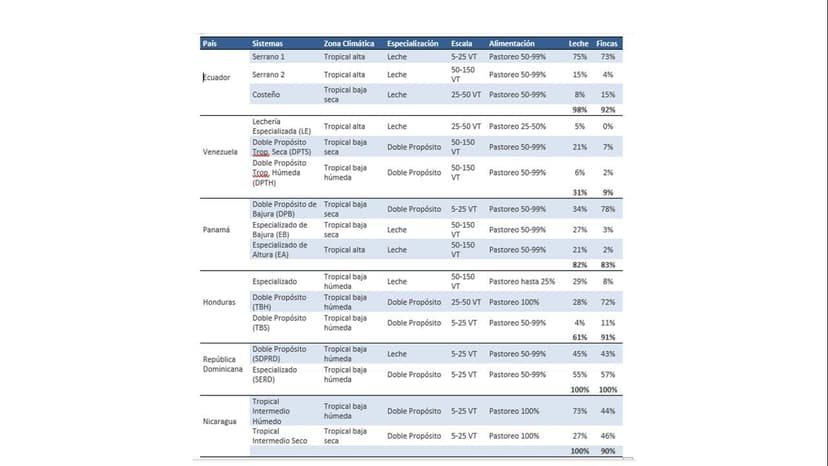
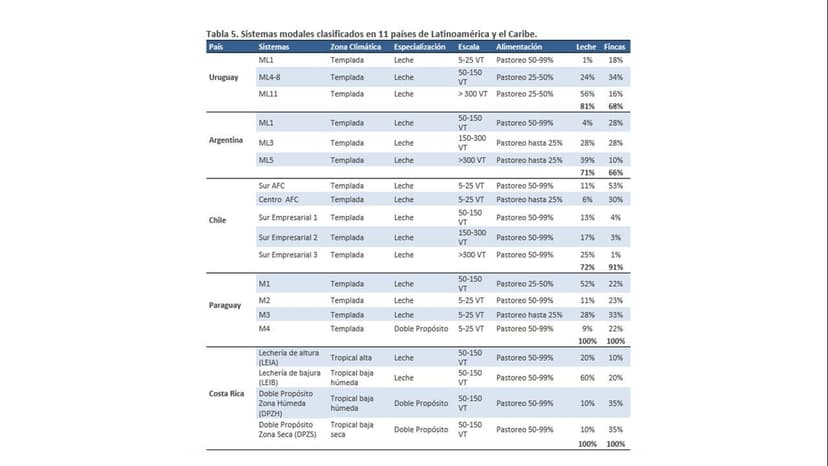
• Establishment of baseline for regional dairy production systems, through the classification and description of production systems in 11 LAC countries.
• Selection of improved strategies for sustainable intensification, through the agreed selection of key performance indicators of biophysical, economic, social and environmental performance.
• Simulation of sustainable intensification strategies in each country through the development and adaptation of the ‘Dairy systems simulation model’ applicable to LAC dairy systems.
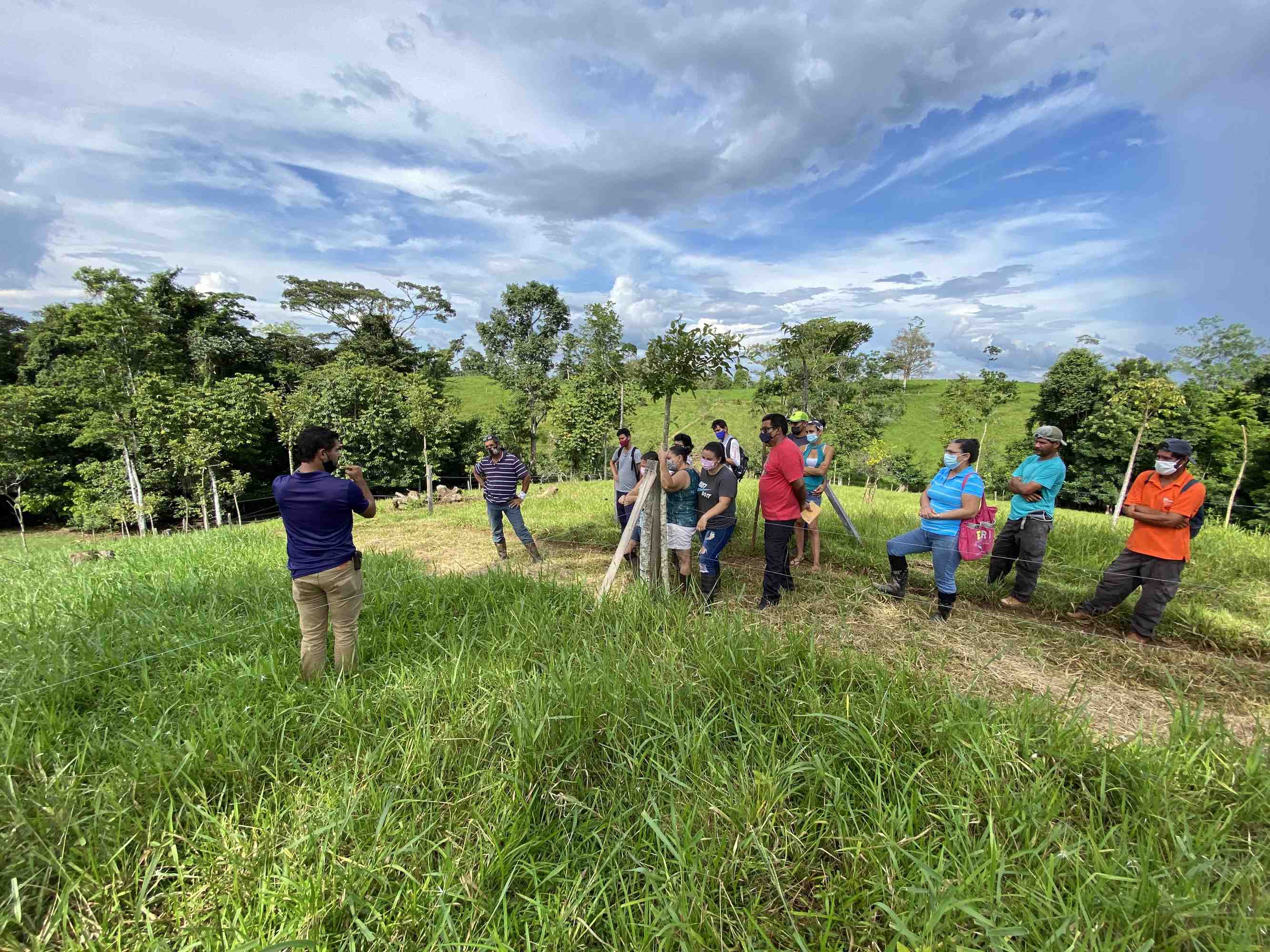
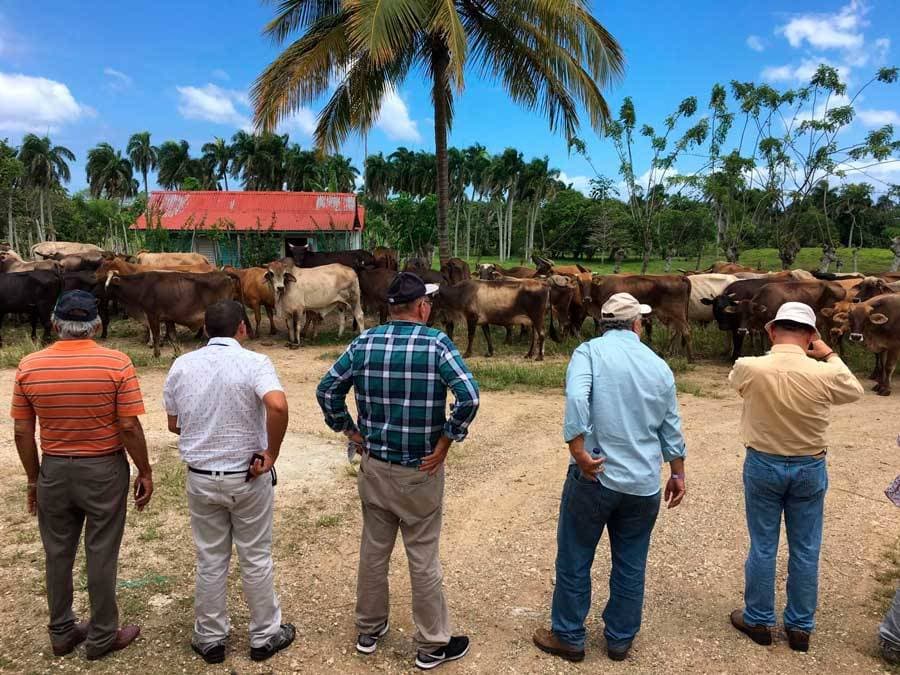
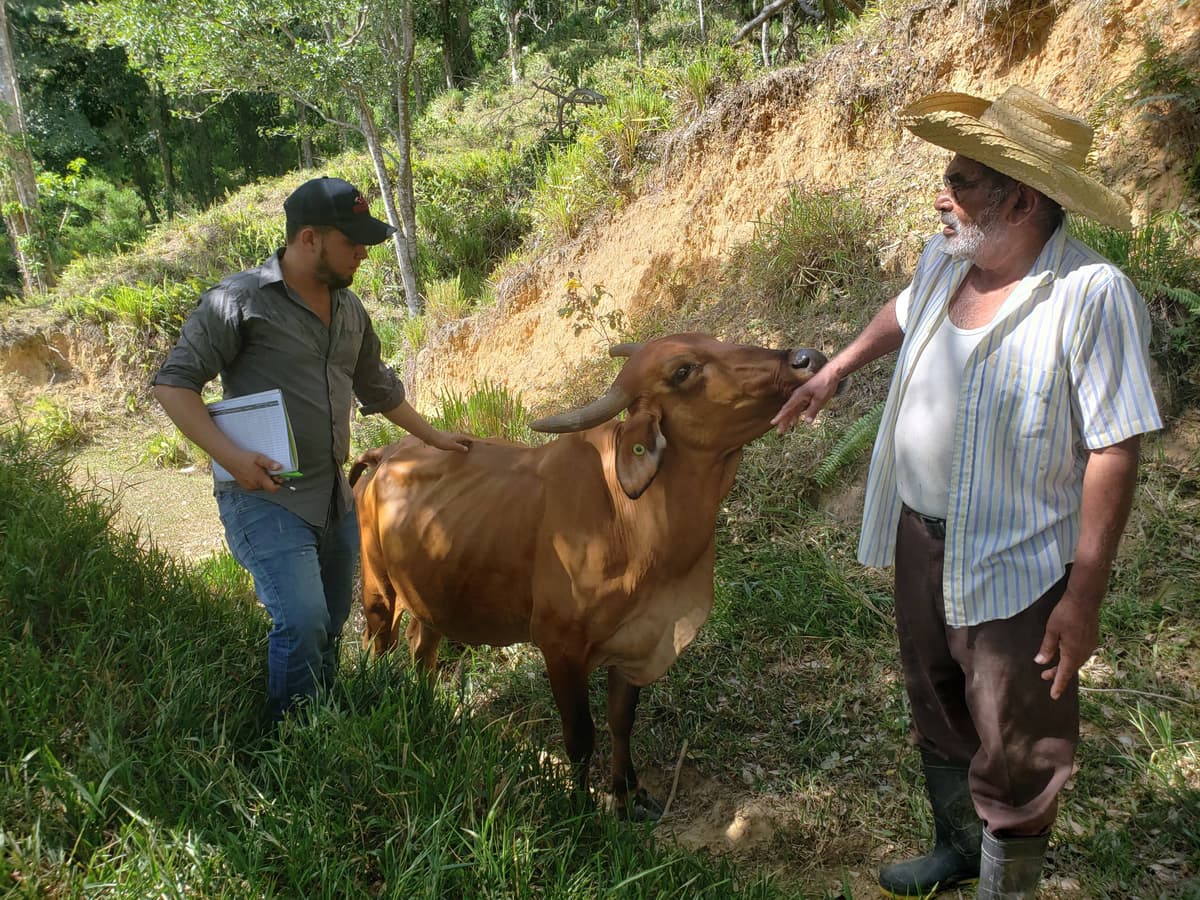
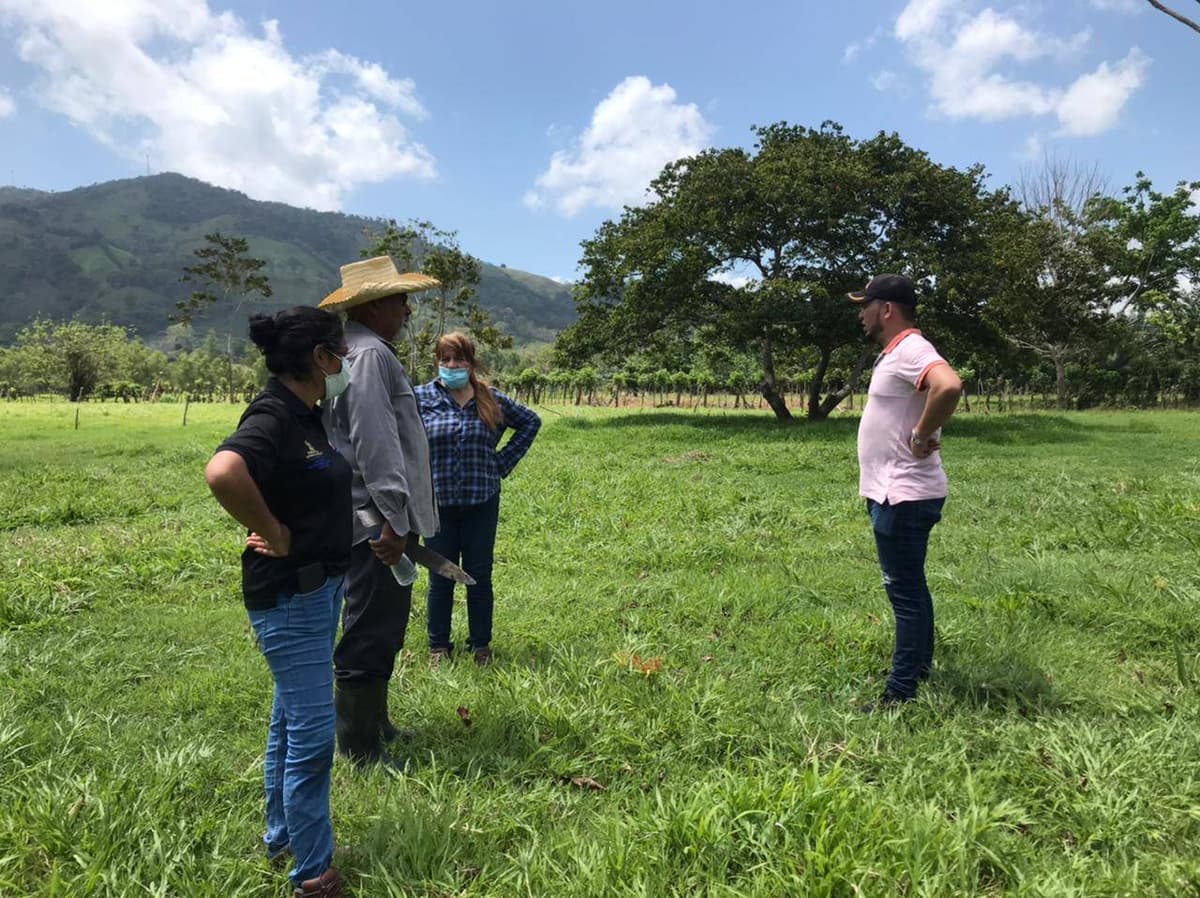
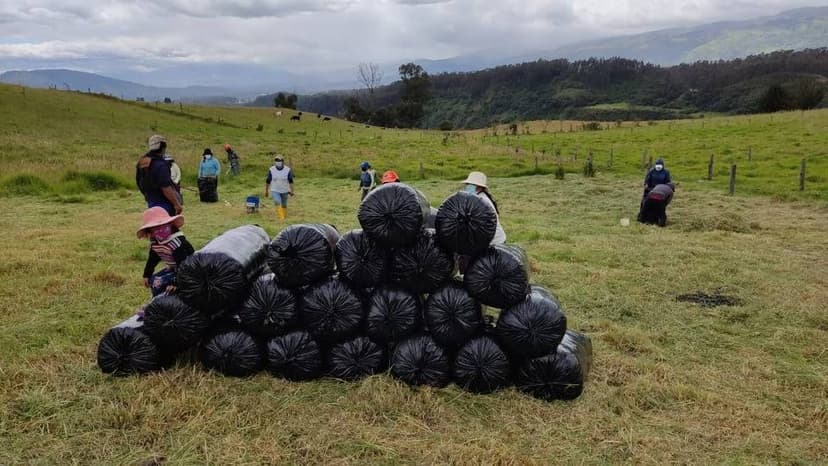
• Development and validation of improved systems in 17 pilot farms.
• Start-up of an experimental study at INTA Rafaela (TAMBO ROCA 2030 Project).
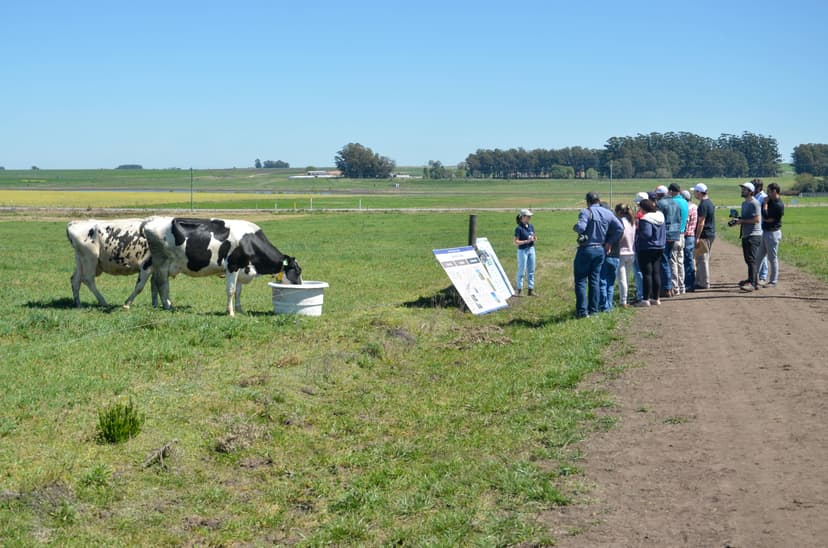
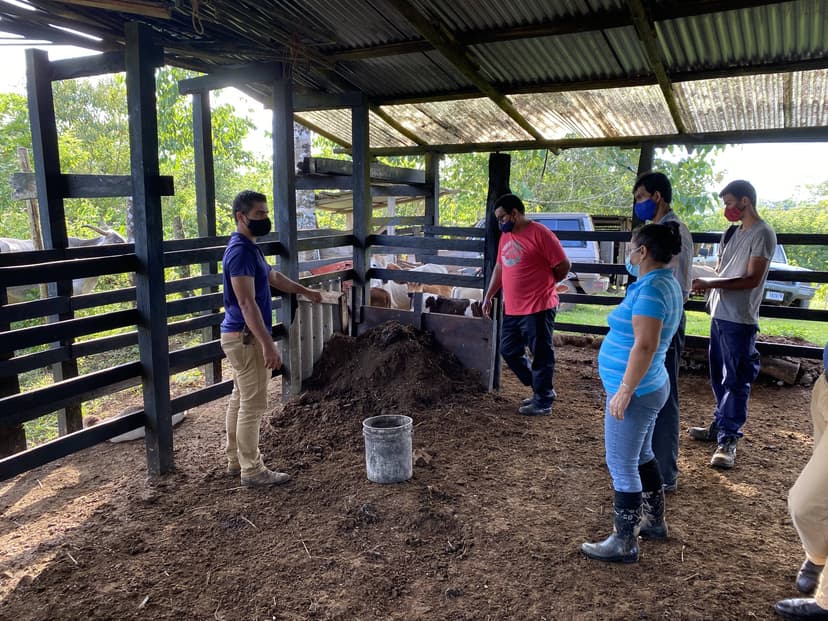
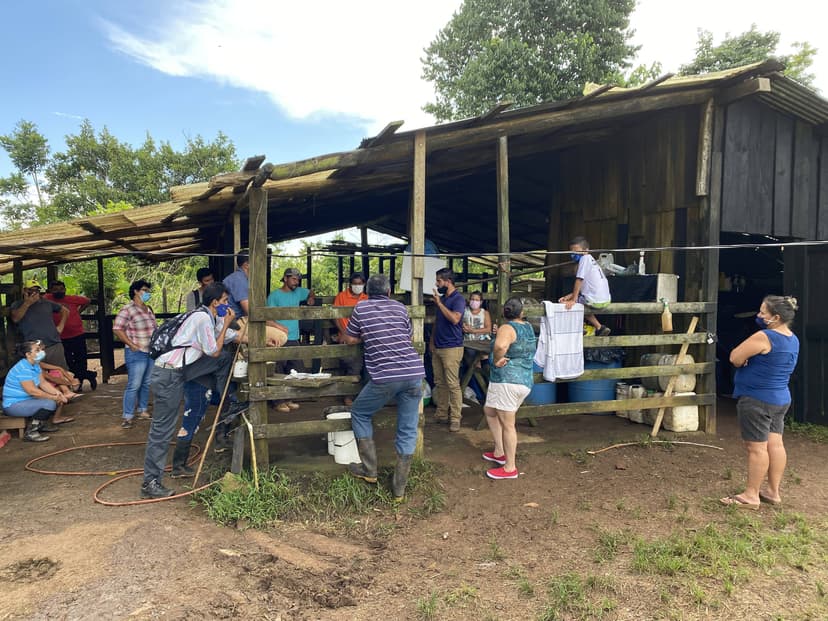
• Capacity building of 450 field technicians and 200 farmers.
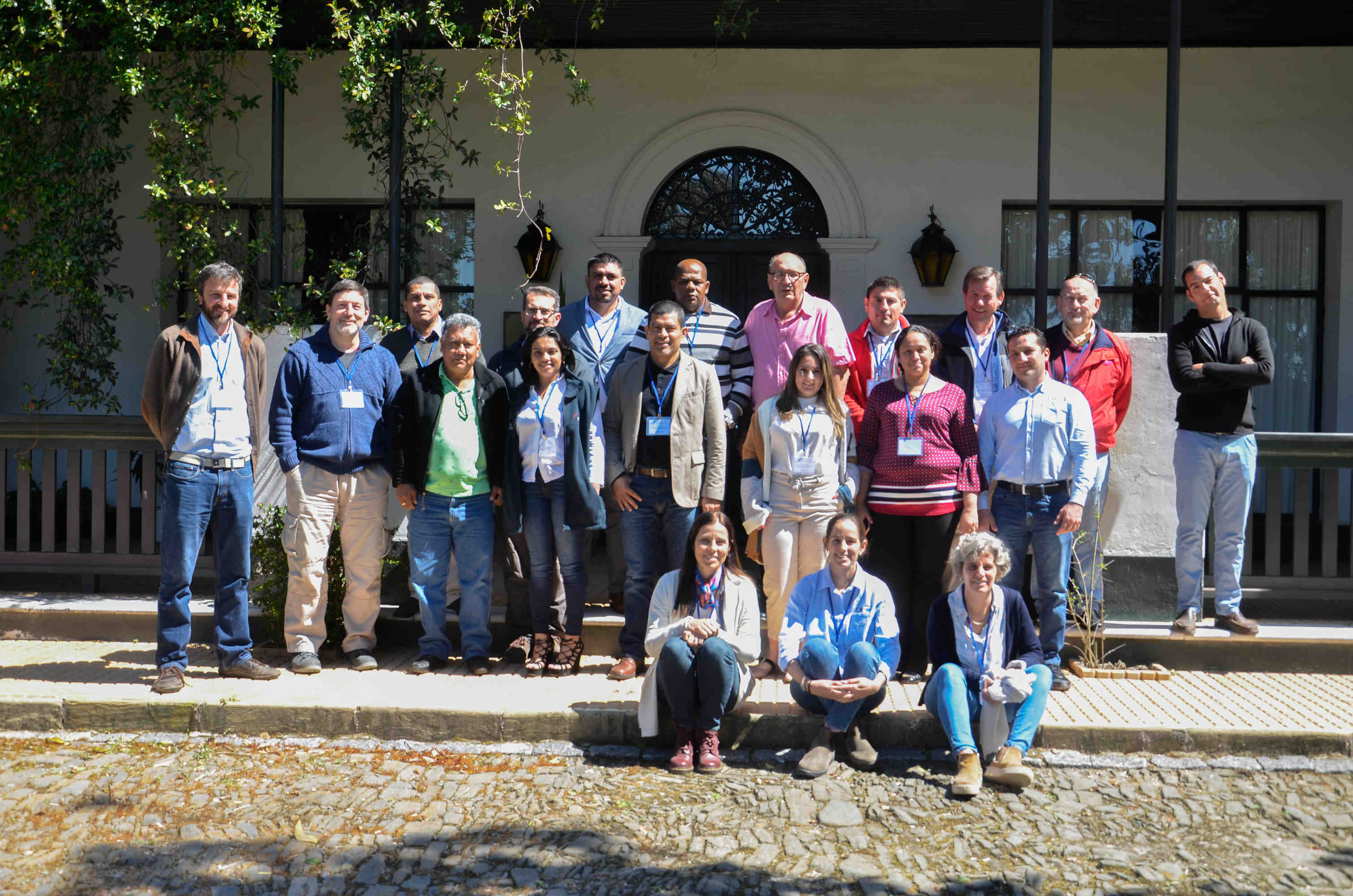
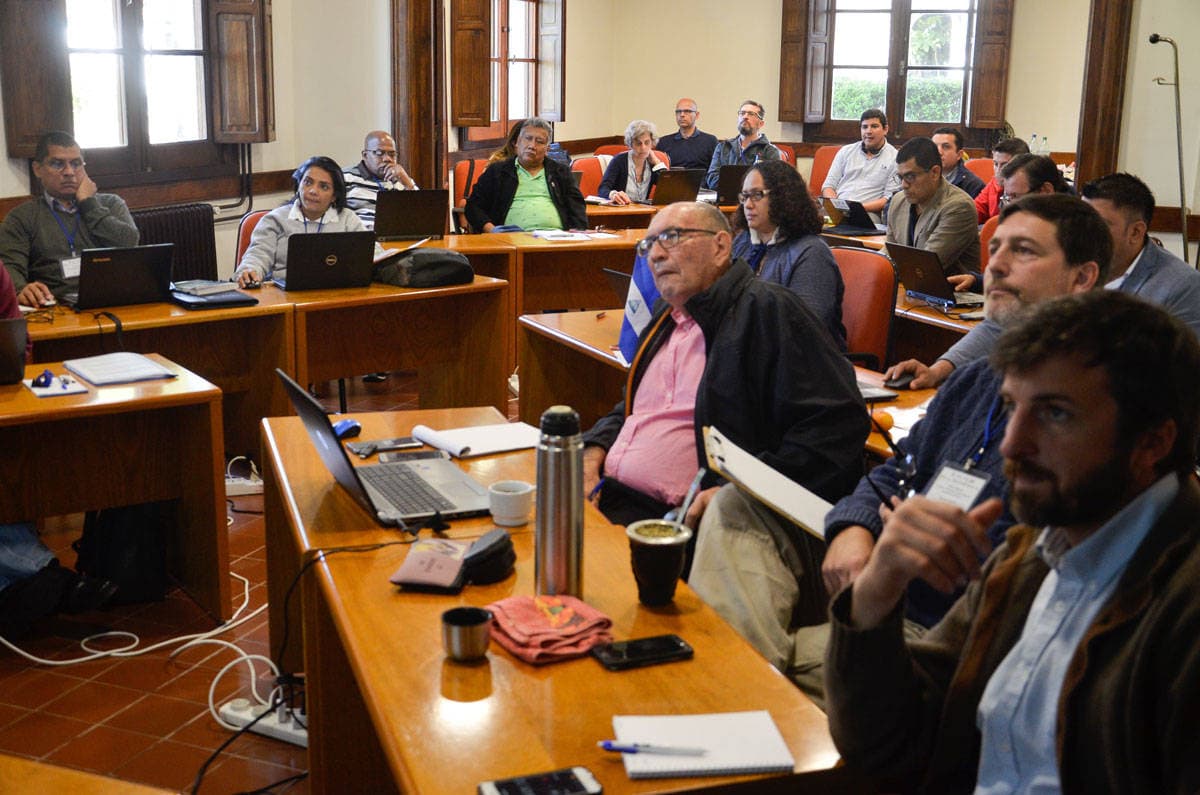
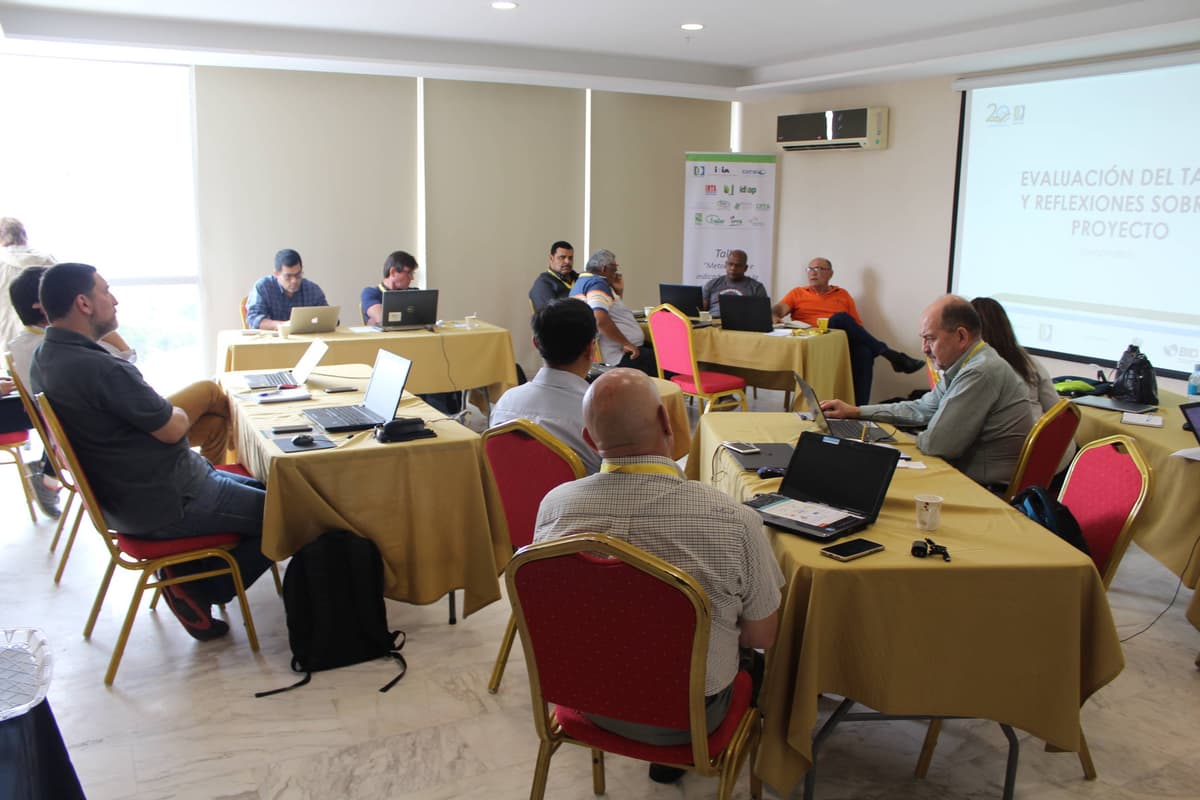
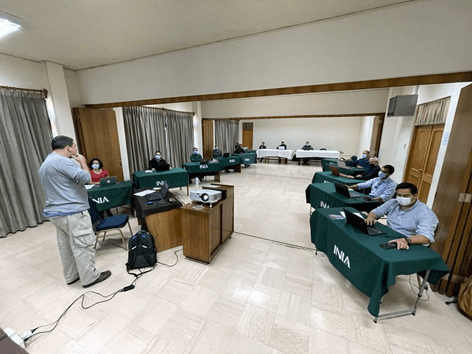
The full team of the 11 countries during a Workshop in INIA Uruguay, 2019





 Agronomic Practices










 Impact
 Initiatives
 Dashboard
 Alliances
 Impact
 Initiatives
 Dashboard
 Alliances













.jpeg&w=828&q=75)



















.png&w=750&q=75)
