The Caribbean region in Costa Rica and Panama, where cocoa production is mostly based, is characterized by its vulnerability to extreme weather events, high levels of poverty and limited opportunities. Production declined in the past - despite the demands of high quality cocoa – due to diseases that devastated cocoa trees. The project takes place within this context, aimed at strengthening quality and productivity, in a framework of analysis and participatory work with all relevant actors. In essence, it seeks to boost the revival of cocoa cultivation and the quality of life of producing families.
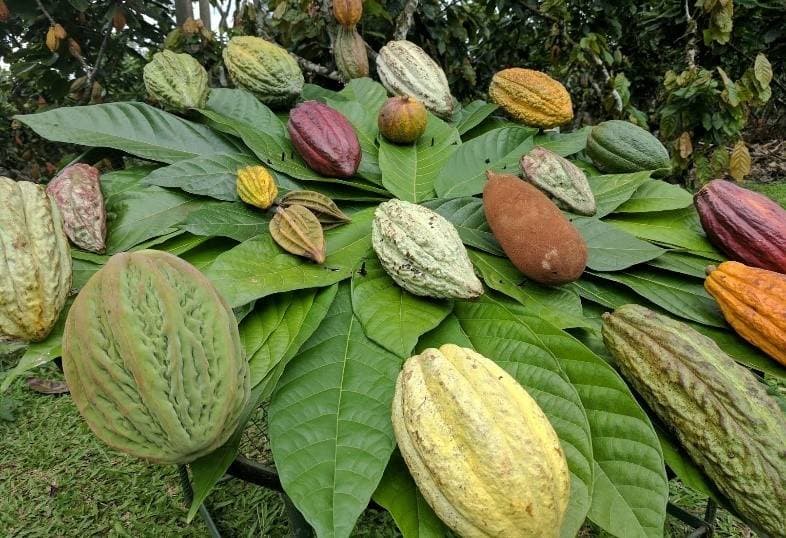
In the cultivation of cocoa, productivity and quality must go hand-in-hand, both for market demands and for the need and expectation of producers to improve their living conditions. A good genetic base certainly contributes to quality, however, it is not enough to achieve it. Cocoa processing, in particular fermentation and drying, are as or more important than the genetic constitution of the plant in quality optimization.
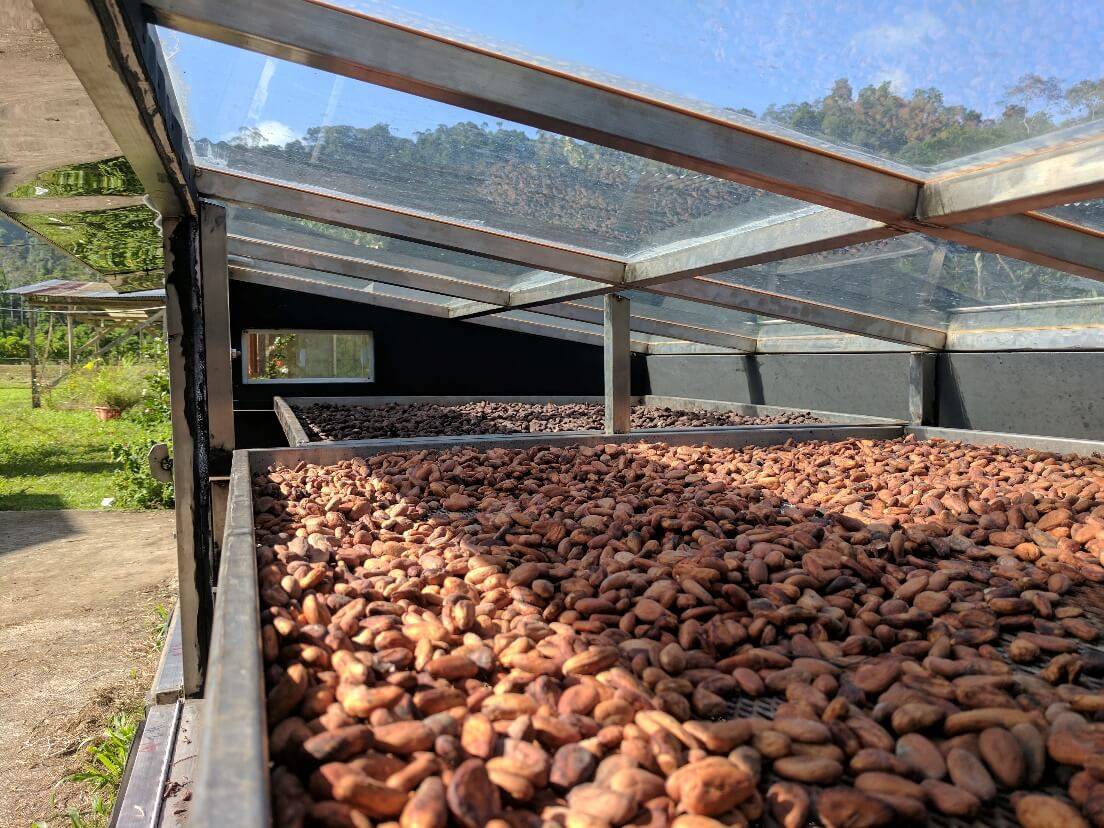
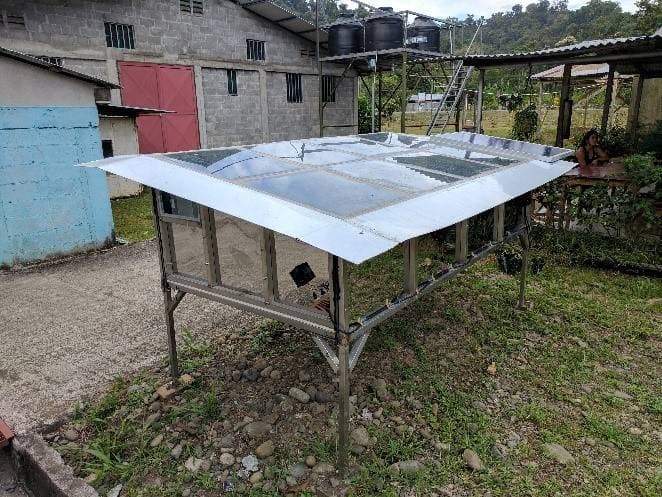
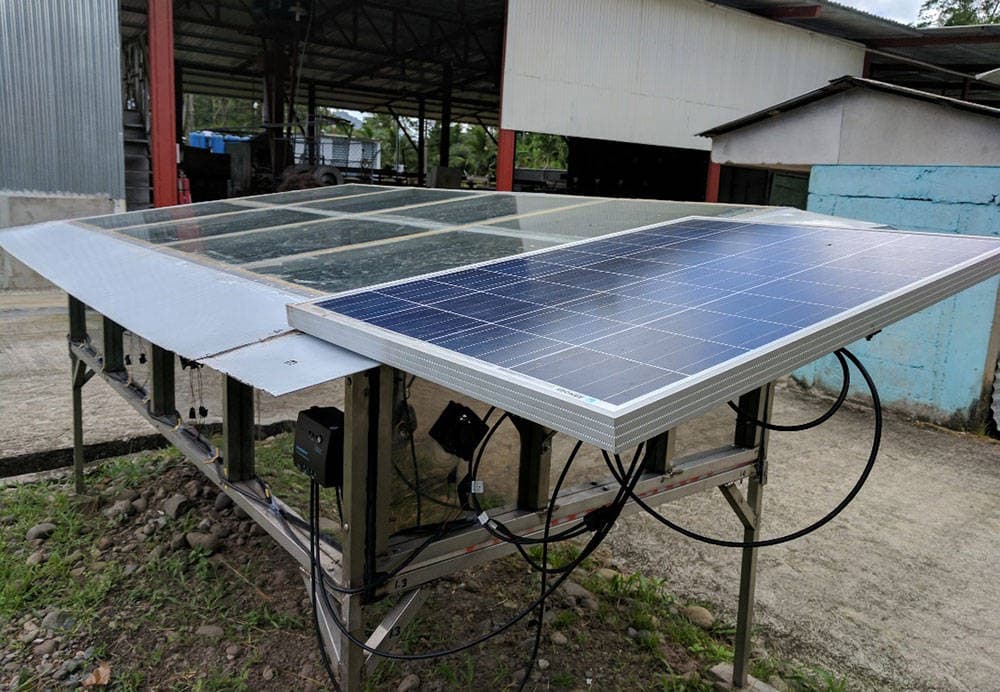
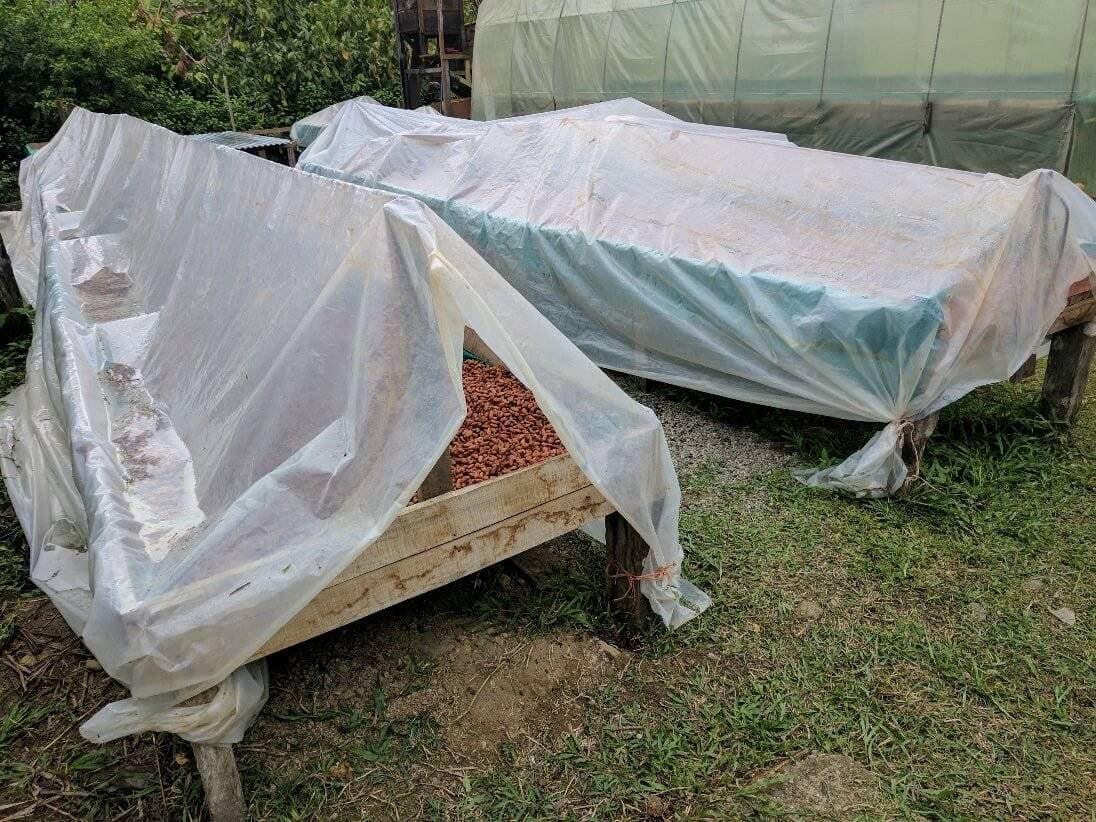
The transport of freshly harvested cocoa for long hours and by rudimentary means decreases the total quality. Within this framework, the design of small-scale solar dryers that can allow fermentation and drying of cocoa in situ (particularly in communities far from central processing centers), contribute not only to the quality of the final product but also to the economy of the producer. The scaling of this technological solution can change for good the quality and profitability of the crop.
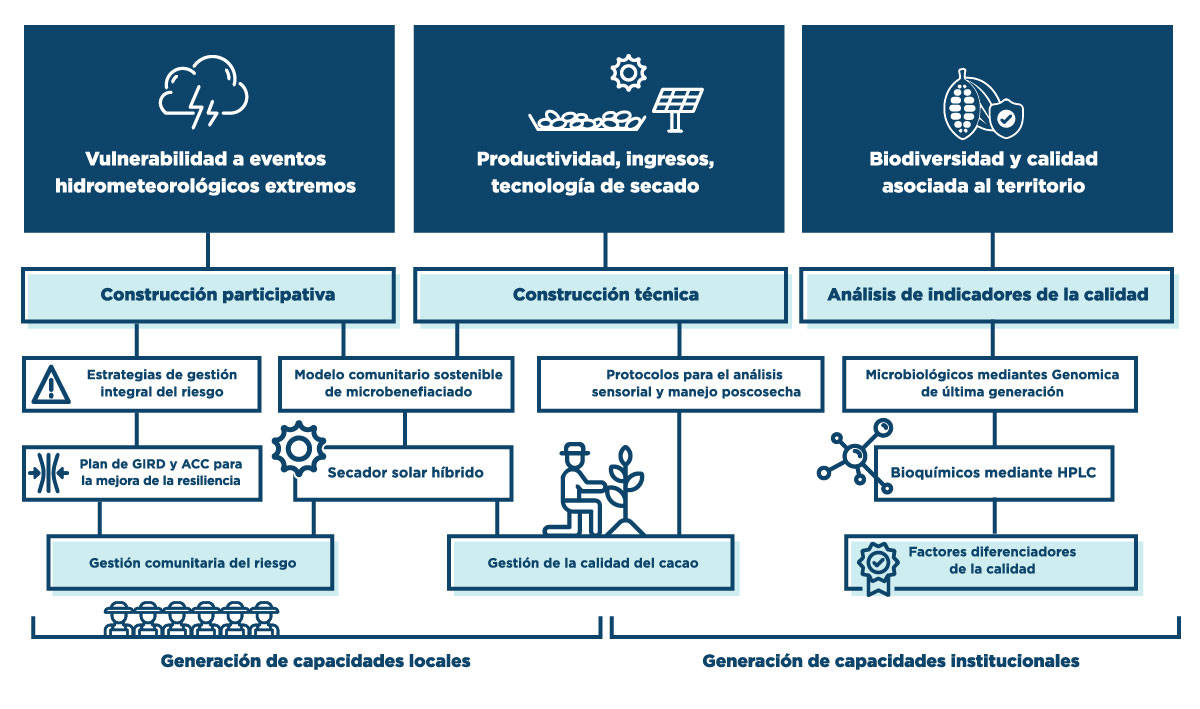
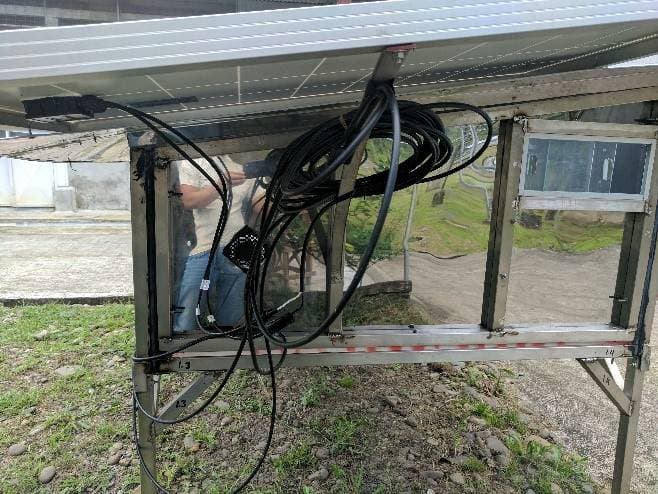
• Solar drying pilot systems were built with photovoltaic panels to minimize reported losses by up to 50%. Dryers can process 200 kg / week, enough for current and future productivity
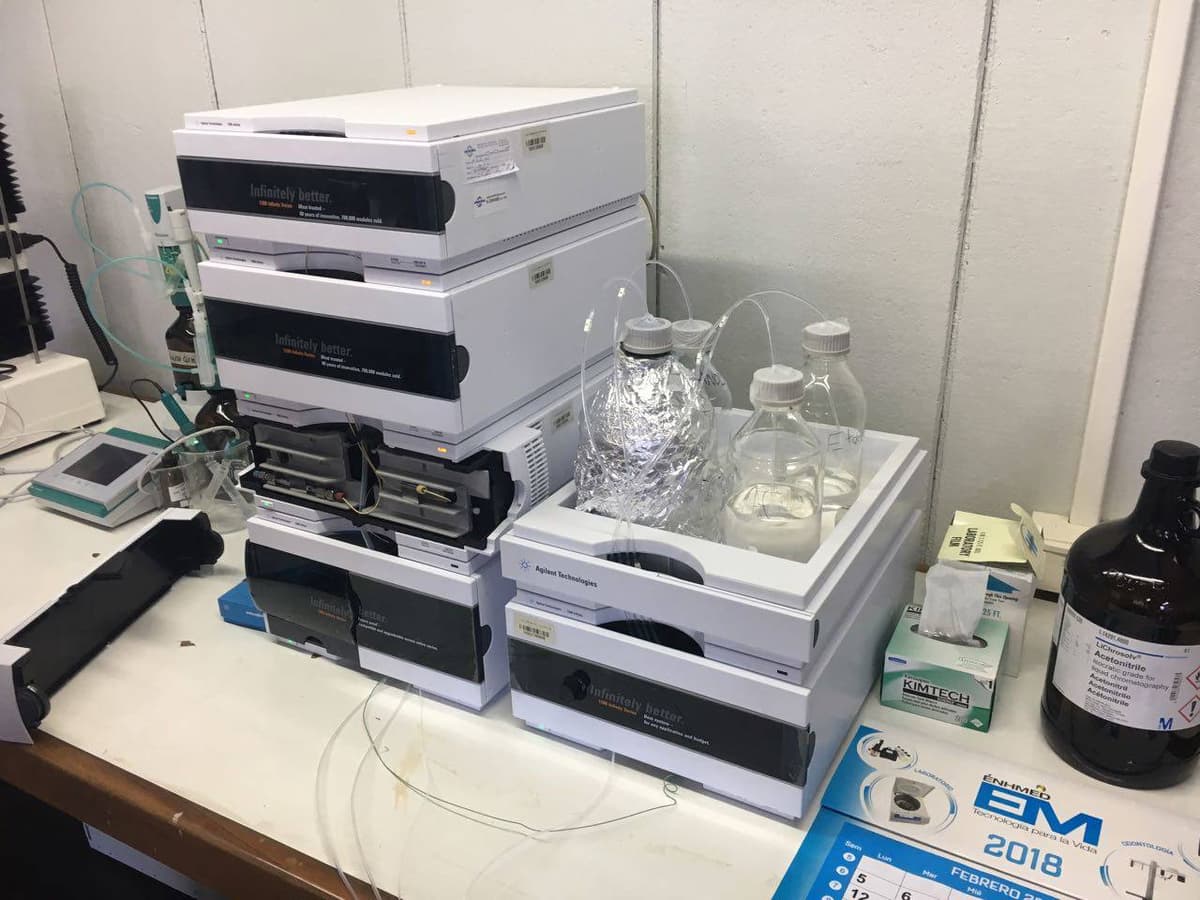
• A state-of-the-art genomic analysis allowed the identification of more efficient organisms for fermentation
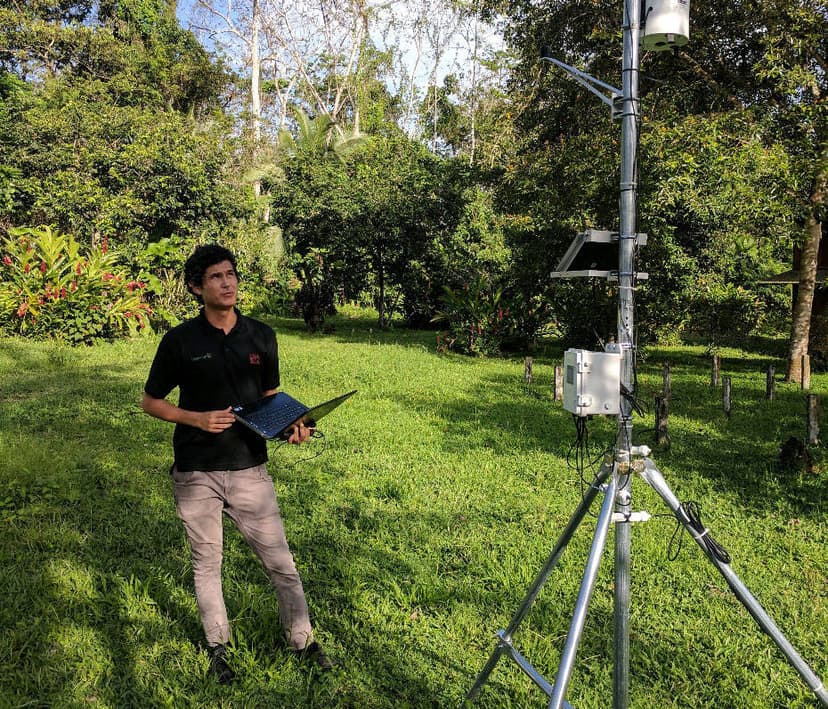
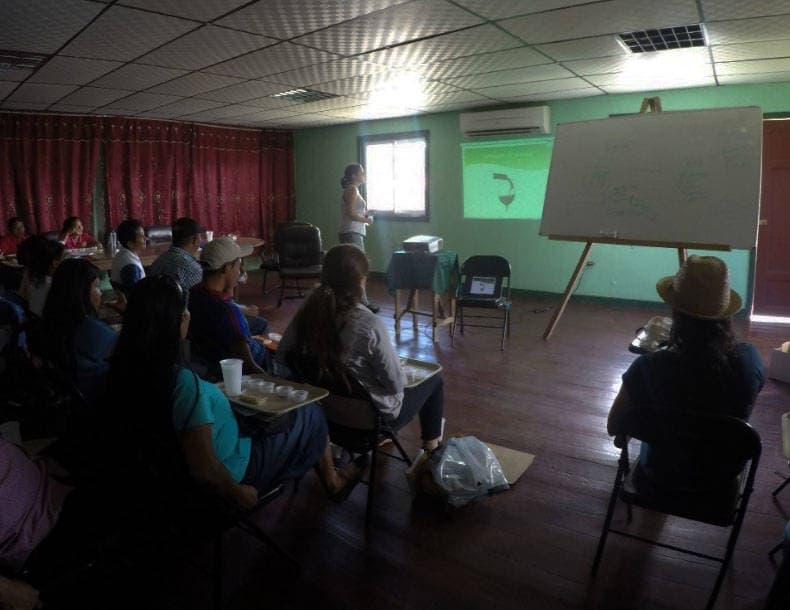
• Workshops were organized for the participatory analysis of risks and vulnerabilities in the face of possible extreme events or changes in the regional climate
• The project generated tasting and good practice guides as well as training to recognize sensory profiles and differentiate cocoa qualities
• The project activated a network of professionals, responsibile for the production, processing and commercialization of cocoa.





 Agronomic Practices






 Impact
 Initiatives
 Dashboard
 Alliances
 Impact
 Initiatives
 Dashboard
 Alliances


.png&w=750&q=75)