
 Agronomic PracticesClimate changeStrategy 1. Resilient farmsStrategy 2. Sustainables territoriesAdaptativeTechnological-Organizational-InstitutionalFamily agricultureRural ExtensionClimate smart agricultureCapacity buildingProductive systemsPostharvest
 2014
2014 Closed
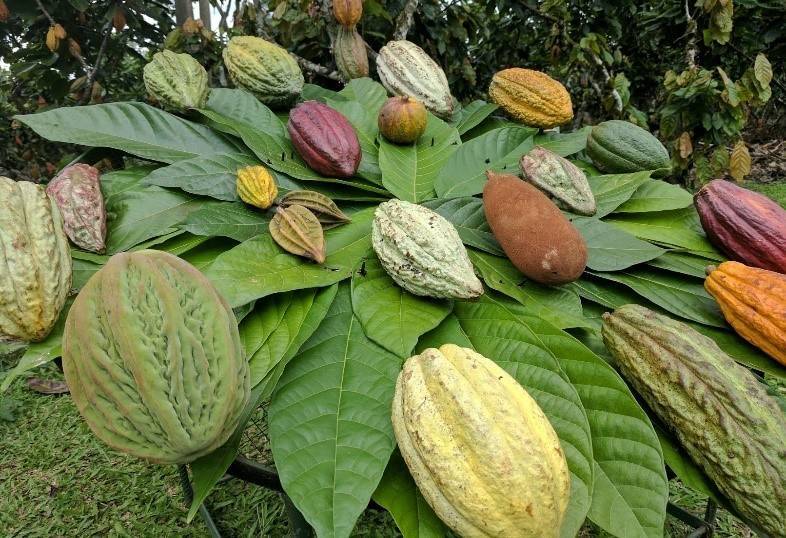
This project was developed with the purpose of strengthening the livelihoods of families dedicated to the production of cocoa in the Costa Rica-Panama bi-national basin of the Sixaola River, and with the goal of reducing the vulnerability of these producers and families to extreme hydrometereological events. The co-executing organizations (APPTA and COCABO) represent about 3000 producers, who gained access to the transfer of knowledge and technologies developed in the framework of this joint effort.
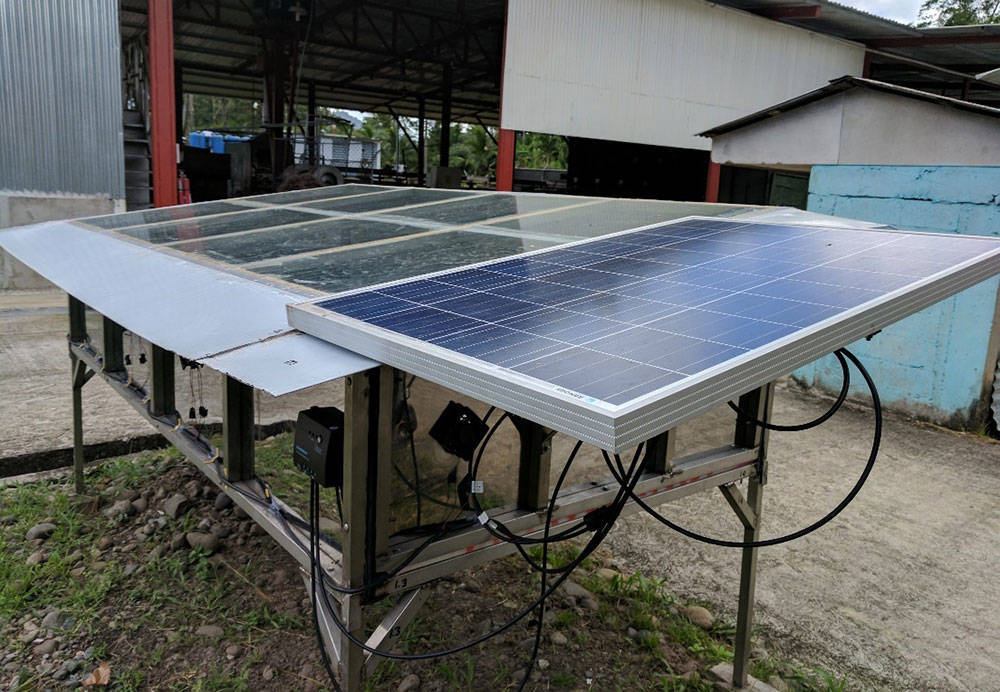
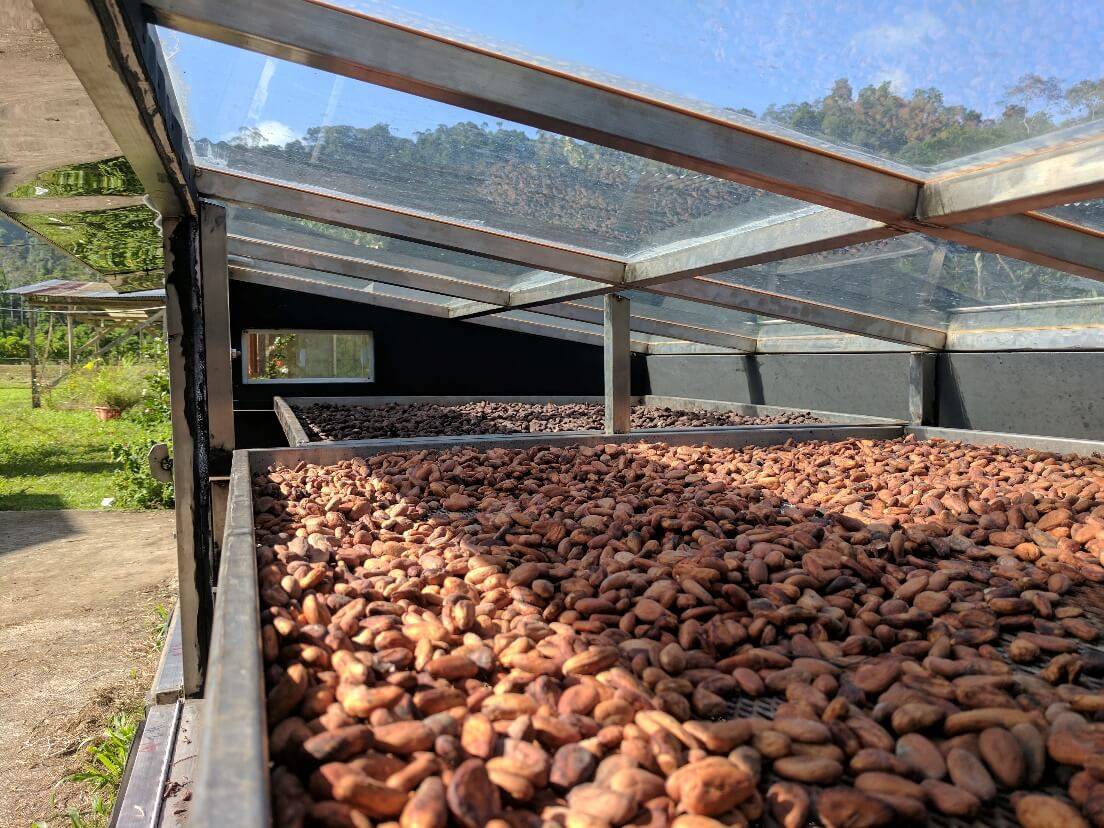
Under the leadership of the National University of Costa Rica, the coordination of key cocoa sector representatives in both territories constituted a first achievement. This network, made up of people focusd on the sensory quality of cocoa, included academics, technicians, producers, industrialists and private sector consultants, among others. Through 3 workshops, 2 solar drying systems were designed and built using photovoltaic panels, which also enable access to electricity and connectivity in isolated communities. A guide to good fermentation and drying practice was developed oriented to cocoa production with high quality standards.
The initiative evidenced the importance of strengthening fermentation and drying technologies towards the design of qualities directed by a micro fermentation system for microbiological strains with potential for the production of highly specialized cocoa.
The project worked and directly benefited 60 cocoa-producing families, who were present in the training, demonstrations, participatory analysis of risks and opportunities derived from climatic variation and in the design, construction and testing of the solar dryers.
The information and experiences generated have been and will be accessible to 3,000 producers in the two bi-national basins, who will have access to the tasting and good practice guides for fermentation and drying of cocoa.
Carlos Eduardo Hernández Aguirre
Costa RicaLuciana Piza Arrea
Costa RicaMaria Laura Montero Díaz
Costa RicaSandra Calderón Villaplana
Costa RicaJosue Serrano
Costa RicaRupilio Abrego
PanamáThe tangible impact of science and technology in the field
Sponsors

With the support of

This project actively contributes to achieving the Sustainable Development Goals, promoting more equitable, resilient, and sustainable regional development.

December 3, 2019

 Impact
 Initiatives
 Dashboard
 Alliances
 Impact
 Initiatives
 Dashboard
 Alliances


.png&w=384&q=75)