




 Value chainValue chains and marketsAppliedTechnologicalFamily agriculturePovertySeeds
 2007
2007 Closed
The ancestral Amazonian communities have selected numerous plants for their palatability and nutritional properties. The members of the research consortium of this project considered that these species, through integrated innovation, should contribute to the sustainable development of the region. The initiative was articulated through a consortium formed by the Research Institute of the Peruvian Amazon (IIAP) and the National Institute of Agricultural Innovation (INIA), both in Peru; the Institute for Man, Agriculture and Ecology (IPHEA), the Amazon Forest Research Institute attached to the Autonomous University of Beni (IIFA-UAB) in Bolivia; the Tropical Agricultural Research Center (CIAT). Urban and rural research centers also participated.
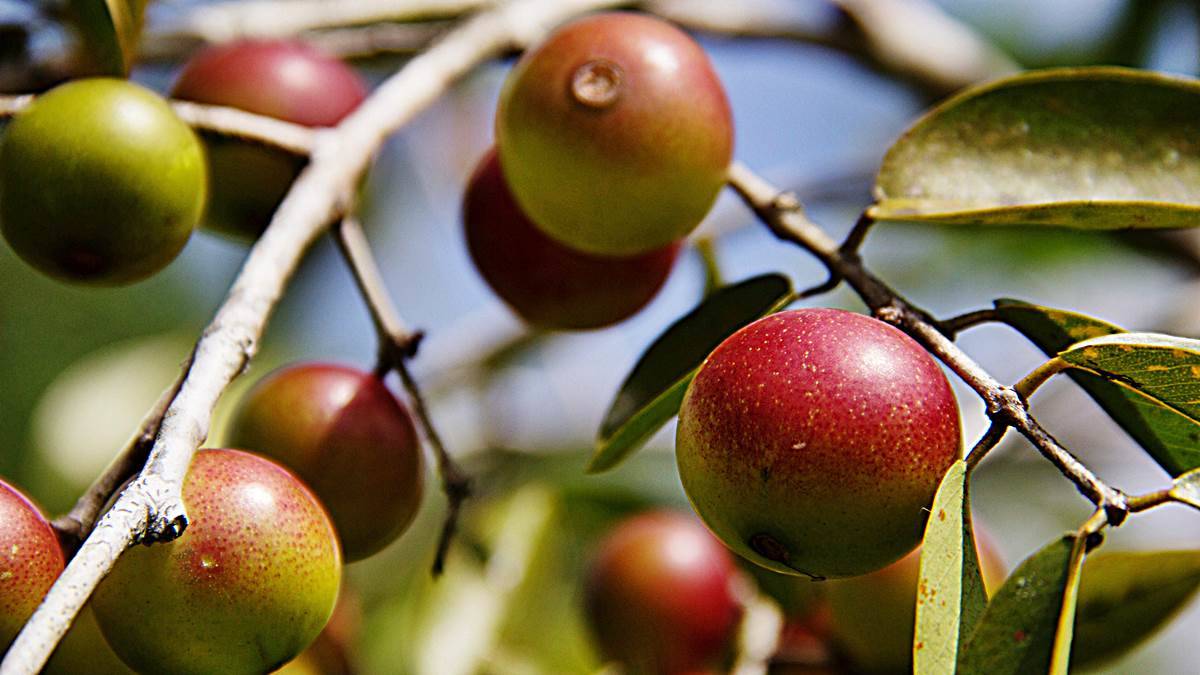
The objective of the project was to contribute to the well-being of low-income rural population of the Amazon mega-domain, as well as to prevent and mitigate the degradation of natural resources, through the production of a regional public good of value for the future development of The Amazon. The project considered five native species: Aguaje (Mauritia flexuosa), Camu Camu (Myrciaria dubia), Copoazú (Theobroma grandiflorum), Majo or Ungurahui (Oenocarpus batahua) and Pijuayo (Bactris gasipaes).
The actions of the project resulted in an increase in the income of producers by means of the development and implementation of a local innovation model.
The technological solution was based on two complementary elements: the identification, selection and use of superior genetic resources of Aguaje (Mauritia flexuosa), Camu Camu (Myrciaria dubia), Copoazú (Theobroma grandiflorum), Majo or Ungurahui (Oenocarpus batahua) and Pijuayo (Bactris gasipaes) and the addition of value to these species through the development of new products for the markets (juices, jams, yogurt, ice cream, etc.) and the improvement of the presentation (selection, washing, packaging) of these fruit trees in local markets.
The aforementioned had two cross-cutting elements to add even more value to these species: training for value chain actors and dissemination aimed at different audiences.
The Participatory Approach of Production Chains and Platforms (EPCP / PC) was used to stimulate the coordination of the various actors in the selected value chains. Among the technological innovations achieved by the project stand out the germplasm banks of the five species (to guarantee quality genetic material), fertilization systems and organic fertilizers, nursery production techniques and identification of critical factors affecting productivity.
The commercial innovations considered the development of products such as frozen pulp, soft drinks, ice creams, jams, yogurt, flakes, coloring extracts, desserts, butter and organic oil for the cosmetic and pastry industry. Additionally, the presentation of products in local markets was improved.
The participatory approach (EPCP) facilitated the creation of a public-private platform for the the five value chains. A Camu Camu agri-food and tourist route and platform were designed to boost consumption in Copoazú and Pijuayo.
The project emphasized outreach activities and products, such as cultivation manuals, facilitation workshops, and training for new products development.
There is no quantification of direct and indirect beneficiaries, however, the benefits of the project reached a large number of actors: producers, value aggregators, processors, merchants, and finally, consumers of new products.
This project actively contributes to achieving the Sustainable Development Goals, promoting more equitable, resilient, and sustainable regional development.

Leoncio Julio Ugarte Guerra
PerúRoberto Porro
BrasilDaniel Ardaya Bernal
BoliviaAgustín Gonzáles
PerúCarmen Garcia
PerúMario Pinedo Panduro
PerúCarlos Oliva
PerúWilliam Daga Ávalos
PerúSixto Alfredo Iman Correa
PerúMauricio Scheelje
PerúLuz Noemí Zúñiga López
PerúFortunato Angola
BoliviaThe tangible impact of science and technology in the field
Sponsors


With the support of


 Impact
 Initiatives
 Dashboard
 Alliances
 Impact
 Initiatives
 Dashboard
 Alliances


.png&w=384&q=75)

