Productivity was increased and environmental impact reduced in family livestock systems in the region through the adoption of technology supported by training and technical assistance.

Technology innovations
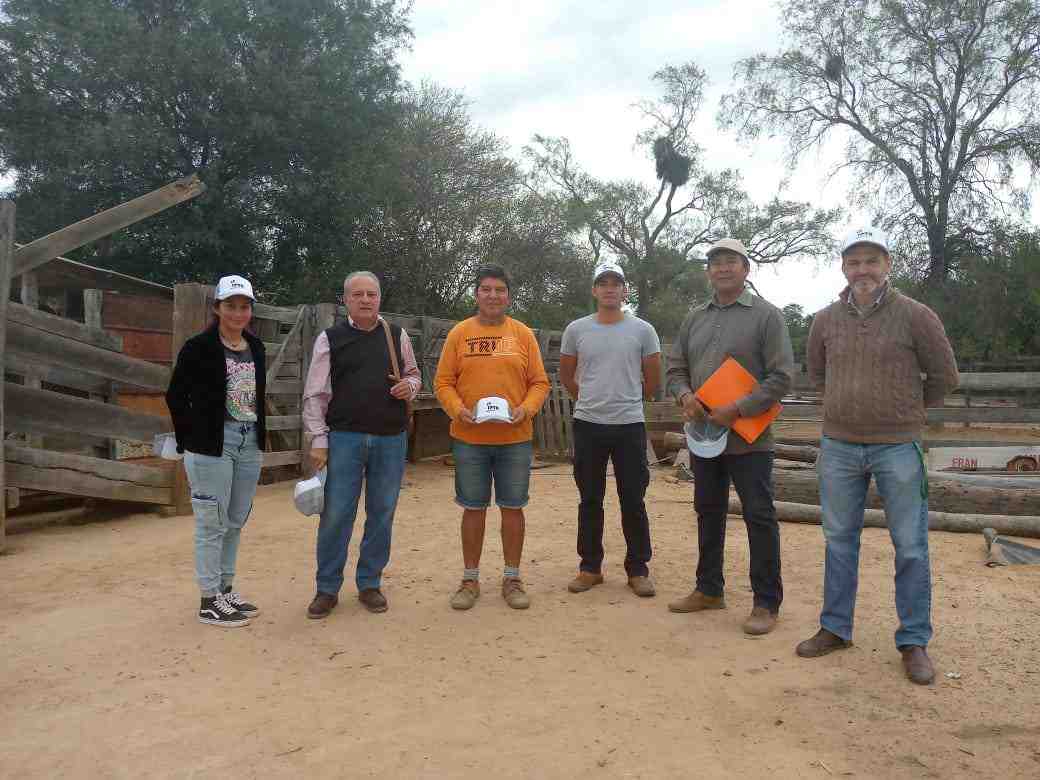
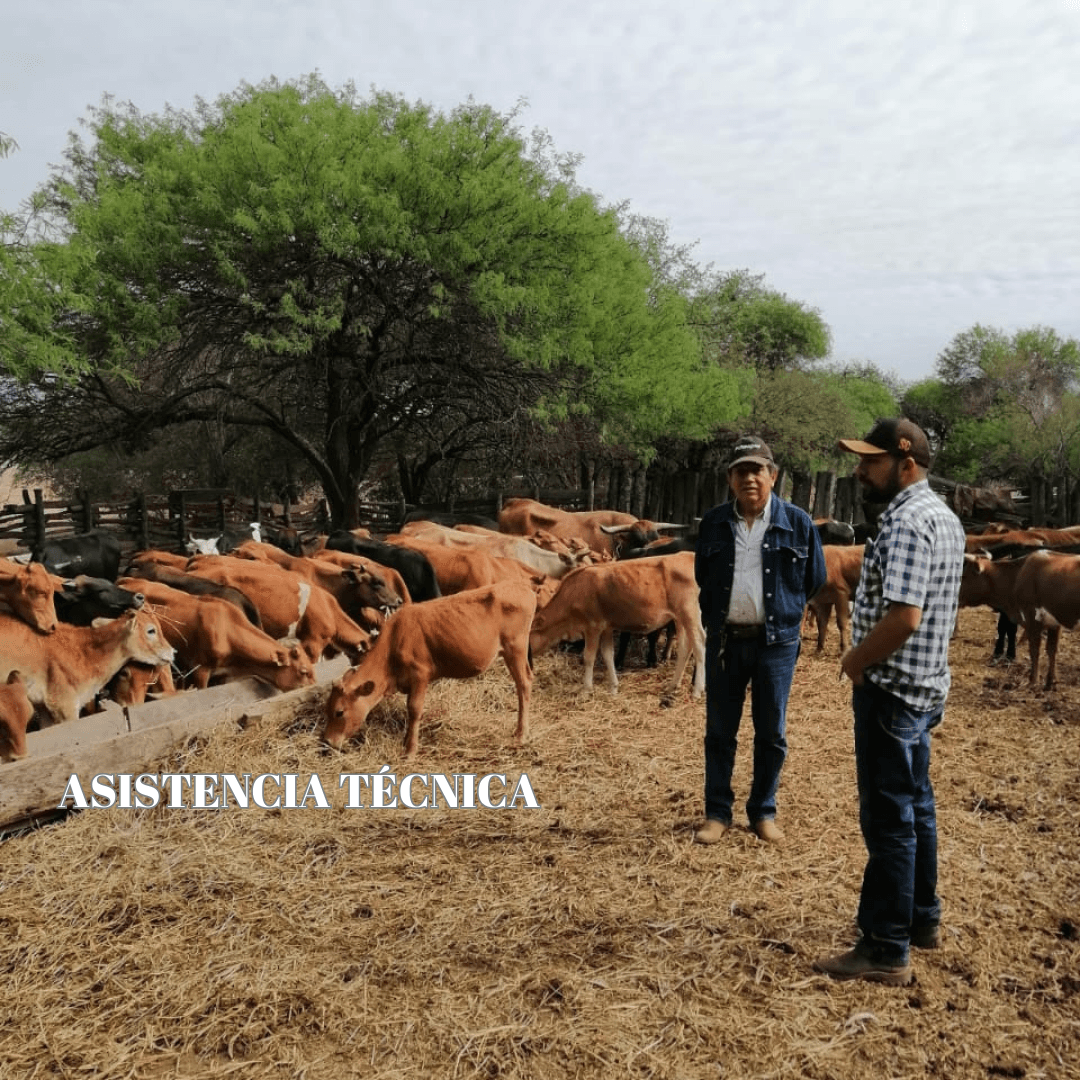
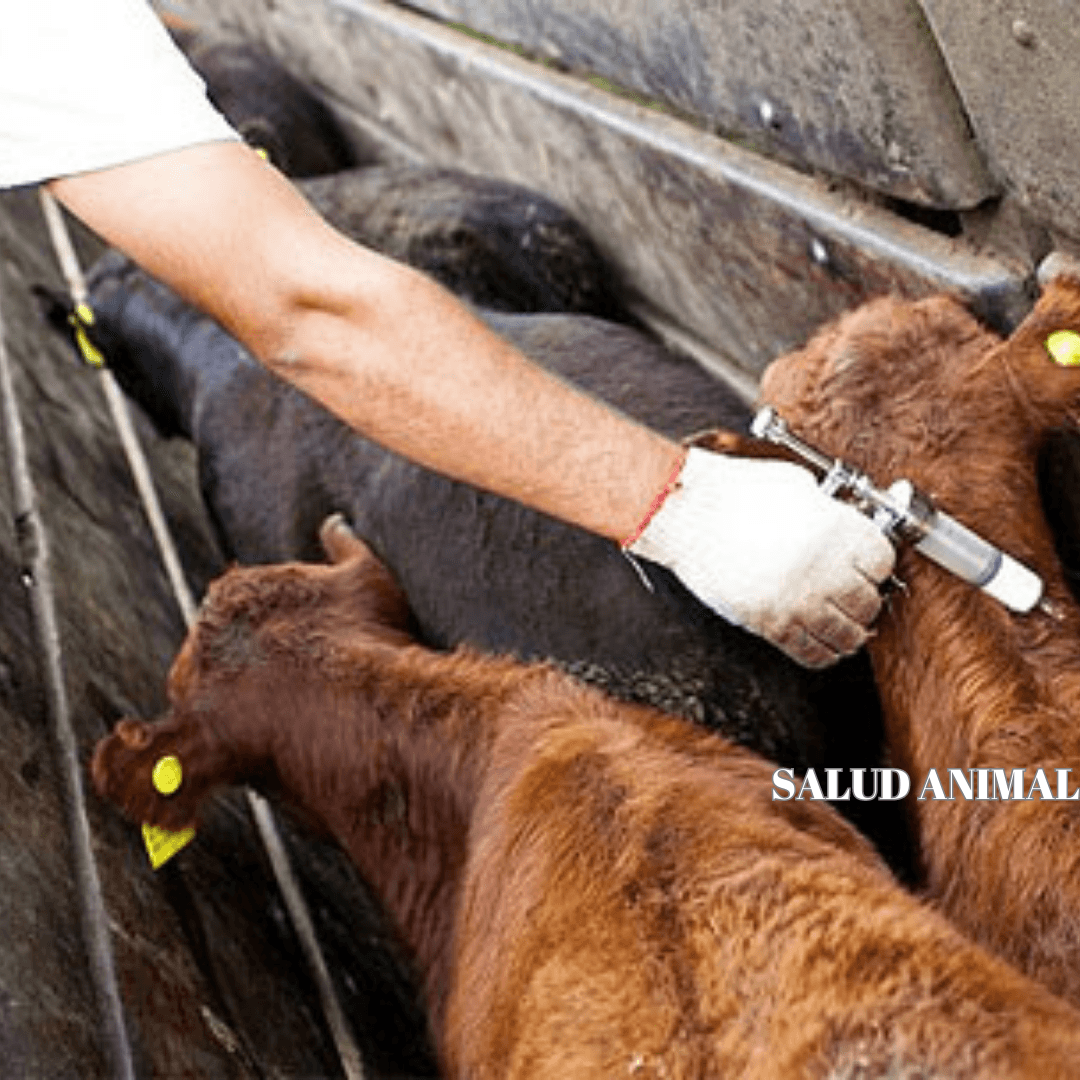
"The IPTA technicians accompanied us, training us on how to better manage the health of our animals. It's very important to have someone to discuss these matters with."— Mr. Cirilo Coronel, Nueva Mestre, Presidente Hayes Department, Paraguay
 Agronomic PracticesAppliedTechnologicalCattle raising
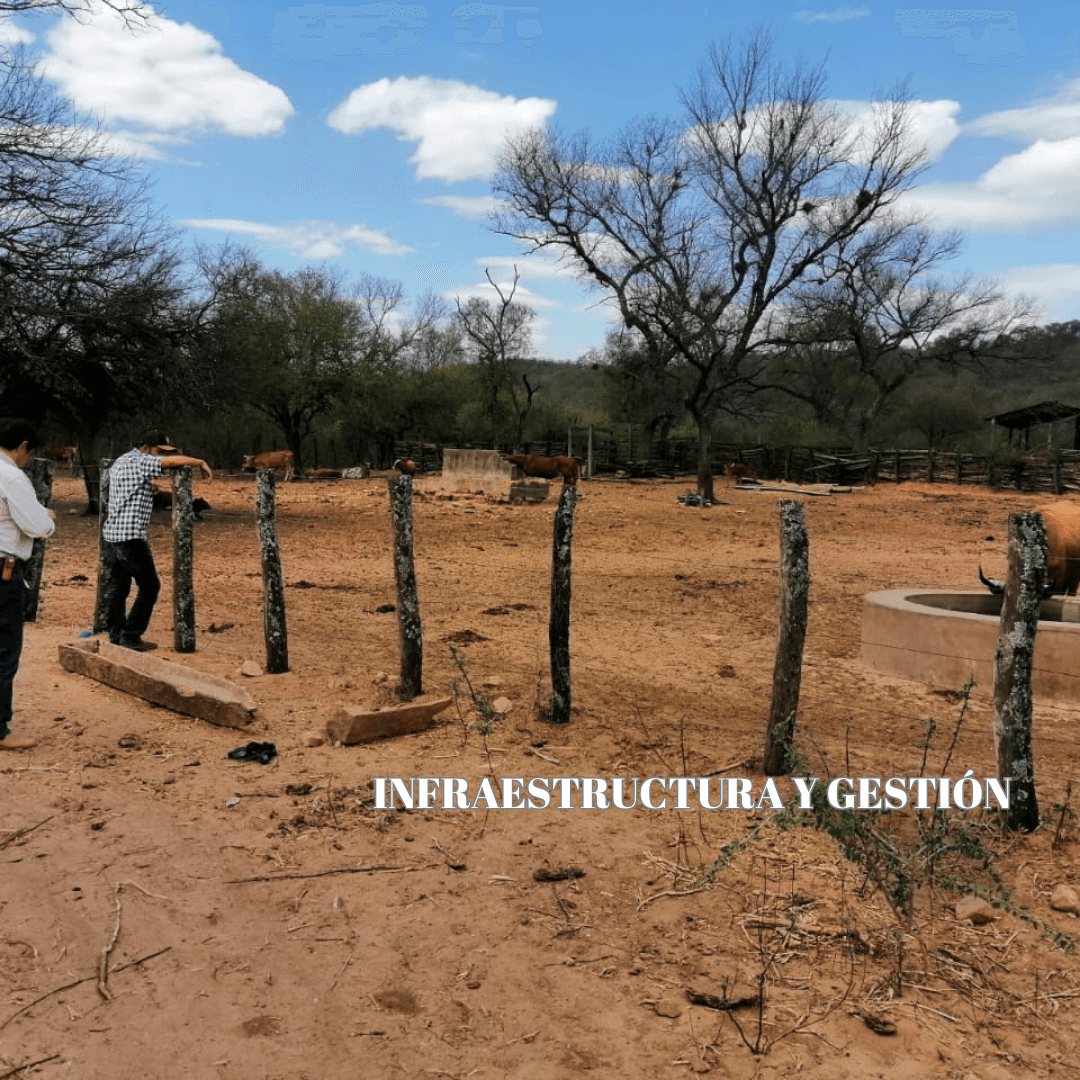
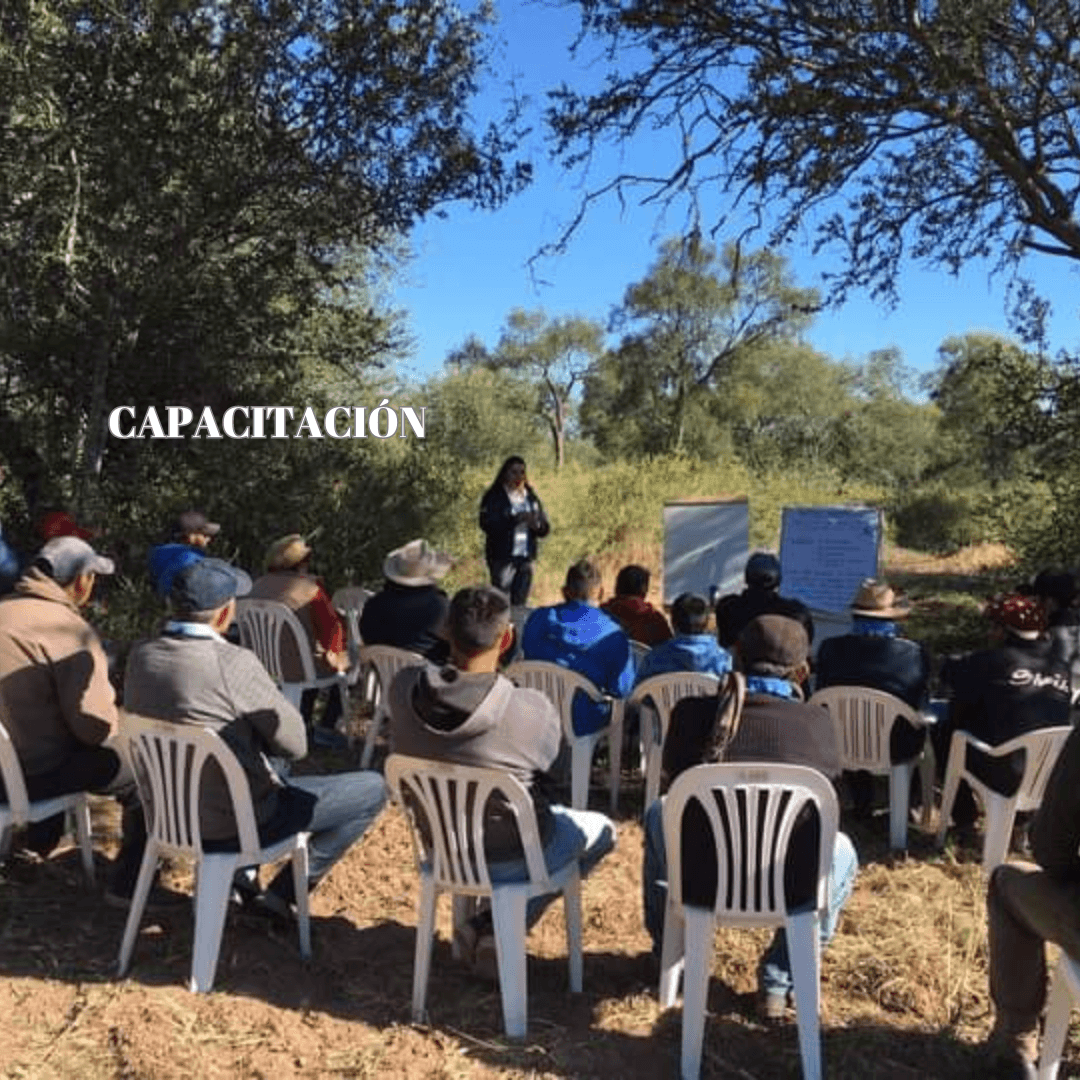
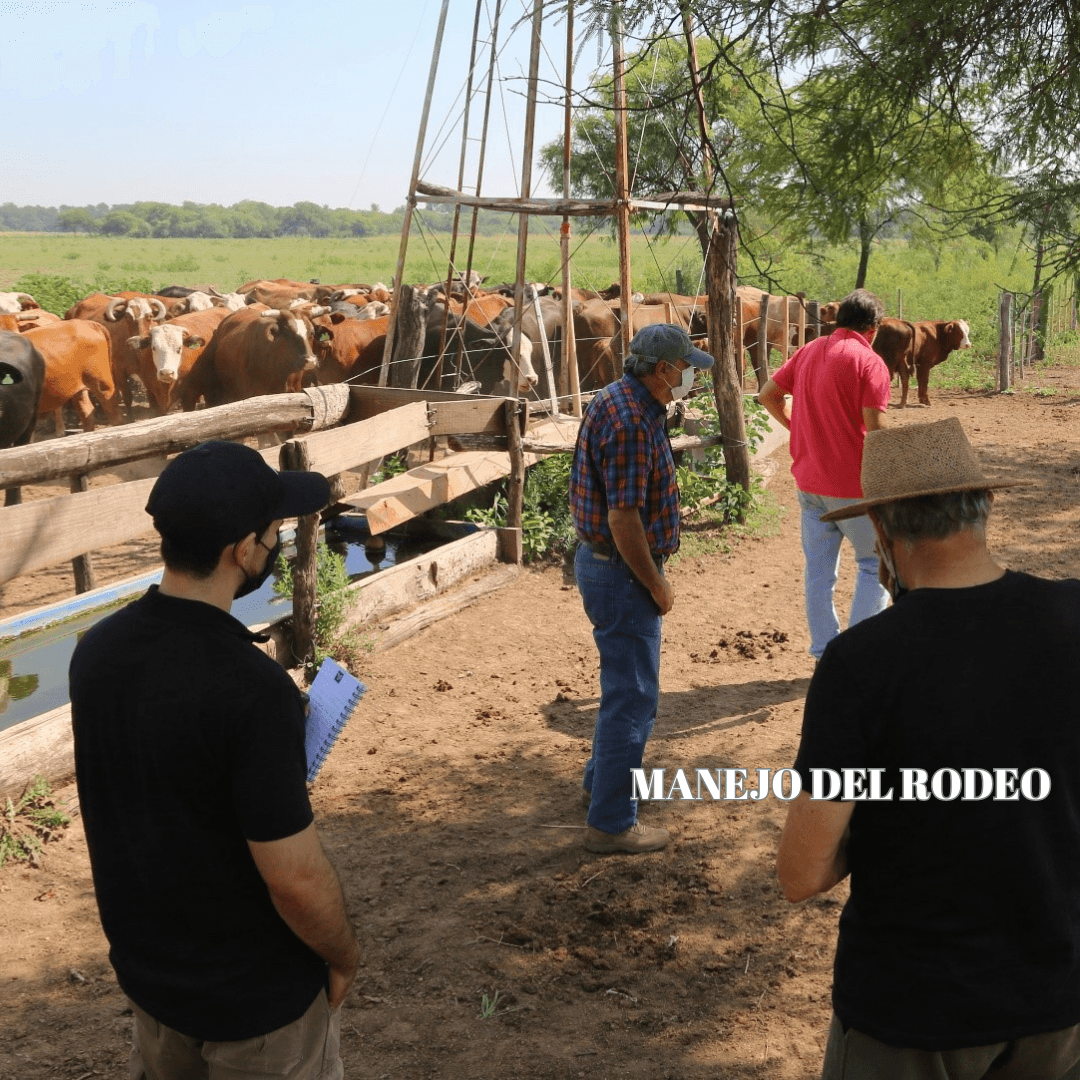
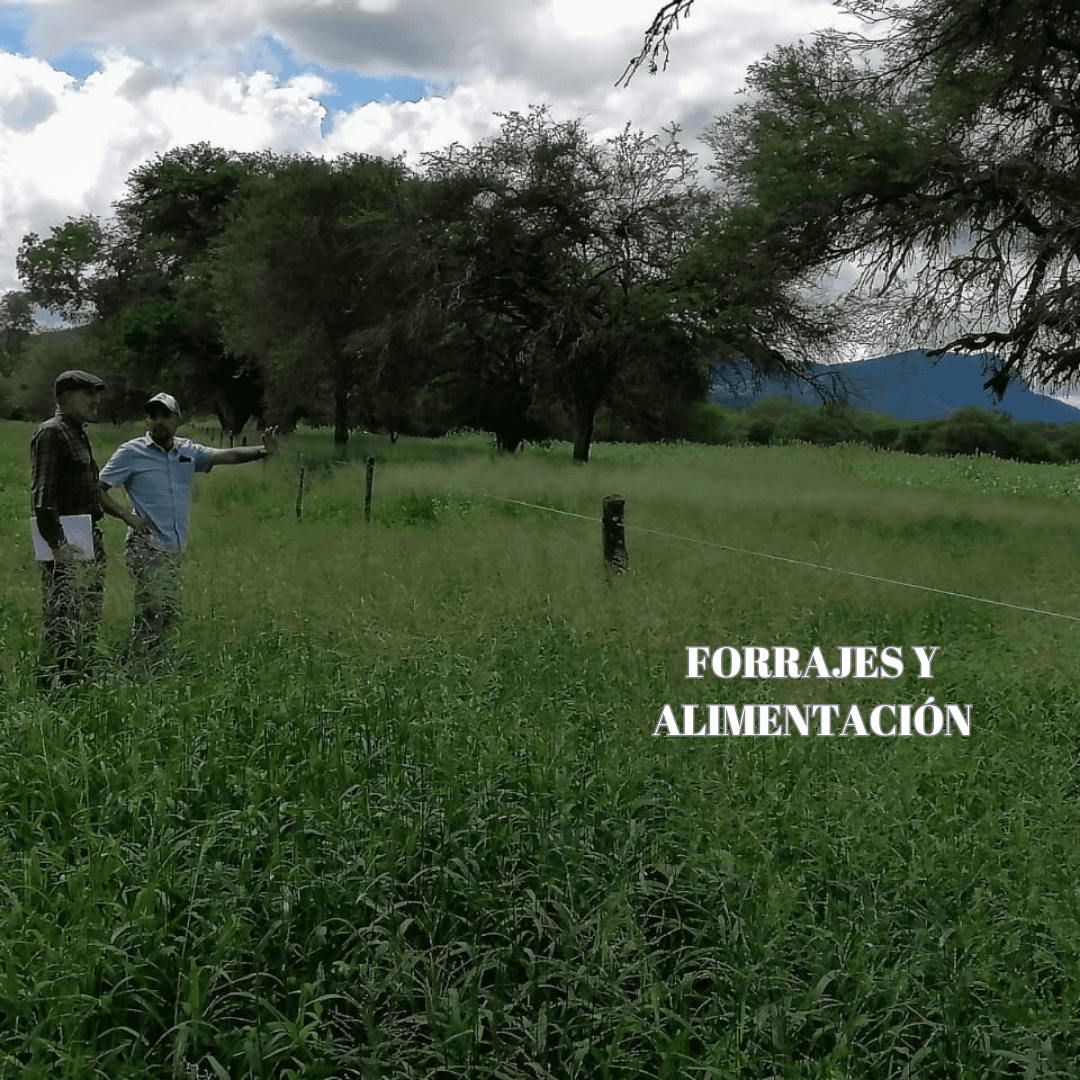
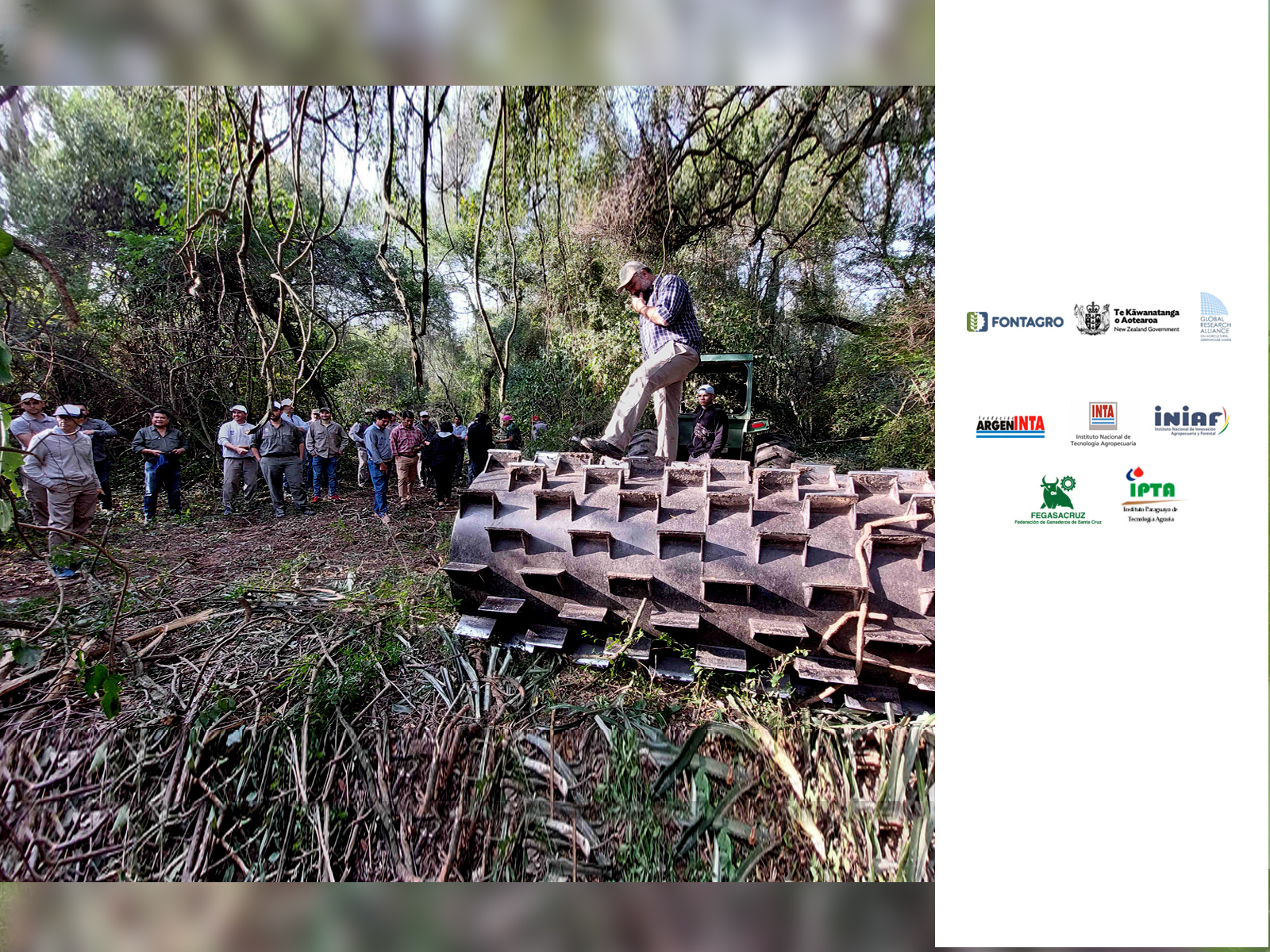
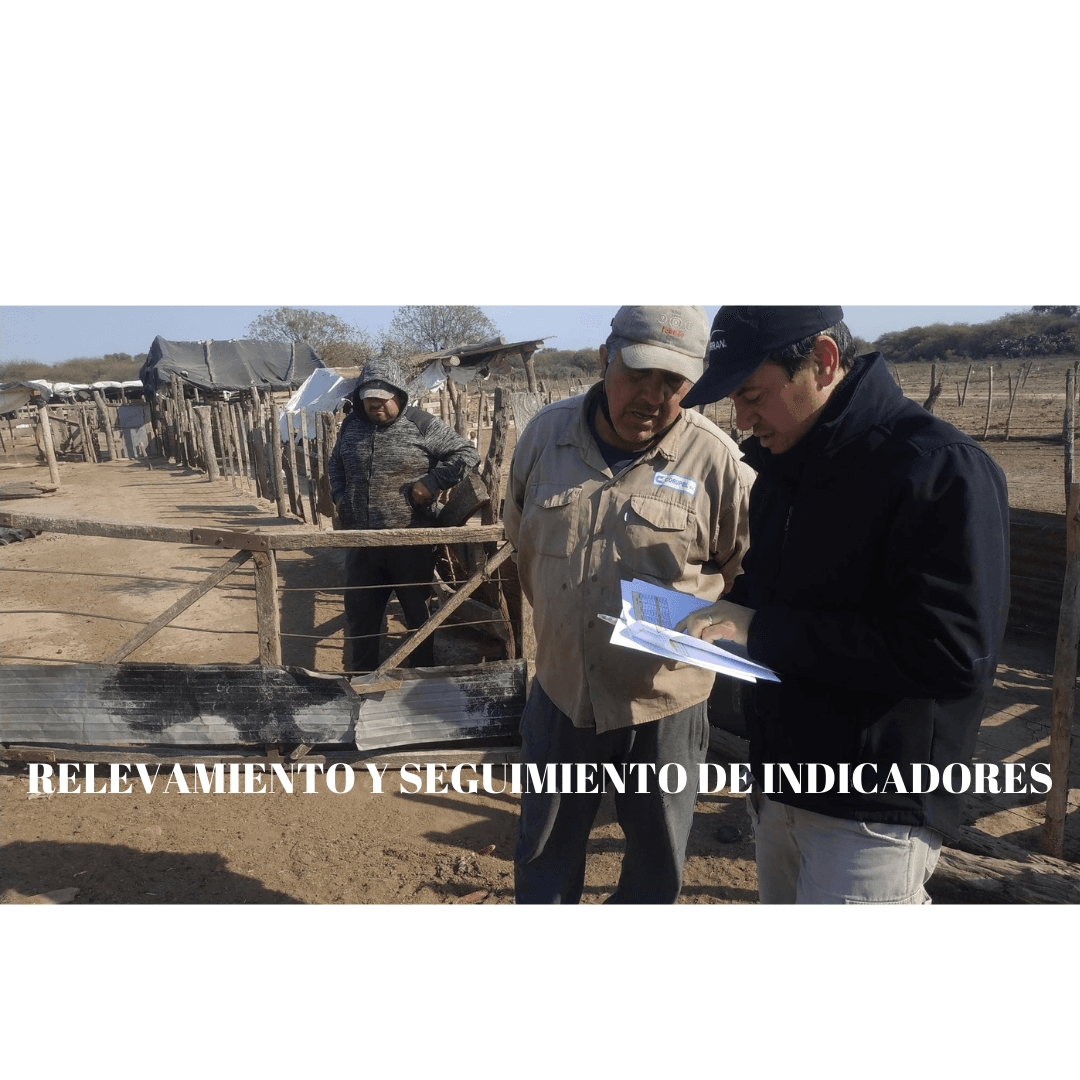
The project updated the characterization of family cattle systems in the Chaco region of Argentina, Bolivia and Paraguay and of the technologies suited to each. It set up a network of 90 pilot sites: producers' farms that adopted improvements and will continue to serve as spaces for experimentation, demonstration and training. A total of 2,532 producers, 851 of them women, took part in 124 group training sessions, and 152 public-sector technical staff were trained. In a sample of 139 producers, the weaning rate (calves weaned per 100 cows) rose on average from 55.2% to 61.9%, a 12% increase despite the 2022 and 2023 drought, and calf meat production is estimated to have grown by around 10%. An online course and a herd management app remain available to reach more producers and technicians.
Relevant data








Argentina
Bolivia

Bolivia
Paraguay

Argentina


The Tangible Impact of Science and Technology in the Field

 Impact
 Initiatives
 Dashboard
 Alliances
 Impact
 Initiatives
 Dashboard
 Alliances