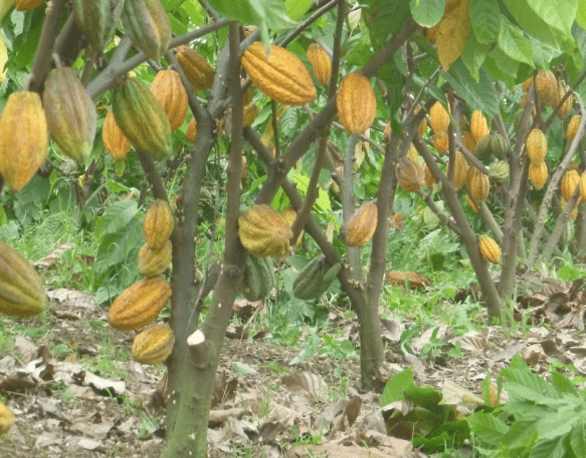
The empowerment of the Latin American market for domestic fine aroma cocoa has been limited by high cadmium (Cd) content in cocoa beans. This project proposes an innovative, efficient, and climate-smart bioprocess to reduce Cd bioaccumulation, utilizing mycorrhizal symbiosis and saprobic fungi, accompanied by a protocol for application in the field through an innovative scaling procedure that proposes scaling from TRL 4 to TRL 6. All this will be carried out through Technical Cooperation between scientists, farmers, entrepreneurs, and the government, which will impact a total of 3,150 direct beneficiaries, 3,000 indirect beneficiaries involved in the cocoa value chain, thesis students, entrepreneurs, and scientific publications.
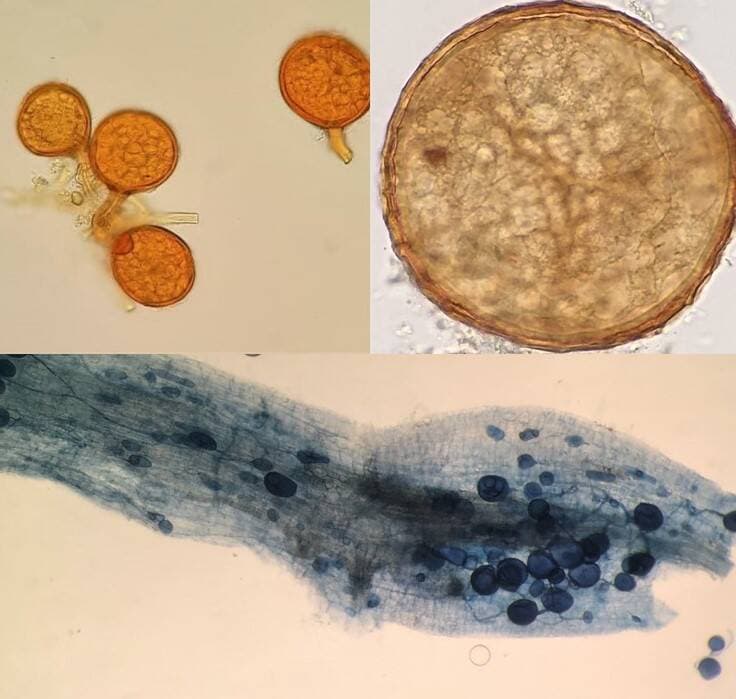
This project aims to reduce cadmium concentrations in cocoa beans to values below 0.8 mg/kg dry weight through microbiota management and validation at different TRL levels up to field application. Saprobic and mycorrhizal fungi will be isolated that reduce cadmium bioavailability to the cocoa plant through fungal strategies such as exclusion, translocation, and solubilization. This bioprocess will be validated in bioreactors, adjusting physico-hydraulic-chemical-biological conditions to make it reproducible at TRL 6 and to develop a protocol for scaling to TRL 7 for field application. The technology will be implemented in Calceta (Ecuador) and the Paria Peninsula (Venezuela) and can be adapted to other regions with similar challenges. It will improve local living conditions, increase beneficiaries' income, and place special emphasis on promoting the involvement of women.
975 / 5.000
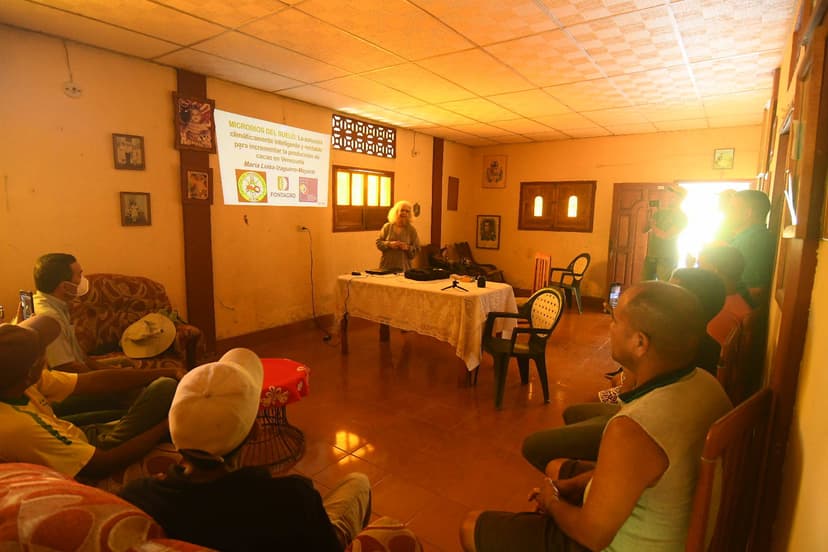
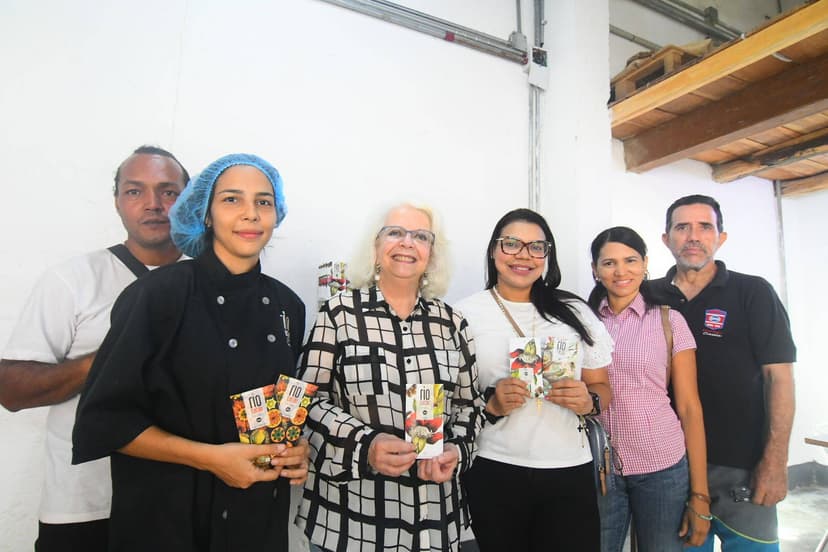
The projected figures for the technical indicators were exceeded in terms of beneficiaries, technological solutions, networks formed, scientific production, and theses involved. The project's impact was greater at the scientific, environmental, social-educational, and gender levels than at the socioeconomic levels. The results are detailed in the indicator format: Publications: 10 articles in scientific journals, 10 book chapters, 21 conference presentations. 931 people trained, of whom 205 are women. Total beneficiaries: 3,452 people, of whom 1,646 are women.
Theses: 1 doctoral thesis defended, 2 doctoral theses in progress, 1 undergraduate thesis defended, 4 undergraduate theses in progress. 3 technological solutions and innovations linked to arbuscular fungi: mycorrhizal symbiosis with different behavior: flower-excluding, phytostabilizing, cadmium hyperaccumulating; linked to saprobic fungi; and linked to scaling and conservation of conditions.
Bioprocess reducing the solubility of rhizospheric cadmiun





 Agronomic Practices





.JPG&w=828&q=75)





 Impact
 Initiatives
 Dashboard
 Alliances
 Impact
 Initiatives
 Dashboard
 Alliances


.JPG&w=828&q=75)







.png&w=750&q=75)