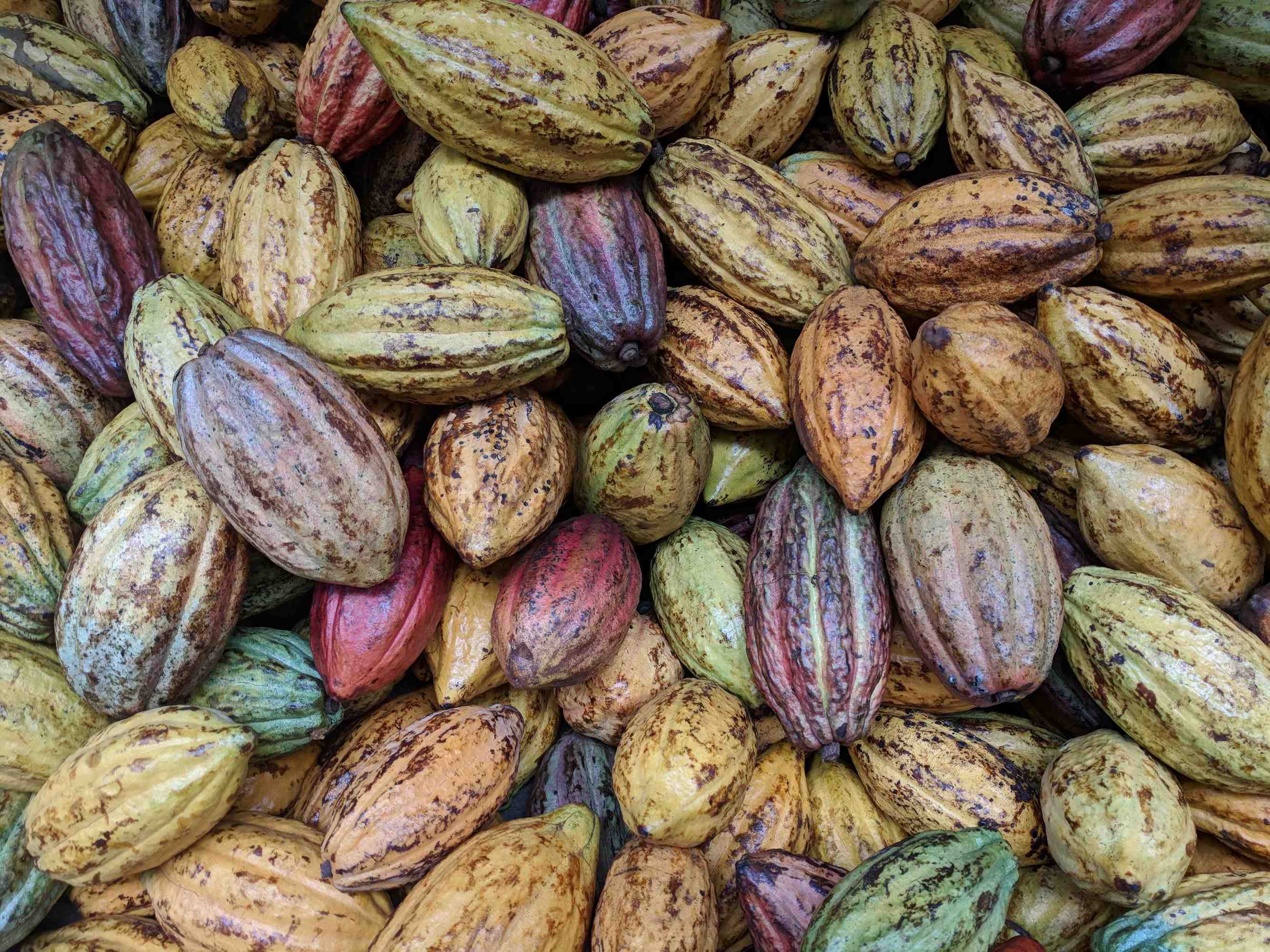
A territorial valorization strategy is proposed for technical study and capacity building focusing on the differentiation of fine and aromatic cocoa of Mesoamerican origin through the promotion of Geographical Indications (GIs).

Geographical Indications for Mesoamerican Cocoa
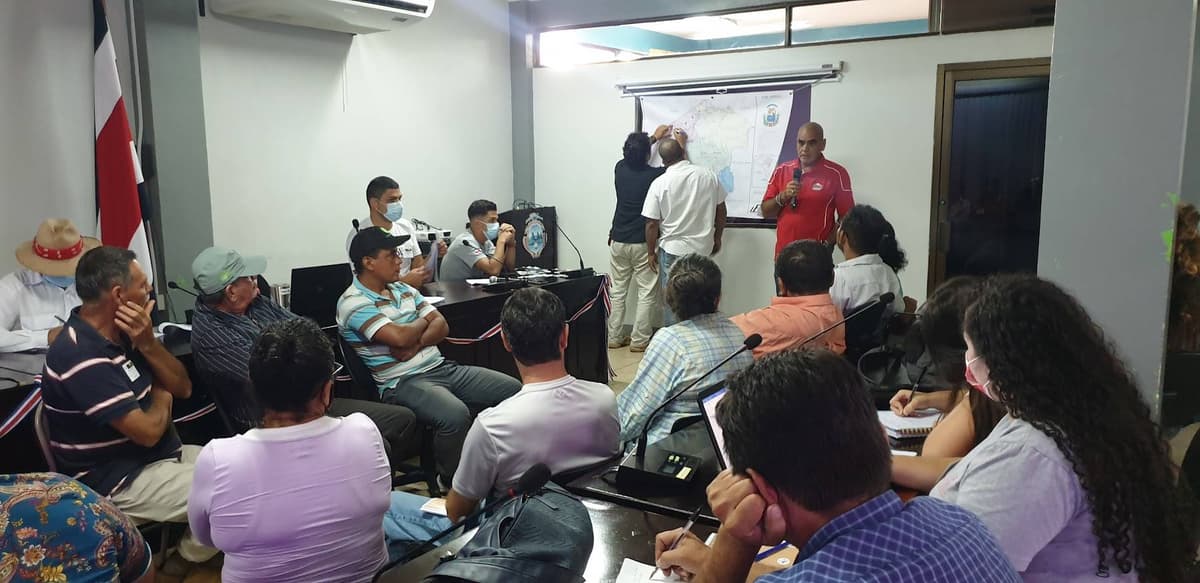
The project energizes territories and promotes cacaos from regions of prestige through multidisciplinary studies that protect biocultural heritage and drive innovation. Mesoamerican in scope, its technical execution is most advanced in Costa Rica and Honduras, where producer organizations and value-chain stakeholders are being brought together. In collaboration with international academic partners, the solution integrates genomic diversity through whole-genome sequencing, the chemometric analysis of volatile compounds, and a region-by-region sensory profile. These studies, still ongoing, show that tangible dimensions alone are not enough to differentiate origin: quality is also built from cultural and social factors, and post-harvest practices are part of the terroir. The project therefore incorporates intangible dimensions into the technical case for Geographical Indications (GIs), supports the formation of Regulatory Councils, and articulates a cooperation platform informed by models that link quality designations with territorial tourism.
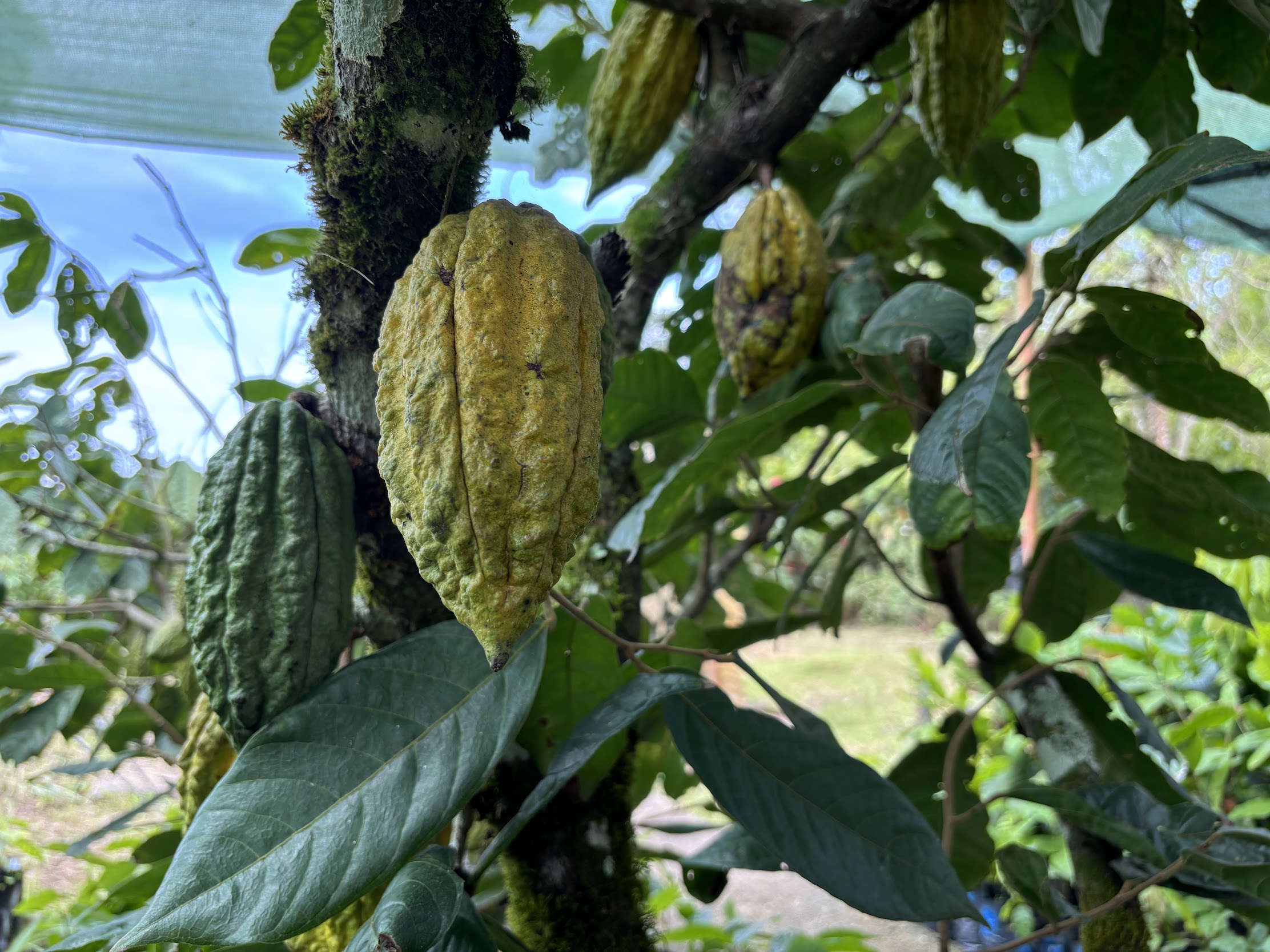
"Cacao systems managed by farmers in Central America preserve a distinctive genetic diversity that, until now, has not been properly characterized in global reference collections."— Herrighty et al., Genomic sampling and population structure of farmer-maintained varieties reveal previously uncharacterized diversity of Theobroma cacao L. in Costa Rica. bioRxiv (2026)
 Capacity BuildingStrategicTechnological-Organizational-Institutional
Against a backdrop in which Mesoamerica's fine and aroma cacaos remained undervalued and lacked mechanisms for differentiation, the project has generated the first technical evidence linking quality to territory: a study of the regional legal framework for Geographical Indications, maps delimiting the regions of prestige, and advances in the genomic, sensory, and chemometric characterization of cacao. The genomic characterization documented a distinctive local diversity, not represented in global collections, and confirmed the persistence of ancestral Criollo germplasm maintained by farmers. In addition, quality of origin is being reconceptualized as a technical, cultural, and social construct, while organizational capacities and stakeholder networks are being strengthened toward the future formation of Regulatory Councils. In this way, communities are beginning to recognize and value the uniqueness of their cacao.








Honduras

Nicaragua

Costa Rica
Panamá

España

The Tangible Impact of Science and Technology in the Field

 Impact
 Initiatives
 Dashboard
 Alliances
 Impact
 Initiatives
 Dashboard
 Alliances



.jpg&w=1200&q=75)