 Impact
 Initiatives
 Dashboard
 Alliances

 Impact
 Initiatives
 Dashboard
 Alliances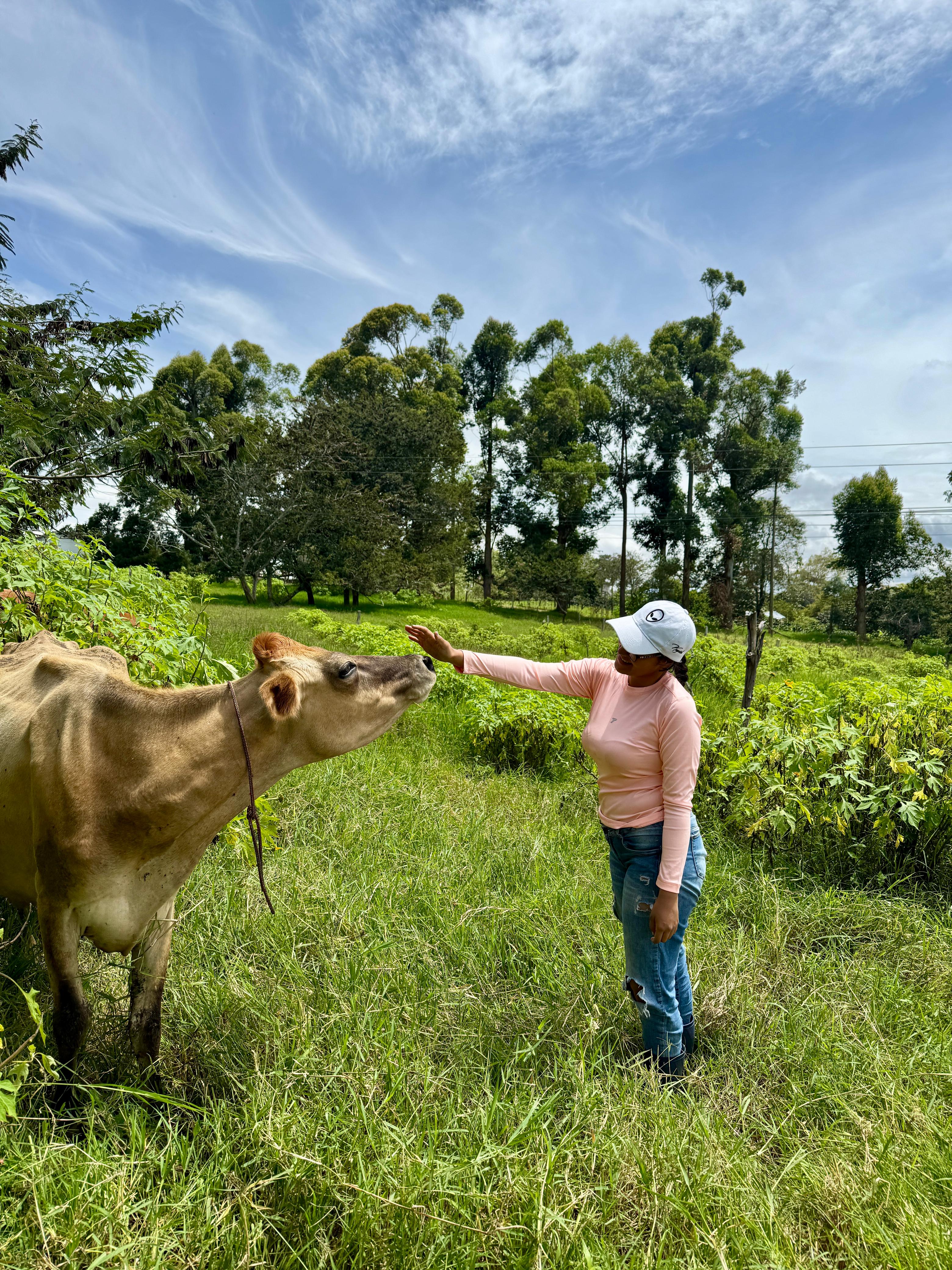

 Technological
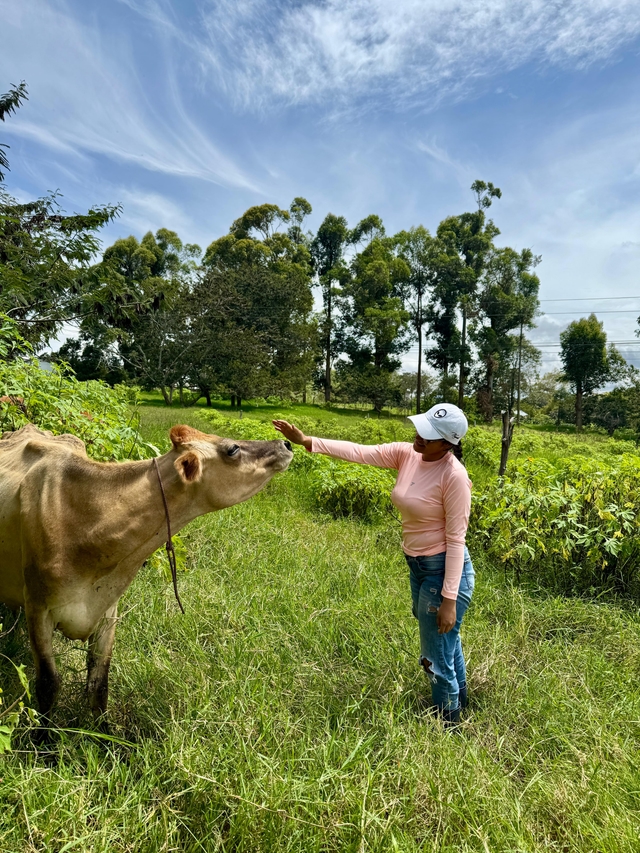
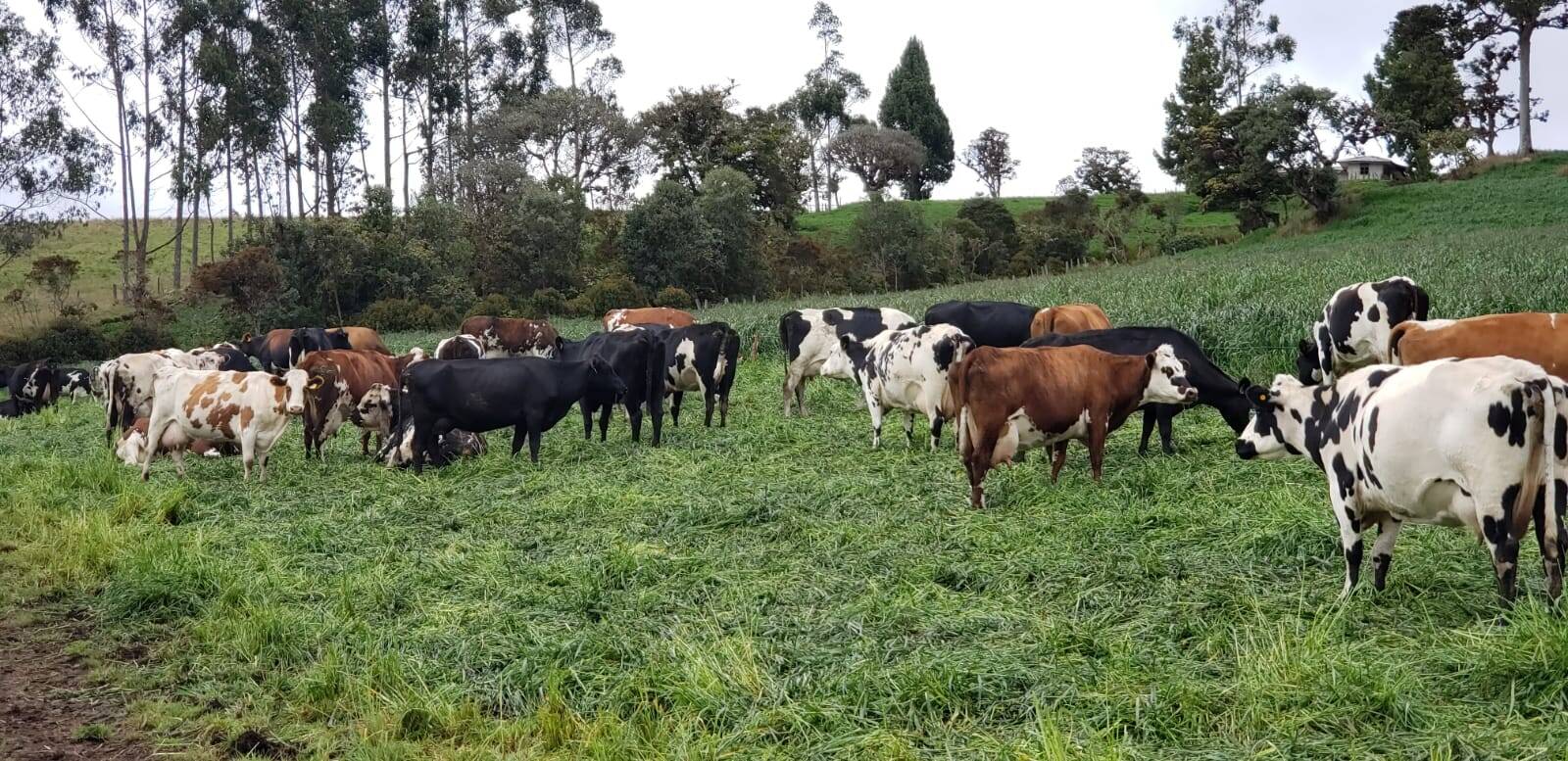
In Popayán, Cauca, Colombia, the implementation of silvopastoral systems continues to consolidate as one of the main strategies for moving toward more efficient livestock production that is resilient to climate change. In this context, the project Sustainable Tropical Dairy Systems, funded by FONTAGRO, promoted the development of a research study at the farm of the Centro Agropecuario of SENA Regional Cauca, located in the Popayán peneplain, with the aim of evaluating forage alternatives capable of improving the productivity and sustainability of dairy systems in the region.
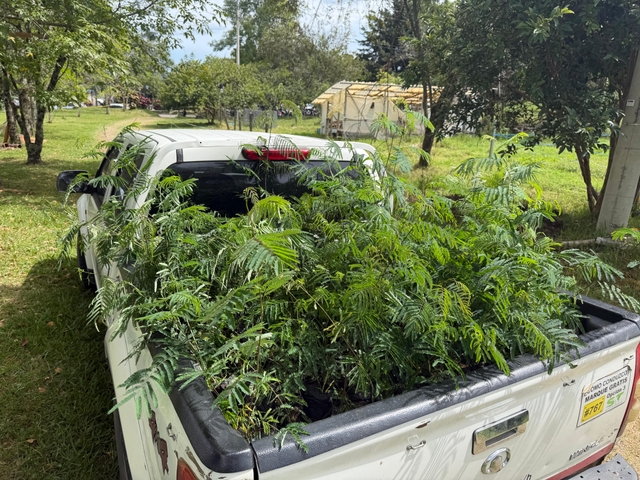
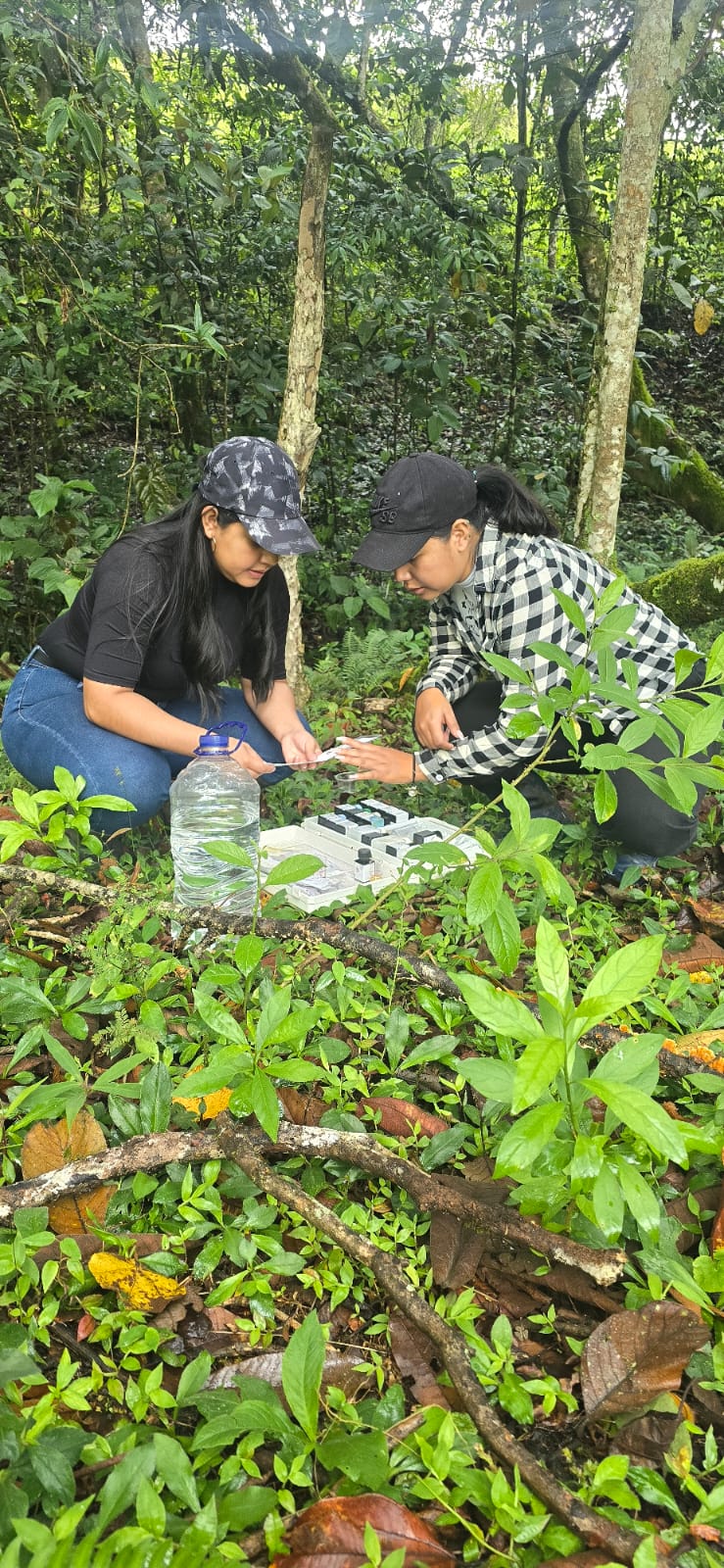
The study was carried out by Agricultural Engineering students from the University of Cauca, Cristian Camilo Jojoa Benítez and Xiomara Delgado Muñoz, under the supervision of professors Nelson José Vivas Quila and Víctor Andrés Burbano Muñoz. The research evaluated the effect of the association between star grass (Cynodon nlemfuensis) and different inclusion levels of Tithonia diversifolia —commonly known as Mexican sunflower or “botón de oro”— on milk production and nutritional quality.
To this end, three treatments were compared: a conventional system based solely on Cynodon nlemfuensis (T0), a system with 15% inclusion of Tithonia diversifolia (T1), and another with 30% inclusion of the shrub species (T2). During the process, agronomic, nutritional, productive, and economic variables were evaluated, including forage production, animal intake, milk production, milk quality, carrying capacity, and cost-benefit ratio.
The results showed that the incorporation of Tithonia diversifolia increased forage availability in the system. The treatment with 30% inclusion reached a production of 13.3 tons of green forage per hectare, while the conventional system recorded 12.9 tons per hectare. Likewise, the treatment with 15% Mexican sunflower showed the highest dry matter production, with 2.9 t/ha, evidencing a better feed supply for cattle.
The nutritional analysis also confirmed the advantages of Mexican sunflower as a forage resource. The species presented 18.55% crude protein, 66.68% dry matter digestibility, and 2.24 Mcal/kg of metabolizable energy, values higher than those recorded for Cynodon nlemfuensis. This demonstrates its potential to improve the diet quality of grazing dairy cows.
In productive terms, although no statistically significant differences were found in individual milk production, the silvopastoral systems increased productivity per unit of land area. The treatment with 15% Tithonia diversifolia reached a production of 42 kg of milk per hectare per day, exceeding the conventional system, which recorded 38 kg/ha/day. In addition, this treatment showed the highest voluntary forage intake and the best carrying capacity, with 3.1 large livestock units (LLU), higher than the conventional system, which reached 2.7 LLU.
Another relevant aspect was the quality of the milk obtained. The milk produced under these systems presented excellent fat levels and favorable characteristics for industrial processing, thanks to its solids composition and technological suitability for the production of dairy derivatives.
From an economic perspective, the research found that the inclusion of 15% Mexican sunflower generated the best financial results. This treatment achieved a gross profit of COP $23,688,500 per lactation, surpassing both the conventional system and the traditional management of the production unit. These results show that the integration of forage shrubs not only improves the productive performance of the system but also increases the profitability of livestock activity.
The research concludes that the association of Cynodon nlemfuensis with Tithonia diversifolia, especially at levels close to 15%, constitutes a technical, productive, and economically viable alternative for livestock systems in Cauca. In addition to strengthening forage production and optimizing carrying capacity, these systems contribute to reducing dependence on external inputs and promote the development of more sustainable livestock production adapted to current environmental challenges.
The experience developed at the Centro Agropecuario of SENA demonstrates how collaboration among FONTAGRO, the University of Cauca, and agricultural training institutions generates scientific knowledge that can be applied in the territory, promoting innovations that strengthen the competitiveness and sustainability of Colombian tropical livestock production.