 Impact
 Initiatives
 Dashboard
 Alliances

 Impact
 Initiatives
 Dashboard
 Alliances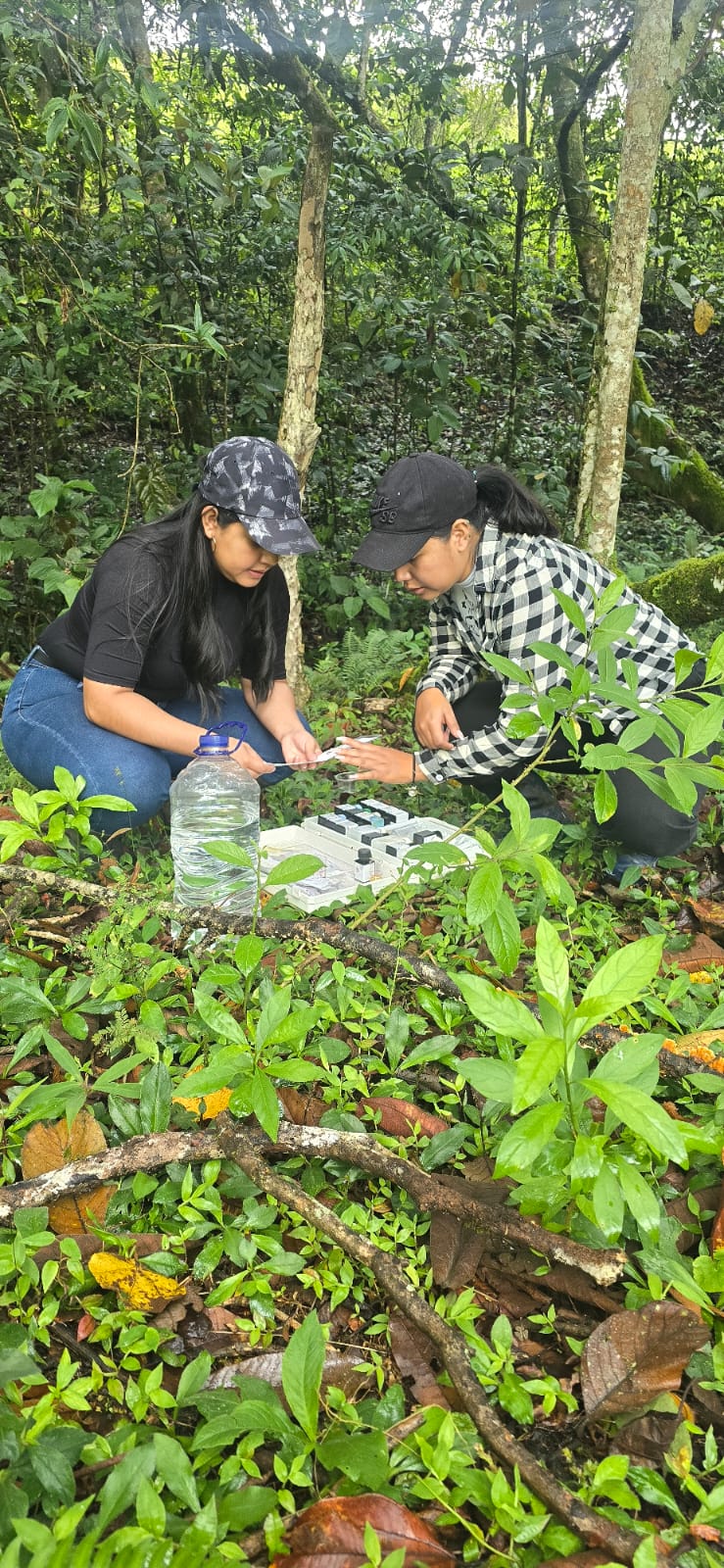

 Technological
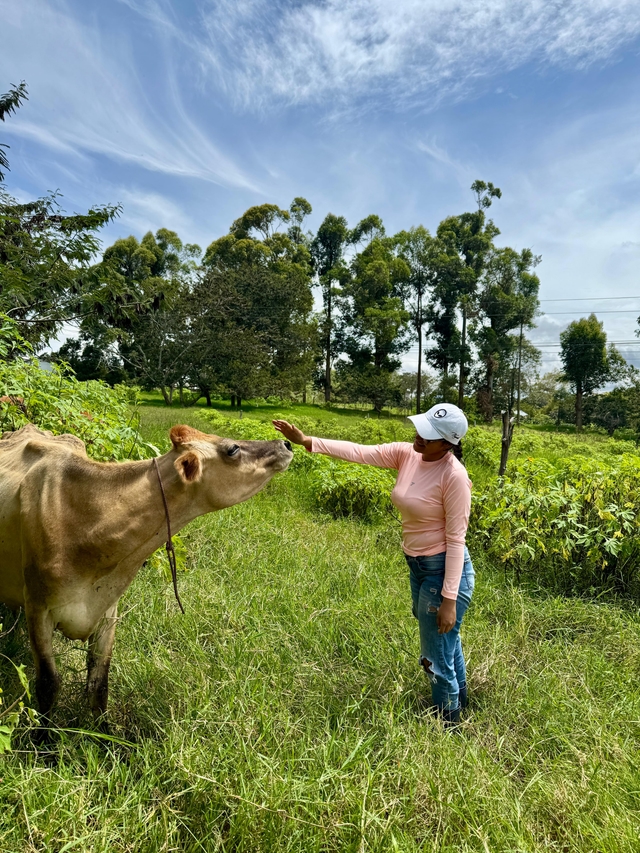
Within the framework of the FONTAGRO project, La Fe Farm is consolidated as a model of applied research in sustainable livestock farming, promoting the integration between dairy production and ecosystem services. This process involved students from the University of Cauca in the technical evaluation of the production system, strengthening the training of new researchers in the territory.
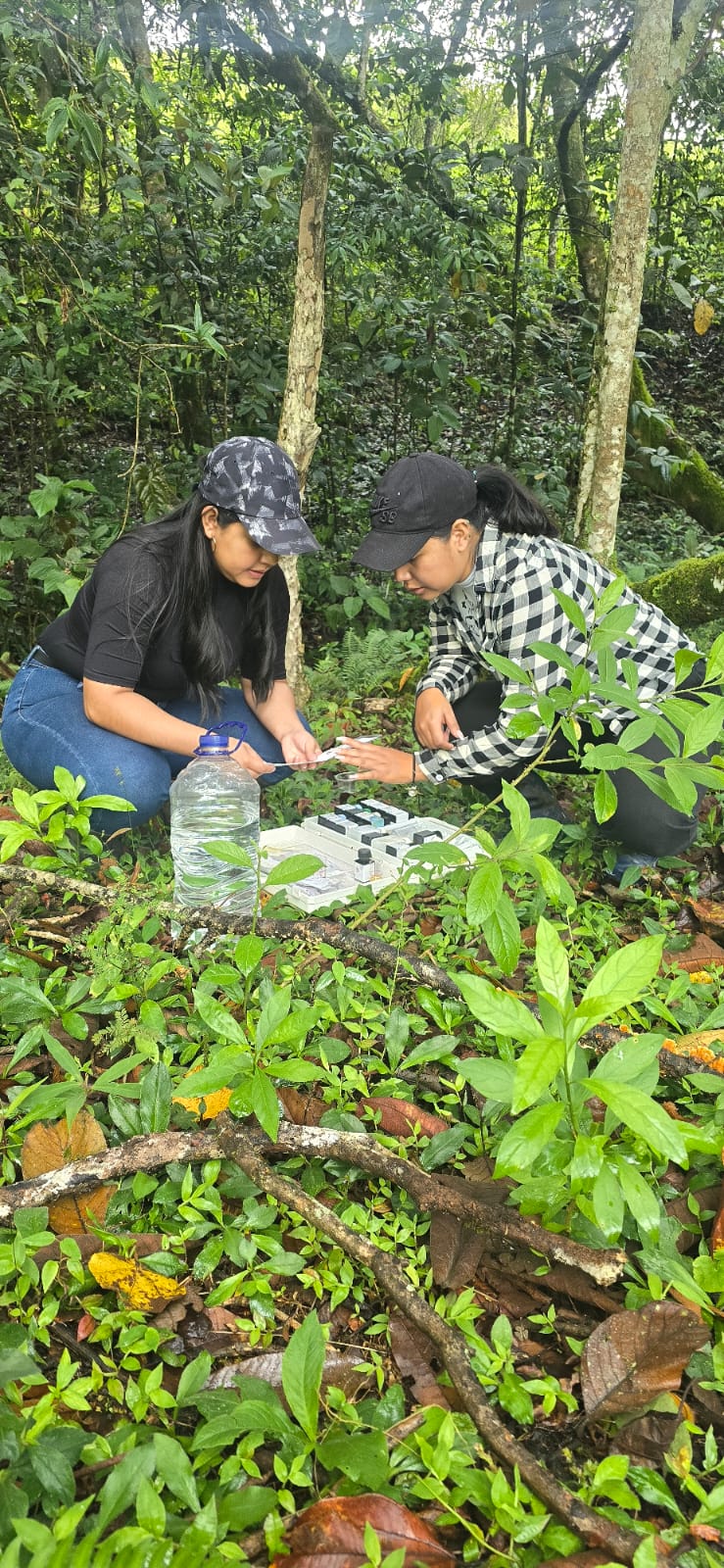
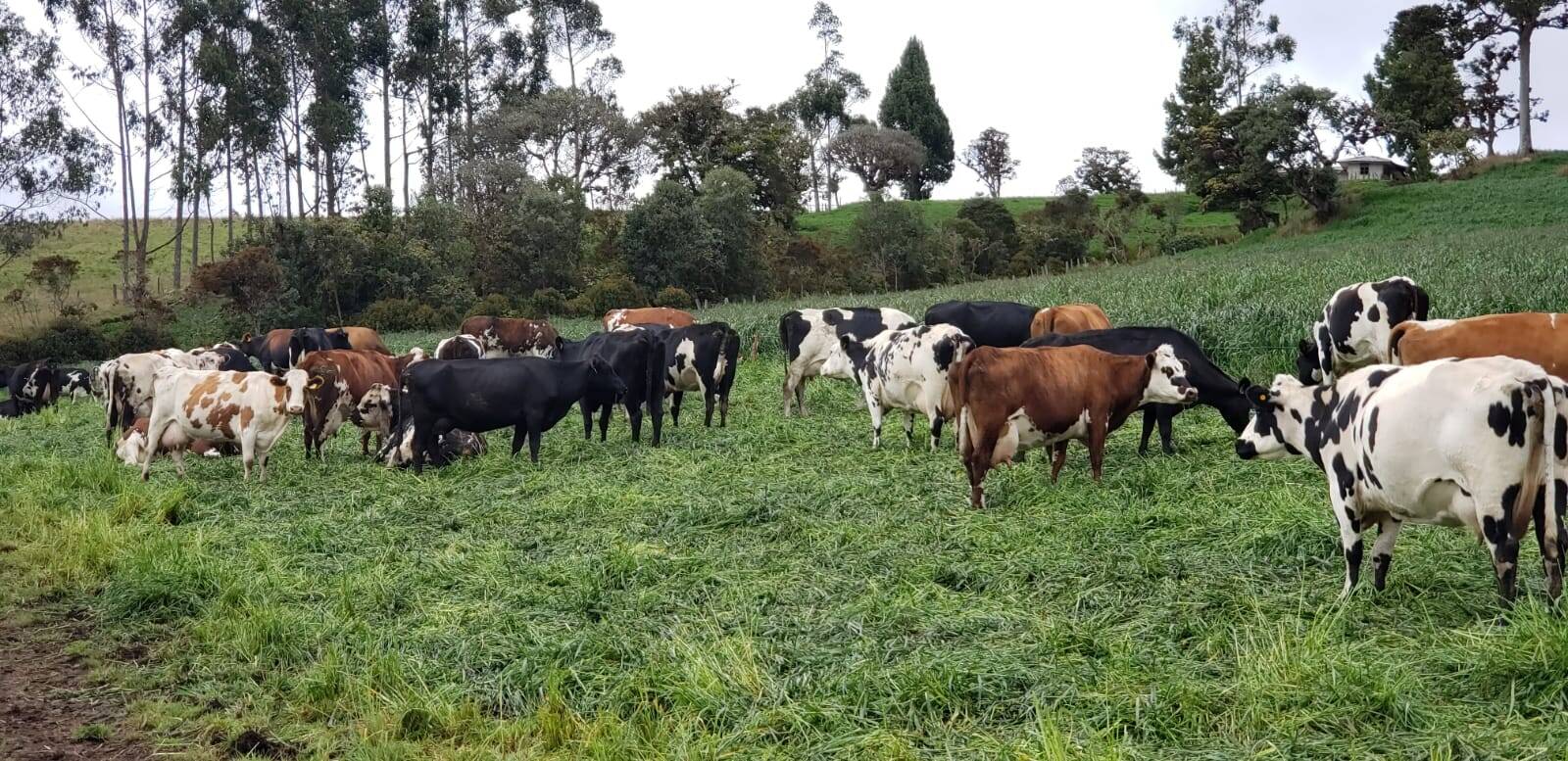
The undergraduate thesis developed by Yakeline Burbano Narváez and Natalia Vidal Bonilla, under the direction of researcher Sandra Morales Velasco, made it possible to identify and assess the environmental services generated in this livestock system. The farm, with an area of 13 hectares, has 22 animals, an average production of 12 liters per animal, and a total daily production of 120 liters of milk, with a carrying capacity of 2.24 UGG/ha, showing a balance between productivity and sustainability.
The results highlight a high forage supply of 53,652 kg/ha/year and significant plant diversity, with 33 tree species and a Shannon index of 2.93, reflecting an ecologically stable system. In addition, 2.2 hectares of forest were identified for conservation, which are essential for water regulation and biodiversity protection.
In environmental terms, the system shows a high capacity for climate change mitigation, with an estimated carbon storage of 1,857.63 tons in 8.05 hectares. The soils managed with organic fertilization recorded high levels of organic matter, favoring fertility, water retention, and system resilience. In addition, the water sources showed adequate quality conditions, associated with protection provided by vegetation cover.
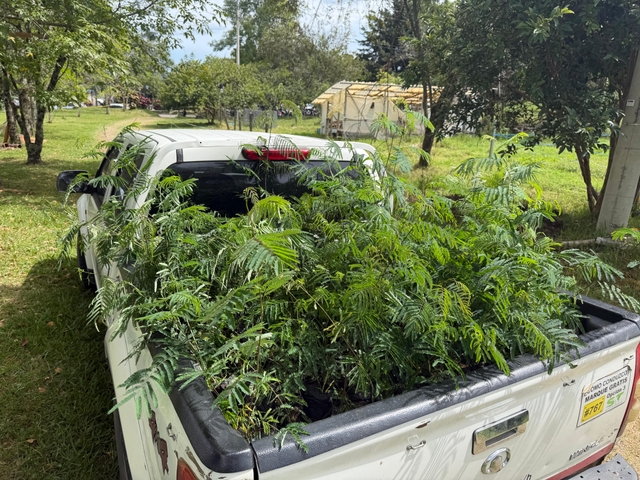
As part of the recommendations, strategies such as the implementation of silvopastoral systems, rotational grazing management, and the strengthening of tree cover are proposed, aimed at improving productivity and ecosystem services.
This experience demonstrates the contribution of the FONTAGRO project to the generation of sustainable livestock farming models, showing that it is possible to produce milk efficiently while conserving natural resources and strengthening resilience to climate change in Cauca.