 Impact
 Initiatives
 Dashboard
 Alliances


 Impact
 Initiatives
 Dashboard
 Alliances

 Technological
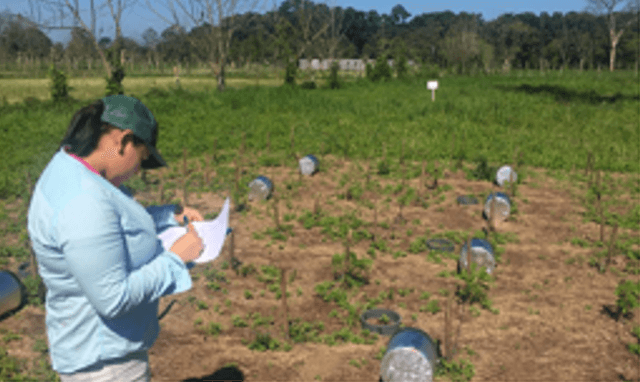
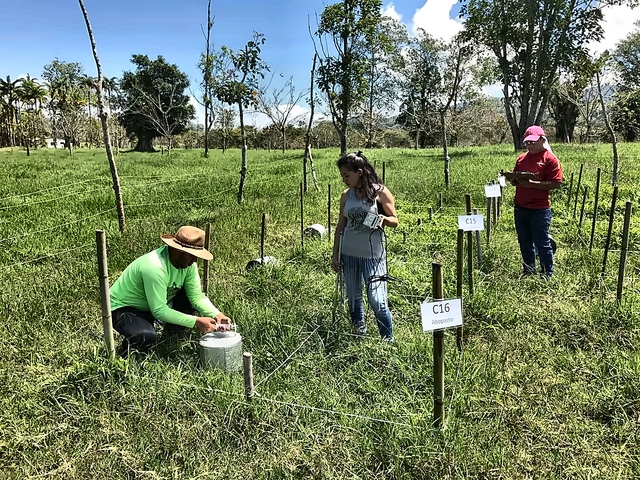
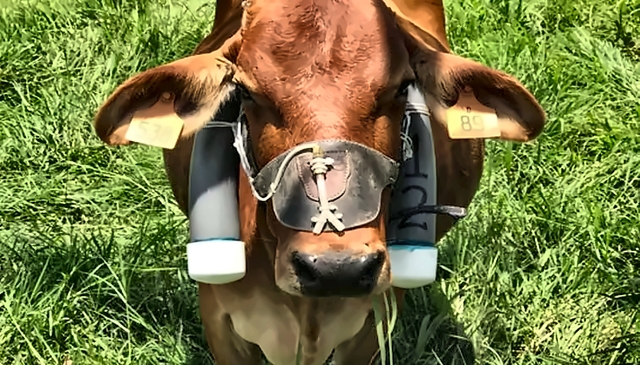
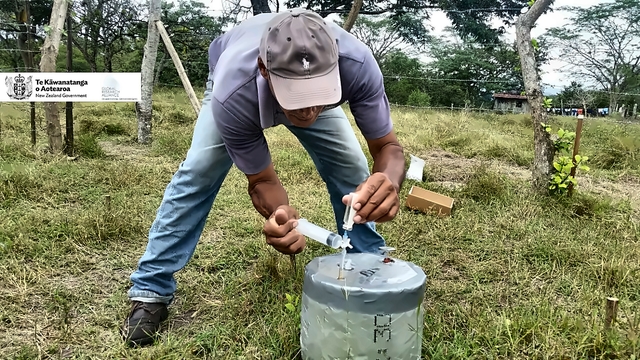
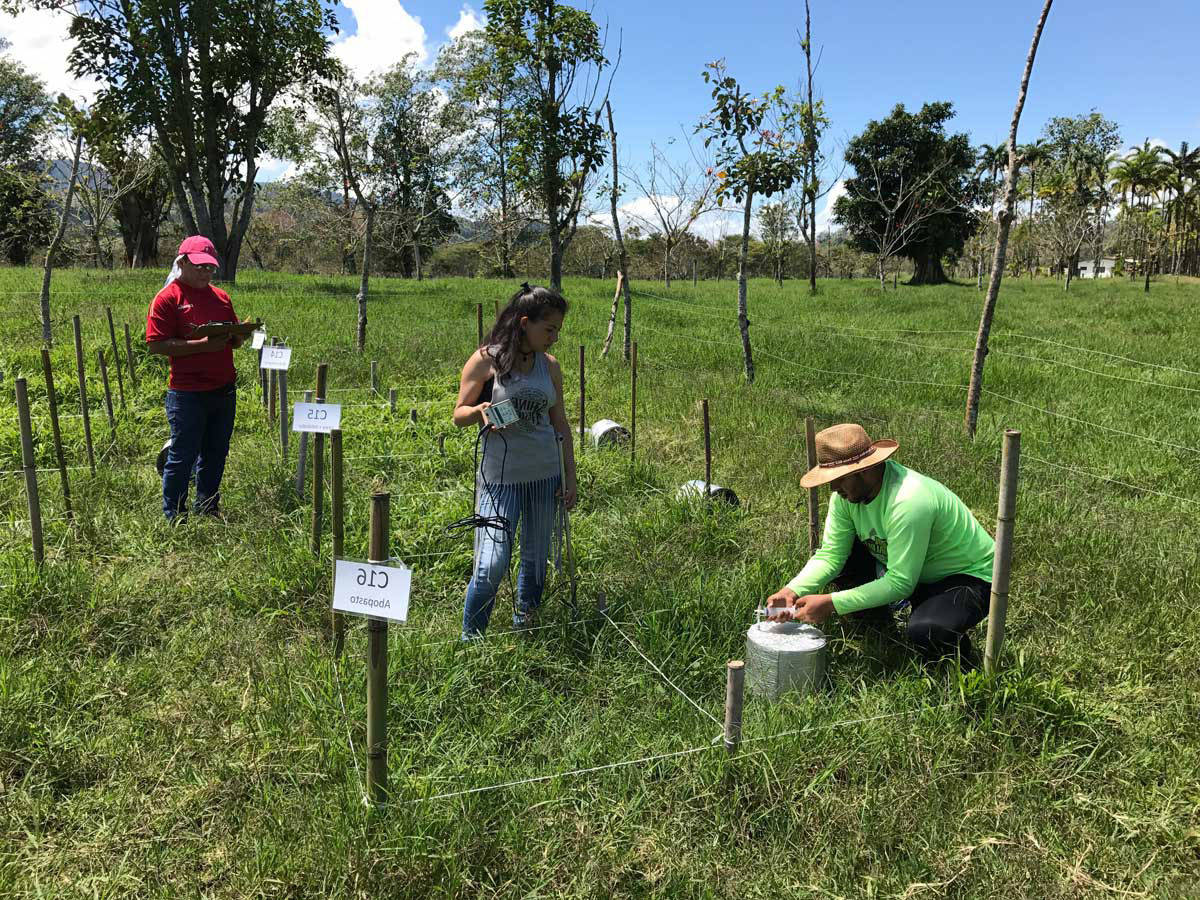
In its first phase, the project compared four emissions calculation tools: Cool Farm Tool, FAO’s EX-ACT, the INTA tool and the CATIE-GEI tool. It chose one that uses national or regional emission factors (IPCC Tier 2), which are more accurate for Central American conditions. With it, the team analyzed a baseline of some 400 dual-purpose farms, classified by their level of intensification: use of fodder banks, improved pastures, stocking rate and milk yield per cow. Enteric fermentation proved to be the main source of emissions; in Esparza, Costa Rica, it accounts for 81% of the total.
The results show a clear trend: the greater the intensification, the lower the emissions per kilo of milk.
- In Costa Rica, highly intensified farms emit 1.5 kg of CO₂ equivalent per kilo of milk, compared with 2.91 on low-intensity farms.
- In Nicaragua, they emit 4.3 versus 7.4.
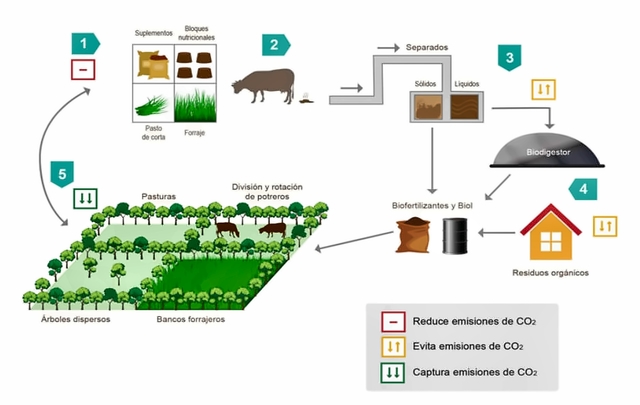
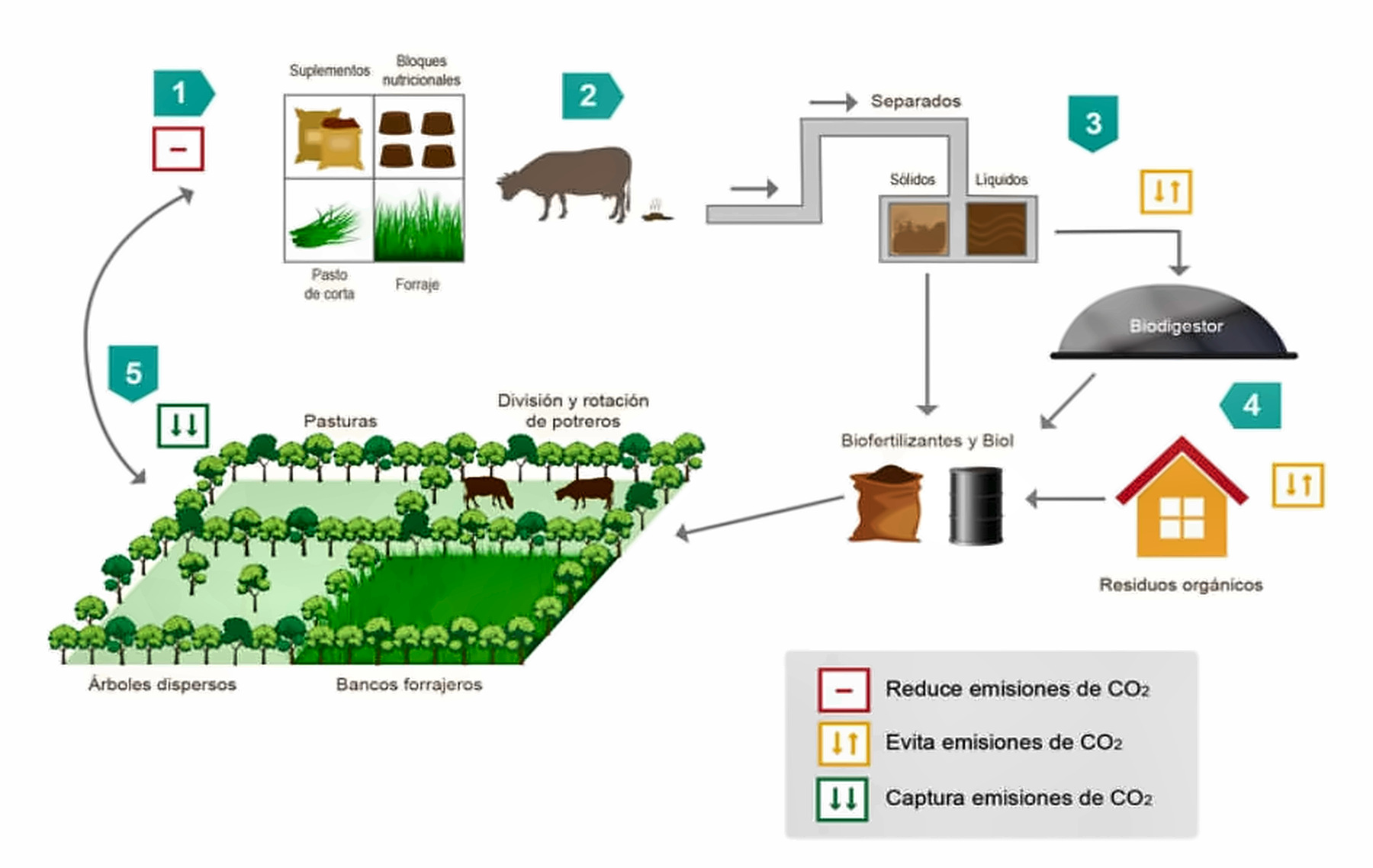
In addition, 88% of farmers do not manage manure in any way, which opens an opportunity to use it for biogas or biofertilizers. The project also set up socioeconomic monitoring to link emissions with farm profitability.
📄 Project presentation, 2017 Workshop (in Spanish) 📄 Final technical report (in Spanish) 🔗 Project page (in Spanish)