 Impact
 Initiatives
 Dashboard
 Alliances


 Impact
 Initiatives
 Dashboard
 Alliances

 Technological
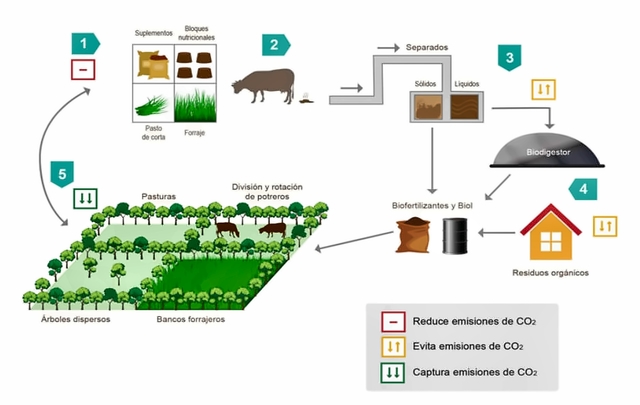
Livestock farming is one of Central America’s most important agricultural sectors. It accounts for about 20% of regional agricultural GDP and 1.3% of total GDP, but it also generates around 60% of the agricultural sector’s greenhouse gas emissions. To address this challenge, the project “Developing competitive livestock production systems with low greenhouse gas emissions in Central America” got under way. It is funded by the Government of New Zealand, as part of its contribution to the Global Research Alliance on Agricultural Greenhouse Gases (GRA), and by FONTAGRO.
The initiative is executed by the Tropical Agricultural Research and Higher Education Center (CATIE), with INTA Costa Rica, Honduras’ Directorate of Agricultural Science and Technology (DICTA), the Nicaraguan Institute of Agricultural Technology (INTA) and the Agricultural Innovation Institute of Panama (IDIAP). The work will take place in dual-purpose livestock areas:
- Esparza (Costa Rica);
- Atlántida (Honduras);
- The Dairy Route of Matiguás and Muy Muy (Nicaragua);
- Azuero (Panama).
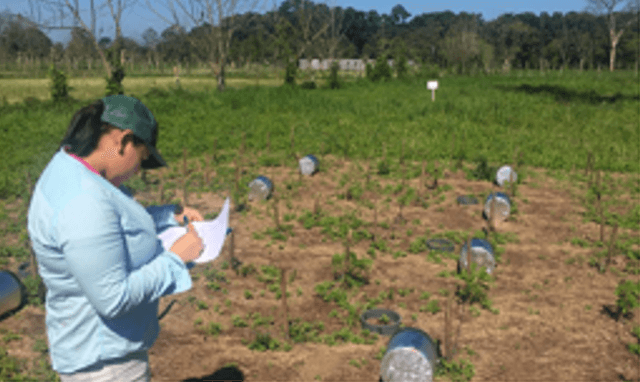
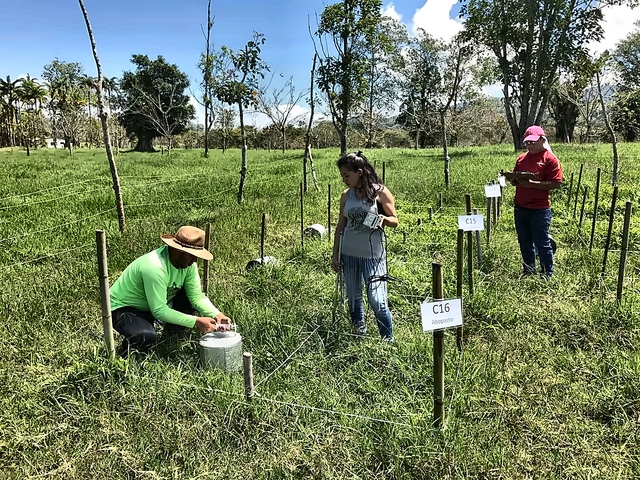
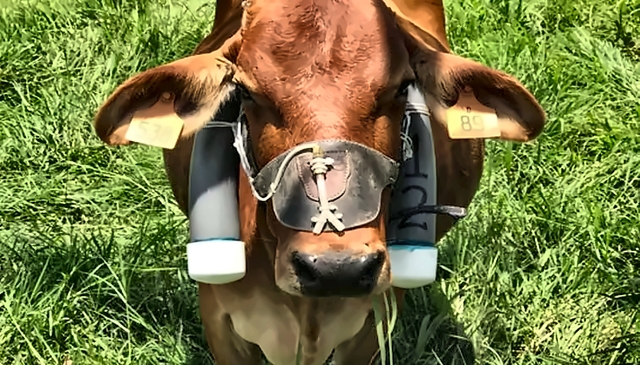
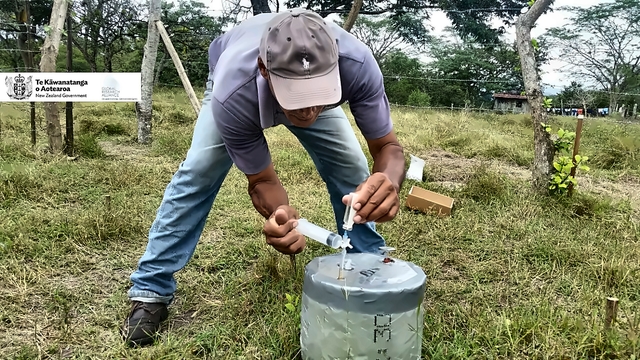
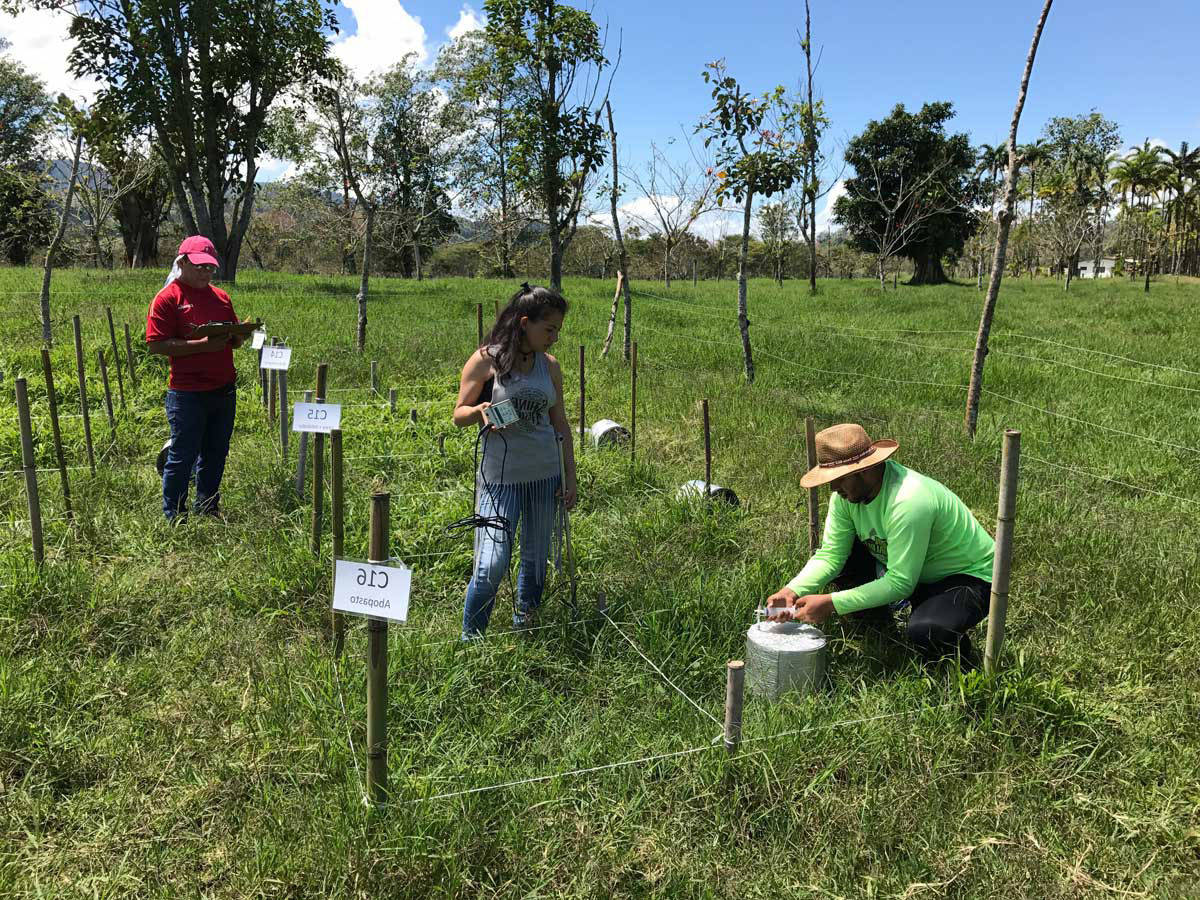
The aim is to develop and validate methodologies to quantify emissions and calculate economic indicators according to each farm’s management.