 Impact
 Initiatives
 Dashboard
 Alliances

 Impact
 Initiatives
 Dashboard
 Alliances
.jpeg&w=3840&q=100)

 Technological
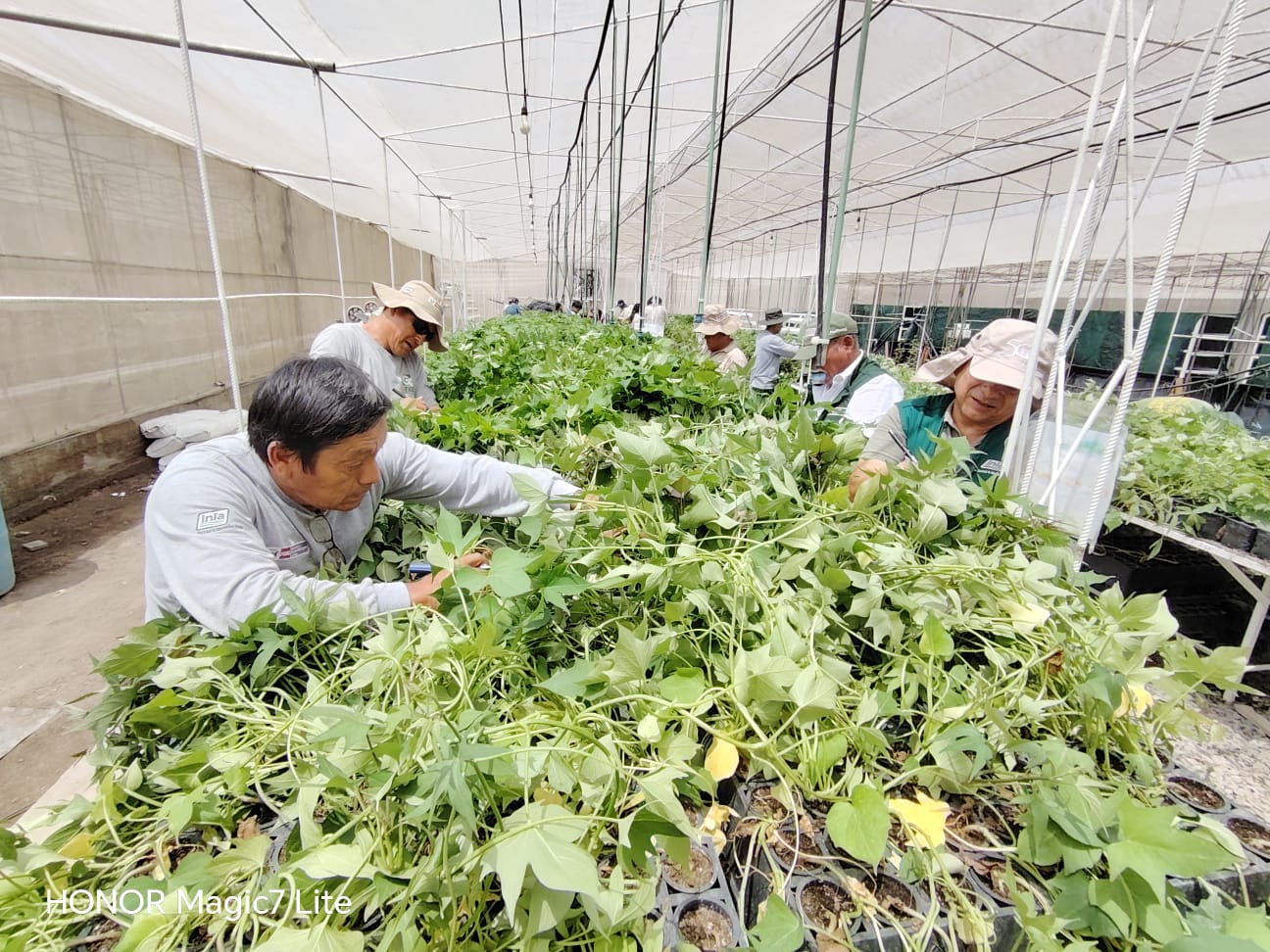
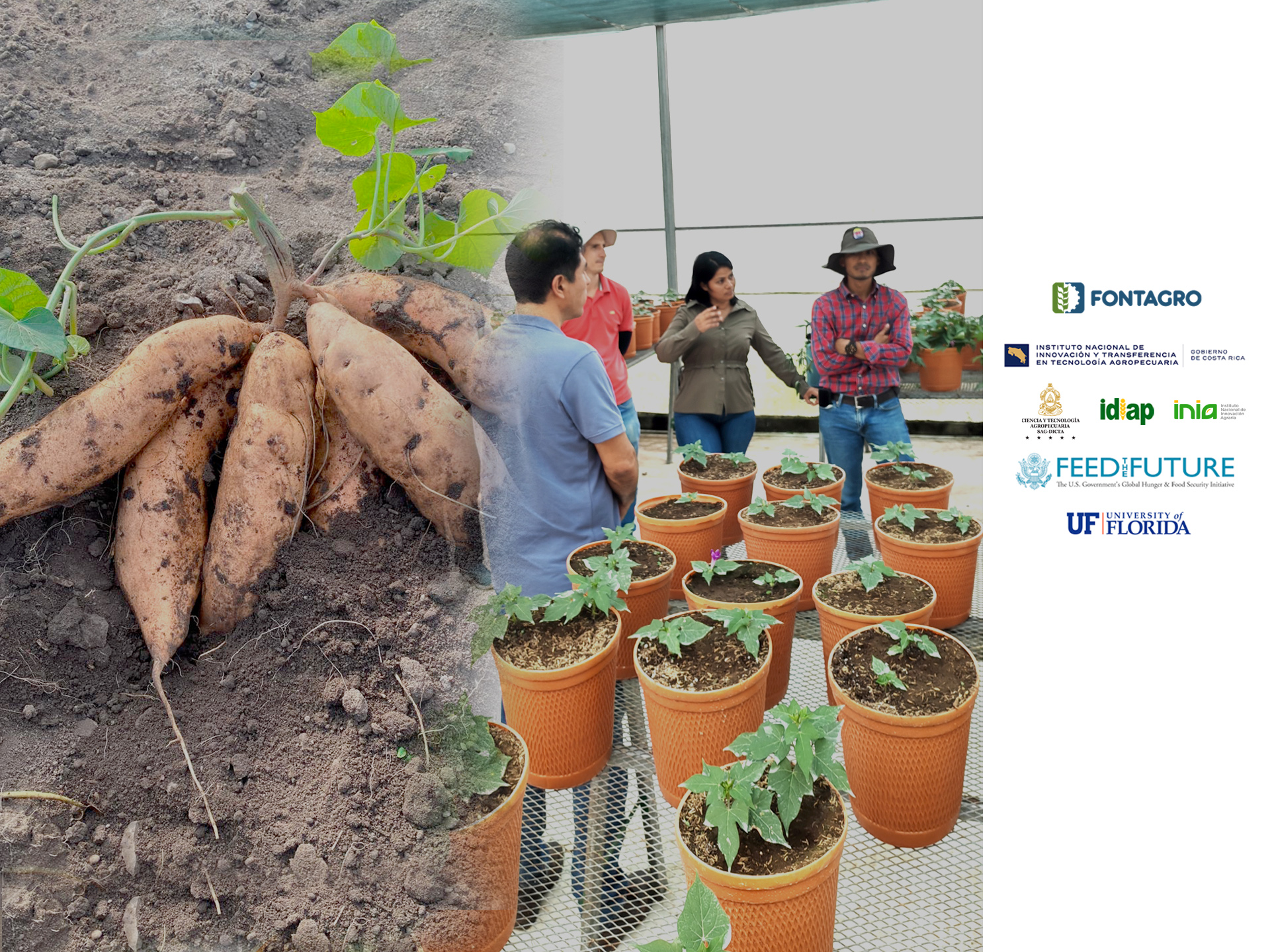
Members of the project team co-financed by FONTAGRO: Regional Genetic Improvement Network in Latin America and the Caribbean, met from November 24 to 28 at the Agricultural Research Center (CIA) Los Diamantes of the National Institute for Innovation and Agricultural Technology Transfer (INTA) in Costa Rica, to lead and conduct a theoretical-practical course titled “Controlled Hybridization of Sweet Potato, as a Basis for Genetic Improvement and the Development of New Varieties in LAC.”
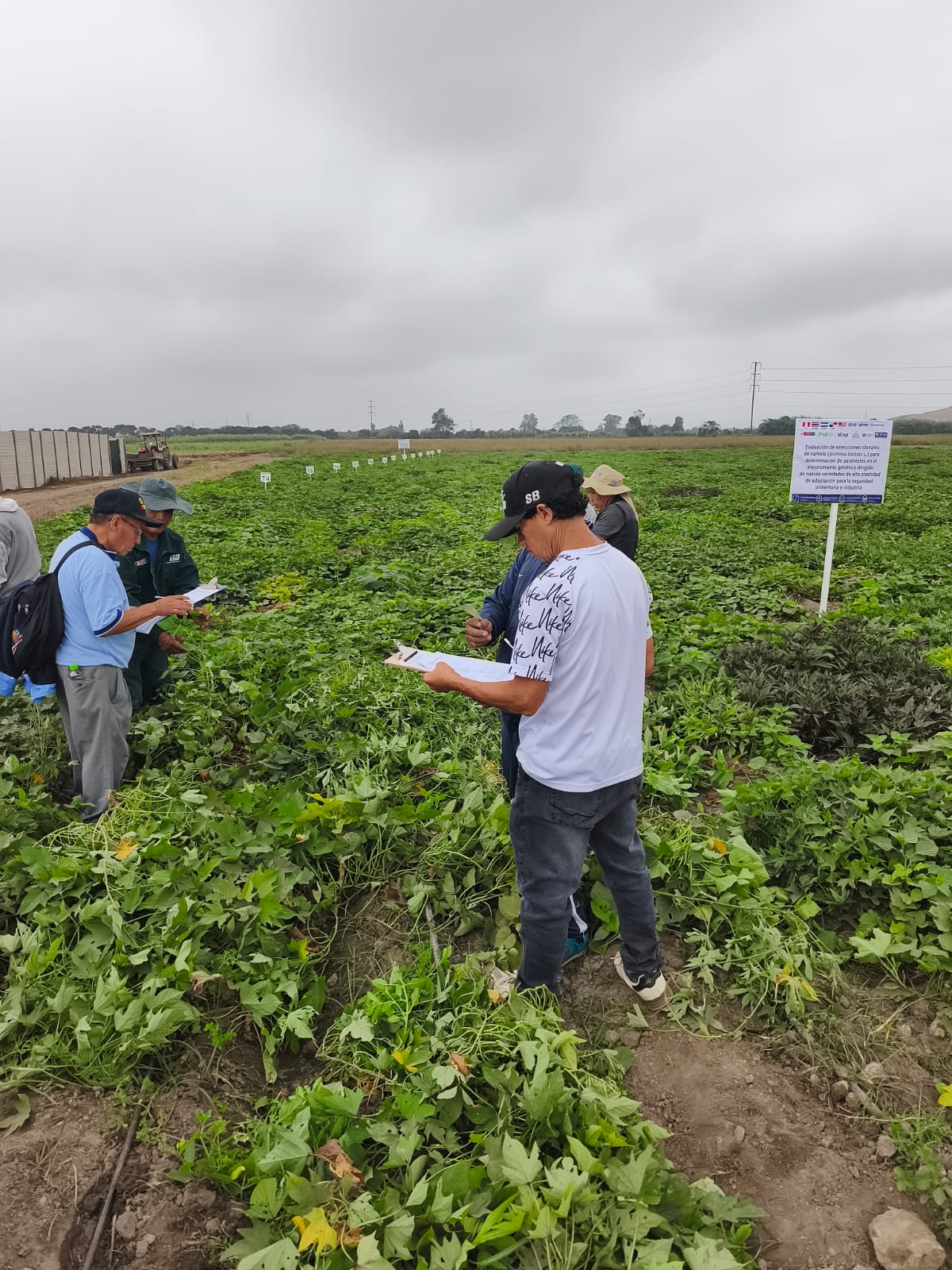
A total of 17 individuals benefited from this training, which is part of the knowledge management of the project executed by the National Institute for Innovation and Agricultural Technology Transfer (INTA) of Costa Rica, the Directorate of Agricultural Science and Technology (DICTA SAG) of Honduras, the Agricultural Innovation Institute (IDIAP) of Panama, and the National Institute of Agrarian Innovation (INIA) of Peru, in collaboration with the University of Florida in the United States. Representatives from these organizations participated in the event, along with educators and technicians from the National Autonomous University of Honduras (UNAH) - Atlántida Campus and the Private University Antenor Orrego (UPAO) in Peru.
During the training, given by Dr. Federico Díaz, an independent consultant and plant breeder, various activities were conducted, including:
- Scarification, germination, and establishment procedures for rootstocks used for the induction of flowering in parents.
- Analysis of the agronomic and environmental requirements necessary for the proper growth of rootstocks from planting until their optimal state for grafting.
- Grafting techniques of parents onto rootstocks, and management of the plants until the induction of flowering and during the crossing period.
- Emasculation procedures, considering floral morphology and the risks associated with inadequate practices in breeding plans.
- Conducting controlled crossings, encompassing techniques for optimizing pollen, pollination techniques, and identifying crossings.
- Integration of comprehensive management of the process, from rootstock development, grafting, and maintenance, to floral induction, emasculation, pollination, and production of botanical sexual seed according to the breeding plan and genetic improvement objectives.
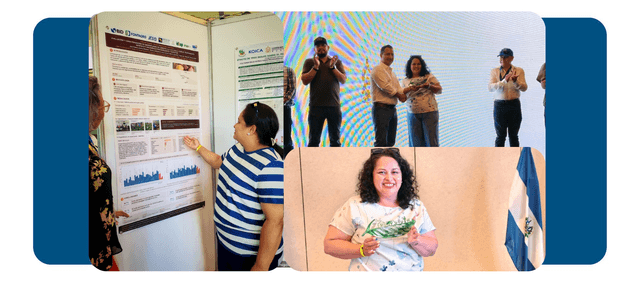
Dr. José Roberto Camacho, Vice President of FONTAGRO and Executive Director of INTA–Costa Rica, attended the event, highlighting the importance of the genetic improvement strategy for roots and tubers at CIA Los Diamantes as a contributor to promoting resilient agriculture in the country and region, as well as its support for genetic material for the Central American and Caribbean region.
This event strengthens the capacity for innovation in agriculture in the region through the training of professionals and collaboration among various institutions, enabling the exchange of experiences, techniques, and knowledge that contribute to improving productivity and sustainability in the agricultural sector. Additionally, it fosters the integration of research and development networks, promoting the creation of solutions tailored to local needs.
.jpeg&w=640&q=100)