 Impact
 Initiatives
 Dashboard
 Alliances

 Impact
 Initiatives
 Dashboard
 Alliances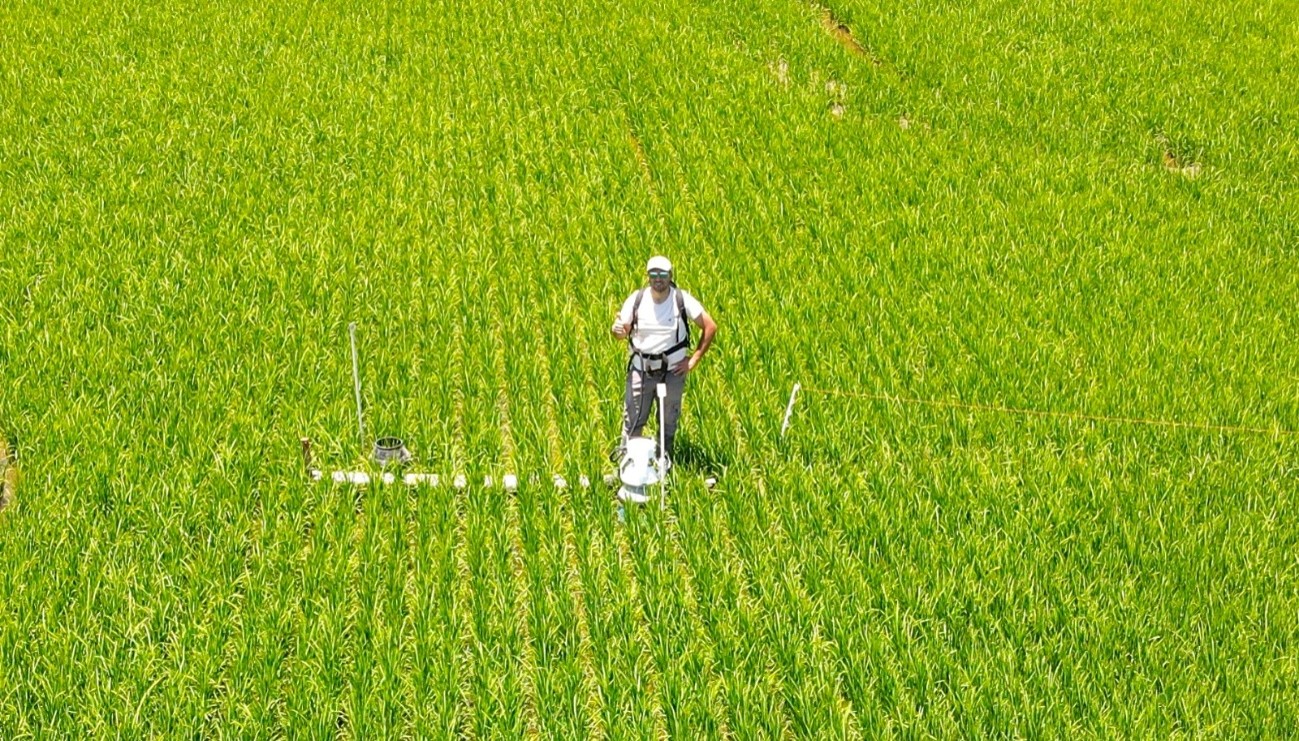

 Technological
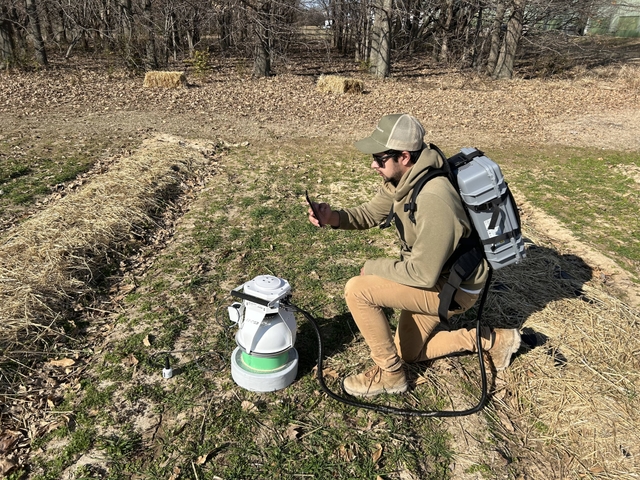
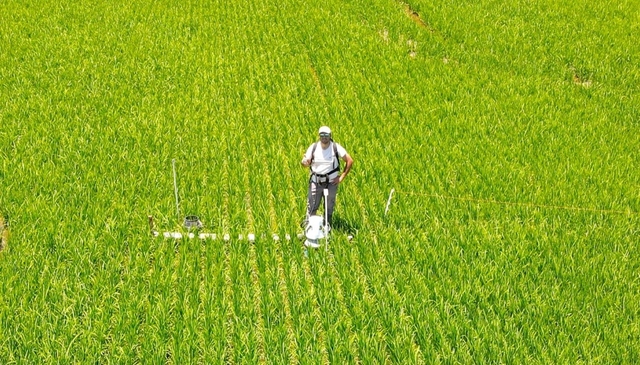
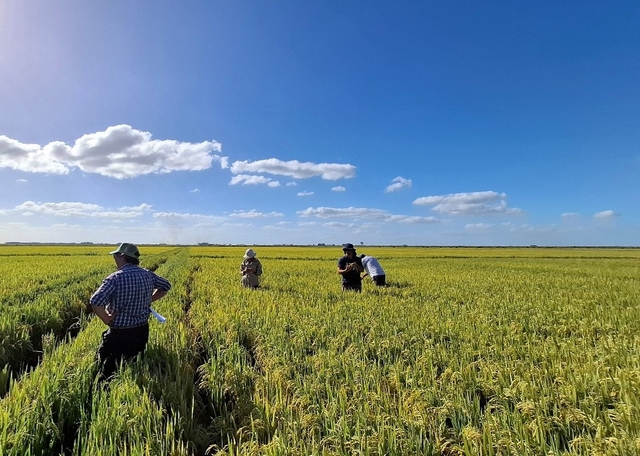
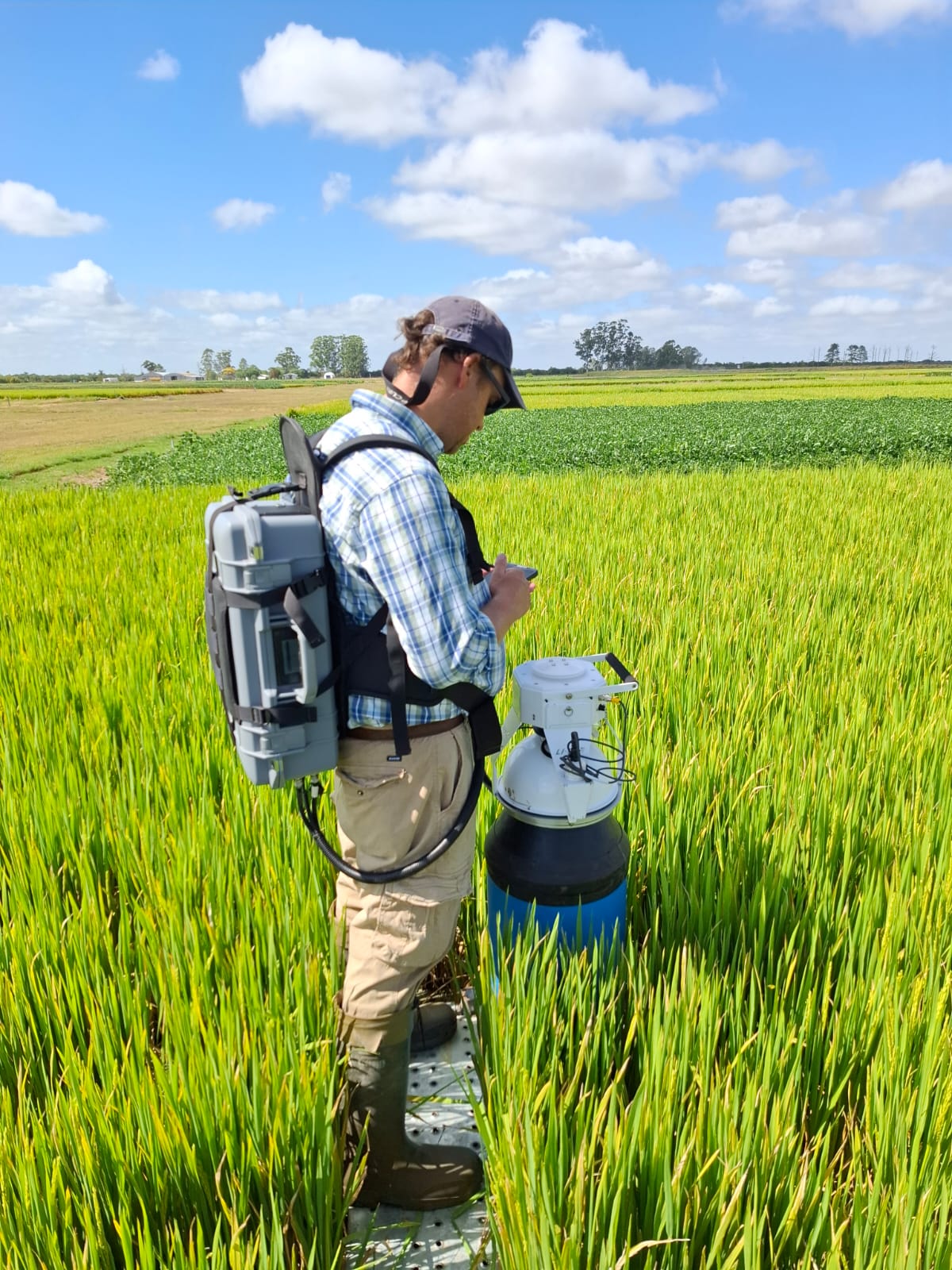
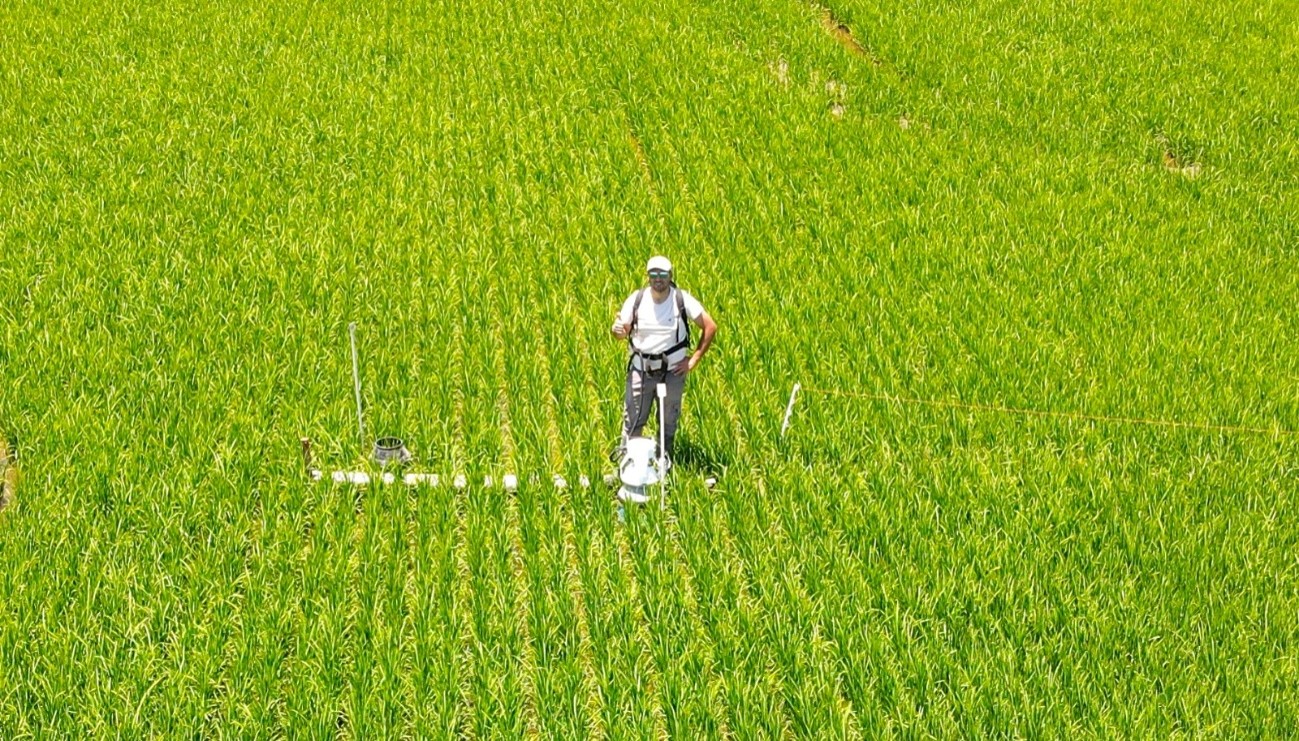
This initiative is part of a project aimed at strengthening regional capabilities for the monitoring, reporting, and verification (MRV) of methane emissions in rice cultivation through new technologies, such as satellite imagery and instantaneous measurement equipment. The initial phases focused on technology calibration and validation in the United States (USDA Arkansas) and Peru (Universidad La Molina). In this current phase in Uruguay, methane measurements were conducted directly in two commercial rice producers' fields.
The strategy involved establishing emission measurement points across two contrasting scenarios for both producers (Figure 1). These contrasts were defined by two water management systems: the traditional method, which begins continuous flooding 20 days post-emergence (IC20), and an alternative method designed to mitigate emissions through strategic drainage executed either 10 days before primordium initiation (S10IP) or 10 days before flowering (S10IF).
The primary goal is to demonstrate that advanced measurement and monitoring technologies can effectively verify the impact of alternative irrigation practices, proving they lower emissions without compromising crop yields.
The outcomes of this first commercial-level evaluation are highly promising, demonstrating that strategic drainage can successfully achieve emission reductions while maintaining productivity. Although these are preliminary findings conducted on a smaller scale within the farms (3–4 hectares), they provide highly positive insights to guide future optimization of the strategy.
The integration of real-time methane measurement equipment through this project proved highly valuable for immediate knowledge transfer. Allowing producers to see the instantaneous drop in emissions right after implementing the management change is the single most effective tool for demonstrating the true potential of these practices.