 Impact
 Initiatives
 Dashboard
 Alliances


 Impact
 Initiatives
 Dashboard
 Alliances


 Technological
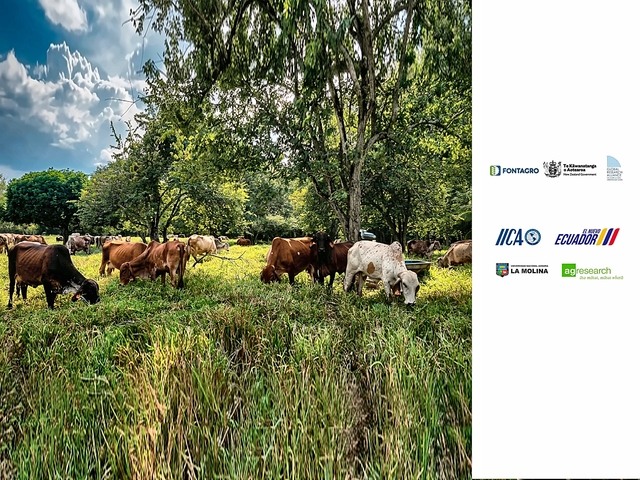
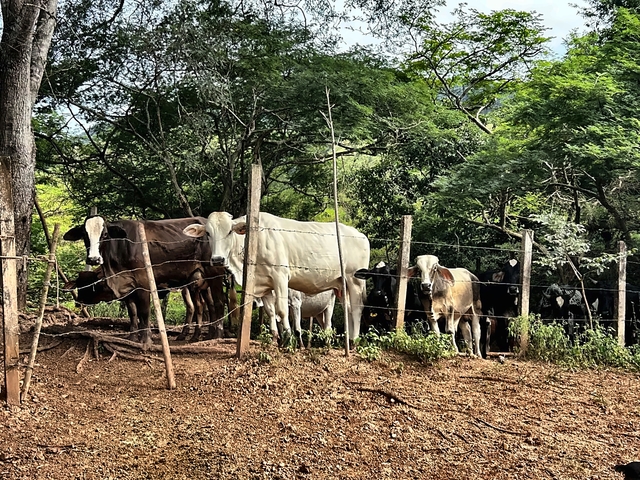
Dual-purpose herds (zebu crossed with European breeds) dominate in the Peruvian and Ecuadorian Amazon and are fed almost exclusively on grass. At the same time, the region produces residues from oil palm, rice, coffee and cacao. The project builds on a simple idea: turning these by-products into supplements that improve cattle diets, raise milk and meat output and add value to what is now wasted.
The work is organized into four components:
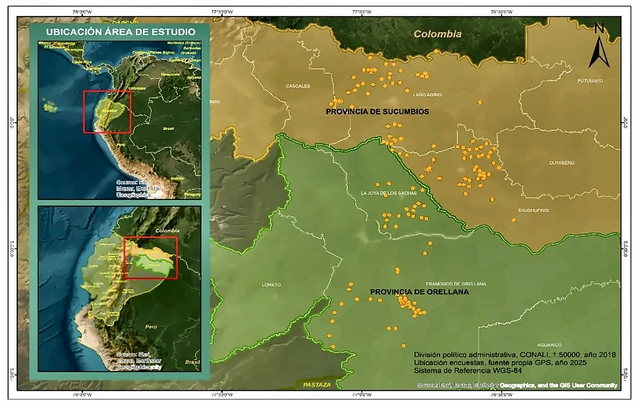
a baseline of livestock systems;
an assessment of the nutritional value of the residues and their effect on productivity and methane, measured in vitro with support from AgResearch;
simulation models and life-cycle analysis to estimate economic and environmental benefits;
training and knowledge management, with a virtual innovation platform for farmers and technicians.
🔗 Project page (in Spanish) 📄 Technical cooperation document (in Spanish)