 Impact
 Initiatives
 Dashboard
 Alliances

 Impact
 Initiatives
 Dashboard
 Alliances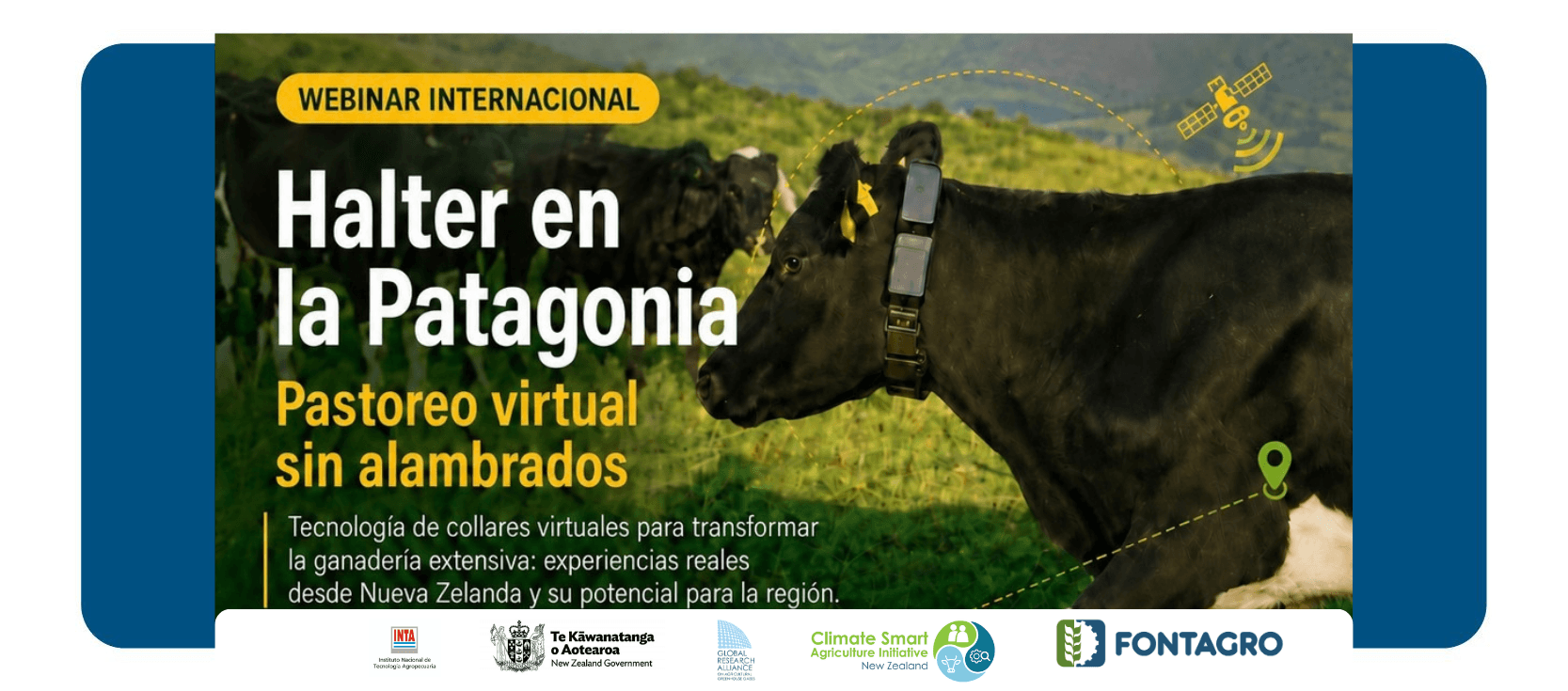

 Technological
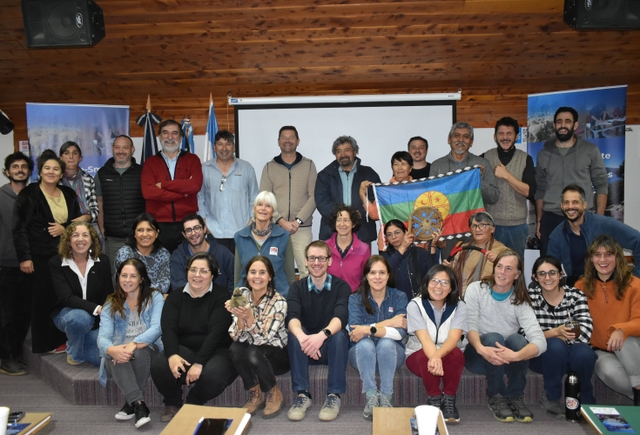
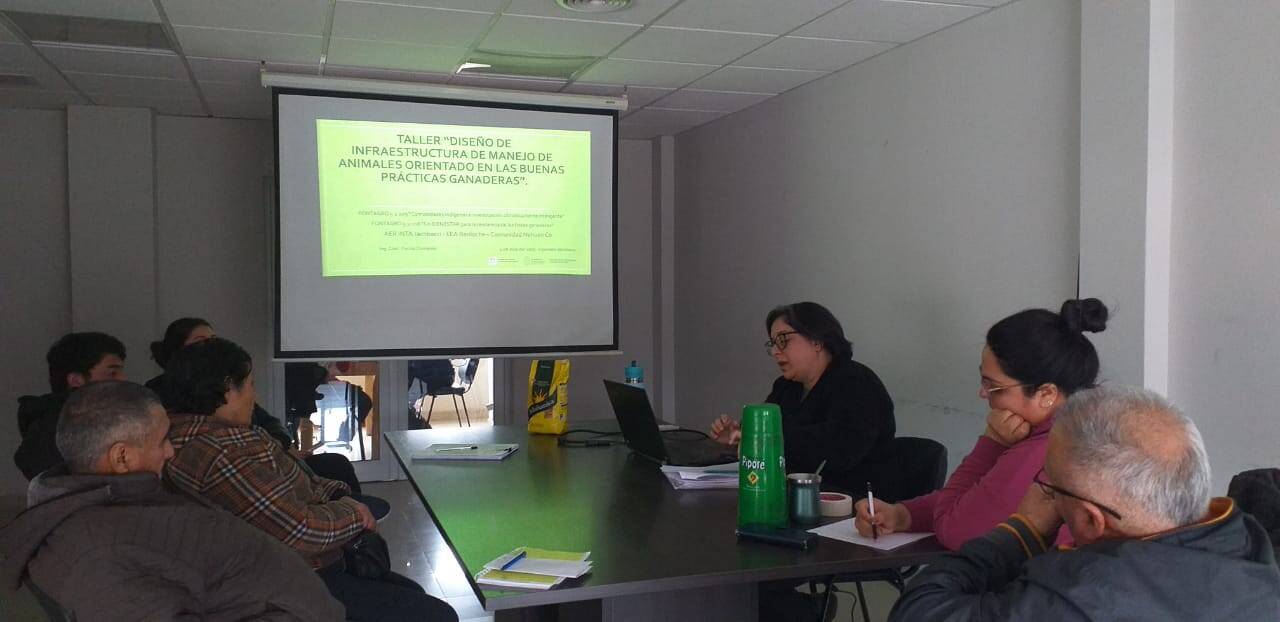
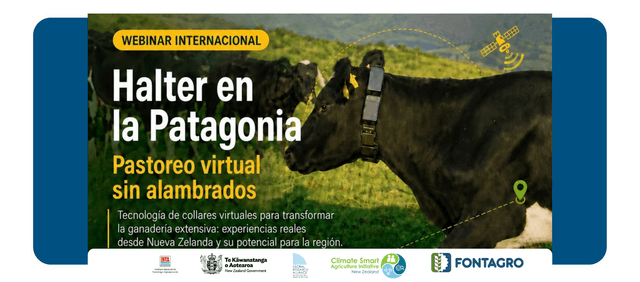
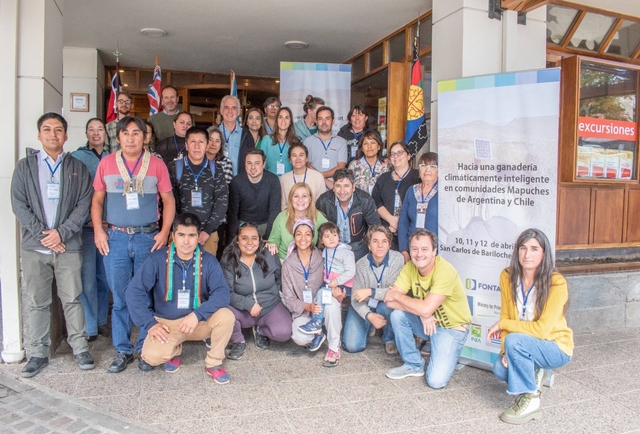
The meeting brought together researchers, INTA professionals, members of the National Universities of Río Negro and Comahue, regional livestock producers, and local communities. The goal was to analyze the impact of emerging technologies—such as Halter collars, which enable virtual fencing for precision livestock management—and to evaluate their costs, benefits, and viability within Patagonia's extensive pastoral systems.
Innovation and conservation in community territories
The opening remarks were delivered by Mauro Sarasola (Director of EEA INTA Bariloche), and the event was coordinated by Sebastián Villagra (Researcher at INTA Bariloche). Villagra highlighted the value of Fontagro’s international partnerships, which bridge the gap between theory and practice and allow cutting-edge solutions to be adapted to the socio-environmental dynamics of rural communities.
Key themes and presentations from the webinar
Launch of Halter in South America: Juan Giacomozzi, a commercial representative for Halter, explained how the collars and virtual fencing system work, guiding livestock using individualized sensory stimuli (sounds and vibrations). He outlined the strategy for the product's rollout in Argentina and its operation via antennas and satellite signals. He also highlighted how these tools optimize the soil-pasture-animal relationship, increasing carrying capacity while monitoring herd health and behavior in real time.
Principles of pastoral management and impact on productivity:
Livestock consultant Leo Pekar (FarmWise, New Zealand) delved into the principles of rotational grazing and grass dynamics. He emphasized how virtual fencing technology helps prevent overgrazing, ensures adequate residual forage, and protects regrowth—factors crucial for maximizing forage harvest—all while eliminating the need for major investments in physical infrastructure.
Real-world experience in community land management:
Hinehou Timutimu, General Manager of the Te Tawa Kaiti Lands Trust (New Zealand), shared the experience of integrating traditional Māori knowledge with Halter technology. Key highlights included optimized work times, reduced animal stress, improved workplace safety on rugged terrain, and a lower carbon footprint achieved through more precise animal nutrition. Towards climate-smart livestock farming The final discussion session addressed producers' questions regarding device autonomy, the system's viability in scrubland or wooded areas, its resilience against extreme weather conditions, and the prospects for implementing such tools within sustainable and regenerative farming models in Patagonia.
.jpeg&w=640&q=100)
.jpeg&w=640&q=100)