 Impact
 Initiatives
 Dashboard
 Partnerships

 Impact
 Initiatives
 Dashboard
 Partnerships

 Technological
Day One: Knowledge in Transit
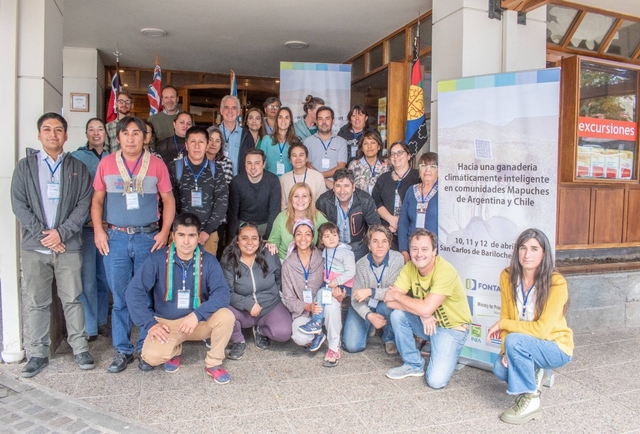
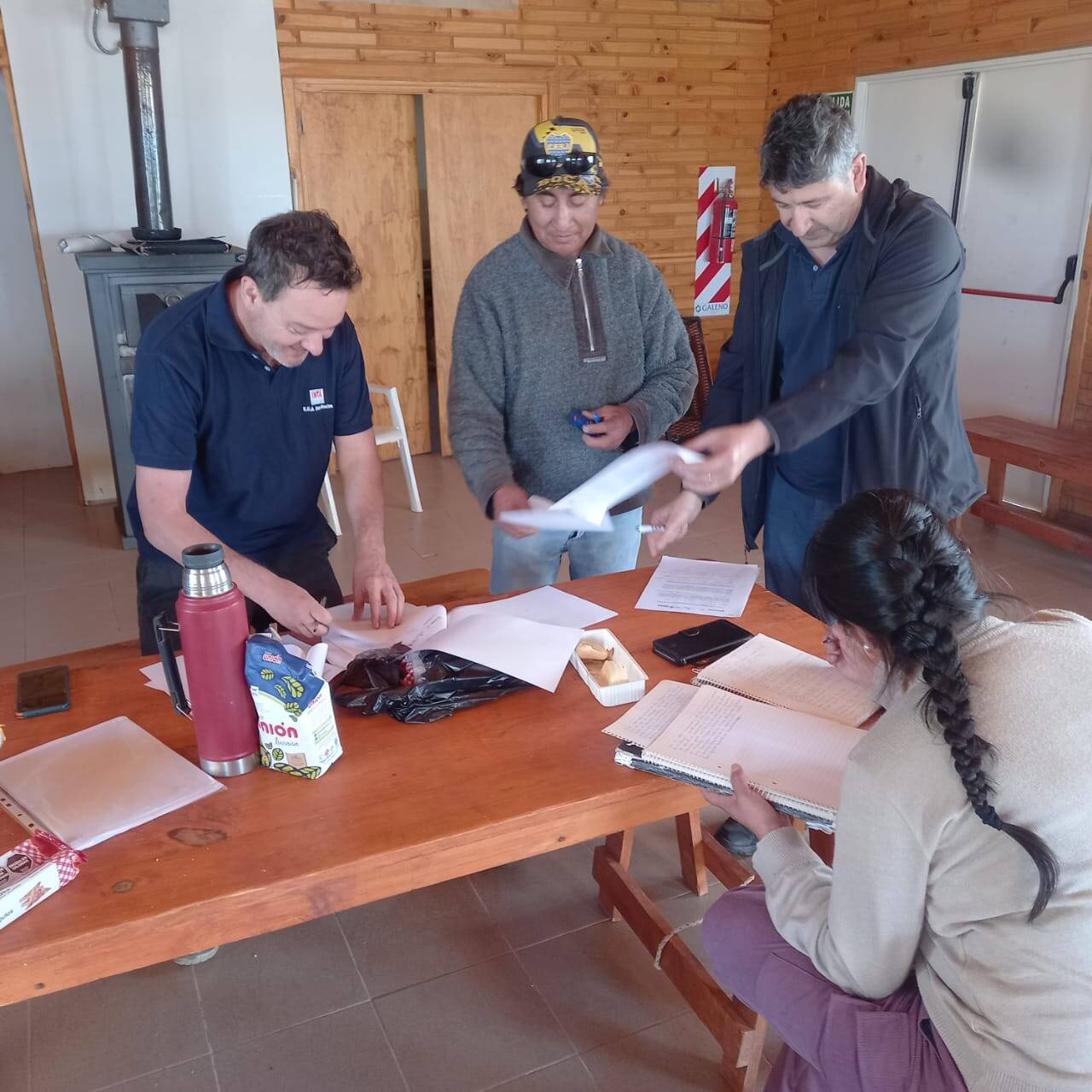
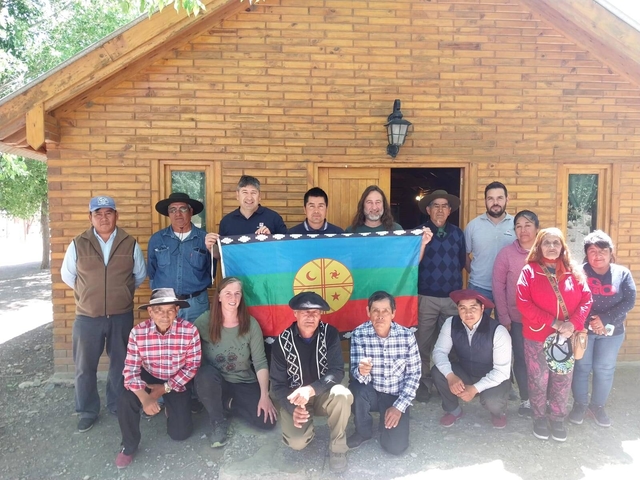
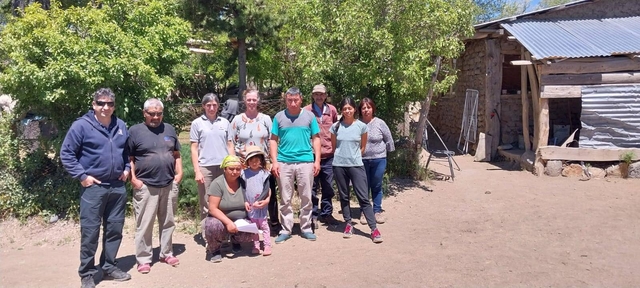
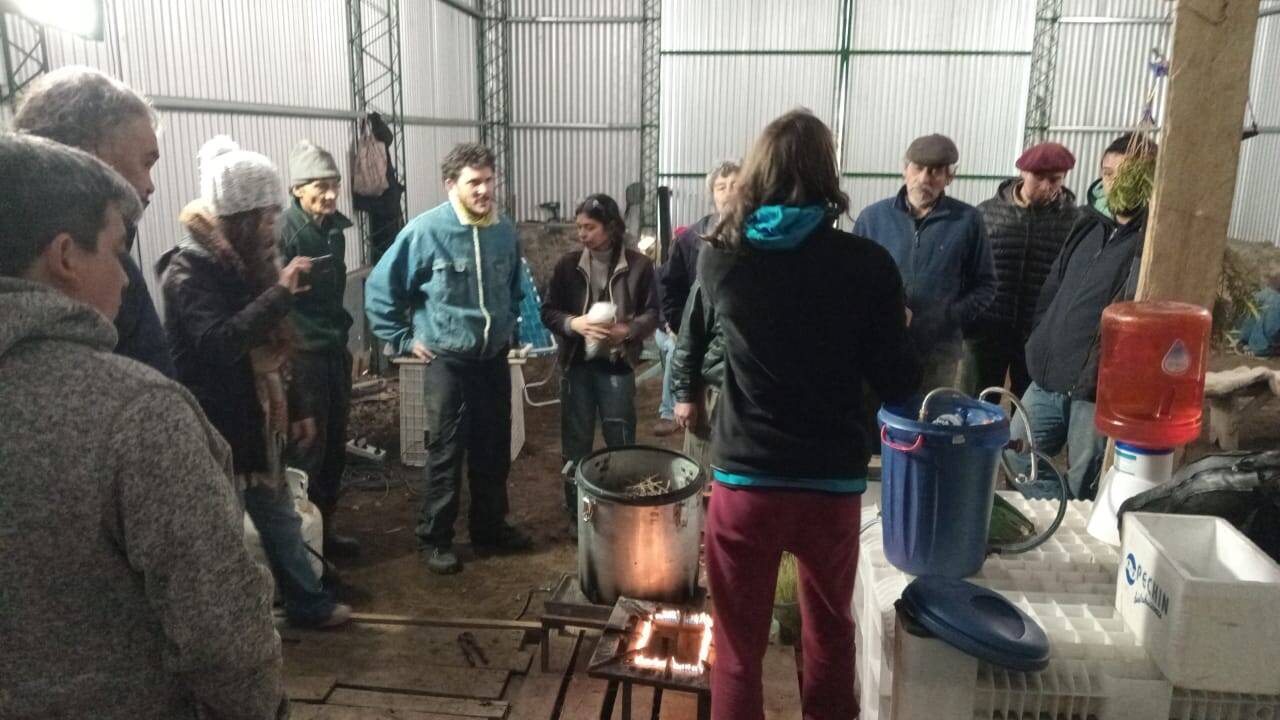
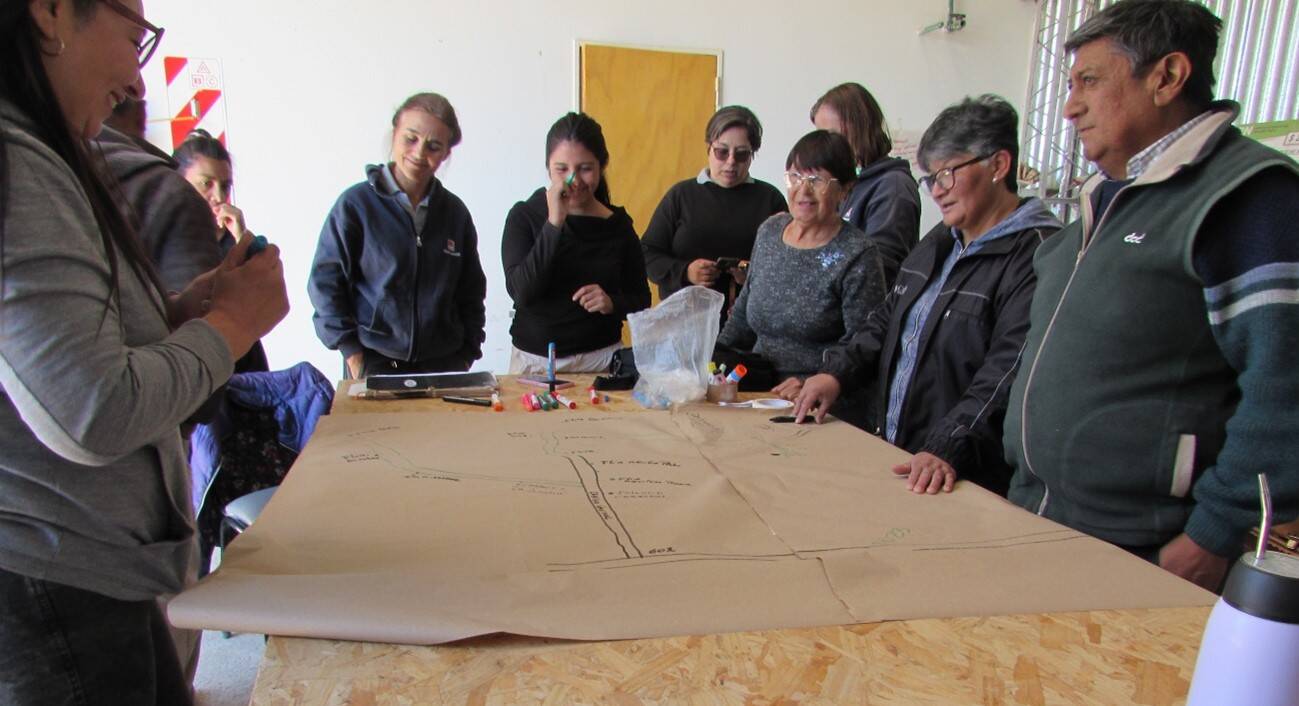
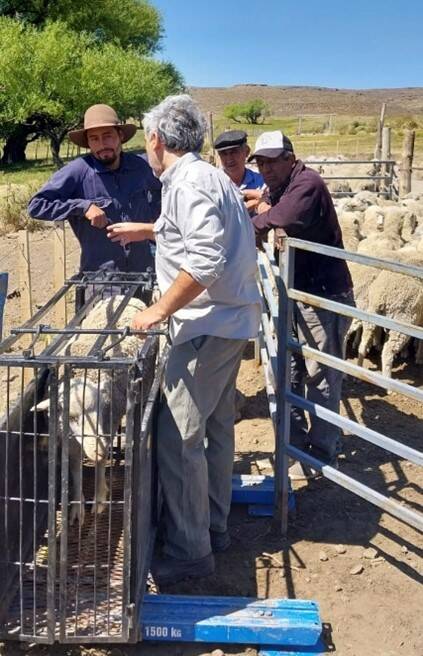
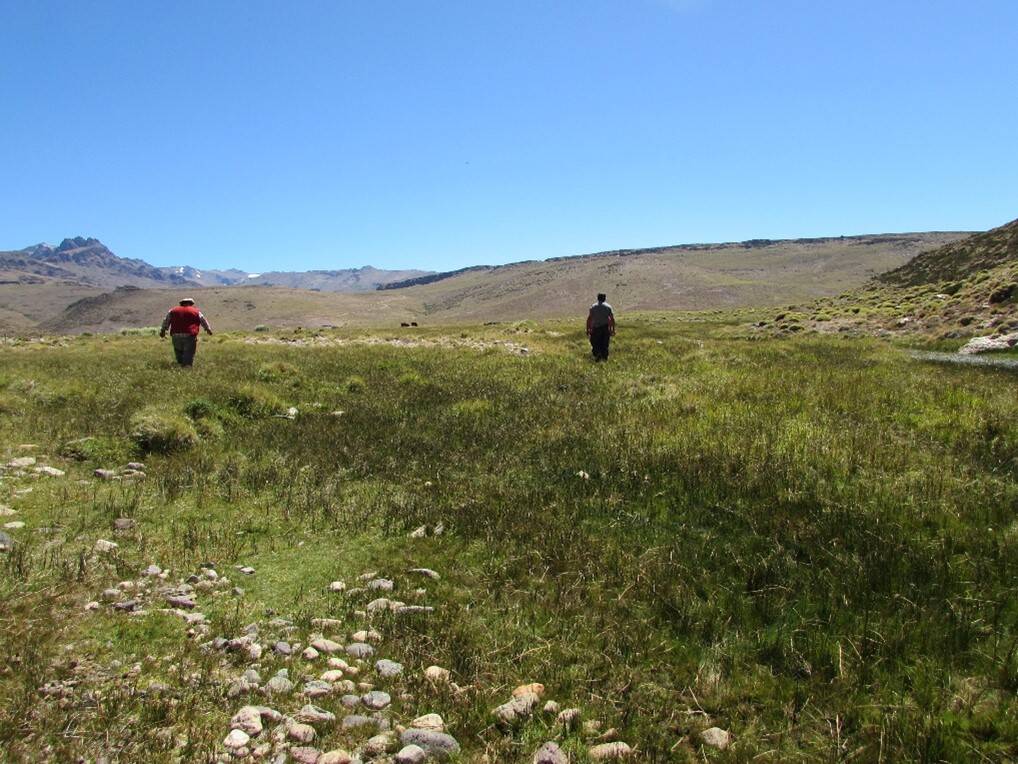
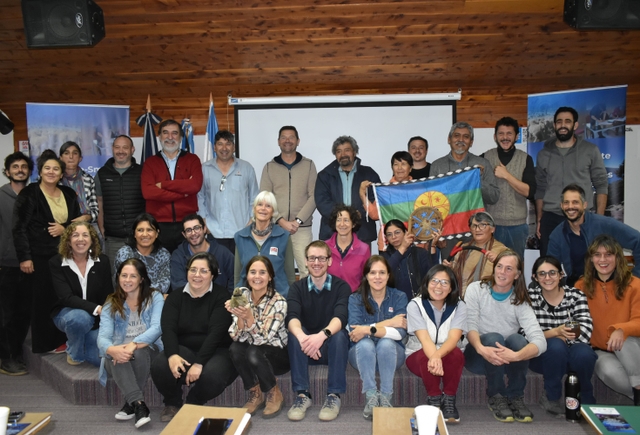
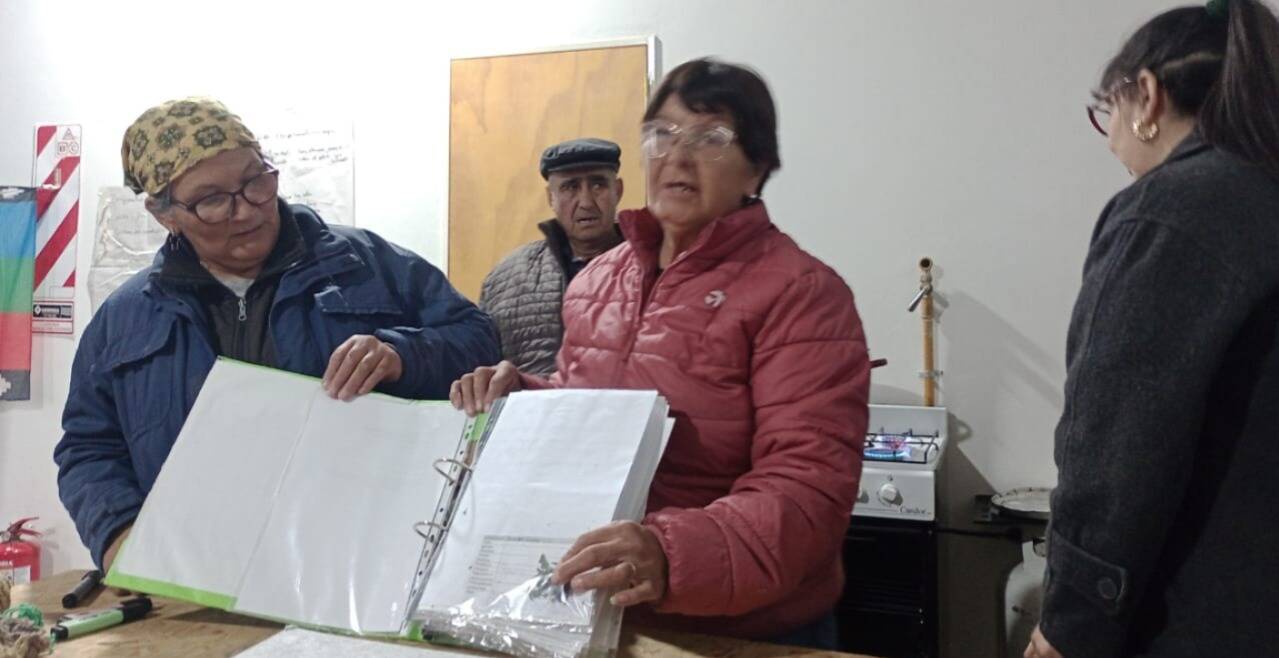
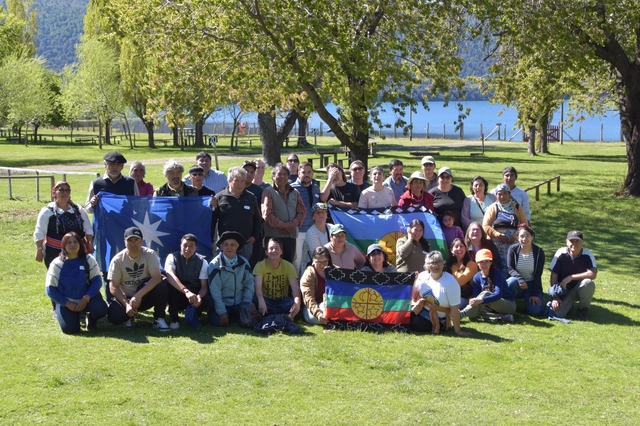
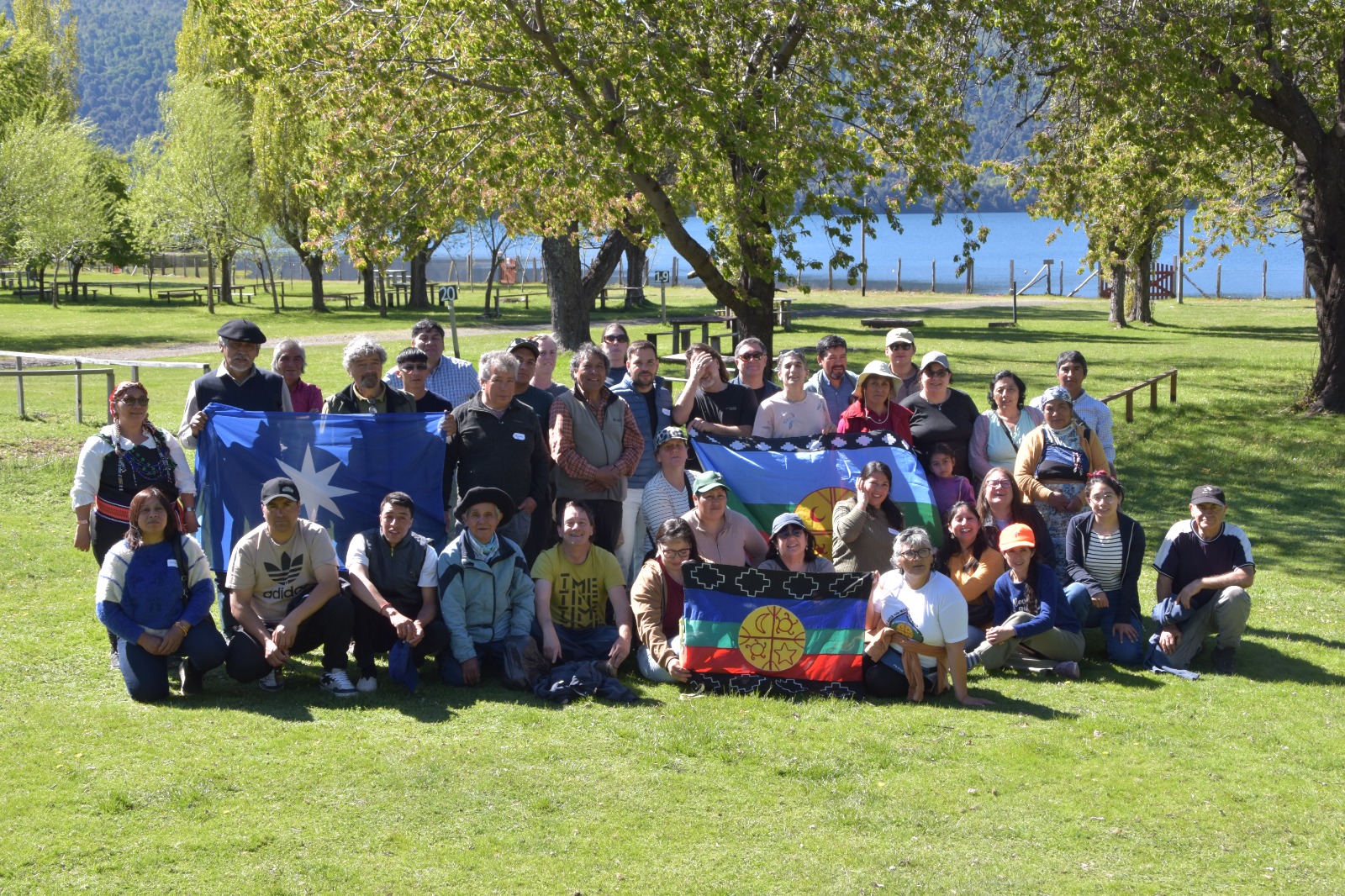
The Cheuquen Nguilliu community welcomed their peñis and lamienes (brothers and sisters) from the Argentine communities of Huayquillán and Nehuen Co (in Neuquén Province), as well as Wefu Wecu and Calfucurá (in Río Negro Province). Before discussing irrigation or pastures, the gathering began where it truly needed to start: with the people and their stories. Following a round of introductions in which each community had the floor, the group set out to explore the territory. They visited a local family who shared their knowledge of medicinal plants—creams, syrups, and soaps crafted from jarilla rastrera, paramela, and malva rubia—along with a herbarium compiled in collaboration with the local school. Afterward, an artisan demonstrated the art of Mapuche spinning and weaving. A member of the Wefu Wecu community—who now teaches loom weaving to 22 women in Bariloche—shared how she found a path back to her own identity through thread: “When I weave, my mind goes somewhere else.” The day concluded at the Icalma museum, where the history of the host community unfolded before everyone like a shared book.
Day Two: Innovation Rooted in Tradition
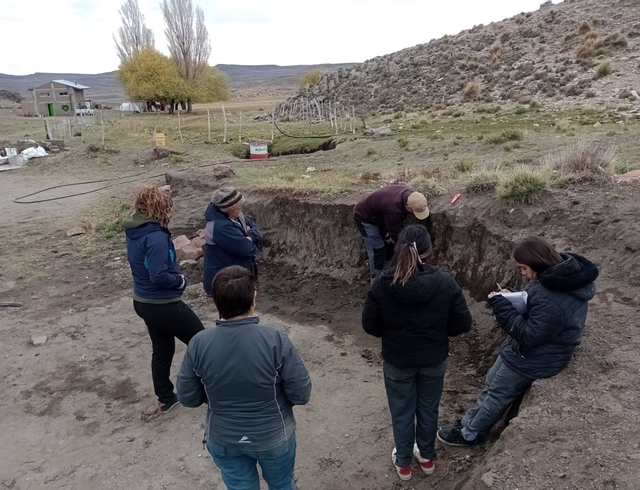
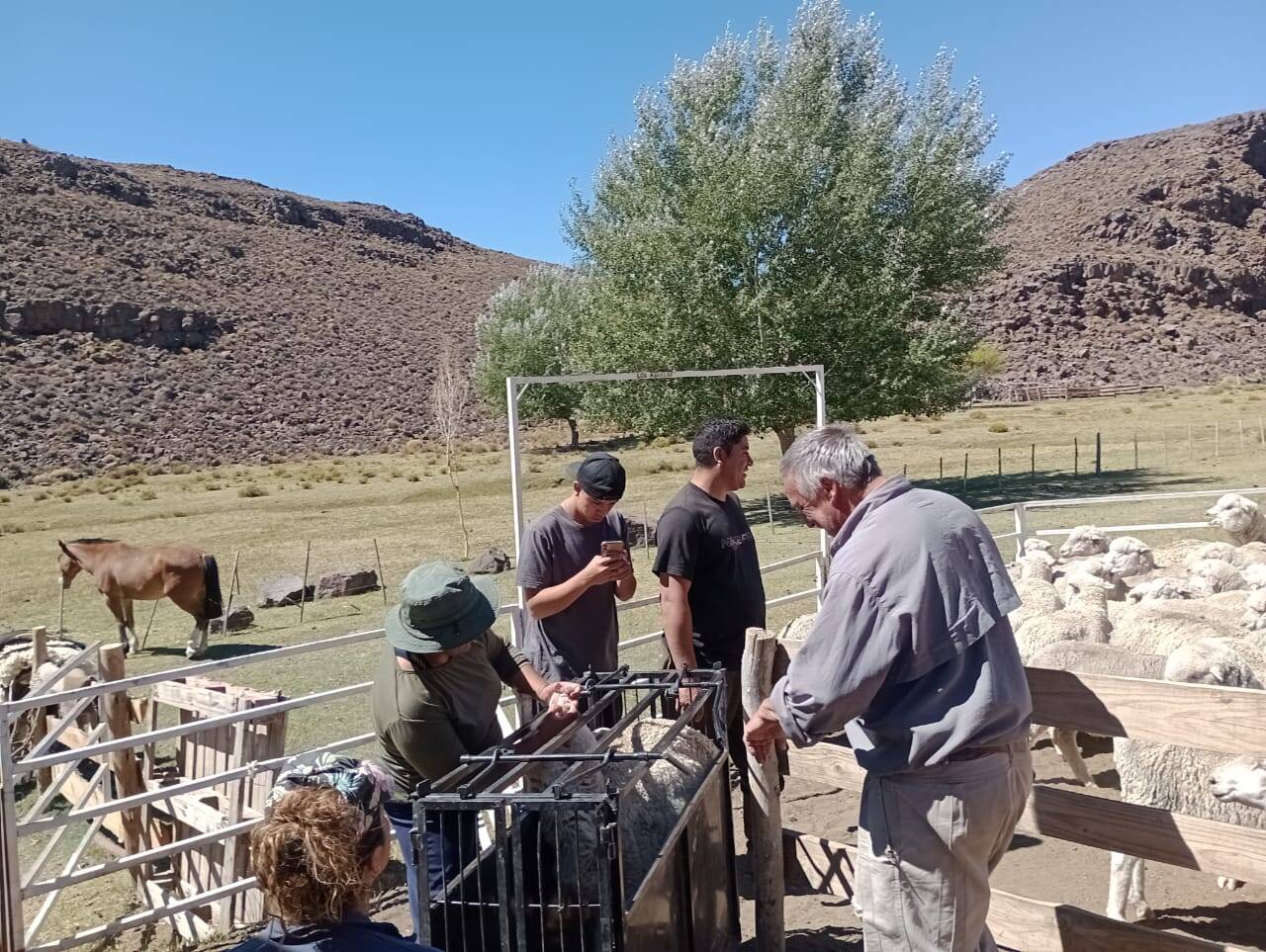
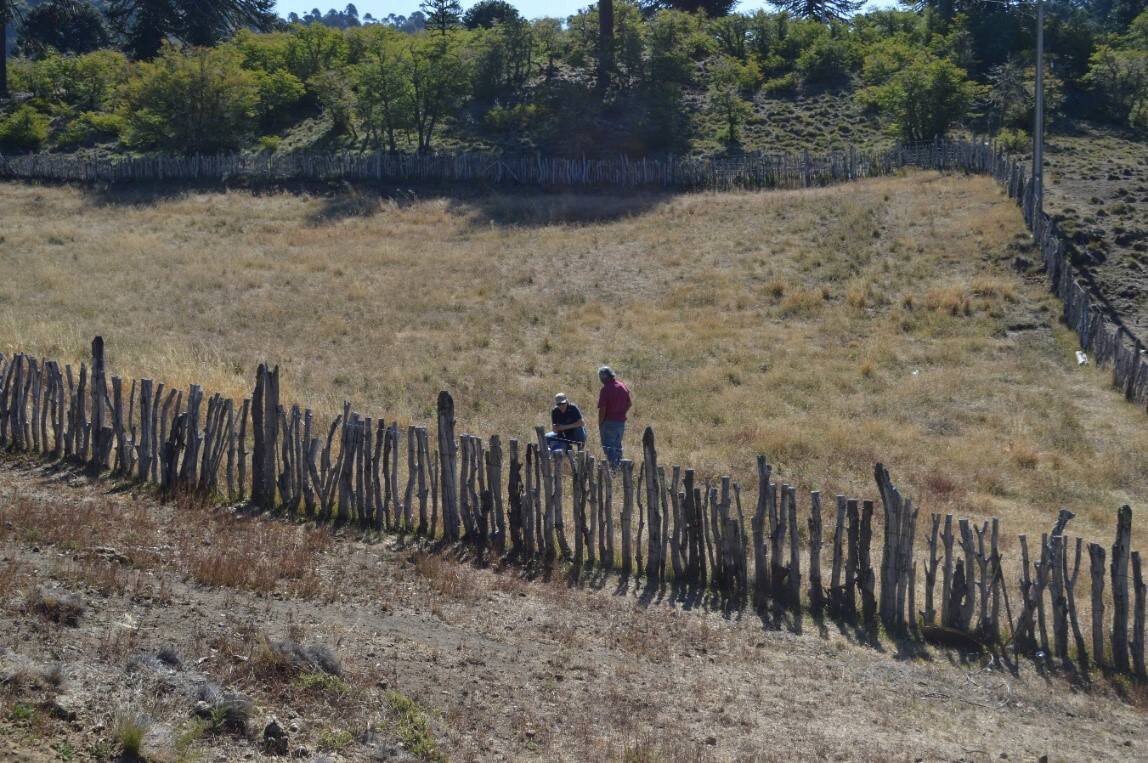
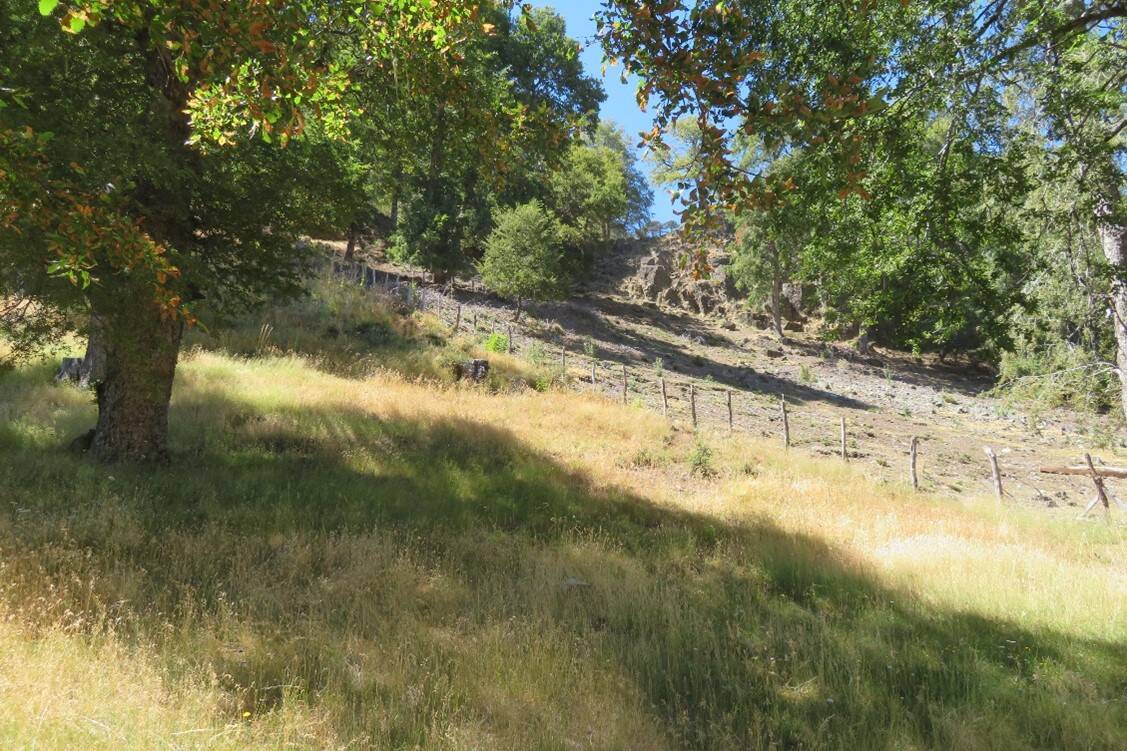
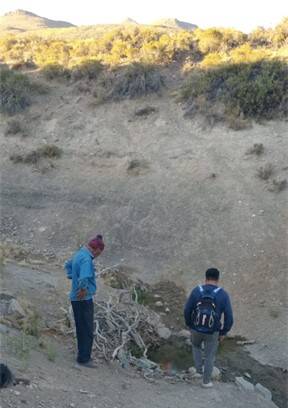
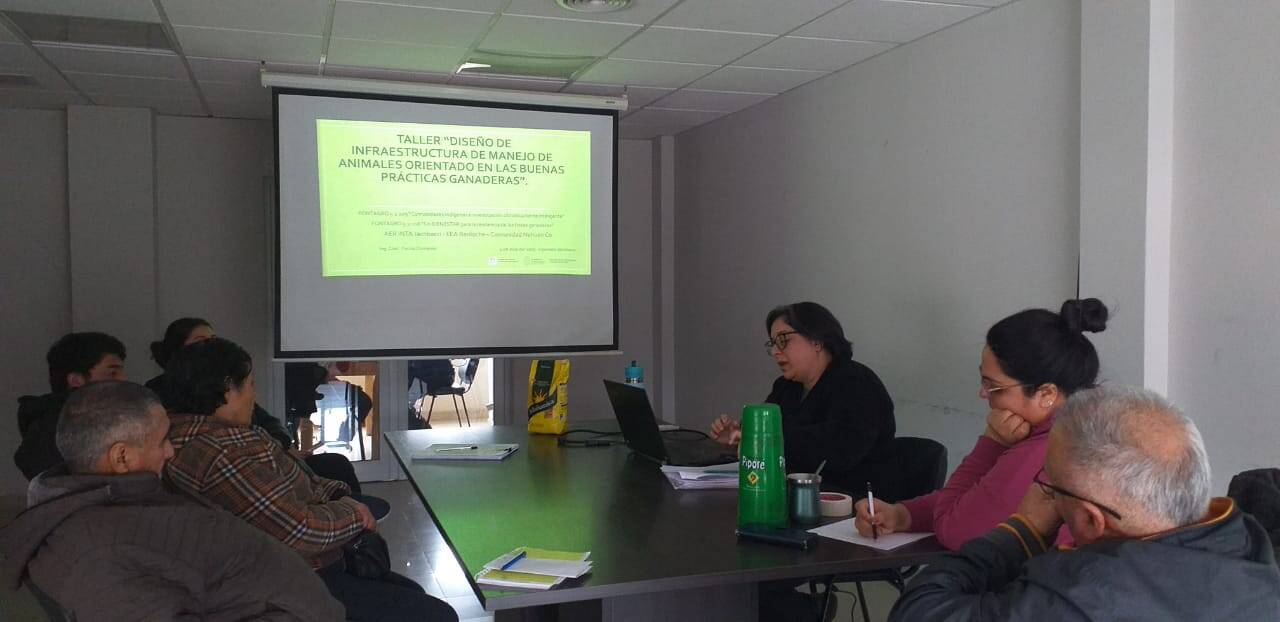
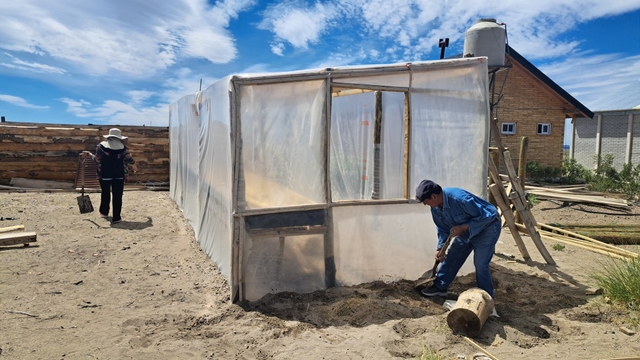
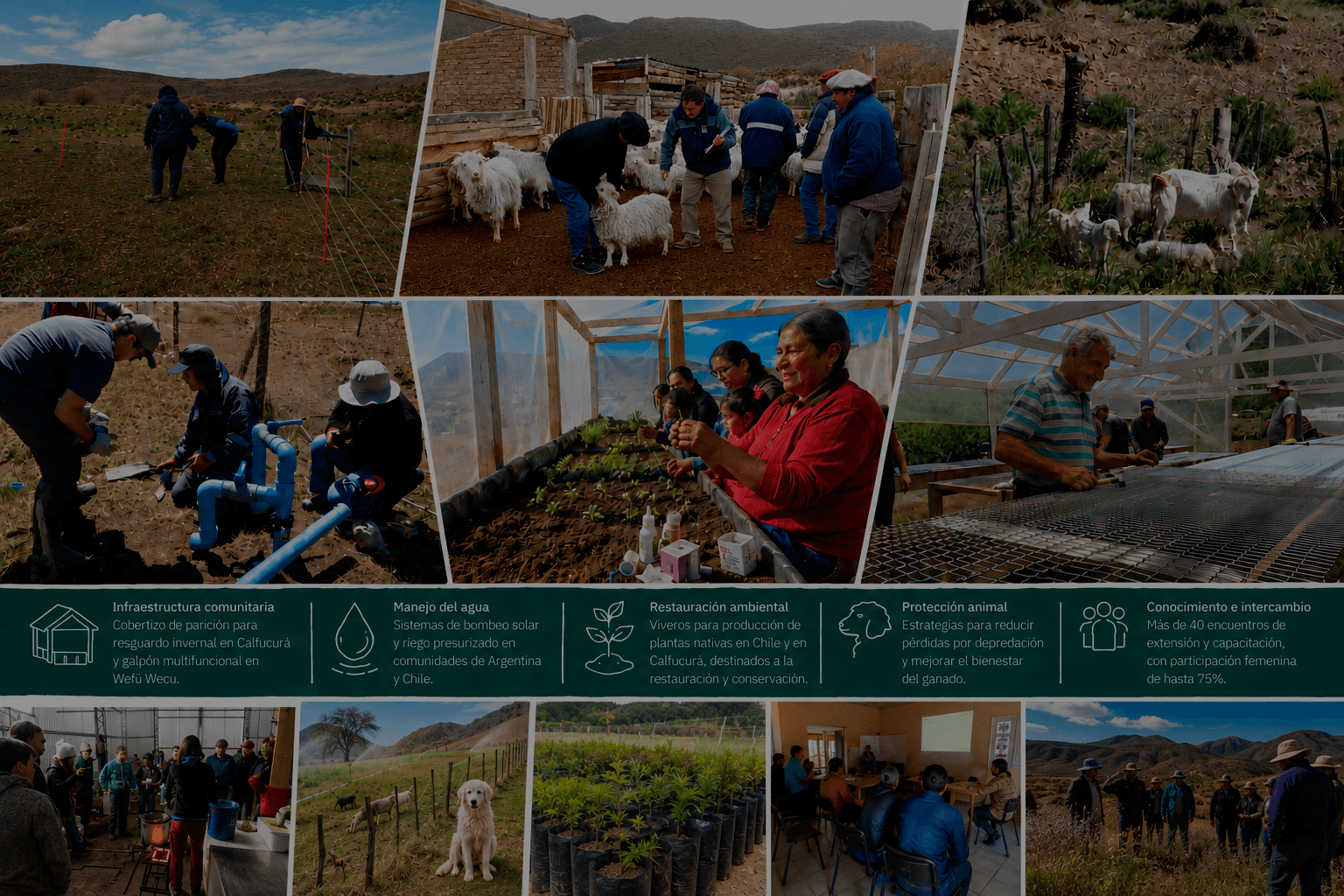
The technical portion of the visit demonstrated that climate-smart livestock farming—when developed from within the local territory—takes on a very tangible form. The visitors toured the three "Innovation Units" established by the Cheuquen Nguilliu community: a gravity-fed sprinkler irrigation system created by Lonko (community leader) Adrián Cayuqueo, which leverages the natural slope of the land to deliver water to 0.7 hectares without the need for pumps or electricity; a community nursery for propagating native plants—such as maqui, murtilla, radal, and coihue—used to reforest pastures and protect water springs; and a rural tourism trail that also serves as an erosion-control strategy in a region that has endured years of drought. Throughout the visit, the technical exchange was as intense as the cultural one. The Argentine communities shared their own experiences with spring-water harvesting systems, and at the end of the day, they presented their progress in areas such as medicine using native plants, weaving, and greenhouse production. In those moments, the mountain range ceased to be a border.
What the gathering demonstrated
Two years of collaboration with Mapuche communities on both sides of the mountain range had forged connections through screens and documents. Yet, being physically present in one another’s territory—sharing meals, walking the same ground, and hearing stories firsthand—created something qualitatively different. It formed a bond that the participants called, in the Mapuzungun language, traun: an encounter, a gathering, the weaving together of a shared experience. The “Climate-Smart Livestock Farming” project is built on the premise that technological innovation and ancestral knowledge are not opposites, but rather complementary. This gathering confirmed that: the native plants being propagated in the nursery are the same ones the families recognize as traditional medicine; the water harnessed by the irrigation system is the same water the communities have stewarded for generations; and the trail designed to control erosion is also a path that leads back into their history. As the gathering concluded, the peñis and lamienes (brothers and sisters) from Argentina and Chile expressed the same wish: that this might be the first of many trauns. The project—funded by FONTAGRO and the Government of New Zealand, and implemented by INTA Bariloche and INIA Carillanca—will continue to support this journey.