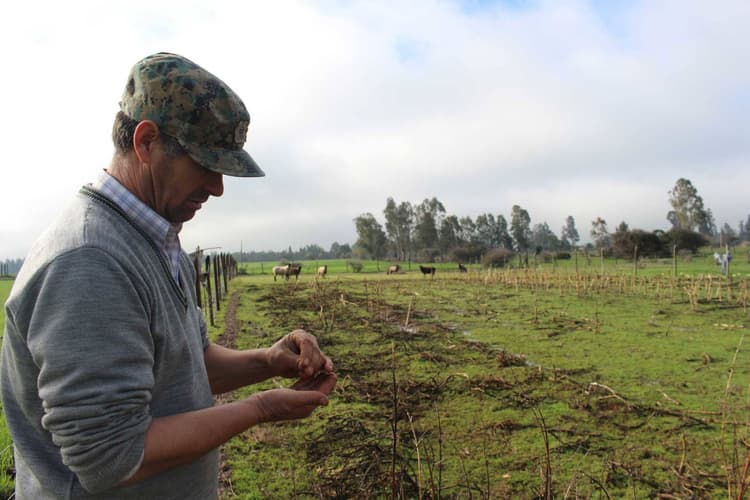
This initiative aims to strengthen the sustainability and food security of Mapuche communities in the face of climate change through climate-smart livestock practices.

Rural Mapuche communities in Patagonia (Argentina) and La Araucanía (Chile) face increasing challenges associated with climate change, including declining rainfall, water scarcity, reduced forage availability, and natural resource degradation. These conditions affect livestock production, food security, and community well-being. In addition, many communities have limited access to technologies, infrastructure, and technical support adapted to their territorial and cultural contexts. This initiative promotes a participatory and biocultural approach that integrates Indigenous and scientific knowledge to develop climate-smart livestock solutions, strengthening resilience and the sustainable use of natural resources.
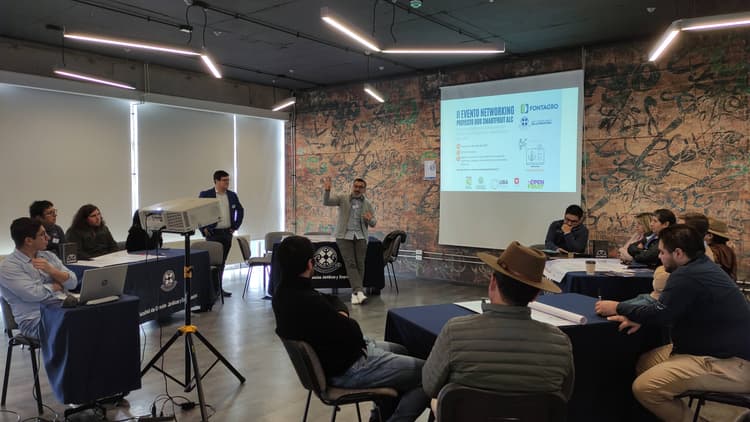
Collaboration with five indigenous communities belonging to the Mapuche ethnic group in Argentina and Chile, in which we will establish climate-smart innovation units
The project strengthens the food, productive, and cultural resilience of Mapuche communities in Argentina and Chile in the face of climate change. Through climate-smart Innovation Units co-developed with communities, it integrates Indigenous knowledge and technical tools to improve the sustainability of local agricultural and livestock systems. The initiative also promotes exchanges between communities from both countries, strengthening Mapuche identity, the transmission of traditional knowledge, and the collective development of climate adaptation and mitigation solutions. It generates evidence, capacities, and experiences that can be replicated in other Indigenous territories across Latin America.
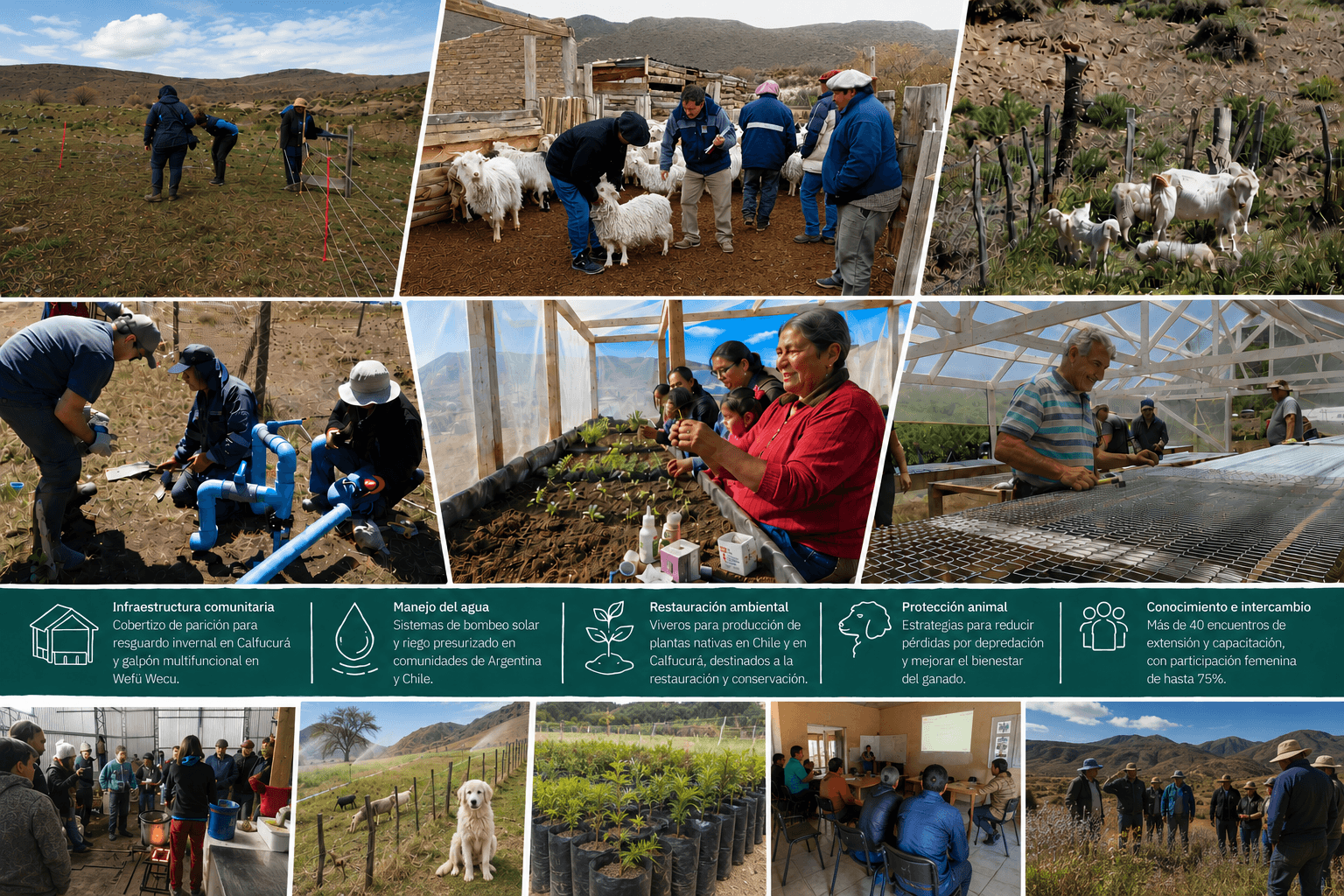
The solution is based on a co-innovation process involving Mapuche communities, research institutions, and extension agencies from Argentina and Chile to implement and evaluate climate-smart livestock practices. Through 15 Innovation Units and 12 Experimental Units, the project develops actions to improve water management, forage availability, animal health, native species restoration, and community organization. It integrates Indigenous and scientific knowledge through a participatory and biocultural approach, promoting exchanges among communities, generating technical evidence, and strengthening local capacities. The solutions are adapted to the environmental, productive, and cultural conditions of each territory and have the potential to be replicated in other Indigenous territories across Latin America.
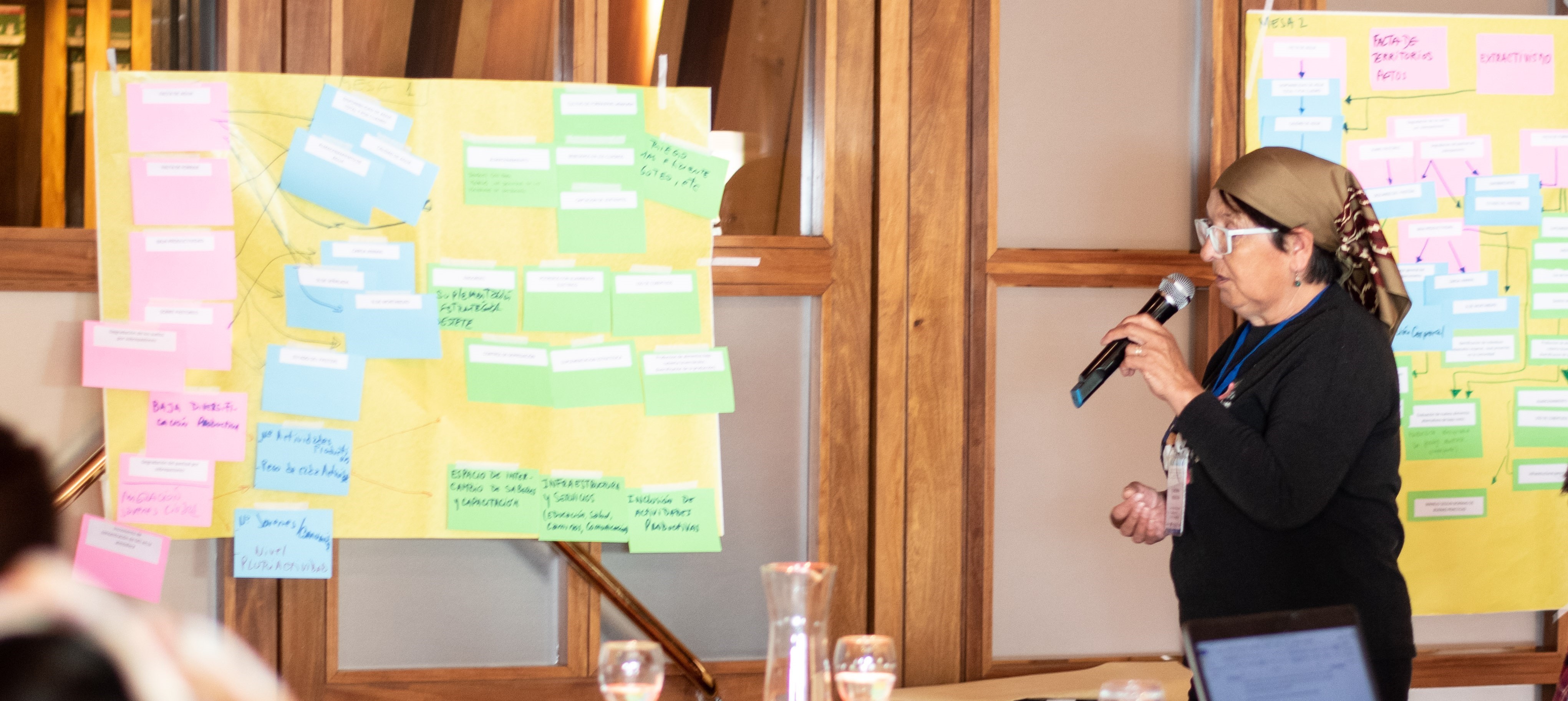
"Indigenous peoples must be part of the solution to climate change because they hold the traditional knowledge passed down through generations. The value of this knowledge is immense and should never be underestimated or overlooked."— Patricia Espinosa, UN Climate Change Executive Secretary
 Agronomic PracticesAppliedTechnological
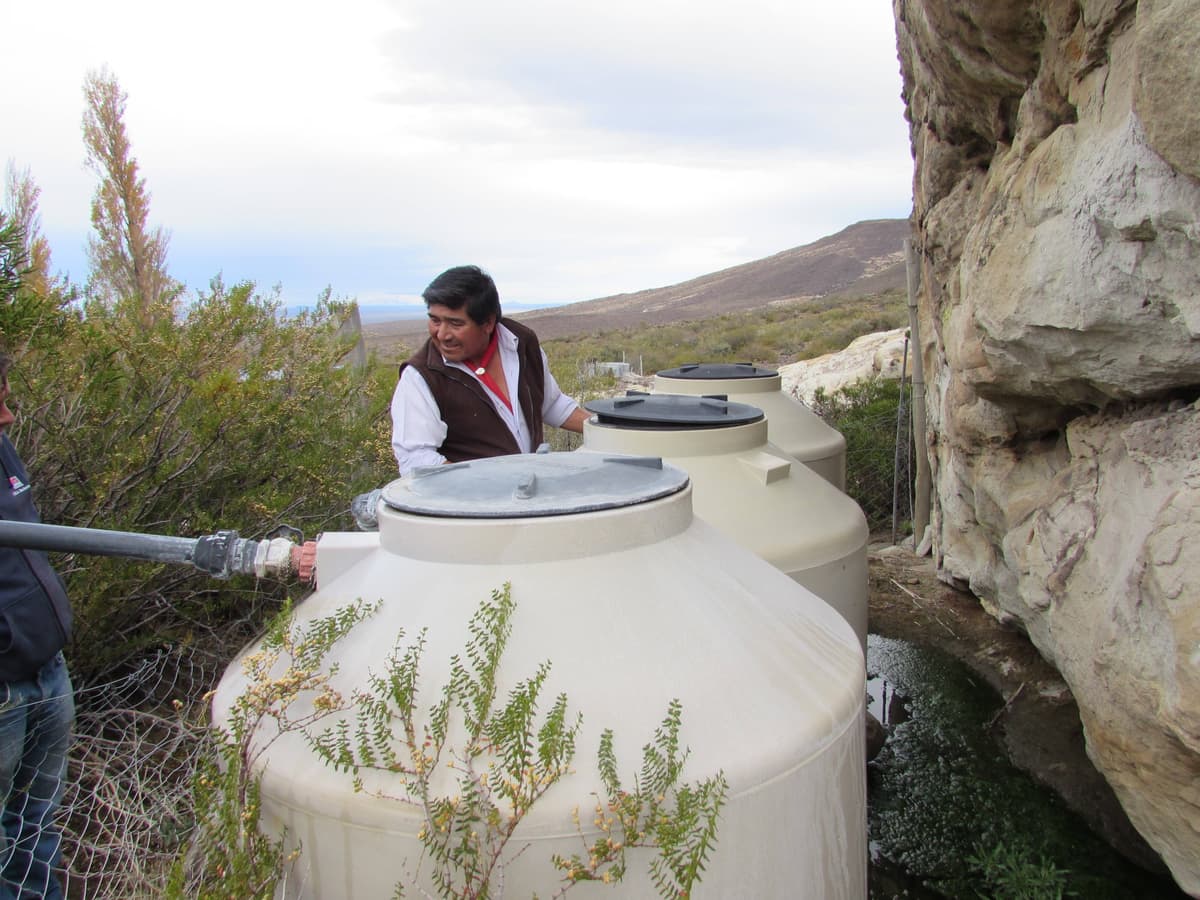
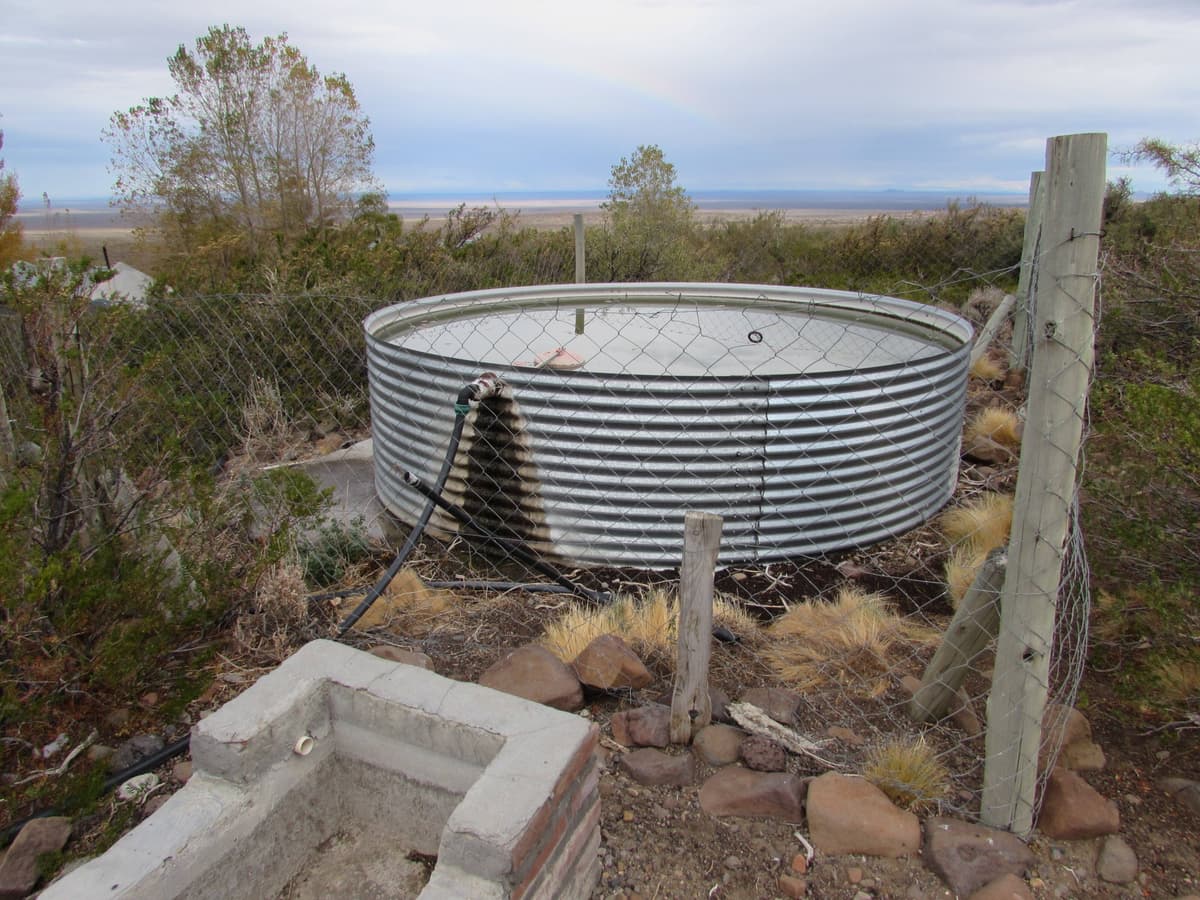
During the first two years of implementation, the project has initiated a transition toward climate-smart livestock systems in five Mapuche communities across Argentina and Chile. Through 15 Innovation Units (IUs) and 12 Experimental Units (EUs), communities and research teams are co-developing and evaluating practices aimed at improving water management, increasing forage availability, strengthening animal health and livestock management, restoring degraded areas with native species, and enhancing community organization. Progress to date includes the establishment of irrigation systems, forage banks, community sheep dips, native plant nurseries, and collective management mechanisms, as well as the generation of technical evidence on resource-use efficiency, animal nutrition, locally adapted technologies, and environmental performance. While implementation is still ongoing, these actions are already strengthening local capacities and laying the foundation for greater resilience, productivity, and adaptation to climate change in participating territories.








Argentina

Argentina

Chile

Argentina



The Tangible Impact of Science and Technology in the Field

 Impact
 Initiatives
 Dashboard
 Alliances
 Impact
 Initiatives
 Dashboard
 Alliances



.jpeg&w=1200&q=75)
.jpeg&w=1200&q=75)


.jpeg&w=1200&q=75)