 Impact
 Initiatives
 Dashboard
 Alliances


 Impact
 Initiatives
 Dashboard
 Alliances

 Technological
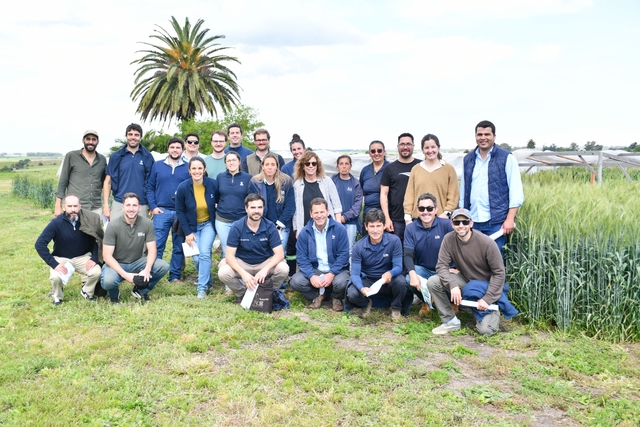
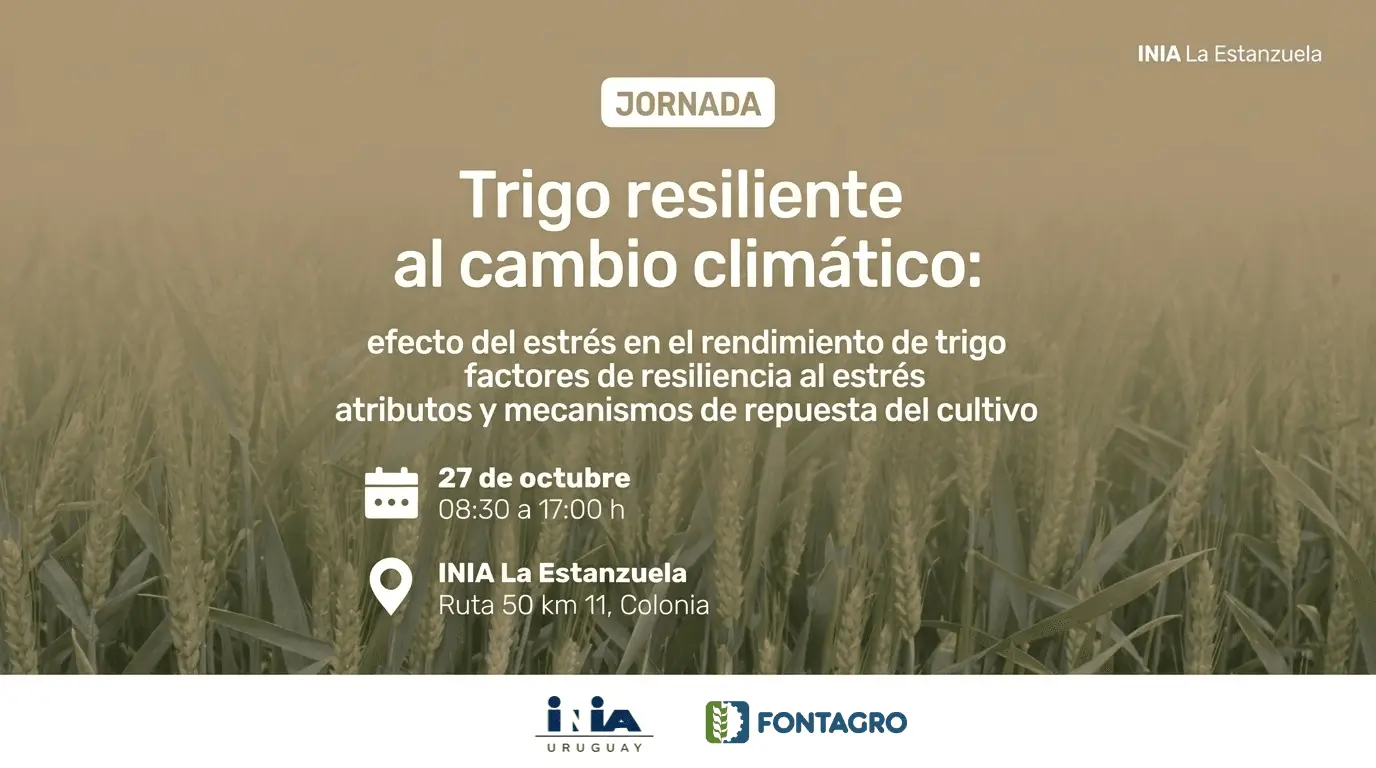
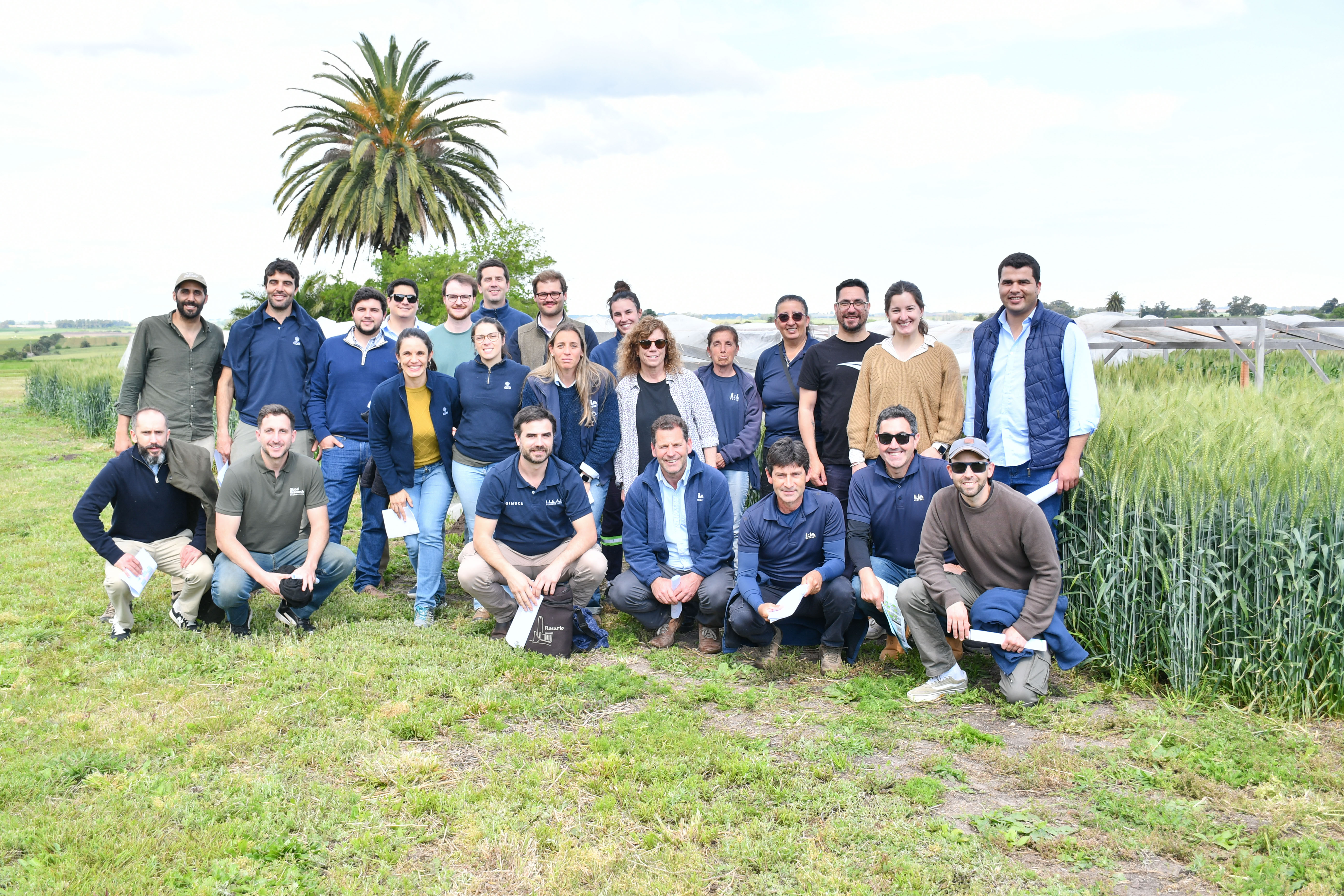
On 27 October 2026, a new workshop of the FONTAGRO project “Wheat Resilient to Climate Change” (ATN/RF-21535-RG) was held at INIA La Estanzuela, Uruguay. The meeting brought together researchers from Argentina, Uruguay and Spain to share research progress and discuss the different components of the project.
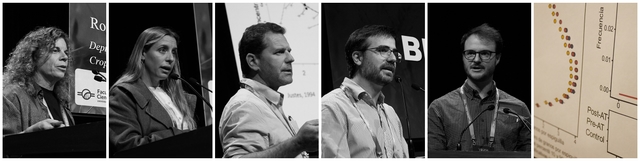
Sebastián Mazzilli (INIA Uruguay) opened the day. Dr. Santiago Tamagno (University of Lleida, Spain) then presented the overall framework of the project, its objectives and its main planned activities. In the first part of the workshop, Andrés Berger (INIA Uruguay) presented progress on the component that integrates crop models and crop management under climate change. This included the characterization of past and future climate trends and the potential effects of drought and heat stress events on wheat yield. Next came the presentations on the physiological characterization of the responses to heat stress and drought. Santiago Álvarez Prado (National University of Rosario, Argentina) presented the field trials carried out in Argentina to evaluate genotypes and their responses to stress. Paula Silva (INIA Uruguay) presented work evaluating the effects of photoperiod genes.
Dr. Roxana Savin (University of Lleida, Spain) presented the trials carried out in Spain. These focus on the response to heat stress and on the characterization of physiological traits associated with stress tolerance. During her visit to Uruguay, INIA also interviewed her. She shared her view on how increasingly frequent heat waves affect wheat production and on the challenges climate change poses for the crop. Read the full interview on the INIA website here (in Spanish).
Gonzalo Rizzo (Faculty of Agronomy, University of the Republic, Uruguay) spoke about potential yield gaps in wheat. His talk added a complementary view of the opportunities to improve crop productivity in the region. The workshop ended with a joint discussion of the main determinants of wheat resilience in the region. In the afternoon, participants went on a field tour and took part in the closing activities.
This second meeting let the research teams pool their progress, discuss results and improve how activities are coordinated among the participating institutions. Bringing together knowledge on climate, modelling, crop management and physiology is key to developing strategies that make wheat more resilient to the challenges of climate change.