 Impact
 Initiatives
 Dashboard
 Alliances
 Impact
 Initiatives
 Dashboard
 Alliances
 Agronomic Practices
 2024
2024 Active


Learn more about this story
Project Webstory
Go to webstory



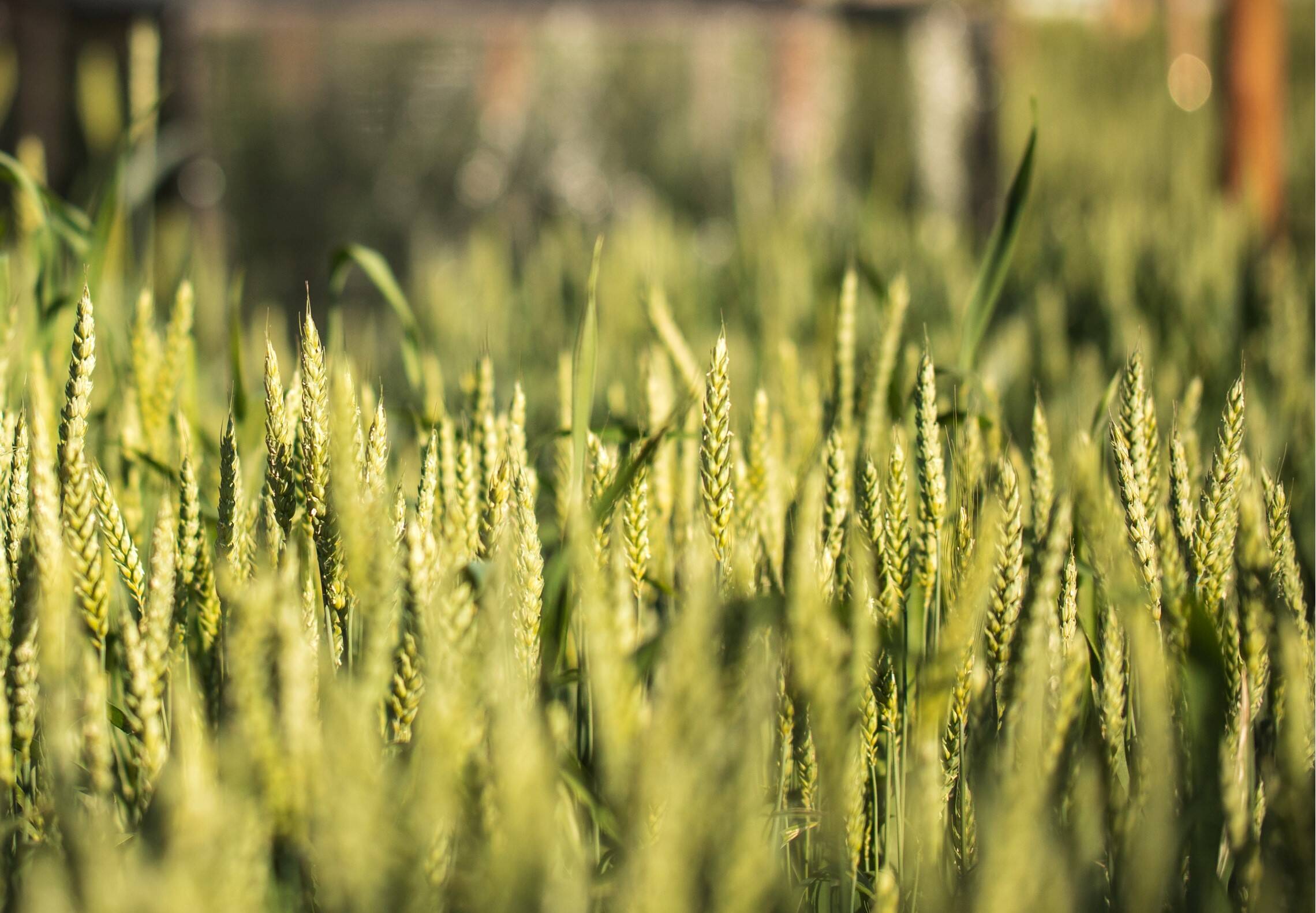
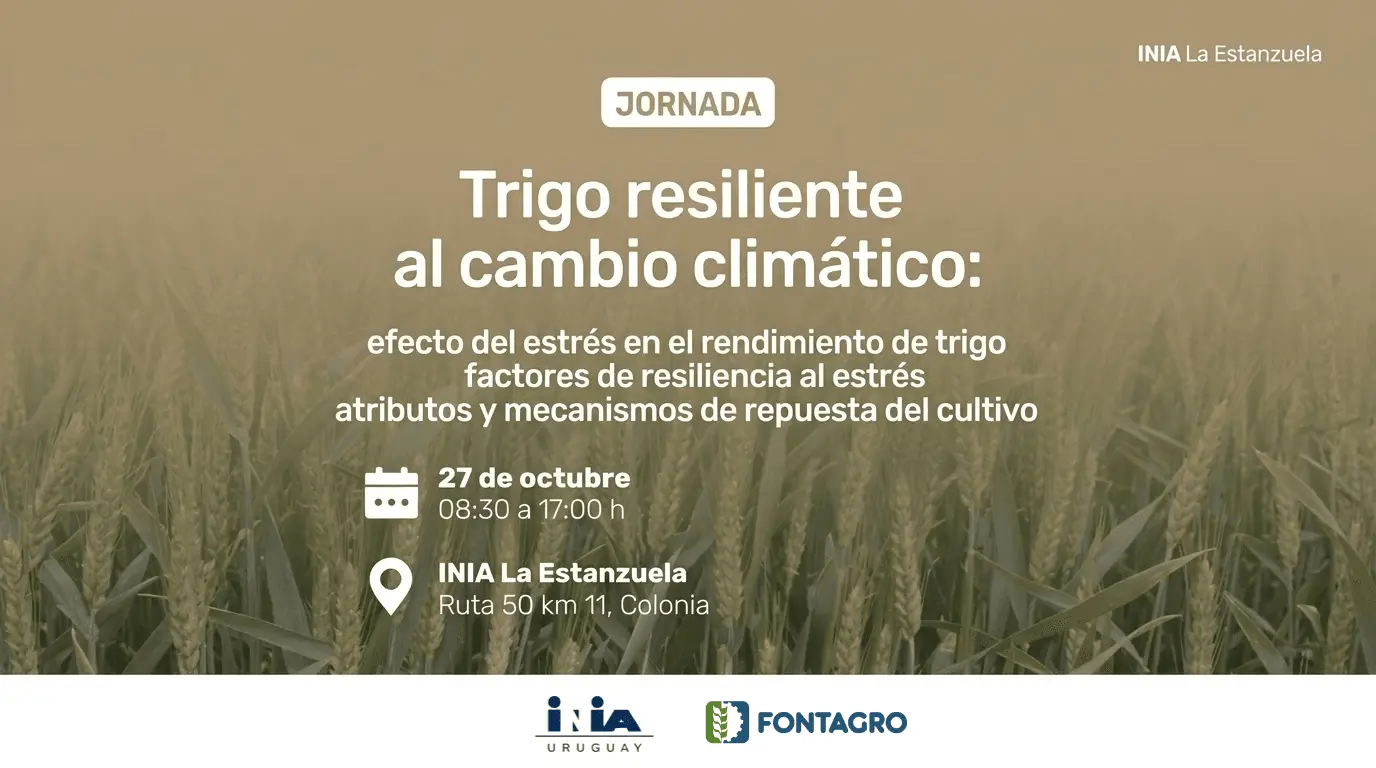
This project aims to improve wheat resilience in Latin America against drought and heat stress derived from climate change. It will quantify the impact of these factors on wheat yields in Argentina and Uruguay, identify traits in current varieties that help counter these stresses, and share practices and findings with farmers and experts. The project will help reduce potential economic losses in the sector through more resilient production systems, enhancing the use of water and fertilizers while limiting environmental impact. These contributions will support more sustainable agriculture with potential for application in other Latin American regions.
The aim is to characterize past and future trends, as well as the potential effects of drought events and heat stress on wheat yield in the study region. Experimentally, physiological attributes and mechanisms responsible for the response to heat stress and drought will be characterized in modern wheat germplasm. Finally, knowledge management and communication of the project's results will be carried out from the beginning of the project.
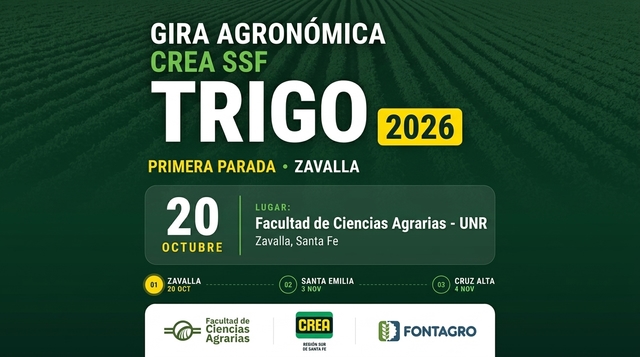
The direct beneficiaries of this technical cooperation will encompass approximately 2,500 producers and producer advisors across Argentina and Uruguay. The involvement of AAPRESID (No-Till Argentine Association; 1,800 members), AACREA (Argentine Association of Regional Consortia for Agricultural Experimentation; 2,163 members), AFA (Federated Argentine Farmers; 36,000 producer members), FUCREA (Uruguayan Federation of CREA Groups; 600 members), and AUSID (No-Till Uruguayan Association; 54 producer members) as associated organizations, particularly in dissemination, transfer, and training activities, ensures that this group of direct beneficiaries will be reached. The group of indirect beneficiaries remains highly speculative. However, knowing that farmers from these associations in Argentina and Uruguay are leaders in their fields, a very conservative estimate suggests that the project's impact will reach at least 10,000 indirect beneficiaries in the initial stage after the project's completion. Additionally, both emerging researchers and students who participate in this proposal will also be direct beneficiaries (those involved in training under the project) and indirect beneficiaries (those who will benefit from results published in subsequent literature).
This project actively contributes to achieving the Sustainable Development Goals, promoting more equitable, resilient, and sustainable regional development.

Santiago Tamagno
EspañaRoxana Savin
EspañaSantiago Alvarez Prado
ArgentinaGuido Di Mauro
ArgentinaSebastián Mazzilli
UruguayAndres Berger
UruguayPaula Silva
Uruguay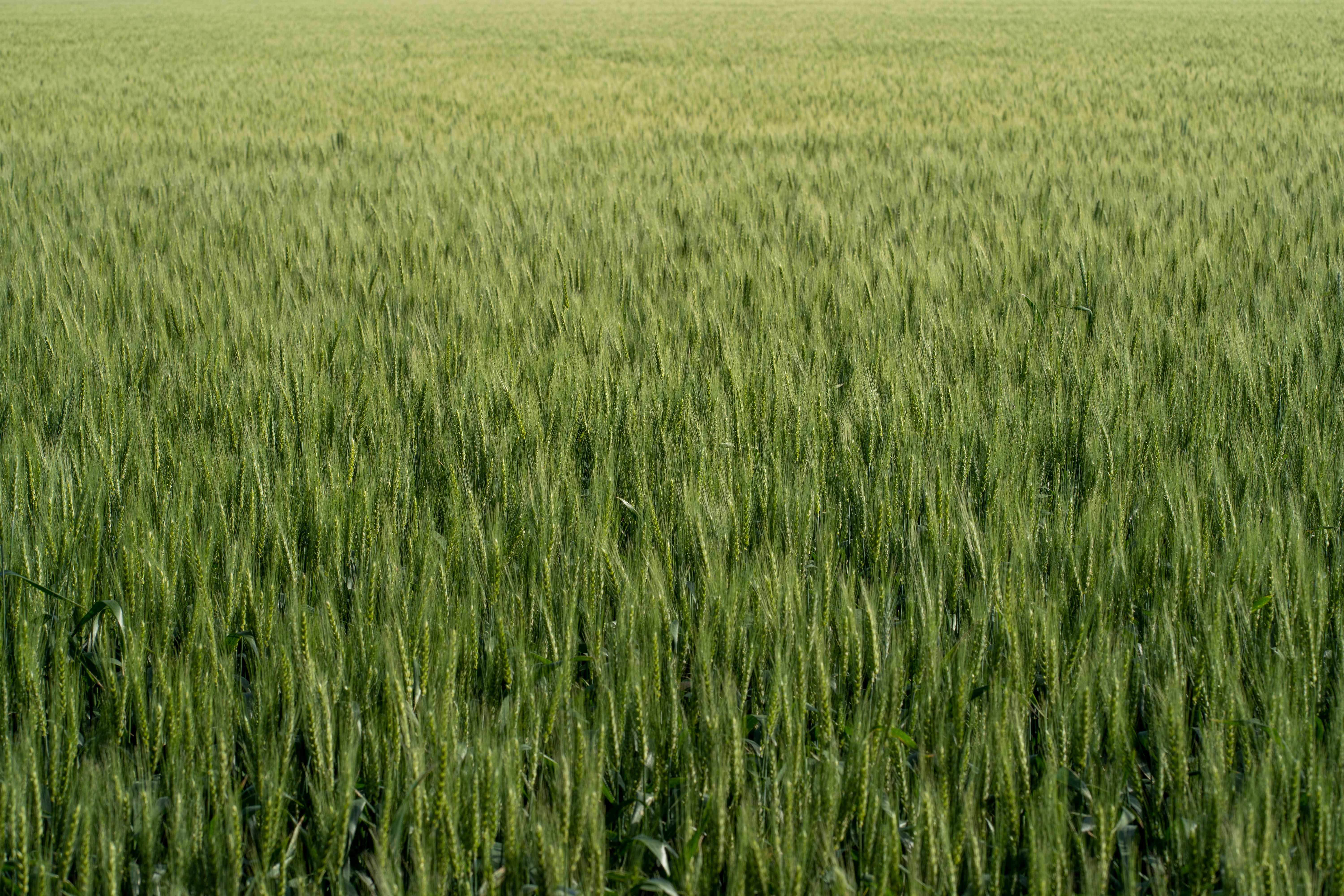
The tangible impact of science and technology in the field
Sponsors


With the support of