 Impact
 Initiatives
 Dashboard
 Alliances


 Impact
 Initiatives
 Dashboard
 Alliances

 Technological
The project concluded that low-intensity farms, which feed cattle only by grazing, generate 103% more methane emissions than highly intensified farms that supplement with fodder banks and concentrates. The latter produce, on average, 2.1 more liters of milk per cow. The differences are explained by practices such as:
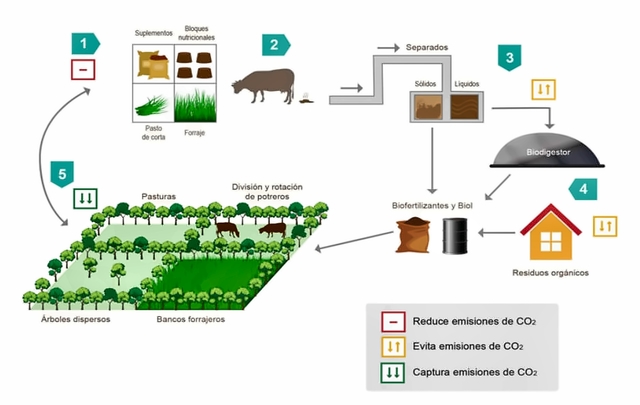
- Supplementing milking cows with concentrates, cut-and-carry grasses or silage;
- Paddock management plans with soil analysis and rest periods;
- Appropriate stocking rates;
- Choosing grasses and legumes suited to each zone.
The results are already influencing policy. In Costa Rica and Honduras they contribute to building the livestock NAMA, and in Honduras the work in Atlántida was validated with the Ministry of Environment (MiAmbiente) within the national livestock platform. In Nicaragua, the project promoted dialogue to encourage sustainable, low-emission livestock farming. It also left behind:
- An emissions spreadsheet for Central America;
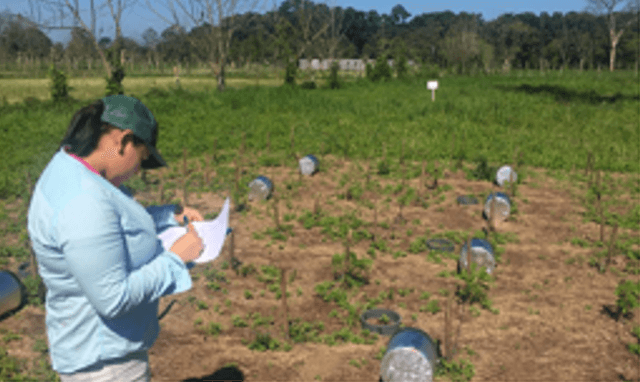
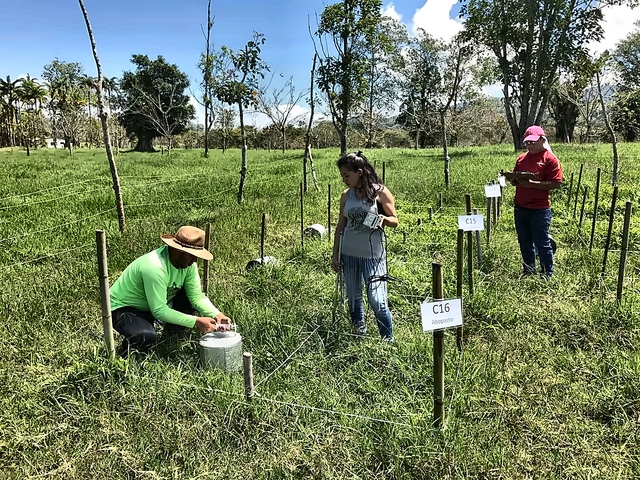
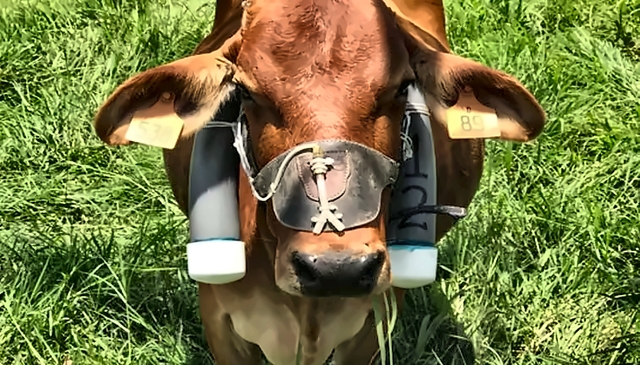
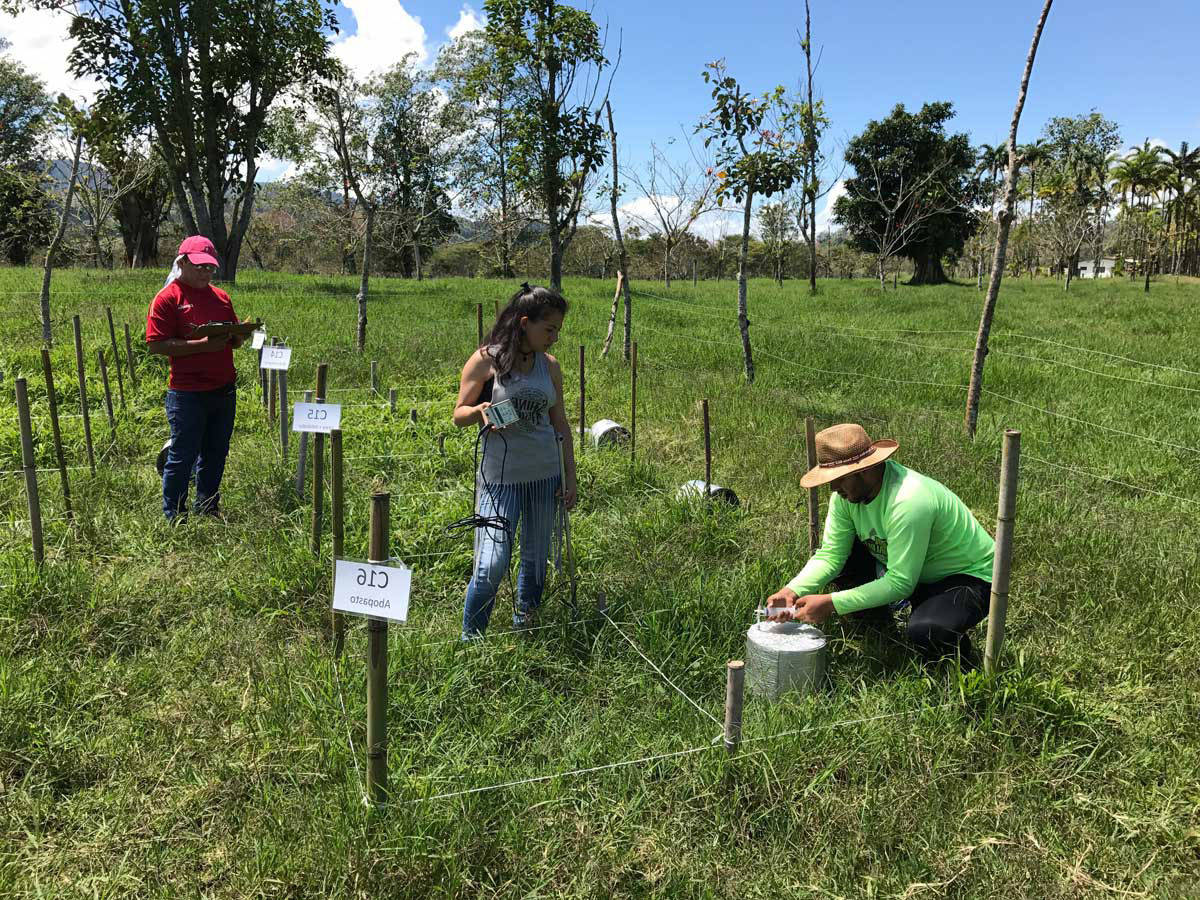
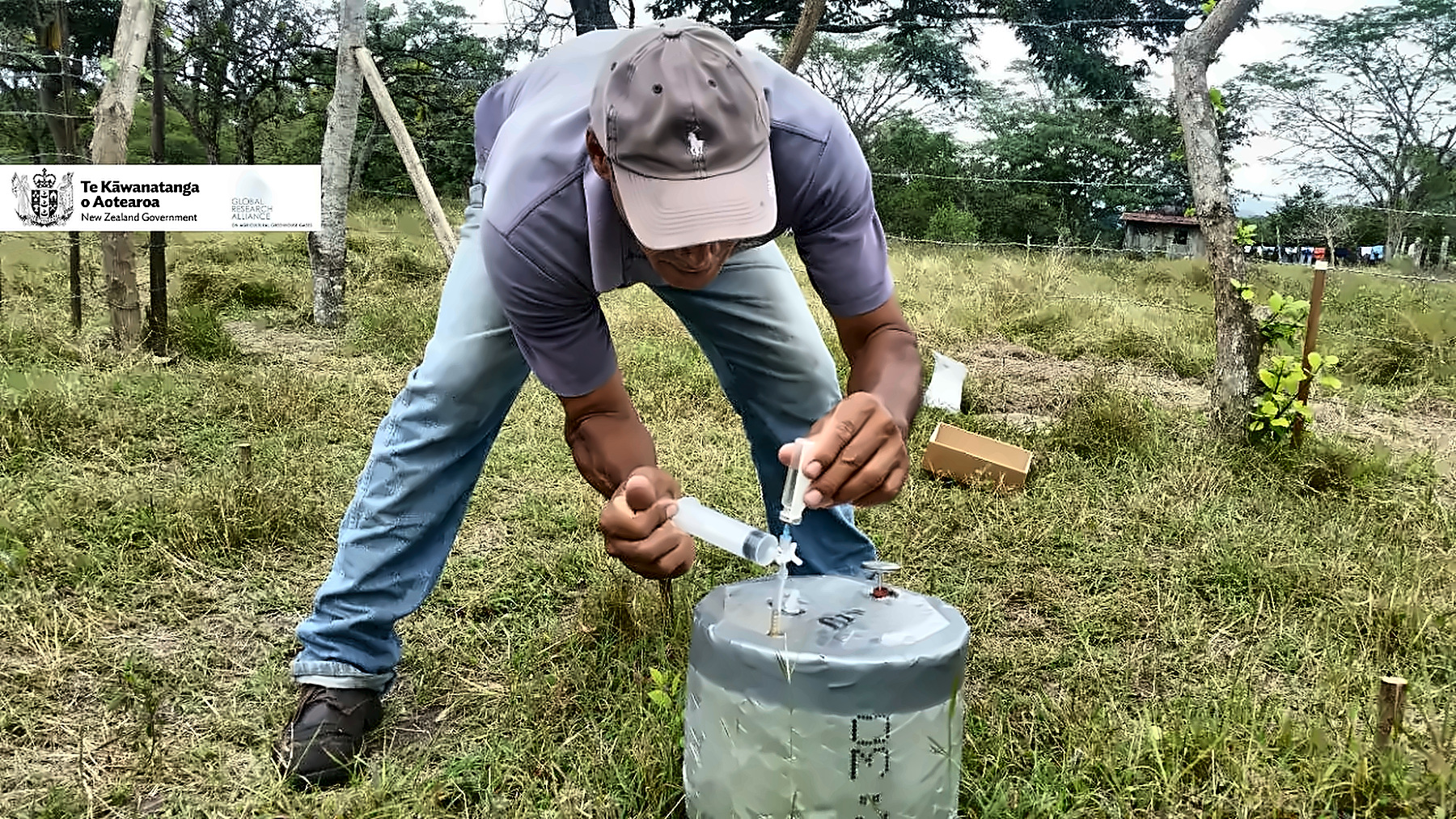
- Adjusted methodologies to measure methane and nitrous oxide;
- A video on good livestock practices for mitigation;
- 100 trained farmers (15% women) and 15 technicians trained in gas measurement;
- Several undergraduate and master’s theses.
🔗 Project page, includes the results story (in Spanish) 🔗 Impact story (in Spanish) 🎥 Impact story video (in Spanish)