 Impact
 Initiatives
 Dashboard
 Alliances


 Impact
 Initiatives
 Dashboard
 Alliances

 Technological
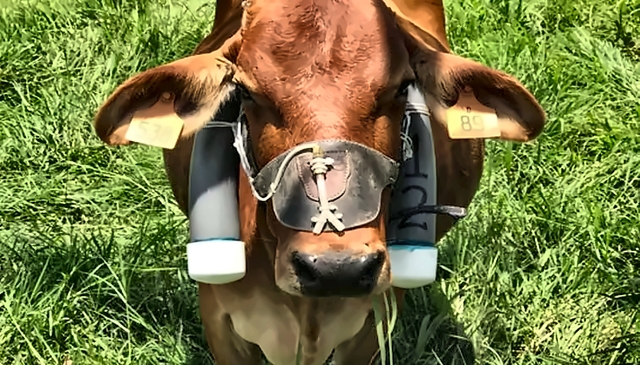
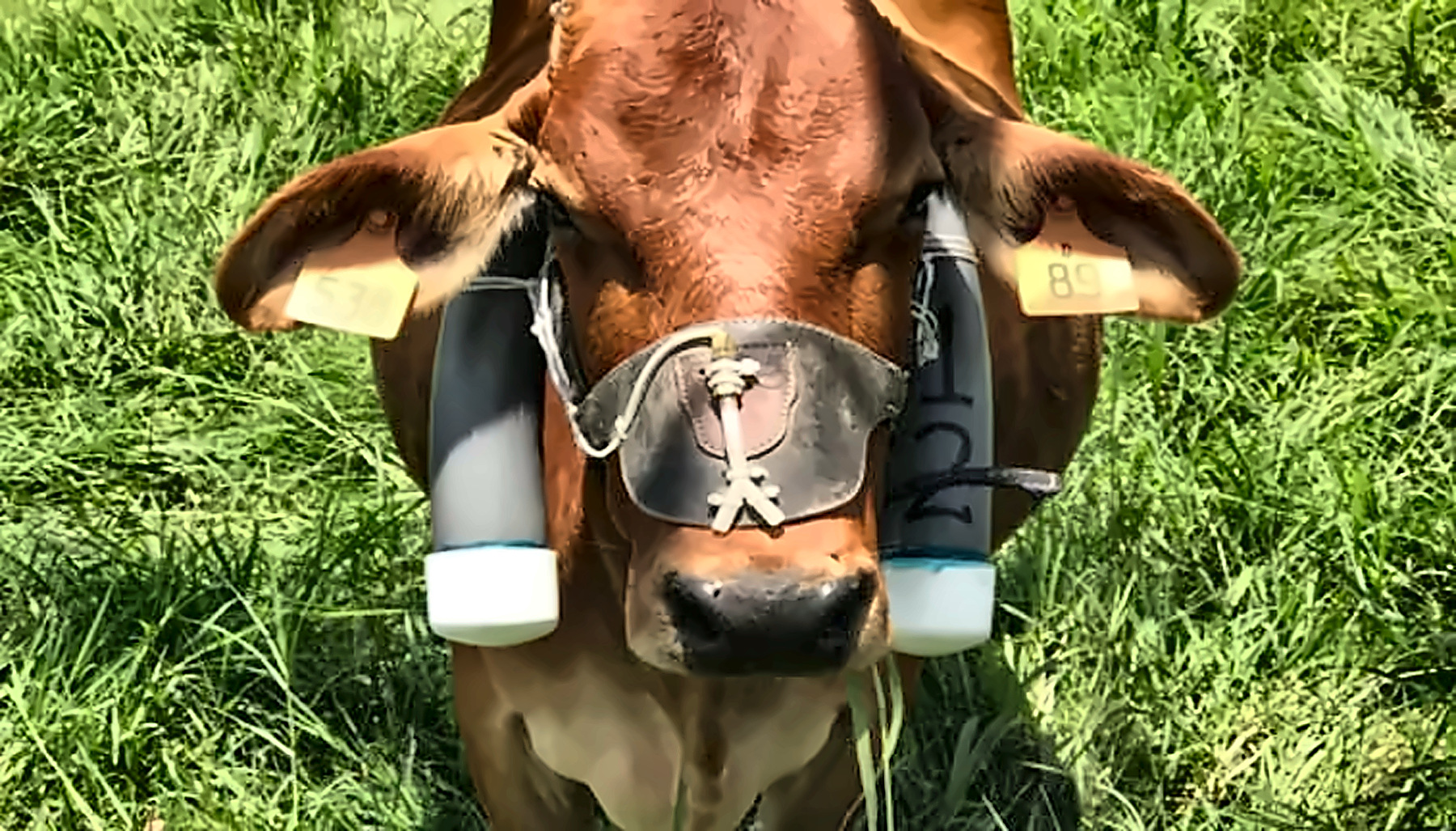
In its second phase, the project moved on to experiments to estimate region-specific emission factors. In Costa Rica, enteric methane was measured in 16 grazing Brahman cattle using the sulfur hexafluoride (SF₆) technique, which lets animals graze freely while a collar collects samples. A traditional ratana pasture was compared with a hybrid Cayman grass pasture under rational grazing. The study showed that daily emissions per kilo of live weight were higher in lighter animals and decreased as they grew. This is a key insight for improving national inventories.
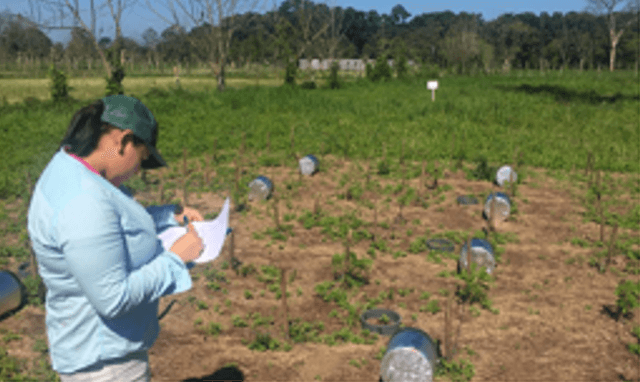
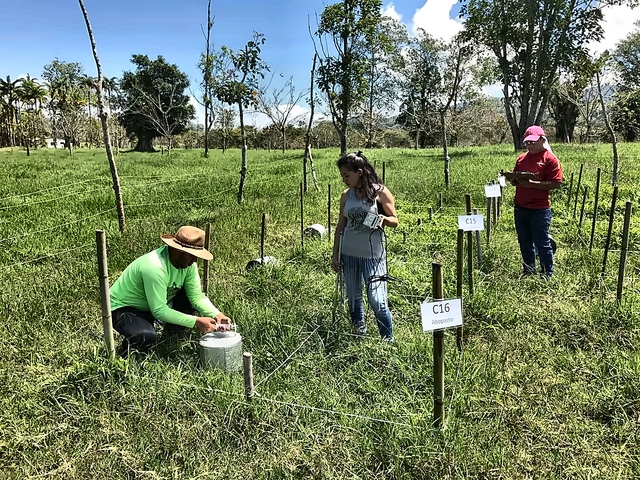
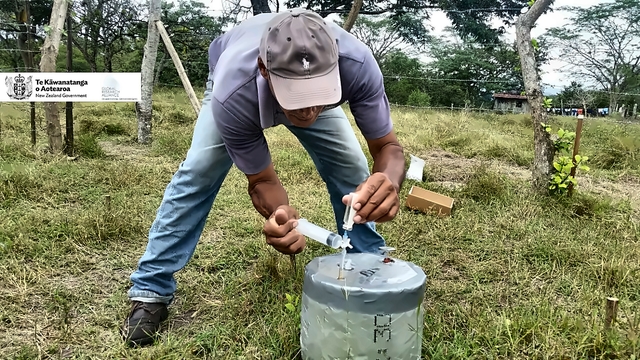
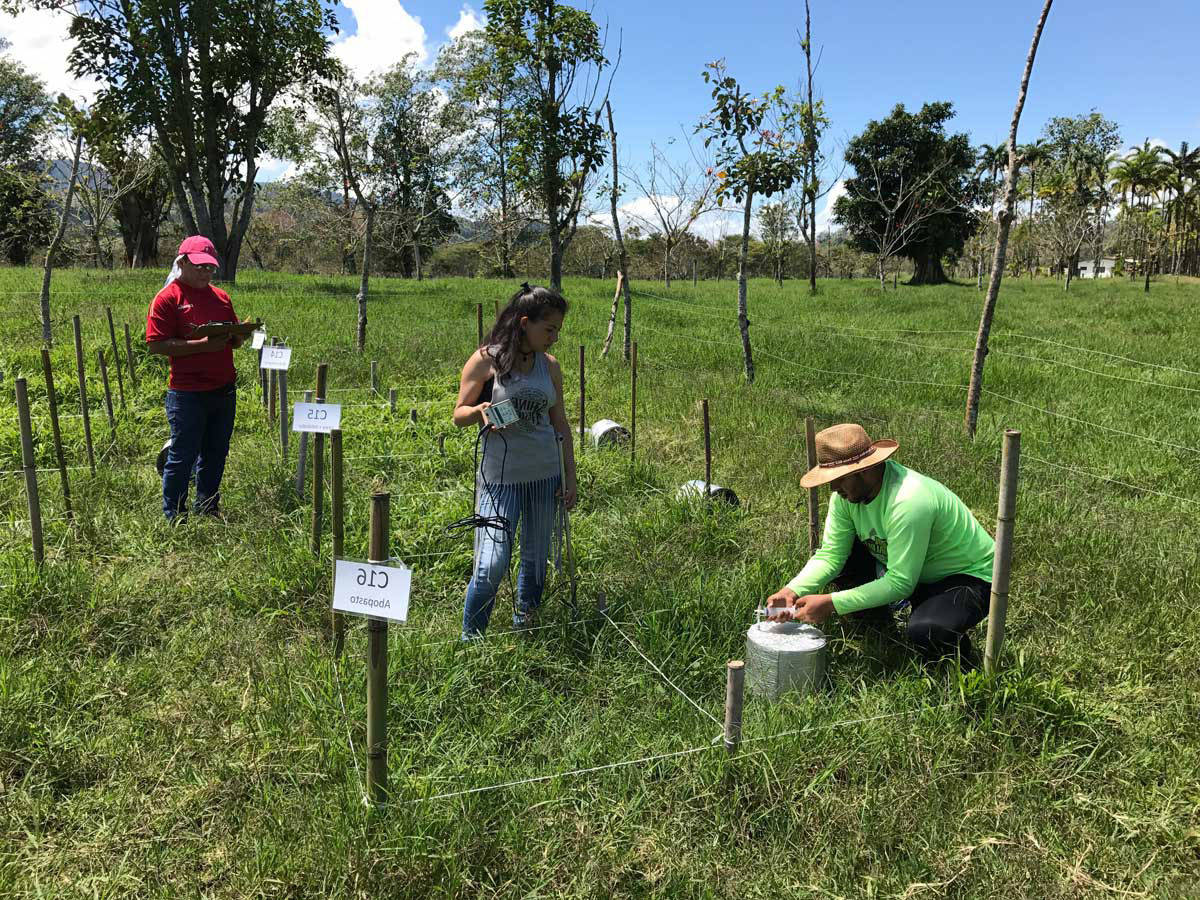
At the same time, four sites were set up to measure nitrous oxide with the closed-chamber technique, validated by the project for Central America, and to assess the effect of different fertilizers on active pastures. In Costa Rica and Nicaragua, urea with an inhibitor showed the lowest emissions, while in Honduras bocashi emitted less than urea. In Honduras, the trial was carried out under an agreement with the Atlantic Coast Regional University Center (CURLA) of the National University.
📄 Final technical report (in Spanish) 📄 2018 poster (in Spanish) 🔗 Project page (in Spanish)