 Impact
 Initiatives
 Dashboard
 Partnerships

 Impact
 Initiatives
 Dashboard
 Partnerships

 Technological-Organizational-Institutional
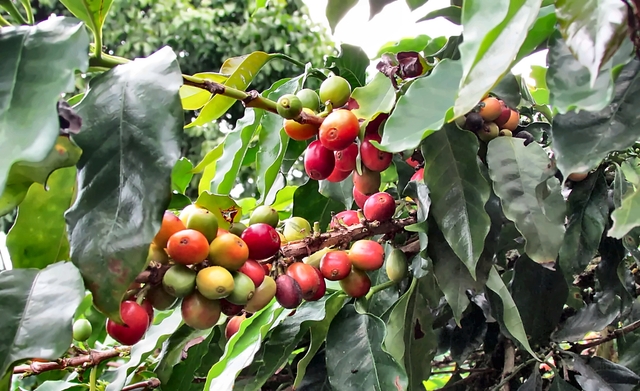
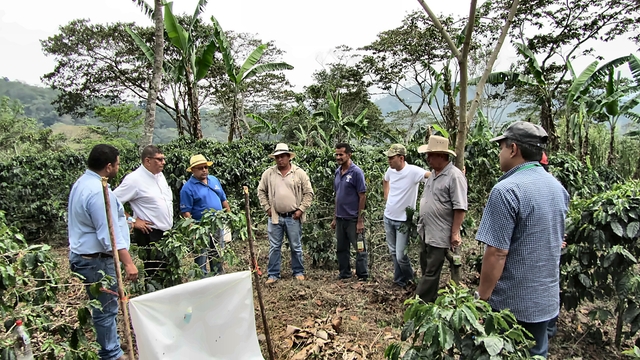
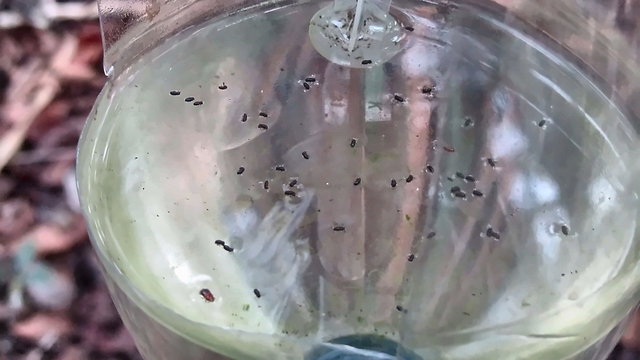
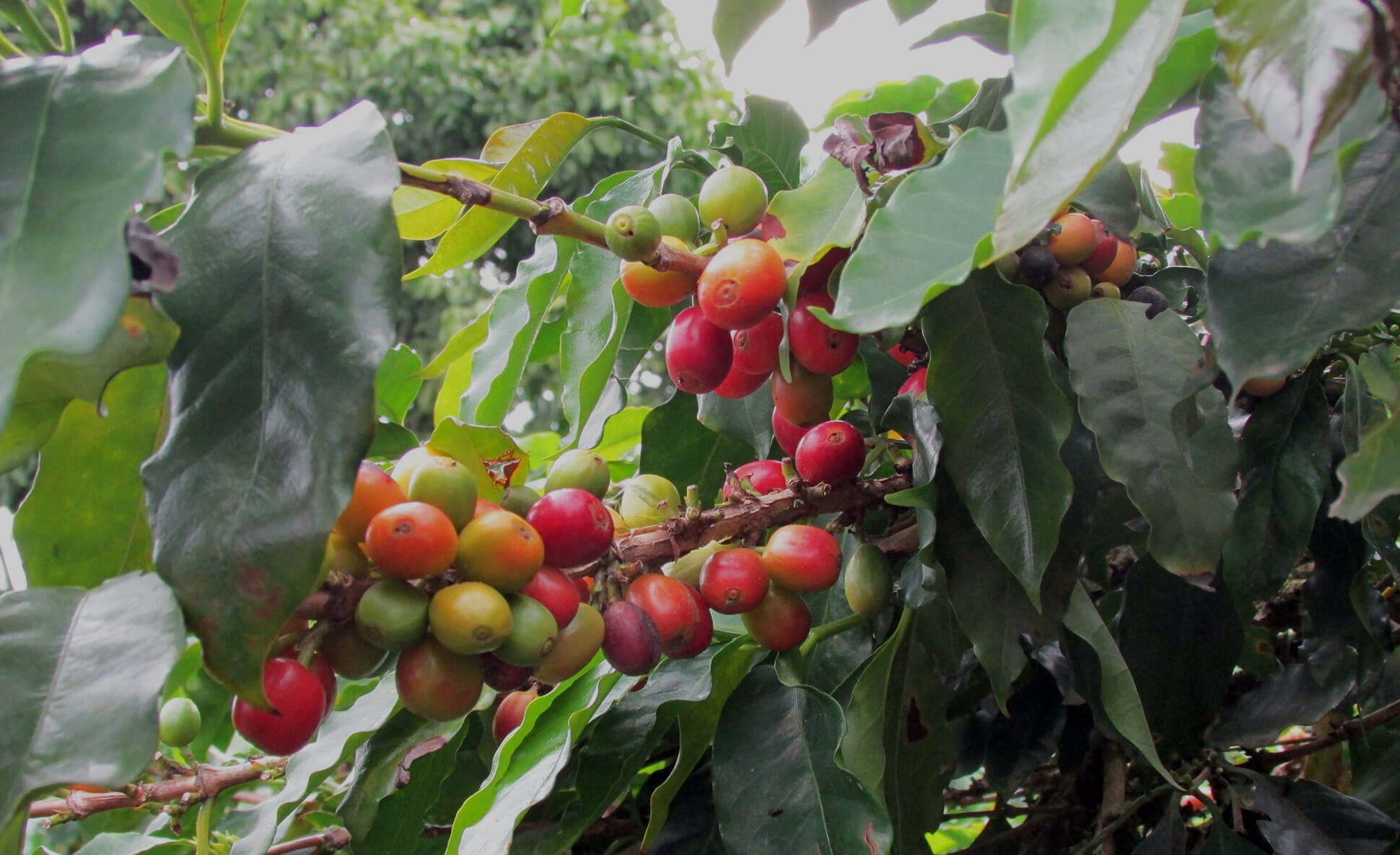
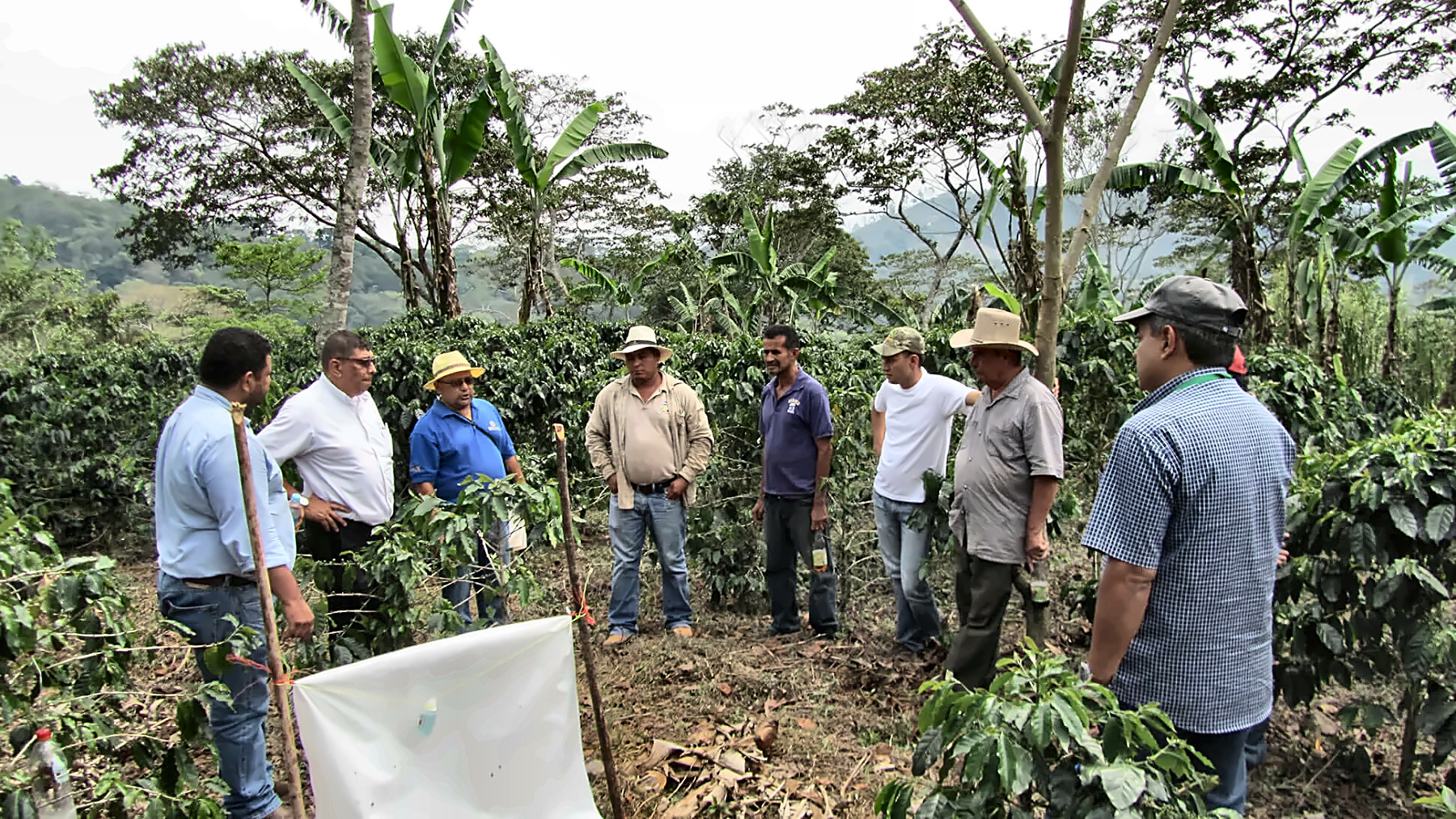
The FONTAGRO-supported project “Review of Coffee Berry Borer Management Strategies” combined on-farm pest monitoring with records of rainfall, temperature and relative humidity in each area. With this information, a climate database was built, along with a report linking berry borer population behavior to climate in Panama, Honduras and Nicaragua. The findings offer very practical keys:
- Beans left after harvest, on the ground or on the plant, allow the borer to survive and infest the new crop. Removing them is a simple and effective measure.
- High temperatures speed up the insect’s cycle and favor its move to new crops.
- With less rain, the pest spreads. From June onward infestation rises, and that is the key time to step up monitoring.
- Late rains and early harvests help the pest’s cycles continue.
Monitoring also served as an early warning: it detected the borer in highland Arabica coffee in San Jerónimo, Honduras, at 1,440 meters above sea level. It also showed that the strategies recommended so far were designed for highland coffee. With this knowledge, the project prepared a proposal to adapt management to the phenology and conditions of lowland coffee.
🔗 Project page (in Spanish) · 📄 2018 poster (in Spanish) · 📄 Final technical report (in Spanish)