 Impact
 Initiatives
 Dashboard
 Alliances


 Impact
 Initiatives
 Dashboard
 Alliances

 Technological
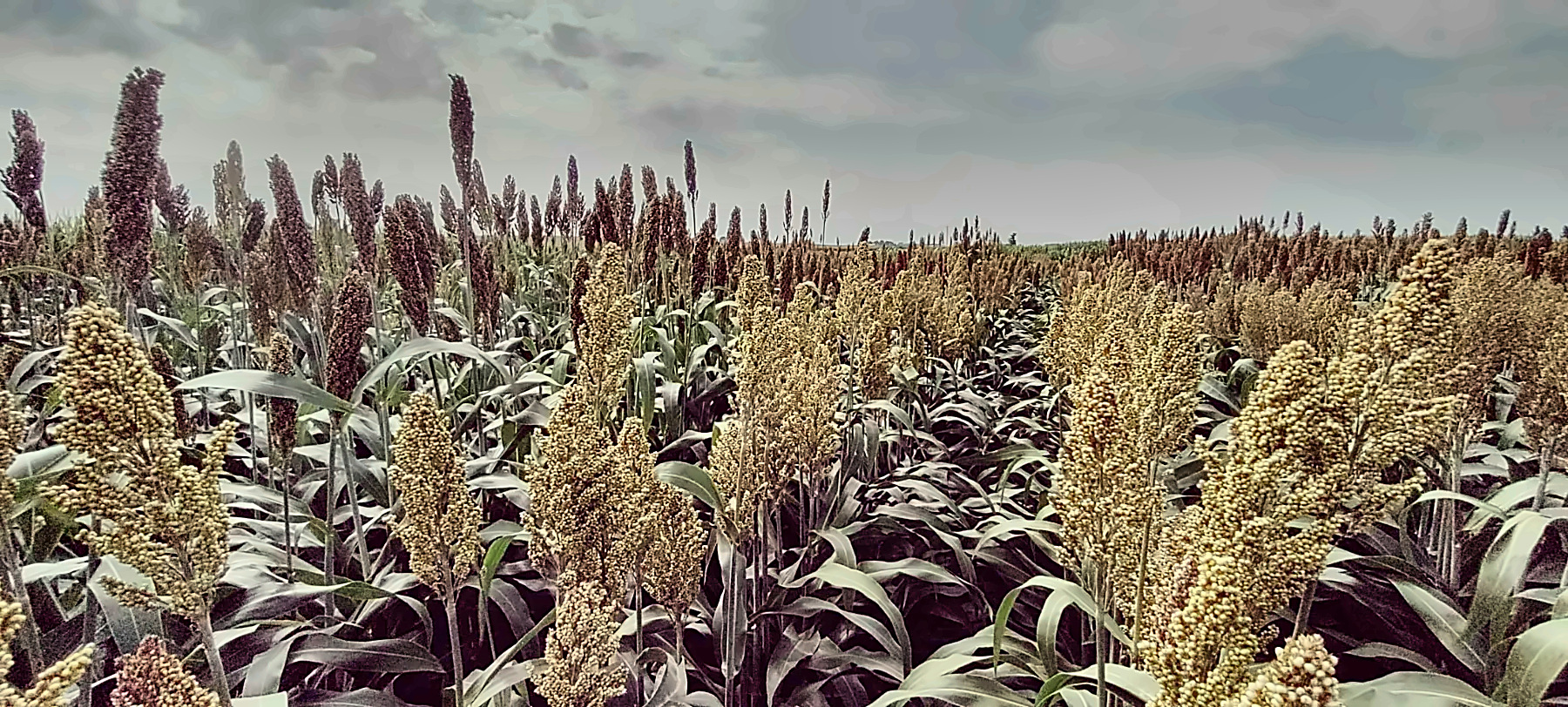
The project published a monograph defining the main sorghum mega-environments in three countries:
- Honduras, four regions: South/Gulf of Fonseca, Comayagua Valley, West and East.
- Panama, three regions in the Arco Seco: Azuero, Herrera and Coclé.
- Peru, four regions: Cajamarca, Junín, Lambayeque and Ica.
Prepared by Carlos Messina, University of Florida, the study scales up to the national level the characterization of the experimental sites in Marcovia, El Ejido and Baños del Inca. It combines climate, soil and topography data with multivariate analysis and with reference stations from DICTA - Honduras, IDIAP -Panama and INIA - Peru.
The results confirm that water stress is the main constraint, from Honduras’ long dry season to the Peruvian coast, which receives only 41 to 103 mm of rain a year. They also reveal other challenges, such as soil acidity, salinity, poor drainage and Andean cold. The study therefore recommends adding these tolerance criteria to genotype evaluation and prioritizing truly distinct environments when choosing new sites. In FONTAGRO’s SciENCEVoices video, project leader Ignacio Hisse presents the project, which will combine adapted genotypes with a digital agronomic recommendation platform.
📄 Product 3.1: environment characterization (in Spanish) 🎥 Ignacio Hisse video, SciENCEVoices (in Spanish) 🔗 Project page (in Spanish)