 Impact
 Initiatives
 Dashboard
 Alliances


 Impact
 Initiatives
 Dashboard
 Alliances

 Technological
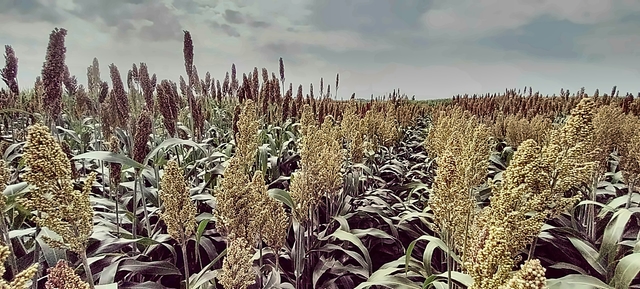
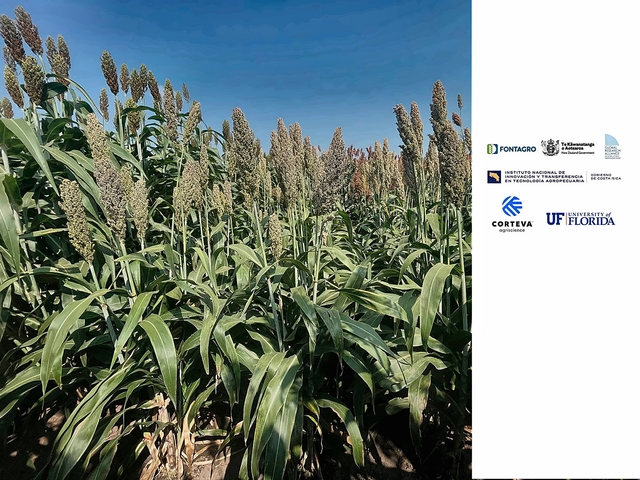
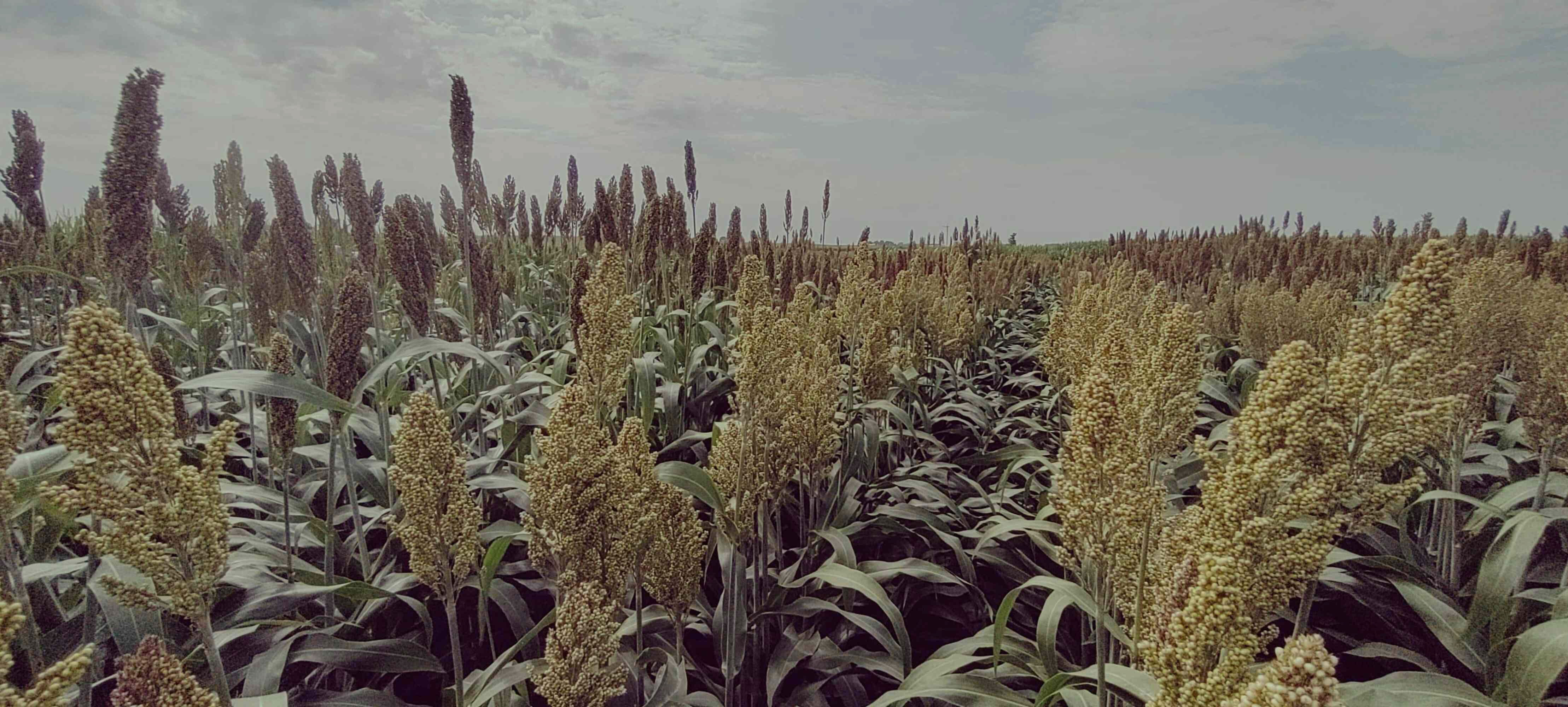
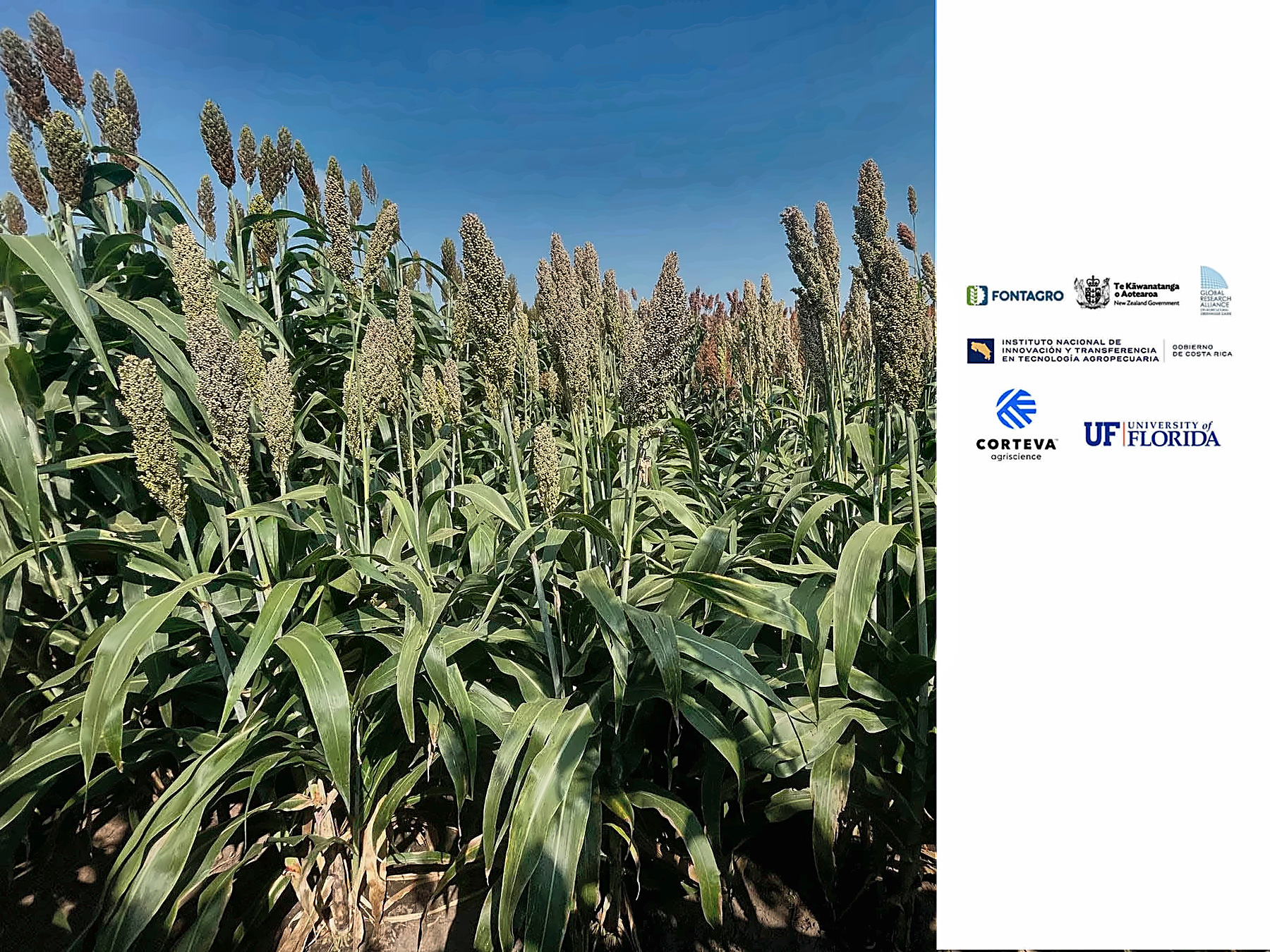
At its 19th Extraordinary Meeting, FONTAGRO’s Board of Directors authorized the project “Integration of sorghum cultivation into Latin American production systems,” funded by the Government of New Zealand as part of its contribution to the Global Research Alliance on Agricultural Greenhouse Gases (GRA). Its purpose is to sustainably intensify agricultural systems in dry areas of Latin America and the Caribbean using sorghum genotypes and other forage cereals adapted to each environment. Sorghum was chosen for its high tolerance to water deficit, water-use efficiency, C4 metabolism and contribution of carbon to the soil.
The initiative is executed by:
- National Institute for Innovation and Transfer in Agricultural Technology (INTA) – Costa Rica
- Directorate of Agricultural Science and Technology (DICTA) – Honduras
- Agricultural Innovation Institute of Panama (IDIAP) – Panama
- National Institute of Agricultural Technology (INTA) – Argentina
- National Institute of Agrarian Innovation (INIA) – Peru
Associated partners:
- Colombian Agricultural Research Corporation (AGROSAVIA) – Colombia
- Dominican Institute of Agricultural and Forestry Research (IDIAF) – Dominican Republic
- Nicaraguan Institute of Agricultural Technology (INTA) – Nicaragua
- Cornell University (Cornell) – United States
- Corteva Agriscience (CORTEVA) – United States
- University of Florida (UF) – United States
The goal is for some 2,000 small and medium-scale farmers in the Central American Dry Corridor and other regions of Latin America to add sorghum cultivars, with management adapted to each environment, to their systems, diversifying production and making it more resilient.
🔗 Project page (in Spanish) 📄 Technical cooperation document (in Spanish)