 Impact
 Initiatives
 Dashboard
 Partnerships

 Impact
 Initiatives
 Dashboard
 Partnerships

 Technological-Organizational-Institutional
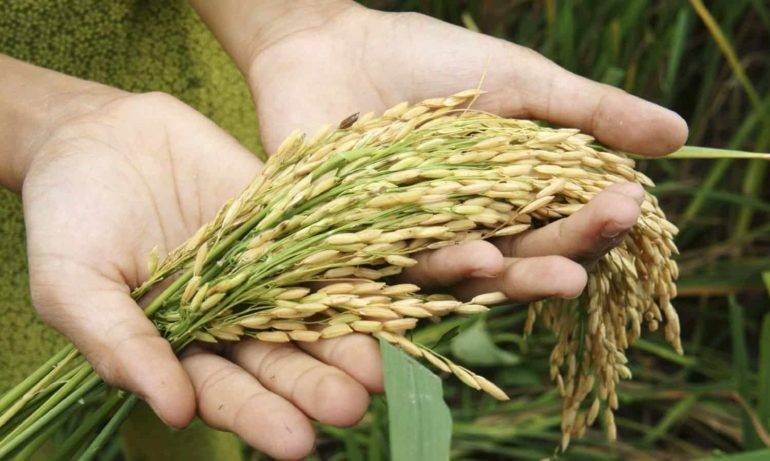
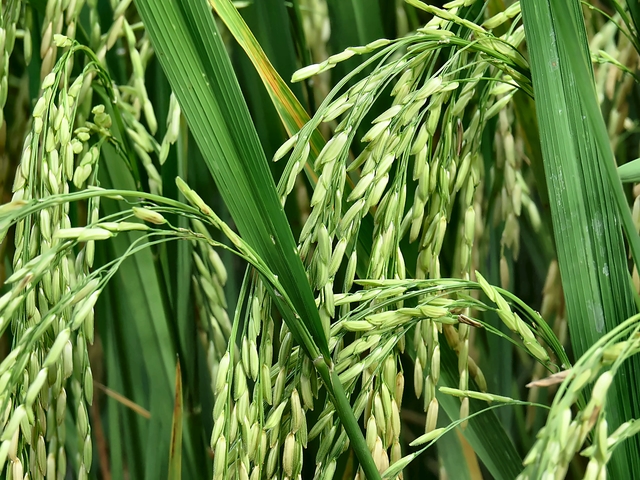
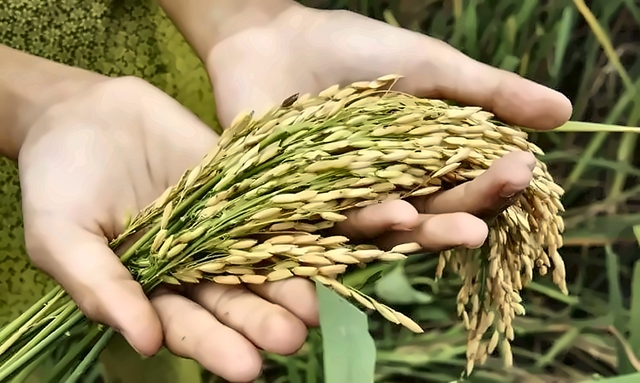
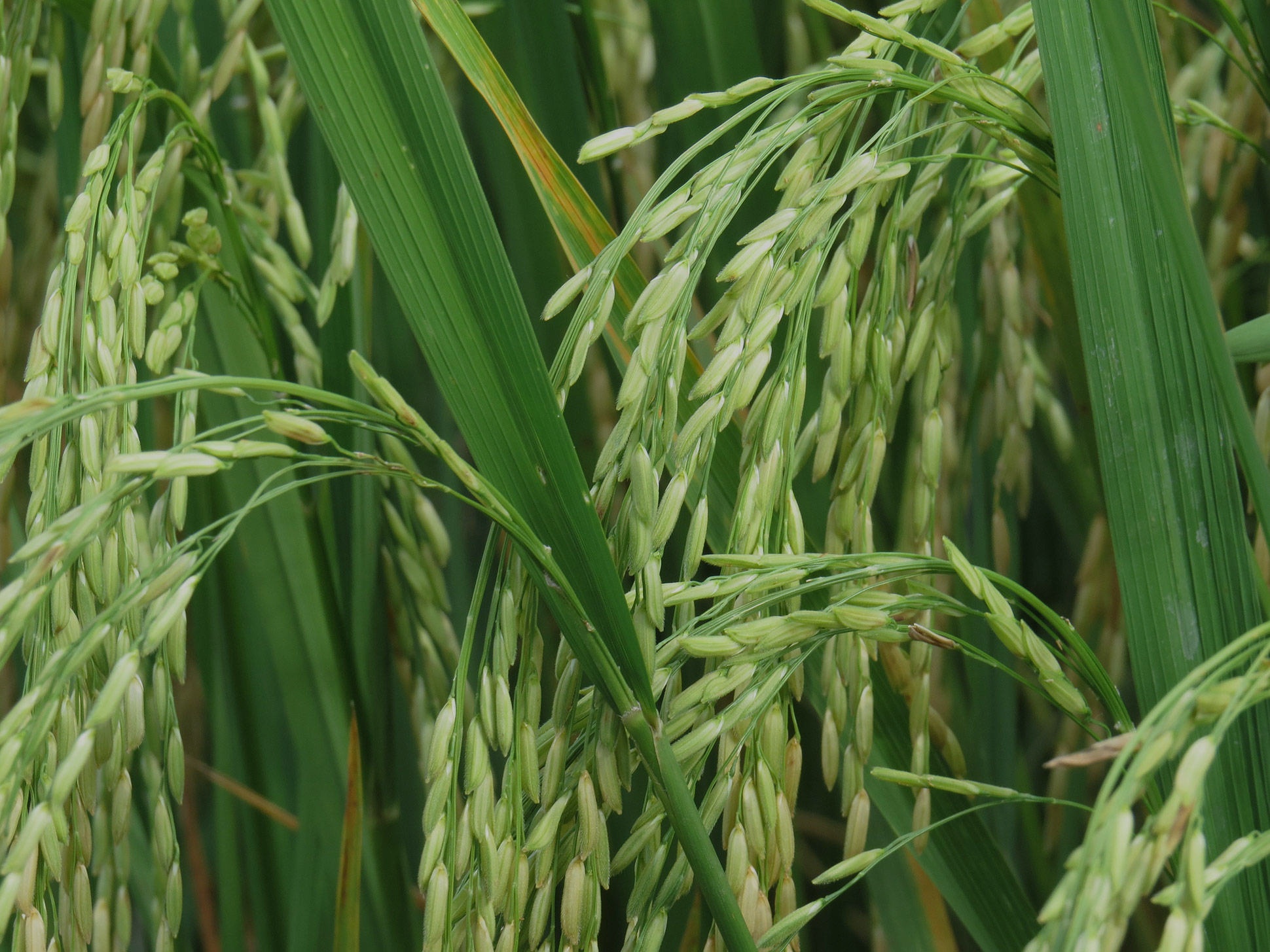
Rice is an essential food for millions of families in Latin America and the Caribbean. In Panama, Costa Rica and Nicaragua, some 50,000 small producers grow more than 85,000 hectares of this grain every year, mostly as family farmers. To strengthen their food security and their ability to adapt to the climate, the project “Food Security Challenge in LAC: Validation of Rice Farming Practices to Improve Water Use Efficiency” (FTG/RF-14891-RG) is launched. It is executed by the Agricultural Innovation Institute of Panama (IDIAP), together with Costa Rica’s National Institute for Innovation and Transfer in Agricultural Technology (INTA) and the Nicaraguan Institute of Agricultural Technology (INTA).
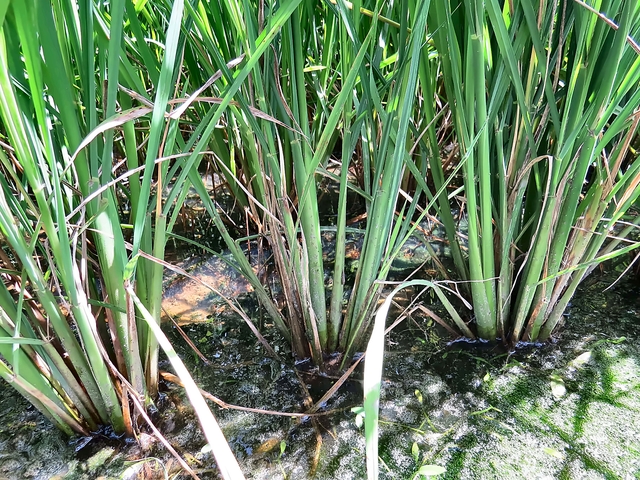
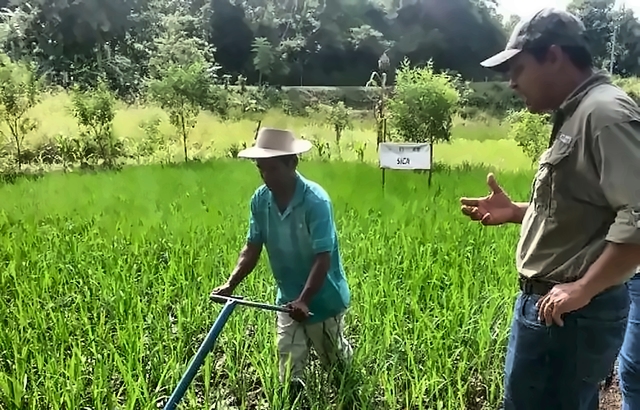
Over 36 months, the project will validate SRI, a system that originated in Madagascar and has been evaluated in some 50 countries. It proposes a different way of managing the crop:
less seed and wider planting distances, which strengthen the roots;
fewer inputs and an organic approach that protects soil health;
intermittent irrigation instead of permanent flooding.
The goals are ambitious: raise yields by 50%, family incomes by 30% and water use efficiency by 20%. To get there, the project sets up collaboration platforms that bring together producers, technicians and researchers in the three countries.
🔗 Project page (in Spanish) · 🔗 Impact story (in Spanish)