 Impact
 Initiatives
 Dashboard
 Alliances

 Impact
 Initiatives
 Dashboard
 Alliances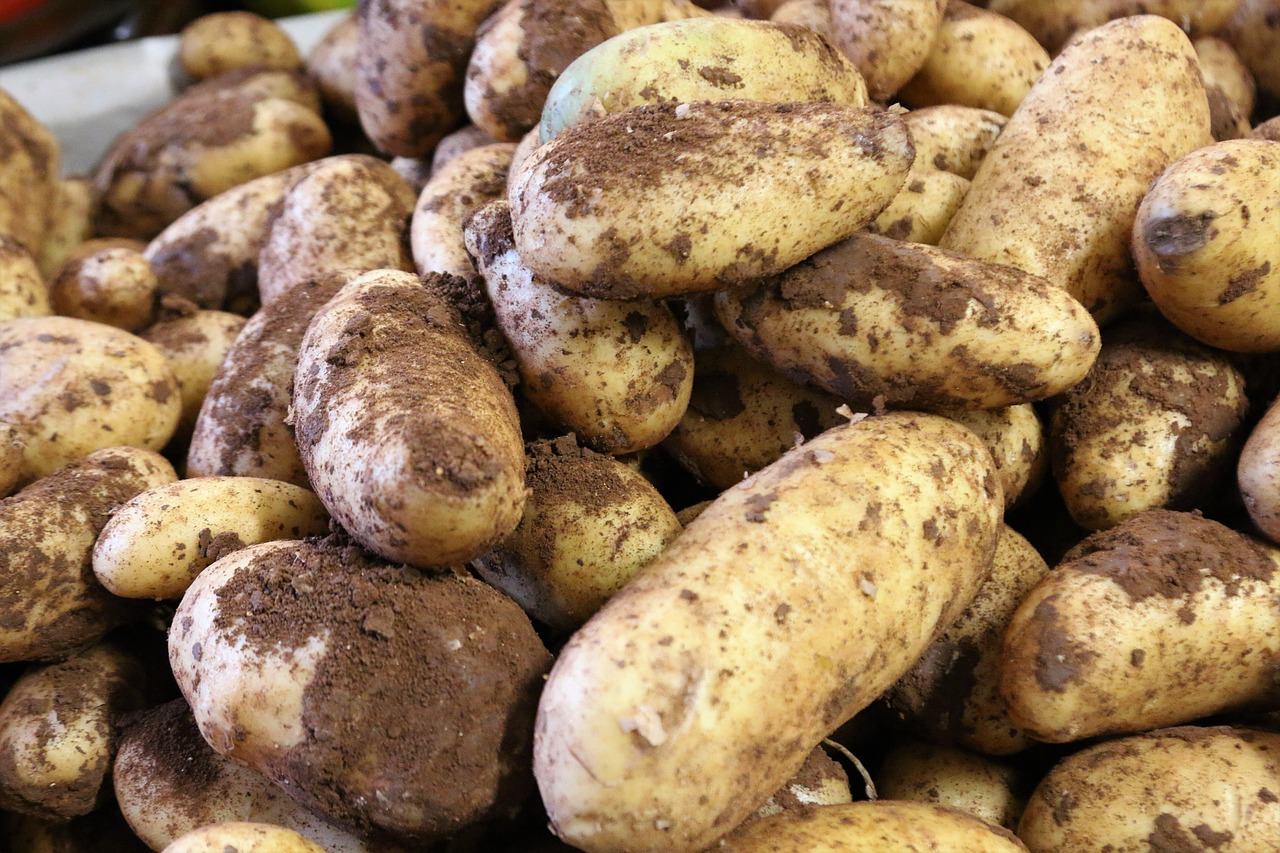

 Technological
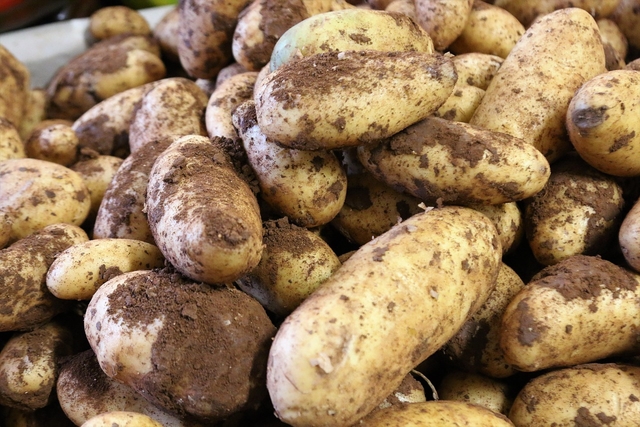
Argentina has reached a new milestone in agricultural innovation with the approval of OLI INTA, a potato variety developed by the National Institute of Agricultural Technology, INTA, using gene-editing tools. This variety was incorporated into the National Registry of Cultivars and the National Registry of Cultivar Property by the National Seed Institute, INASE, enabling its commercial advancement.
The main characteristic of OLI INTA is its ability to reduce enzymatic browning in the tuber, that is, the brown spots that usually appear when potatoes are damaged by impacts during harvest, transport, storage, or processing. This trait represents a strategic improvement for the value chain, as it helps reduce losses, decrease waste, and preserve product quality until it reaches industry and consumers.
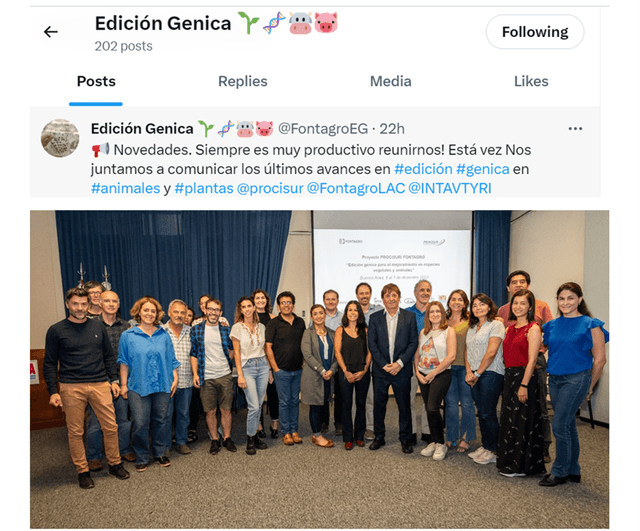
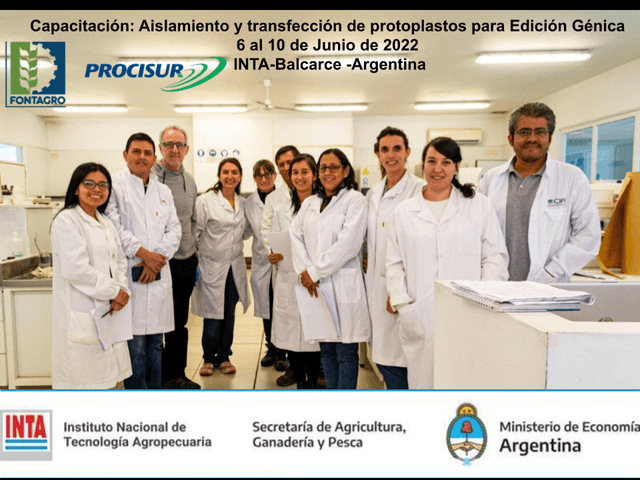
This achievement is part of the results of the regional project supported by FONTAGRO, which focuses on the use of gene editing to accelerate agricultural innovations in crops and animals of importance to Latin America and the Caribbean. In the case of potatoes, the work made it possible to advance concrete solutions to improve the crop’s industrial and commercial quality, responding to a key demand from producers, processors, and consumers.
Gene editing enables precise modifications in specific traits of productive interest, without indiscriminately altering the rest of the genetic material. In OLI INTA, the innovation focused on reducing the activity associated with browning, one of the causes of visual deterioration and loss of commercial value in potatoes.
The approval of this variety demonstrates the potential of public research and regional cooperation to transform scientific knowledge into applied solutions. It also reinforces the importance of strengthening technical, regulatory, and institutional capacities so that new technologies can reach the productive sector in a responsible, safe, and problem-solving-oriented manner.
OLI INTA represents not only a new potato variety, but also a concrete example of how science, technology, and regional collaboration can generate practical responses to the challenges facing agriculture today.
The full article is available at: “Papa aguantadora: Se aprobó una variedad del tubérculo desarrollada por el INTA que no se mancha por los golpes.”



.png&w=640&q=100)