 Impact
 Initiatives
 Dashboard
 Alliances

 Impact
 Initiatives
 Dashboard
 Alliances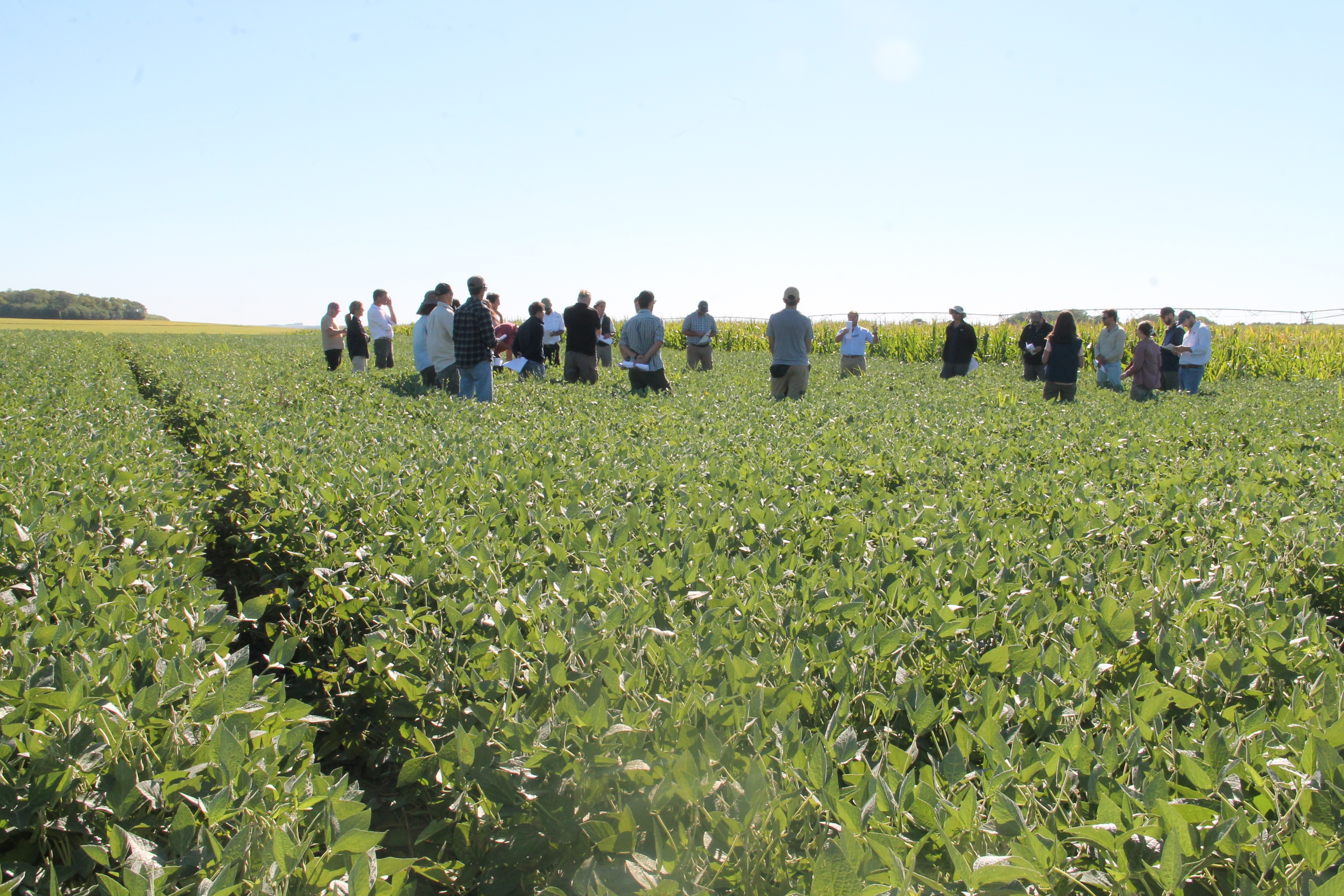

 Technological
The meeting once again underscored the commitment of both the human team and the institutions involved in advancing toward more sustainable production systems, while also highlighting the importance of these spaces for collective learning and dialogue between the scientific and productive sectors.
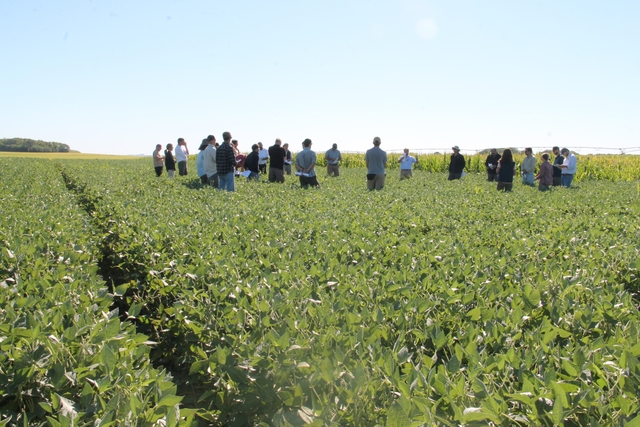
This gathering continued the work initiated during a first visit to the Ingleby company fields in Mercedes, where different alternatives to conventional crop management are being implemented. Within this framework, researchers and professionals from the productive sector consolidated a space in which direct observation and the exchange of experiences foster progress toward concrete solutions.
The value of living laboratories
One of the most relevant aspects of the meeting was the opportunity to directly observe the progress of two research projects currently being developed on site. These trials demonstrate a clear commitment to generating knowledge under real production conditions, addressing the inherent complexity of agricultural and livestock systems.
This approach, already implemented in Uruguay by research teams from the Faculty of Agronomy at the University of the Republic (Udelar), enables the generation of more applicable results, which are essential for guiding both productive decision-making and public policy design.
In addition to Udelar’s support, the initiative receives funding from the Food and Agriculture Organization of the United Nations (FAO). Through our project, we contribute a strong scientific perspective on landscape ecology in productive systems, grounded in years of applied research conducted in similar contexts, particularly in Argentina.
Polycultures: exploring strategies to reduce input use
One of the projects focuses on soybean and maize strip intercropping as a strategy for stink bug control, one of the major challenges affecting soybean crops. The proposal seeks to spatially diversify crops in order to create barrier effects that hinder pest invasion while simultaneously promoting the presence of beneficial organisms.
Discussions centered on preliminary observations and on potential adjustments to improve the strategy. Among the proposed modifications were changes in plot configuration and spacing between treatments, as well as the integration of complementary management tools.
This trial contributes to a deeper understanding of the complexity of productive systems, where reducing chemical input use requires integrated approaches and precise adjustments.
Multifunctional landscapes: designing buffer zones for water protection
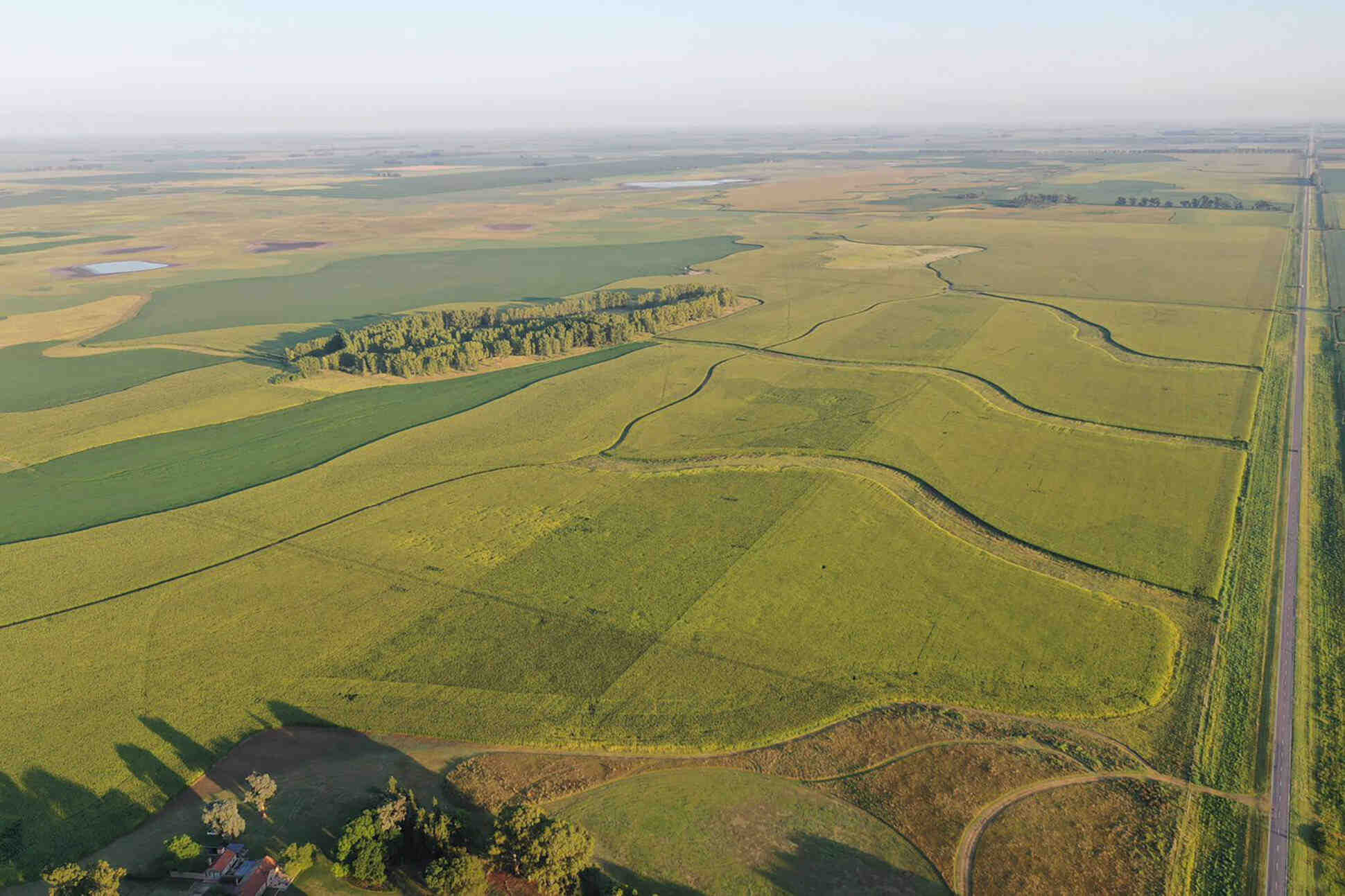
The second approach analyzed proposes a redesign of the productive landscape aimed at improving water quality in agricultural-livestock systems. This perspective encourages thinking about production beyond immediate yield, promoting the restoration of ecosystem services and strengthening sustainability through the development of more resilient multifunctional landscapes.
Within the visited watershed, the redesign seeks to reduce nutrient losses, particularly phosphorus, and mitigate negative environmental impacts. To achieve this, the proposal combines livestock exclusion from sensitive areas, restoration of native vegetation, grazing management, and optimized fertilization practices.
Lessons learned and challenges
The experiences presented reveal both advances and limitations, highlighting that transitions toward more sustainable systems involve management practices developed under uncertain conditions, where continuous evaluation and readjustment are essential.
The implemented alternatives show significant potential; however, further research and continued exchanges between science and practice remain necessary. It is also essential to analyze each context individually and generate robust knowledge capable of guiding more accurate decision-making.
Undoubtedly, this meeting provided an opportunity to collectively assess, within the living laboratory itself, which practices proved effective and which factors may have influenced the results. The exchange of perspectives and proposals for future trials was particularly enriching.
The potential of collaboration
The participation of research teams from the University of the Republic, the Institute for Research on Natural Resources, Agroecology and Rural Development (UNRN–CONICET), the Uruguayan Center for Appropriate Technologies (CEUTA), and the Saras Institute, together with technical and business-sector actors, was fundamental to the development of these projects. The value of this collaboration in promoting evidence-based innovation is especially noteworthy.
In a global context marked by environmental, climatic, sanitary, and regulatory challenges, these initiatives generate concrete evidence and situated learning experiences that are essential for advancing toward the design of multifunctional landscapes that are sustainable, resilient, and aligned with current market demands.