
 Impact
 Initiatives
 Dashboard
 Alliances
 Impact
 Initiatives
 Dashboard
 Alliances


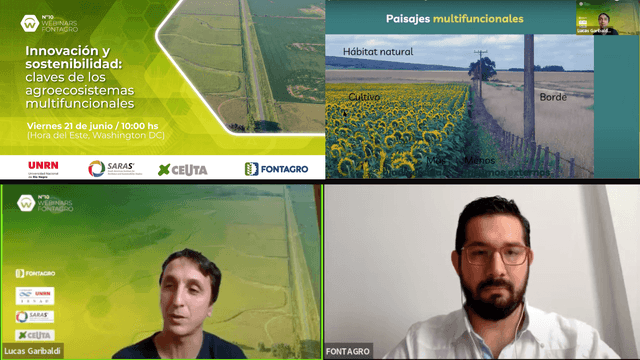
Learn more about this story
Project Webstory
Go to webstory




 Agronomic PracticesAppliedTechnological
 2023
2023 Active
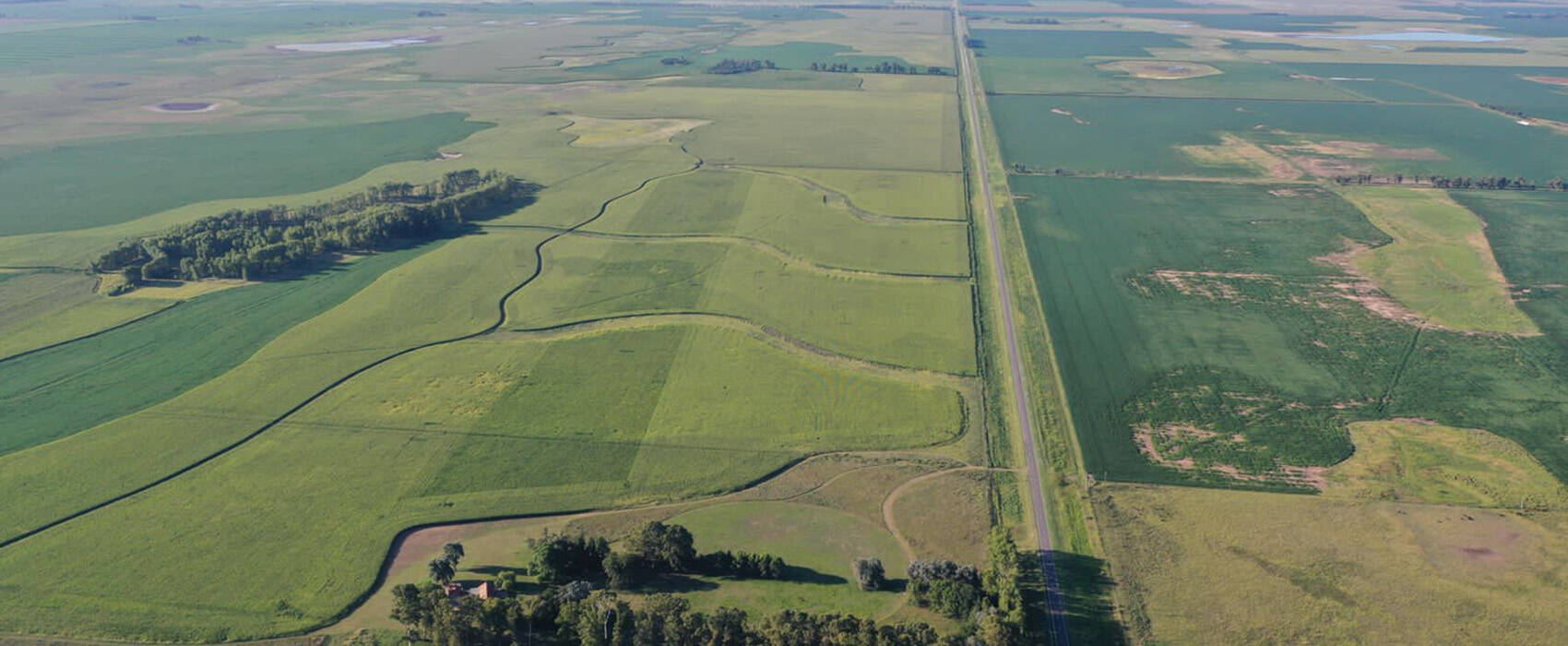
In Argentina and Uruguay, agriculture is an important economic pillar due to its exceptional production levels, which meet the population's needs and generate significant income. However, the expansion of agriculture, driven by technological advances, climate change phenomena, and market conditions, has harmed the environment. In both countries, agricultural practices are associated with excessive use of farm inputs and the adoption of intensive cropping sequences.
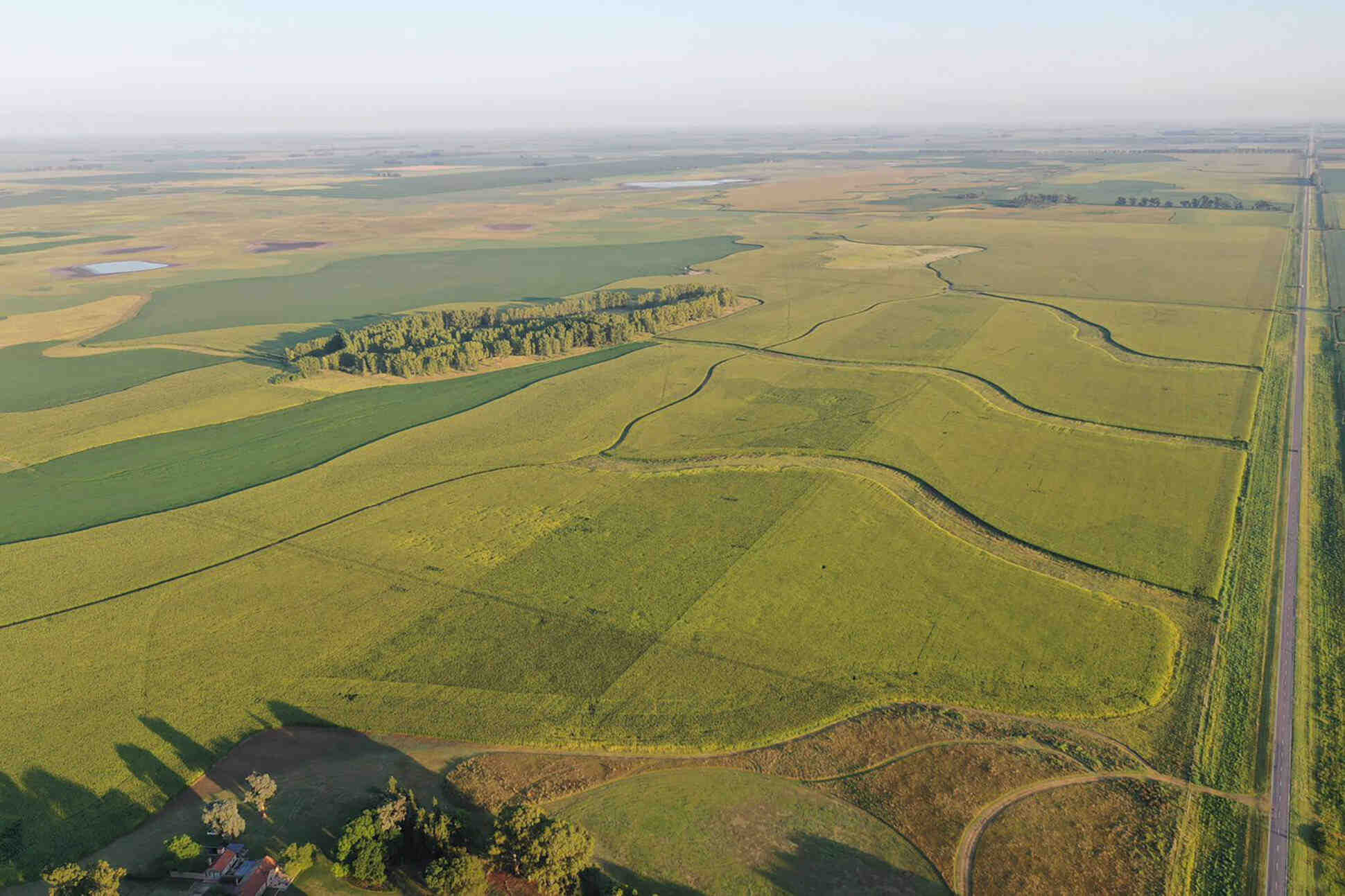
In this project, we aim to demonstrate that conserving natural or semi-natural environments and landscape diversification are important for restoring and maintaining essential crop ecological services. Among other benefits, these aspects promote agricultural yields, reduce dependence on agrochemicals, minimize the presence of pests and weeds, and reduce greenhouse gas emissions. We aim to achieve a sustainable transition through designing, implementing, and evaluating multifunctional landscapes. To this end, we will use methodologies that integrate satellite information, statistical tools, and machine learning for analyzing agricultural data, virtual landscape modeling, implementing and monitoring biodiversity-based solutions in the field, and communication strategies to share knowledge and promote adoption.
This initiative aims to promote transitions toward multifunctional landscapes in Argentina and Uruguay through the adoption of sustainable practices, strengthening the management of large-scale datasets and enhancing governance through participatory mechanisms.
The proposed solution addresses the lack of predictability in agricultural management through three key technical components:
• Hybrid Data Integration: Combines yield maps generated through precision agriculture with landscape metrics derived from MapBiomas to systematically quantify how proximity to natural habitats influences agricultural productivity.
• Intelligent Modeling: Employs Machine Learning algorithms (Random Forest and VSURF) that integrate Sentinel satellite imagery, climatic data, and private farm management records (SIMA) to develop predictive models of crop yields and pest pressure.
• Landscape Redesign Protocols: Promotes the implementation of multifunctional landscapes through the establishment of biological corridors and cover crops, enhancing ecosystem services and agricultural sustainability.
Since the beginning of the project, significant progress has been achieved across four main areas:
Big Data Consolidation and Predictive Modeling:
An unprecedented analytical infrastructure has been established through the processing of 285 yield maps—nearly three times the number originally proposed—and the consolidation of a geospatial database containing more than 4 million records. Using Machine Learning techniques (Random Forest and VSURF), predictive models were developed that explain more than 80% of the variance in soybean yield, integrating satellite-derived variables (Sentinel), climatic data, and private farm management records (SIMA).
Field-Level Results and Biodiversity:
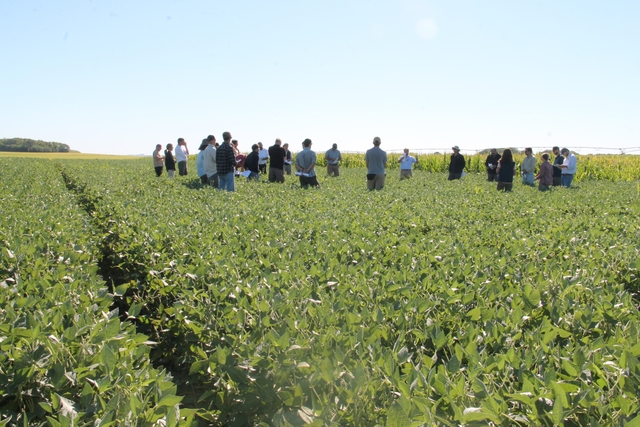
Landscape redesign has become an operational reality on farms such as Monte Hermoso, where multispecies biological corridors have been established. Systematic monitoring has collected 16,000 insect specimens, and preliminary assessments confirm an increase in the functional diversity of pollinators and natural pest control agents. In addition, seed banks are being analyzed to evaluate weed dispersal dynamics under these new landscape configurations.
Governance and Institutional Engagement:
An active binational network linking Argentina and Uruguay has been consolidated, connecting academia with public and productive sectors through workshops, seminars, and field days. A major milestone has been the strategic incorporation of this research agenda into the Institute for Sustainable Food Systems Transitions (ITSSA), together with ongoing efforts to establish the Permanent Landscape-Scale Research Platform (PPIEP) in collaboration with FAO. These initiatives are expected to facilitate the translation of scientific advances into public policies that promote resilient agricultural systems.
Knowledge Management and Dissemination:
Project outcomes have been presented at key scientific conferences and published in academic outlets. Outreach materials have also been produced, including videos that have reached more than 7.000 views, contributing to the early dissemination and uptake of project results among relevant stakeholders.
This project actively contributes to achieving the Sustainable Development Goals, promoting more equitable, resilient, and sustainable regional development.





Lucas Alejandro Garibaldi
ArgentinaPaula Florencia Zermoglio
ArgentinaFederico Bizzozero
UruguayNéstor Mazzeo
UruguayFacundo Oddi
ArgentinaPaula Galansino
ArgentinaJuan Manuel Piñeiro Guerra
The tangible impact of science and technology in the field
Sponsors


With the support of



.png&w=384&q=75)
.png&w=384&q=75)
.png&w=384&q=75)