 Impact
 Initiatives
 Dashboard
 Alliances


 Impact
 Initiatives
 Dashboard
 Alliances

 Technological-Organizational-Institutional
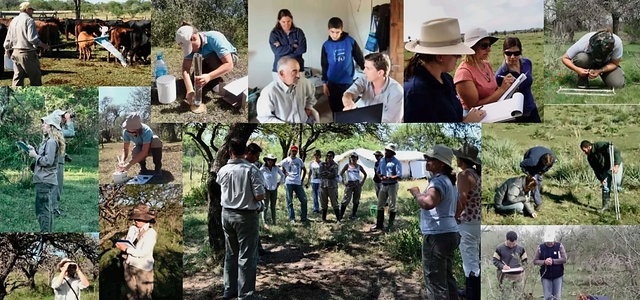
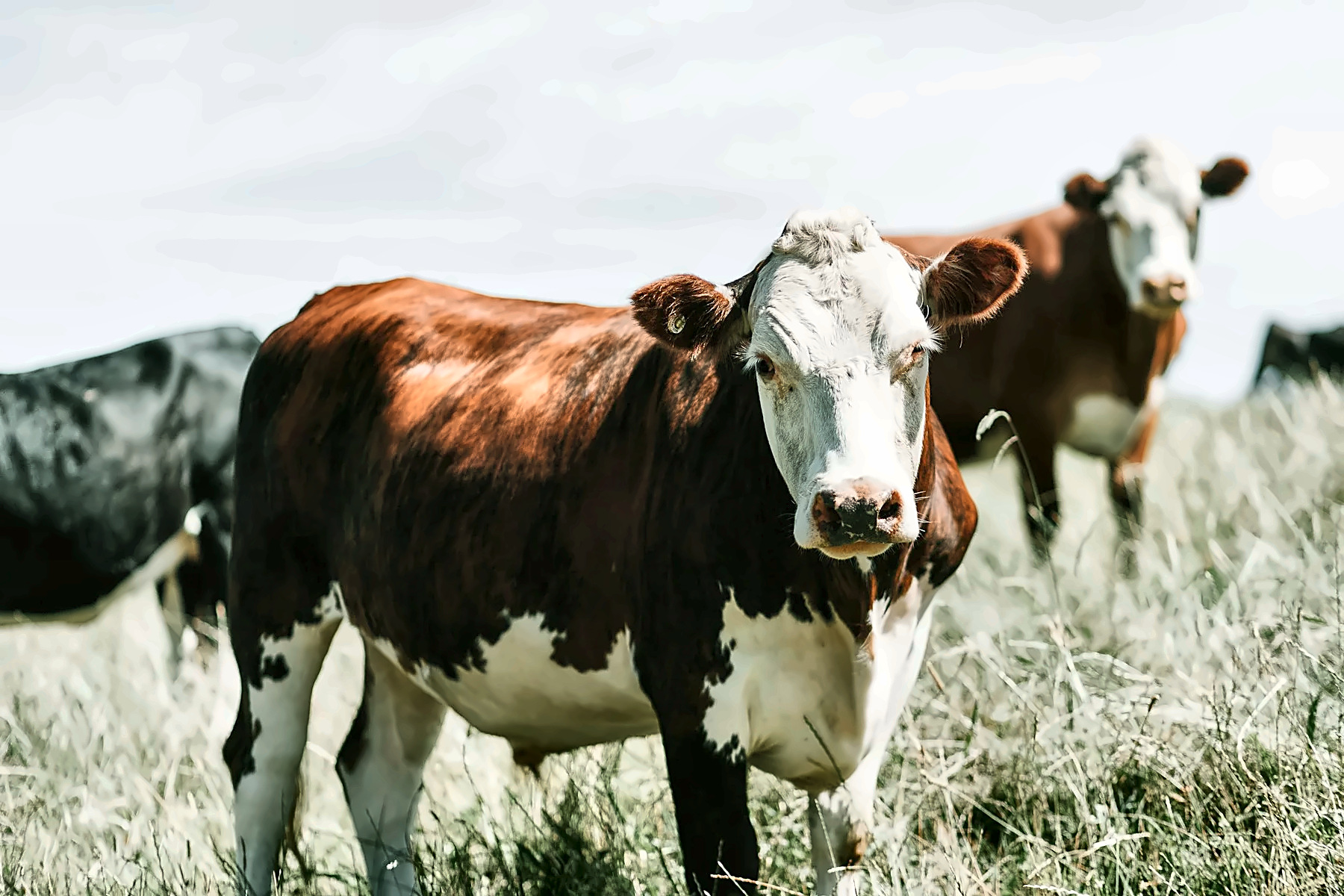
The final report of the project “Innovation platform for the sustainability of family livestock systems in Uruguay and Argentina” confirms that livestock farming on the Pampa Biome’s natural grasslands can be ecologically intensified, improving both family income and ecosystem services. The project supported co-innovation processes on 27 farms in Uruguay and 10 in Argentina. In Uruguay, where the full cycle of assessment and redesign was completed, co-innovation increased net income by 40%, exceeding the initial target: income rose from 50 to 77 US dollars per hectare, beef production per hectare grew by 26% and gross beef output by 58%, with no change in stocking rates or costs.
Co-innovating farms worked with forage allowances of 4.5 to 6 kg per kg of live weight, reached 100% pregnancy rates compared with 64% on other farms, and proved more resilient in climatically difficult years. The project also left a web tool for estimating grassland production and an unprecedented strategy linking research and extension. “You learn, and as you learn, you grow,” says Camila Burgueño, a farmer from Maldonado (Uruguay).
📄 Final technical report (PDF, in Spanish)
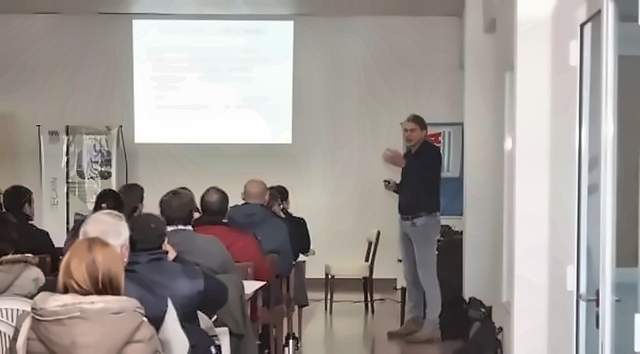
📄 Results presentation, 14th Annual Technical Monitoring Workshop 2019 (PDF, in Spanish)
🔗 Web tool for estimating grassland production
🎥 Video with farmers’ testimonials (in Spanish)
🔗 Project impact story (in Spanish)