
 Impact
 Initiatives
 Dashboard
 Alliances
 Impact
 Initiatives
 Dashboard
 Alliances




.jpeg&w=640&q=100)



.jpeg&w=640&q=100)


.jpeg&w=640&q=100)












Learn more about this story
Project Webstory
Go to webstory




 Agronomic PracticesAdaptativeTechnological-Organizational-Institutional
 2018
2018 Closed
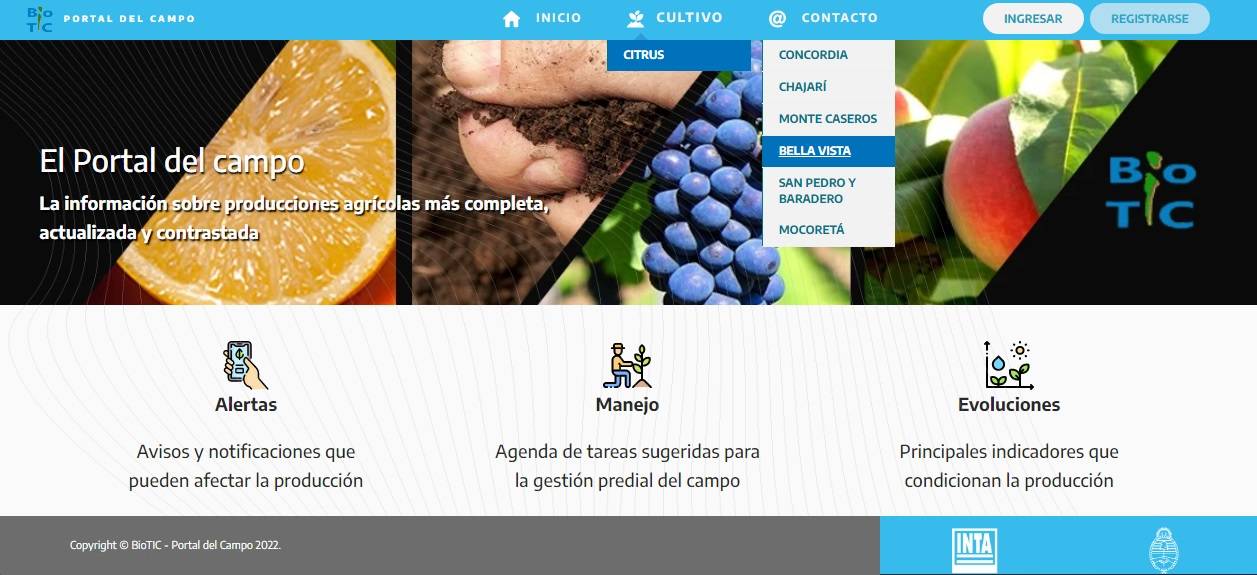
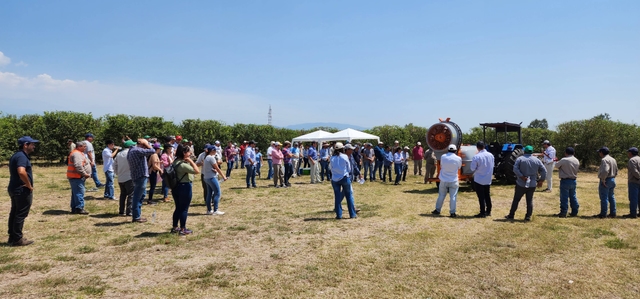
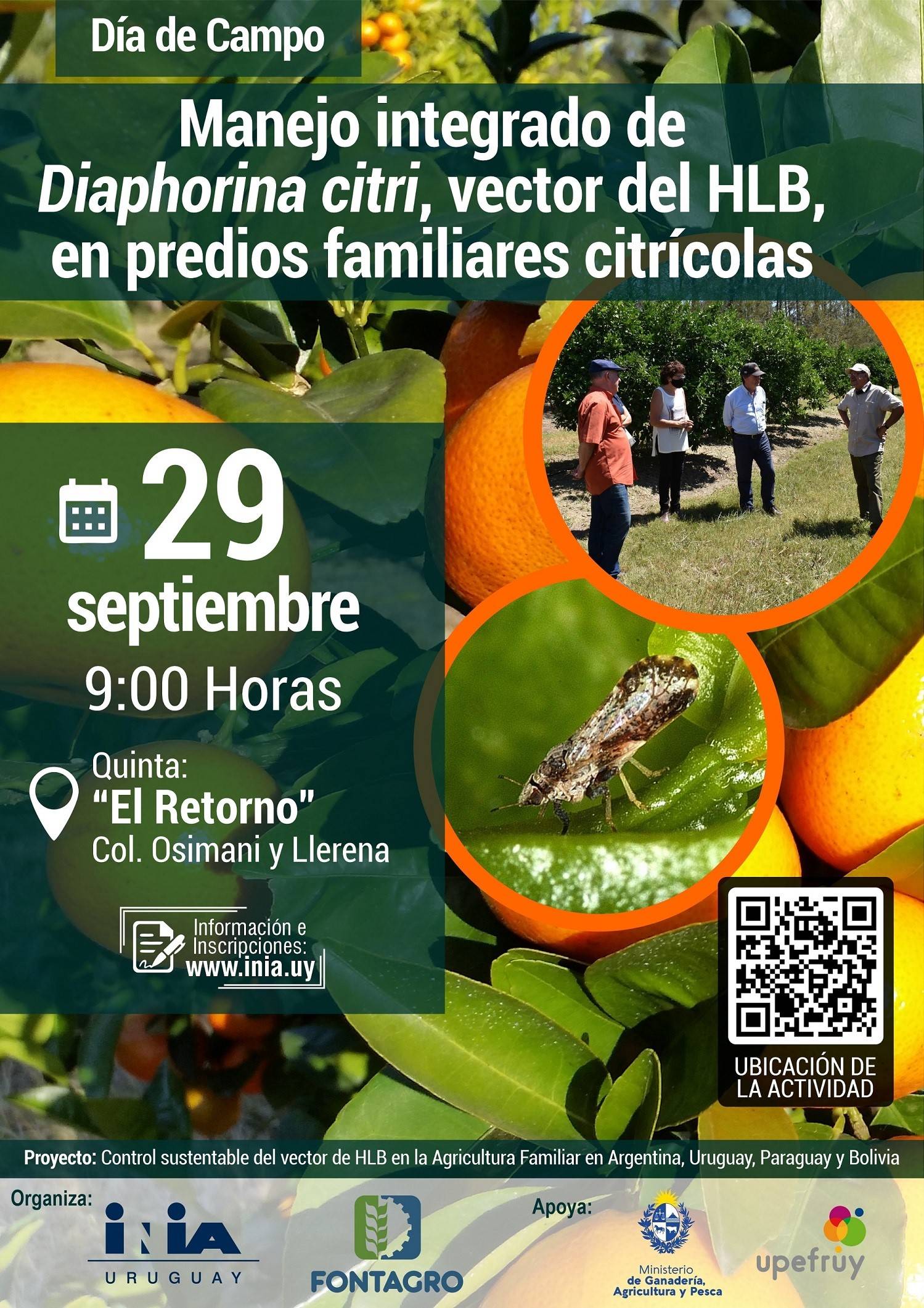
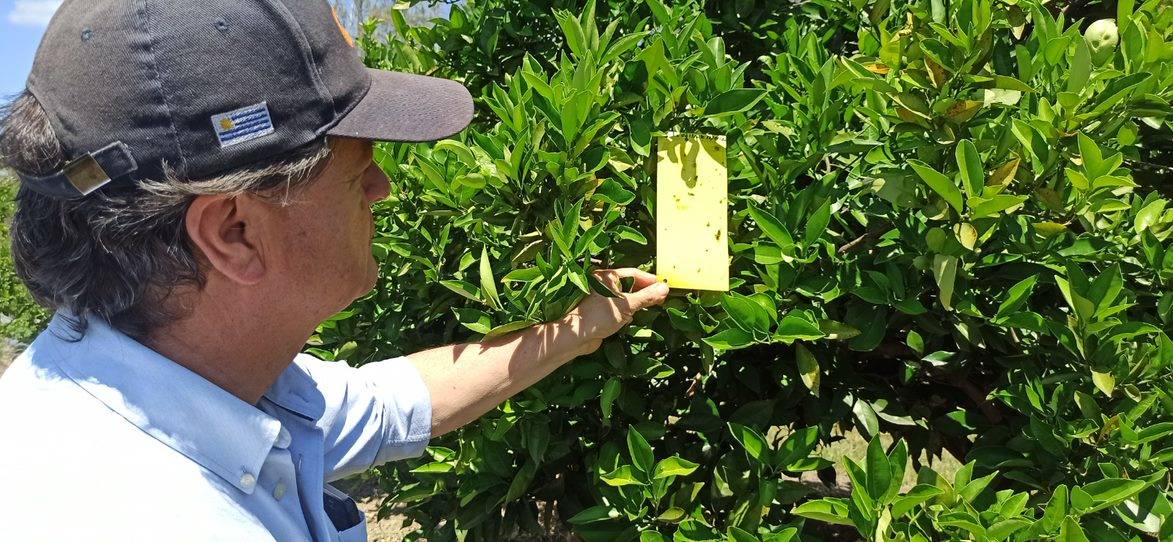
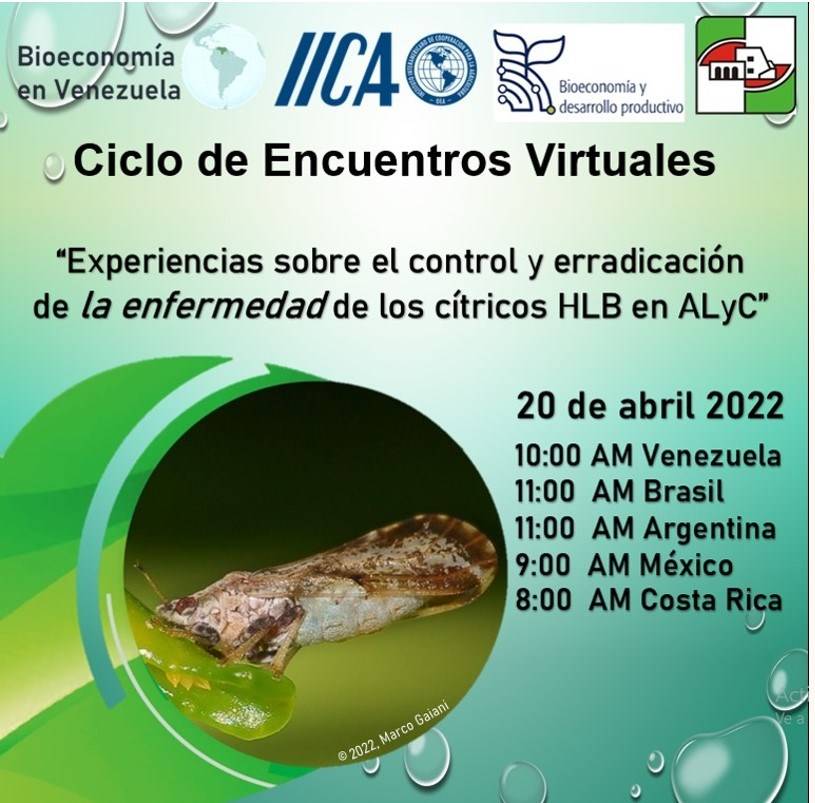
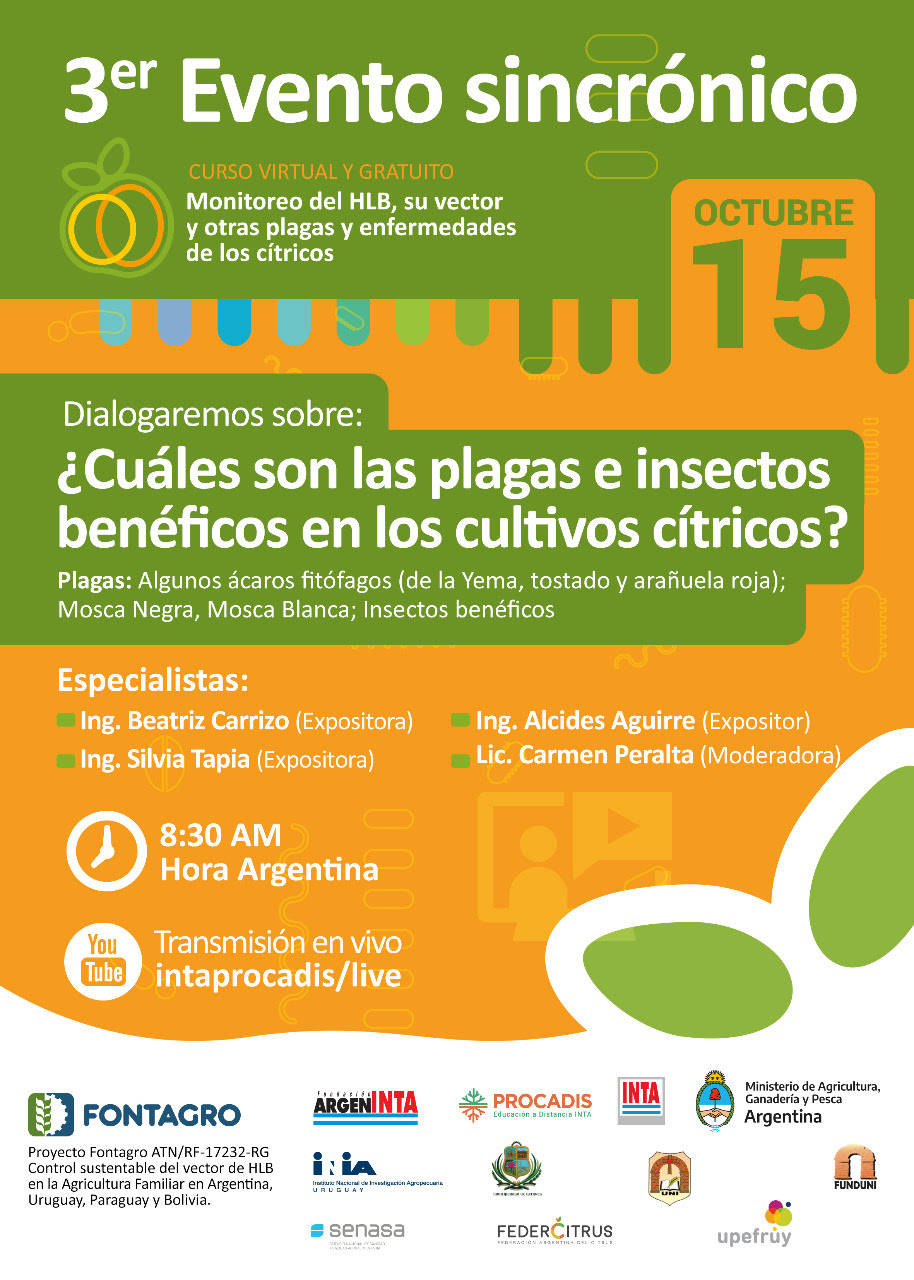
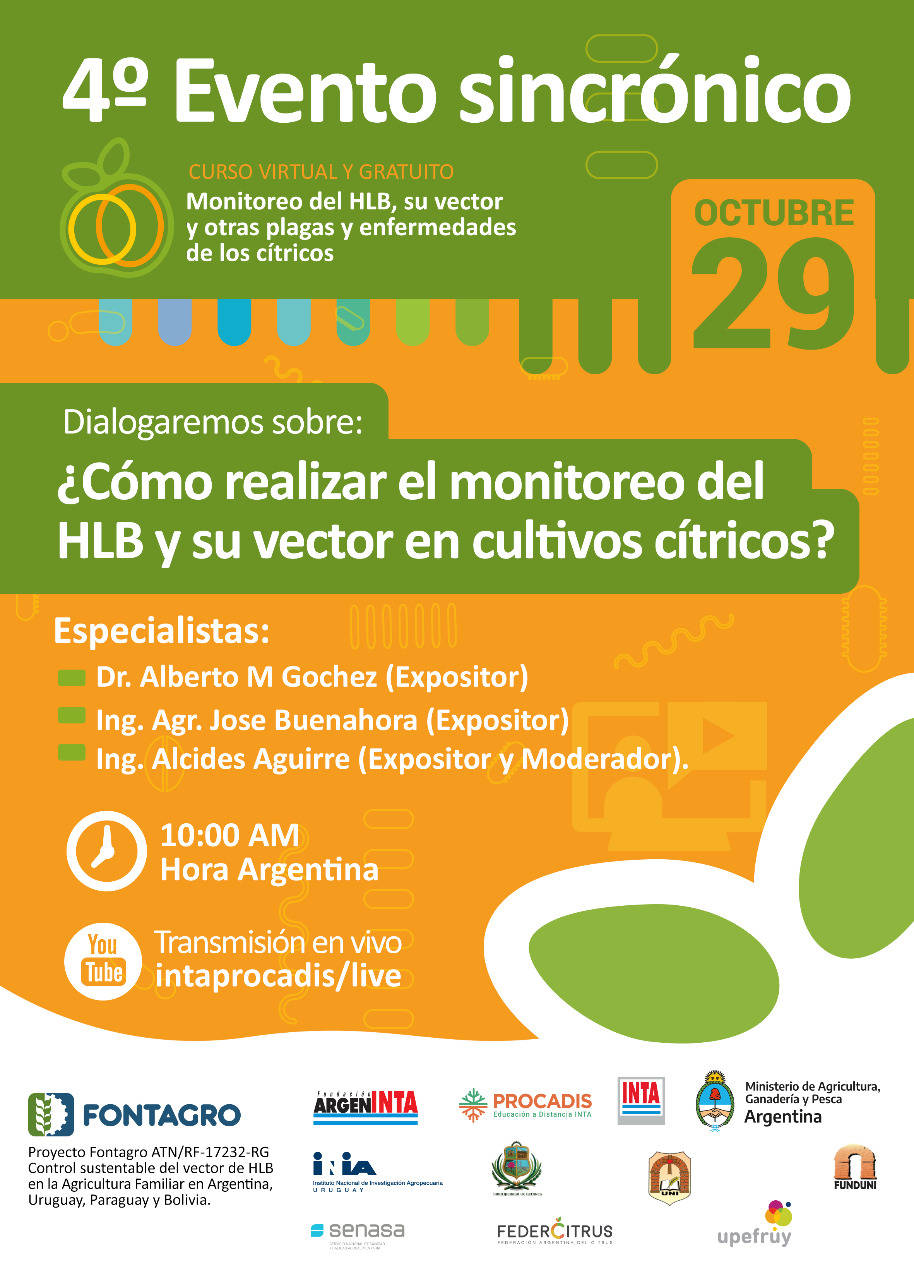
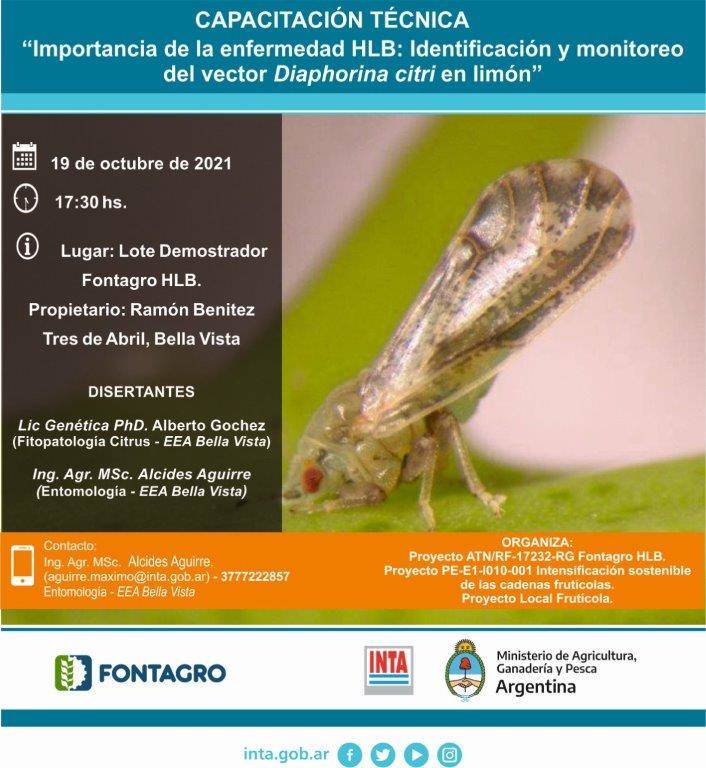
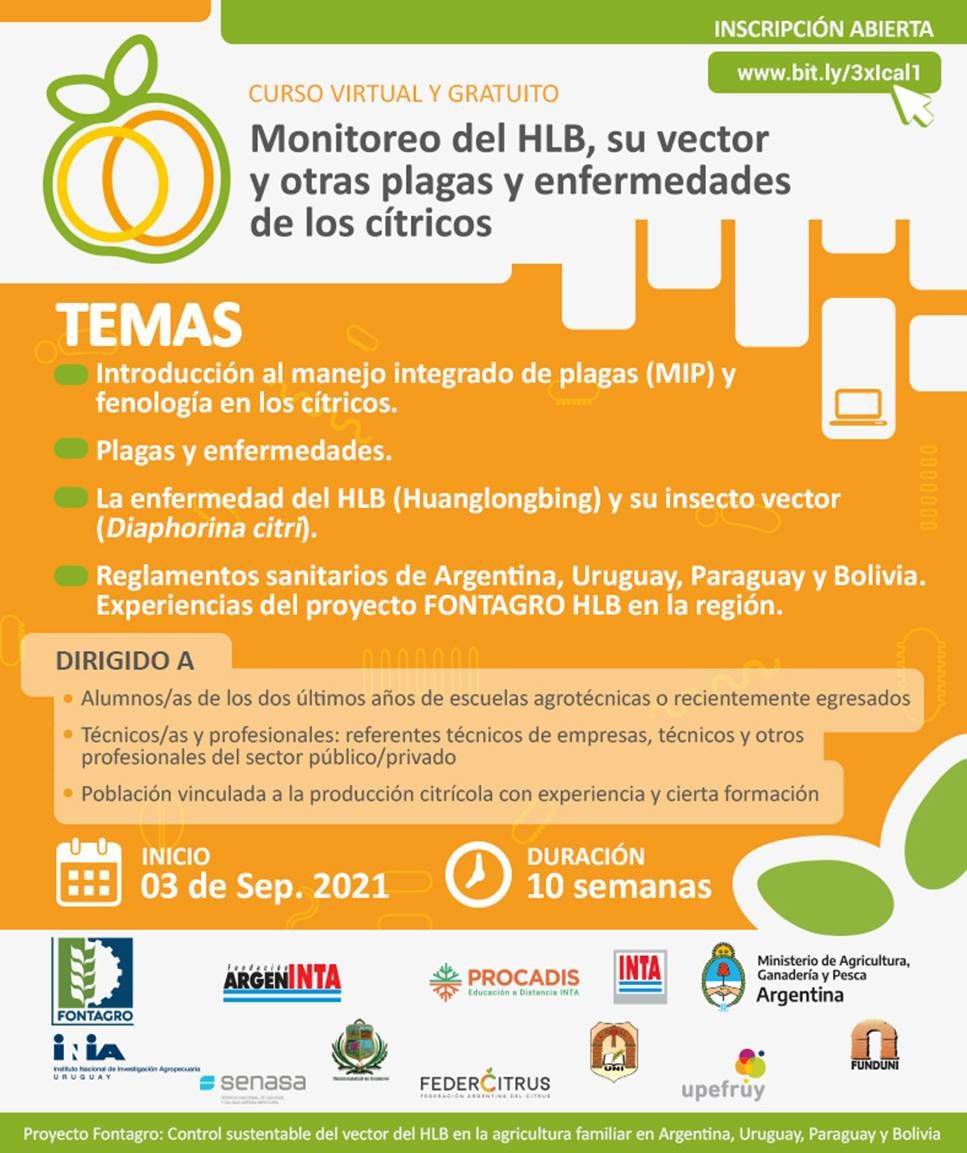
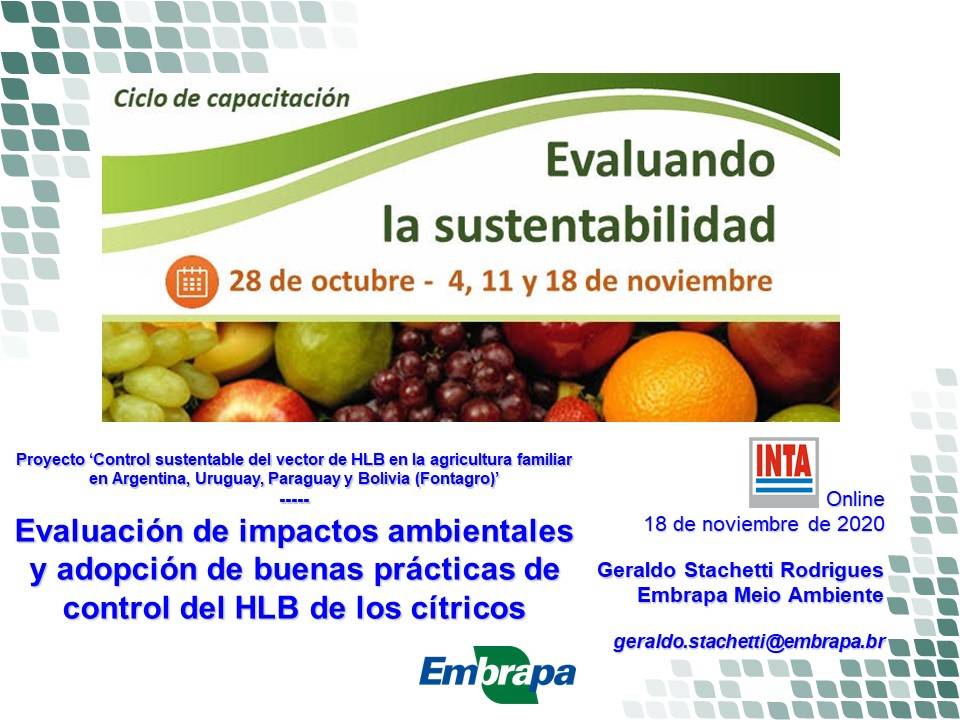
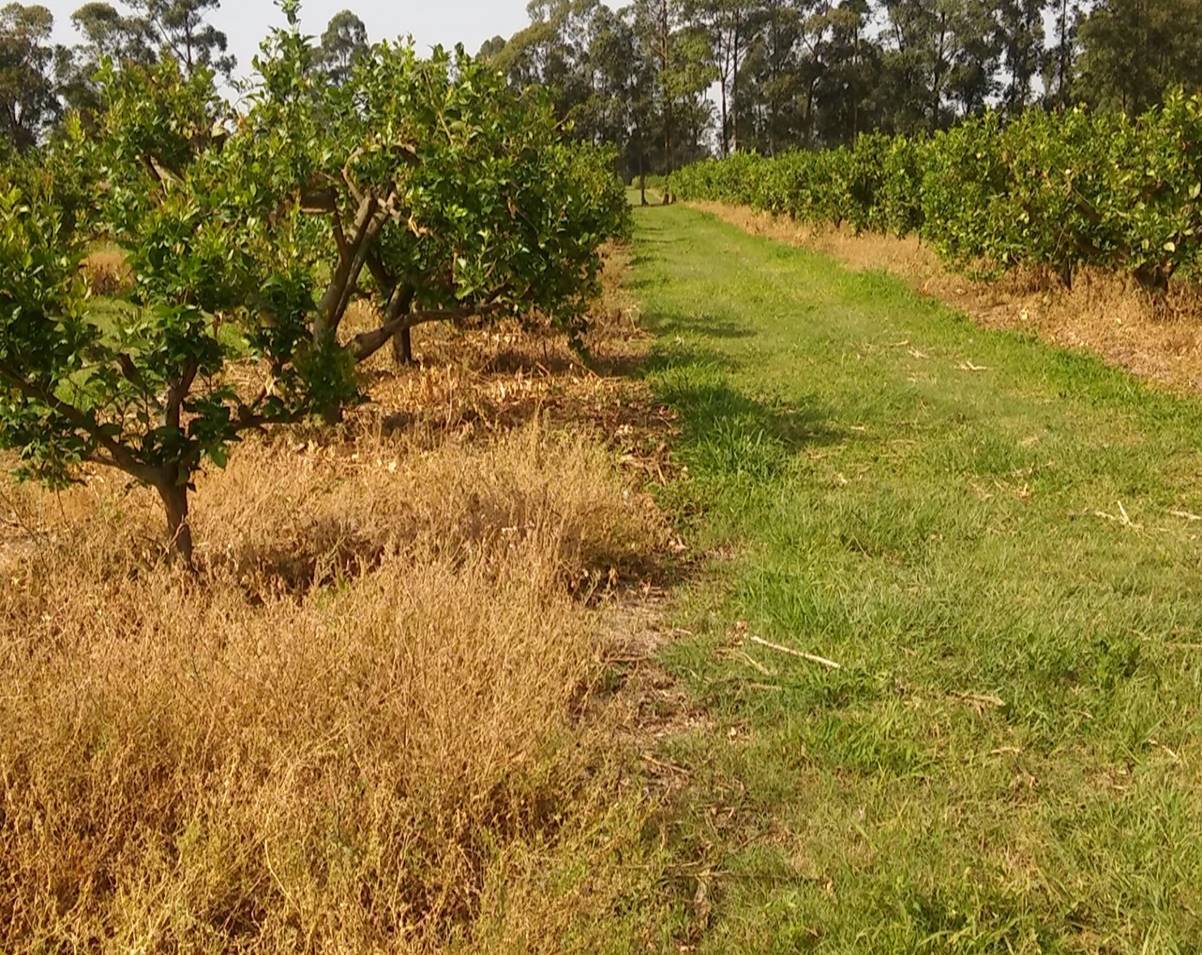
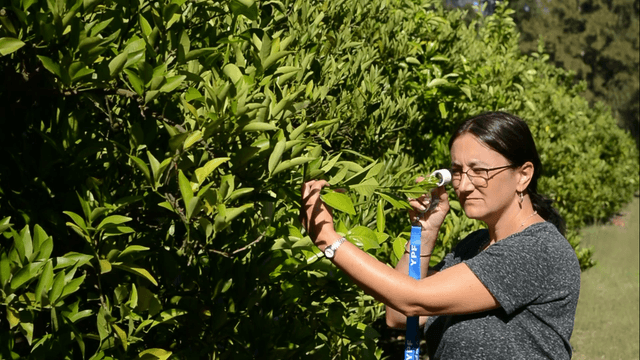
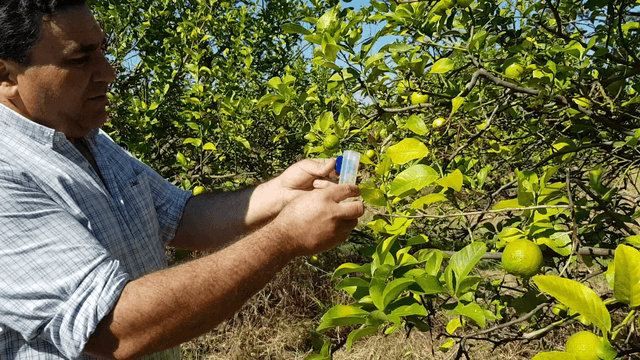
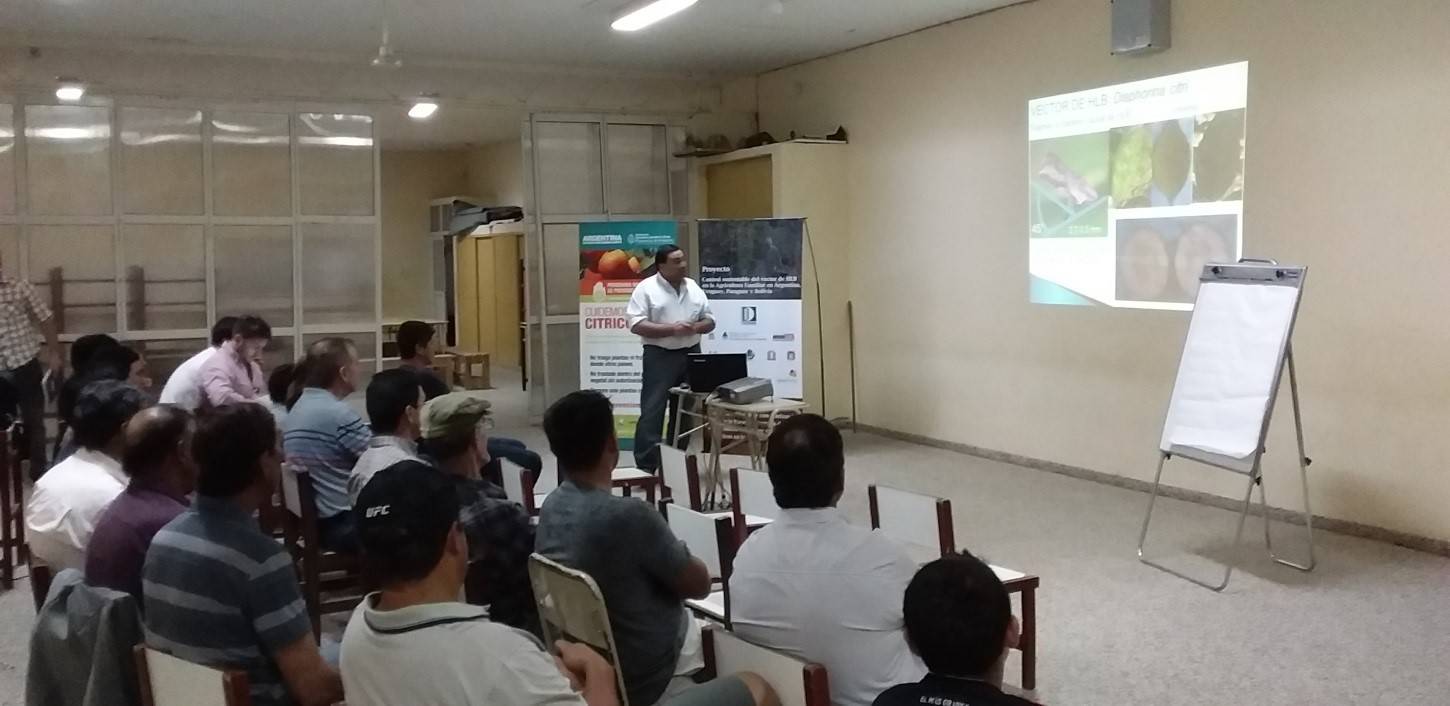
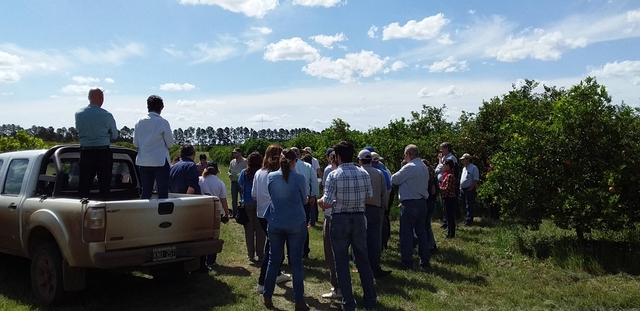
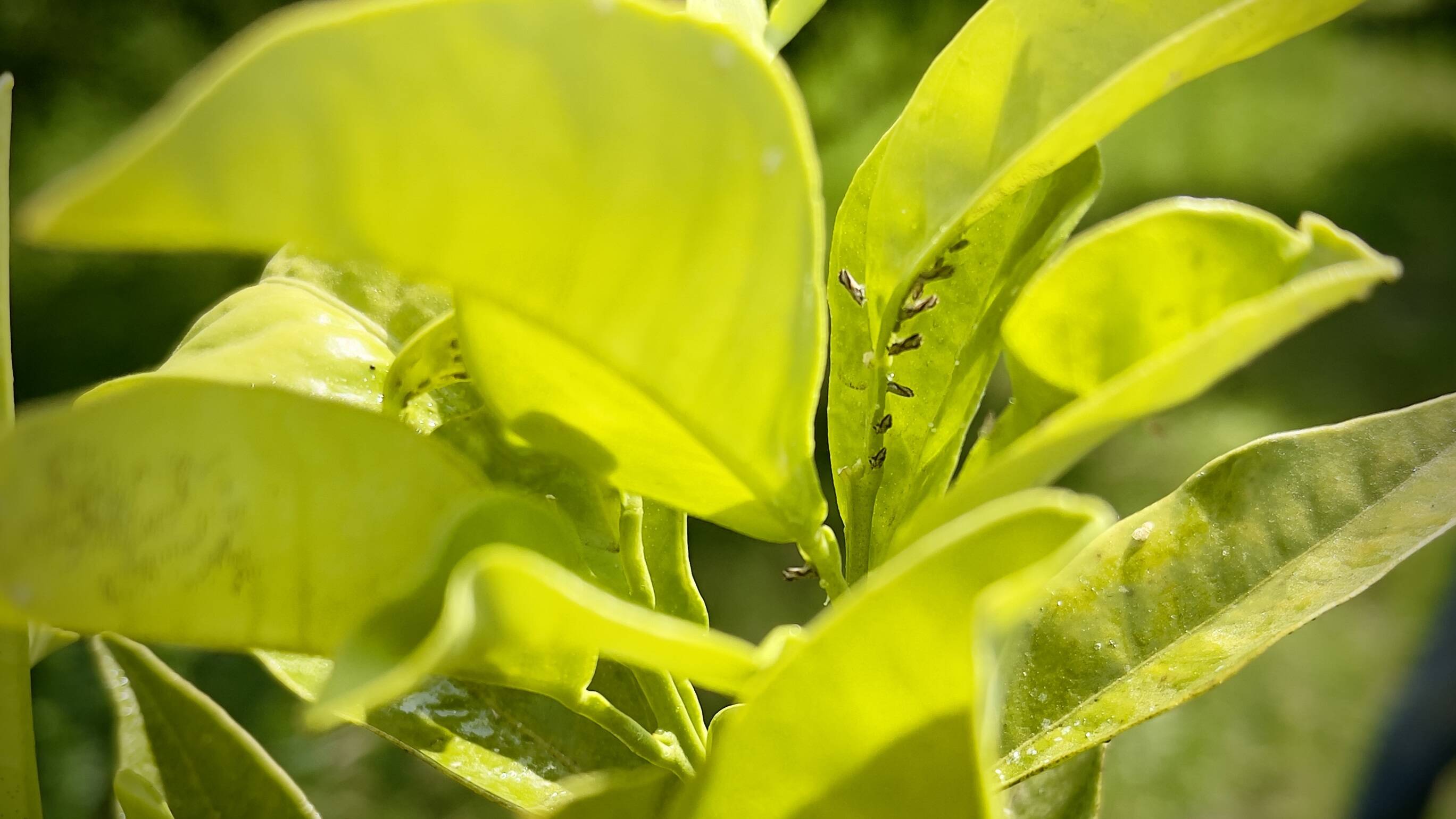
Huanglongbing (HLB) or citrus greening, caused by a bacterium (Candidatus Liberibacter spp.), is the most important disease in global citriculture, transmitted by the insect vector Diaphorina citri. The aim of the project co-financed by FONTAGRO was to prevent the advance of HLB in the region, with the purpose of adapting, disseminating and increasing awareness of integrated pest management (IPM) technology in the control of the HLB vector of citrus fruits in family farming (FF). Seventeen IPM demonstrator plots (DP) and 17 conventional plots (CP), geo-referenced, were installed on family citrus farms in Argentina, Uruguay and Paraguay. The vector was monitored through three methods: beating, visually and yellow adhesive card. A total of 1,030 monitoring sessions were conducted, detecting Diaphorina citri at 7 sites and plants with HLB at 2 sites. The integration of the three methods of Diaphorina citri monitoring was key to ensuring early detection and to act on population control, reducing the risk of vector and disease spread. The IPM implemented (systematic monitoring, chemical control with phytosanitary products of low environmental impact, biological and ethological control, and cultural measures) resulted in reductions in HLB vector populations between 60-99% in 3 sites when comparing DP to CP. An increase in natural enemies from 17% to 332% was recorded at 11 sites, explained by the use of low toxicological-class phytosanitary products and cultural measures, among other practices. Impacts of IPM on DPs were evaluated: 17 sustainability assessments, 29 fruit quality analyses and 26 economic analyses. The average environmental impact sustainability index for the sites evaluated was positive, validating the benefits of using IPM. Improvements in fruit quality were evidenced by lower disease incidence and/or reduced pest pressure. The economic analysis shows that while direct IPM costs increased, gross margins were consistently higher in some DPs from the second or third season onwards. We highlight the design and implementation of three editions of a virtual/on-site monitoring course on the INTA PROCADIS platform; the design and implementation of an alert system with access to the BioTic-FONTAGRO HLB Web platform (citrus section); a prototype of an App for uploading monitoring records; two FONTAGRO websites; and a communication campaign for the prevention and management of HLB-vector with printed and digital communication through social media. Training, awareness-raising, communication and participatory work reached 22,900 people, including family farmers, workers, technicians, professionals, students, institutional representatives and other actors in the sector. To date, 13 outputs (with 307 Technical Notes and Workshop Reports), 2 manuals and 10 scientific articles have been published.
Key words: Alert system, Diaphorina citri, Family citrus farming, HLB, Huanglongbing, IPM.
A total of 1,030 monitoring were conducted, detecting Diaphorina citri at 7 sites and plants with HLB at 2 sites. The integration of the three methods of Diaphorina citri monitoring was key to ensuring early detection and to act on population control, reducing the risk of vector and disease spread. The IPM implemented (systematic monitoring, chemical control with phytosanitary products of low environmental impact, biological and ethological control, and cultural measures) resulted in reductions in HLB vector populations between 60-99% in 3 sites when comparing DP to CP. An increase in natural enemies from 17% to 332% was recorded at 11 sites, explained by the use of low toxicological-class phytosanitary products and cultural measures, among other practices. Impacts of IPM on DPs were evaluated: 17 sustainability assessments, 29 fruit quality analyses and 26 economic analyses. The average environmental impact sustainability index for the sites evaluated was positive, validating the benefits of using IPM. Improvements in fruit quality were evidenced by lower disease incidence and/or reduced pest pressure. The economic analysis shows that while direct IPM costs increased, gross margins were consistently higher in some DPs from the second or third season onwards. We highlight the design and implementation of three editions of a virtual/on-site monitoring course on the INTA PROCADIS platform; the design and implementation of an alert system with access to the BioTic-FONTAGRO HLB Web platform (citrus section); a prototype of an App for uploading monitoring records; two FONTAGRO websites; and a communication campaign for the prevention and management of HLB-vector with printed and digital communication through social media. To date, 13 outputs (with 307 Technical Notes and Workshop Reports), 2 manuals and 10 scientific articles have been published.
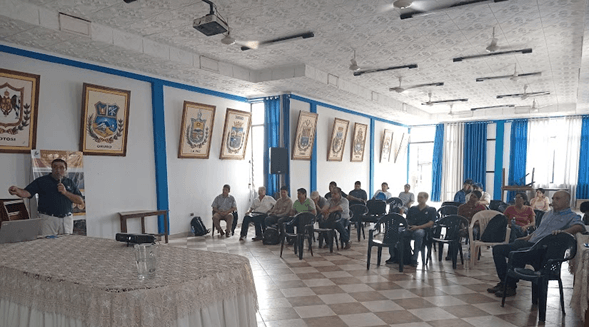
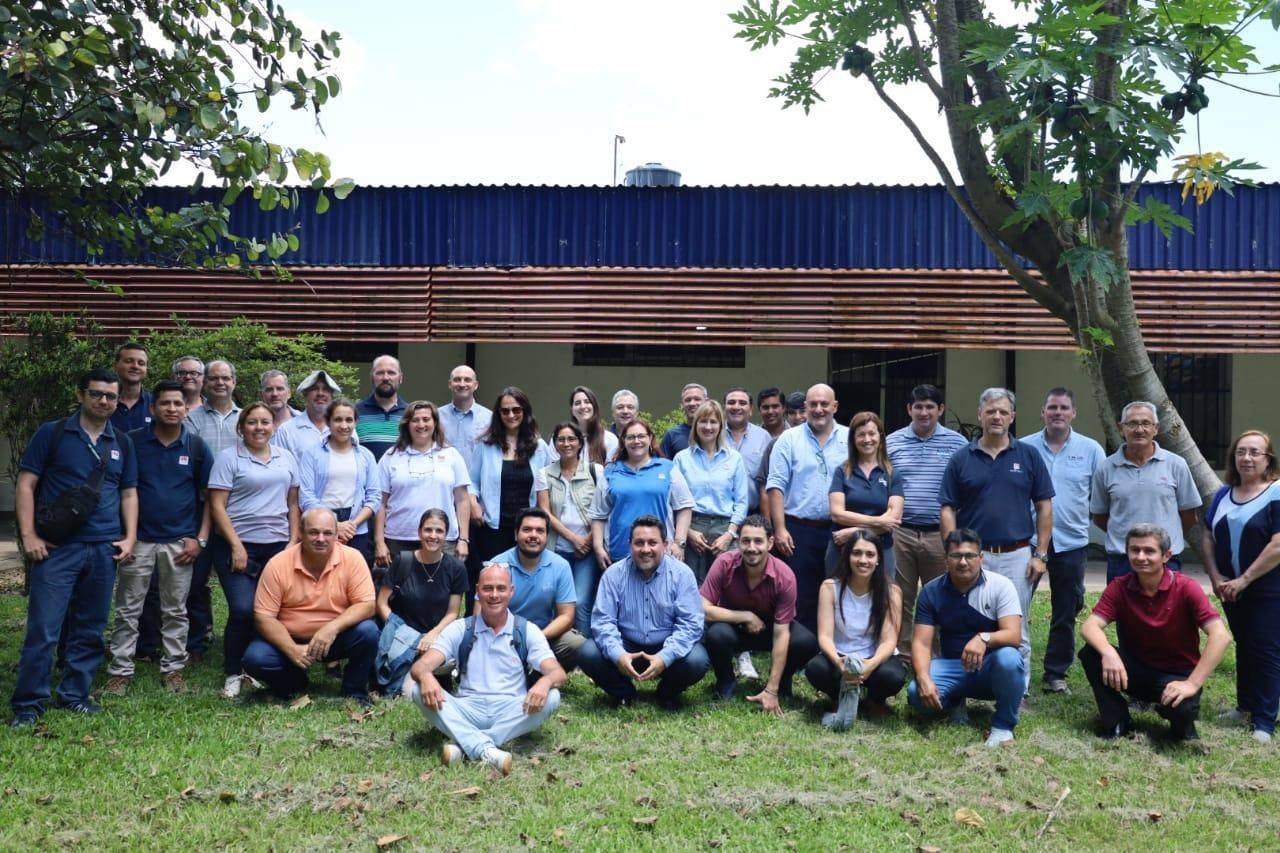
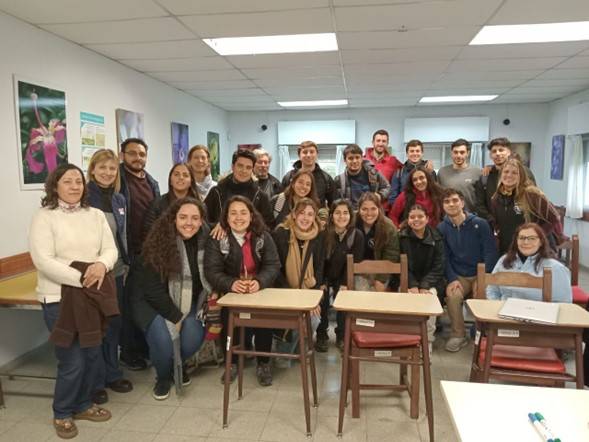
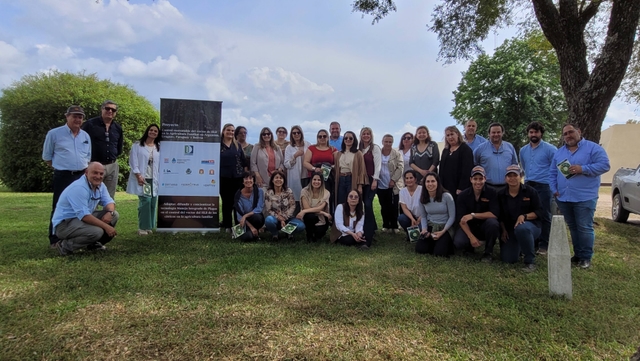
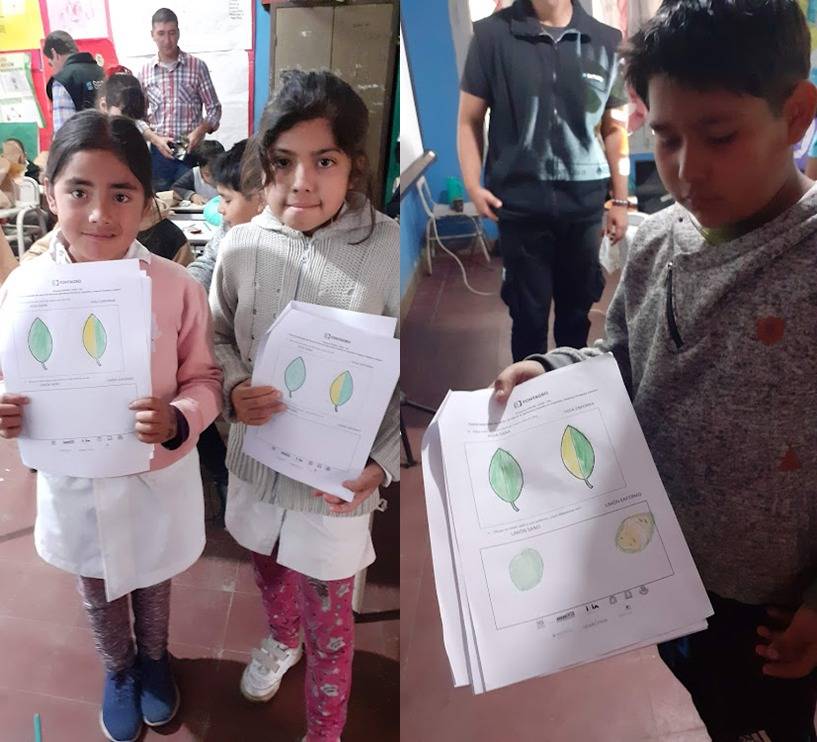
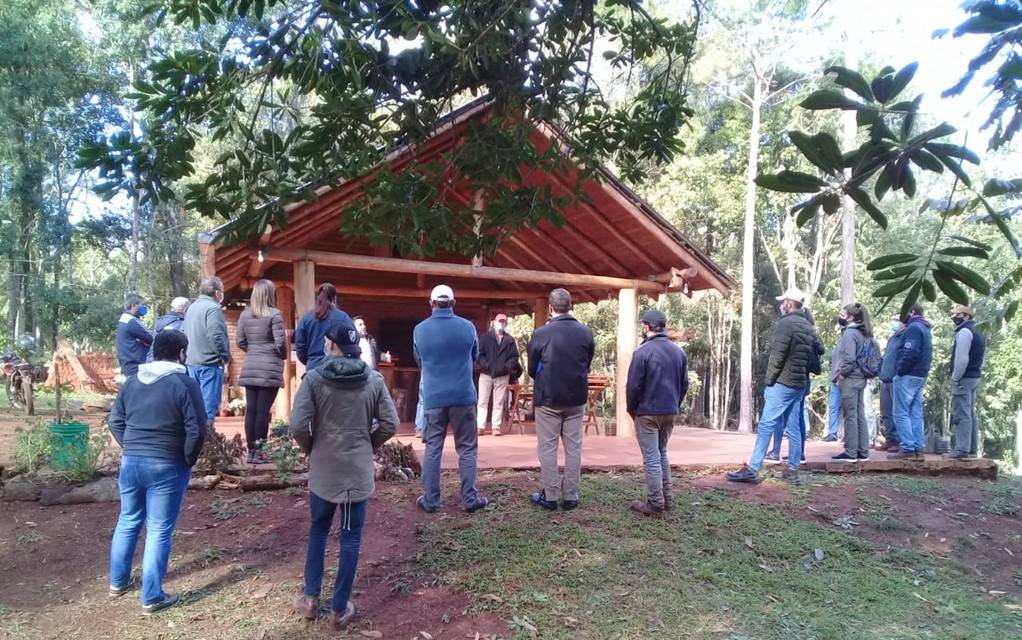
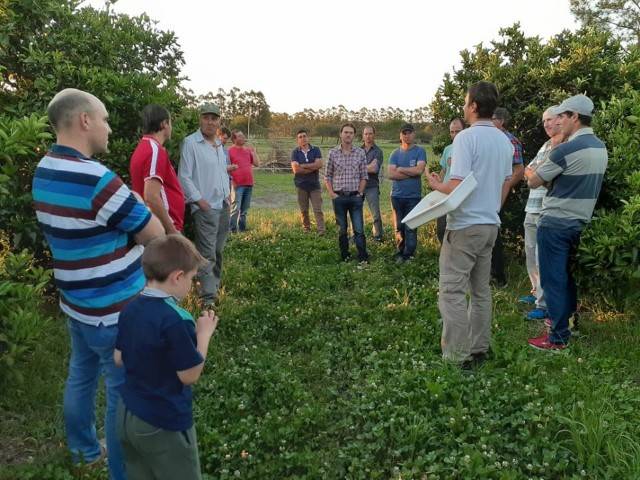
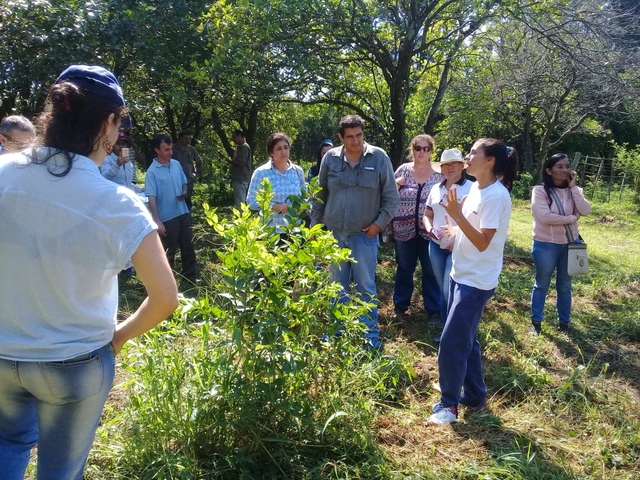
The direct beneficiaries of the Project were: more than 22,900 family farmers (FF) and other types of producers, students, technicians, professionals, institutional representatives were reached by the project. Among them, more than 3,400 people were trained and participated in workshops, most of whom were FF, more than 15,300 people were informed and made aware of HLB and the vector, 4,000 printed manuals were delivered in Argentina, Uruguay, Paraguay and Bolivia.
Indirect beneficiaries were another 3,000 family farmers, the citrus sector as a whole and consumers in the four countries.
This project actively contributes to achieving the Sustainable Development Goals, promoting more equitable, resilient, and sustainable regional development.






The tangible impact of science and technology in the field
Sponsors


With the support of

Silvana Inés Giancola
ArgentinaEdgardo Lombardo
ArgentinaMáximo Raúl Alcides Aguirre
ArgentinaMaría Fernanda Farías
ArgentinaCarmen Ofelia Peralta
ArgentinaCarlos Roberto Wlosek Stañgret
ParaguayJosé Hermes Buenahora Acosta
UruguayRenán López Mejía
BoliviaSusana Noemí Di Masi
ArgentinaMaría Soledad Carbajo Romero
ArgentinaAndrea Goldberg
ArgentinaSofía Inés Arri Gonzalo
ArgentinaConstanza María Aguirre
ArgentinaGonzalo Pérez
ArgentinaSilvia Tapia
ArgentinaSebastian Horacio Buono
ArgentinaGabriel Valentini
ArgentinaWilda Mercedes Ramírez
ArgentinaJulián Jezierski
ArgentinaVictor Manuel Beltrán
ArgentinaMaría Rosa Delprino
ArgentinaSergio Ricardo Giorgini
ArgentinaPilar Ortega
ArgentinaBeatriz Carrizo
ArgentinaRicardo Mika
ArgentinaVanesa Elisabet Hochmaier
ArgentinaMaría Alejandra Piccolo
ArgentinaSebastian Perini
ArgentinaCecilia Kulczycki
ArgentinaAntonio Norberto Angel
ArgentinaFernando López Serrano
ArgentinaCristina Morales
ArgentinaJuan Manuel Roncaglia
ArgentinaGonzalo Bravo
ArgentinaDaniel Vazquez
ArgentinaDanila Ibern
ArgentinaDiego E. Rodríguez
ArgentinaMaría Virginia Brambilla
ArgentinaDiego Pérez
ArgentinaGonzalo Segade
ArgentinaMaria Elena D´Angelcola
ArgentinaAlberto Martín Gochez
ArgentinaElena Pérez
UruguayVerónica Galván
UruguayAbel Rodríguez
UruguayCésar Andrés Riambau Souza
UruguayJuan Pablo Iurman
ArgentinaLorena Claudina Peña
ArgentinaAna Laura Schonholz
ArgentinaMariano Alberto Matías
ArgentinaPablo Varela Pessolano
UruguayNicolás Zunini
Uruguay


