Impact
 Initiatives
 Dashboard
 Alliances
 Impact
 Initiatives
 Dashboard
 Alliances
 Agronomic Practices
 2022
2022 Active


Learn more about this story
Project Webstory
Go to webstory



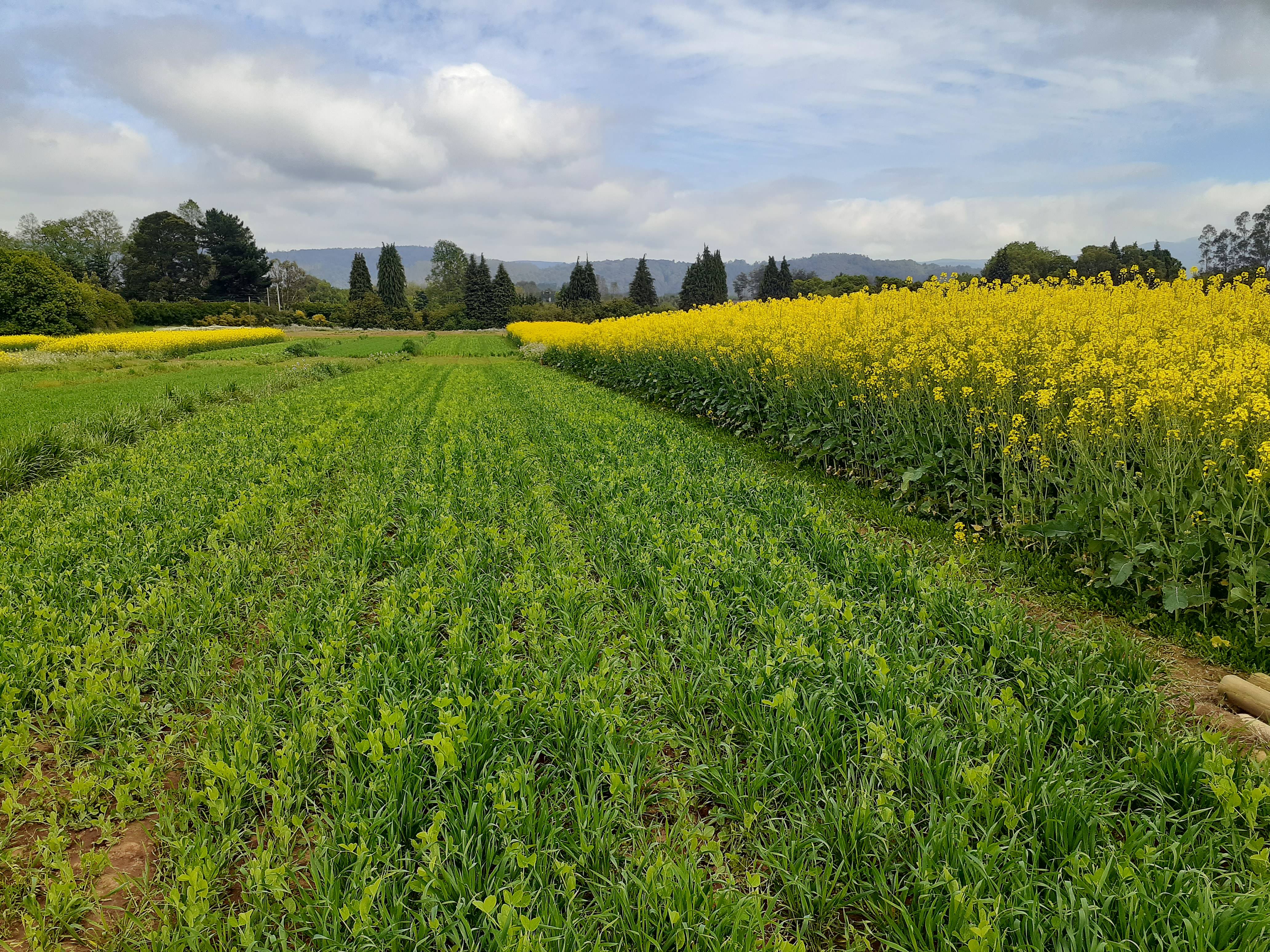
Producing more food without expanding cropland requires farmers and advisors to base management decisions on scientific evidence. The project is developing a free, open-access online platform to support those decisions for the main crops of Argentina, Chile and Uruguay (wheat, barley and rapeseed) and Honduras (maize, beans and rice). It has four objectives. First, to extend the CRONOS phenology prediction models, which already have more than 65,000 registered users, to new crops and countries, so that users can choose cultivars and sowing dates suited to local climate. Second, to quantify yield gaps in each country, identify their causes and propose management improvements that also reduce the carbon footprint. Third, to develop management strategies for scenarios of higher temperature and CO₂ concentration using crop simulation models. Fourth, to transfer results to farmers, advisors and students through training workshops and a platform user tutorial.
This proposal aims to create an online support platform for crop management, freely accessible with information to assist farmers and advisors in decision-making. The main objective of this proposal is to increase productivity and sustainability of productive systems through a free online platform supporting agronomic management decision-making for the main crops of the southern cone in the context of climate change.
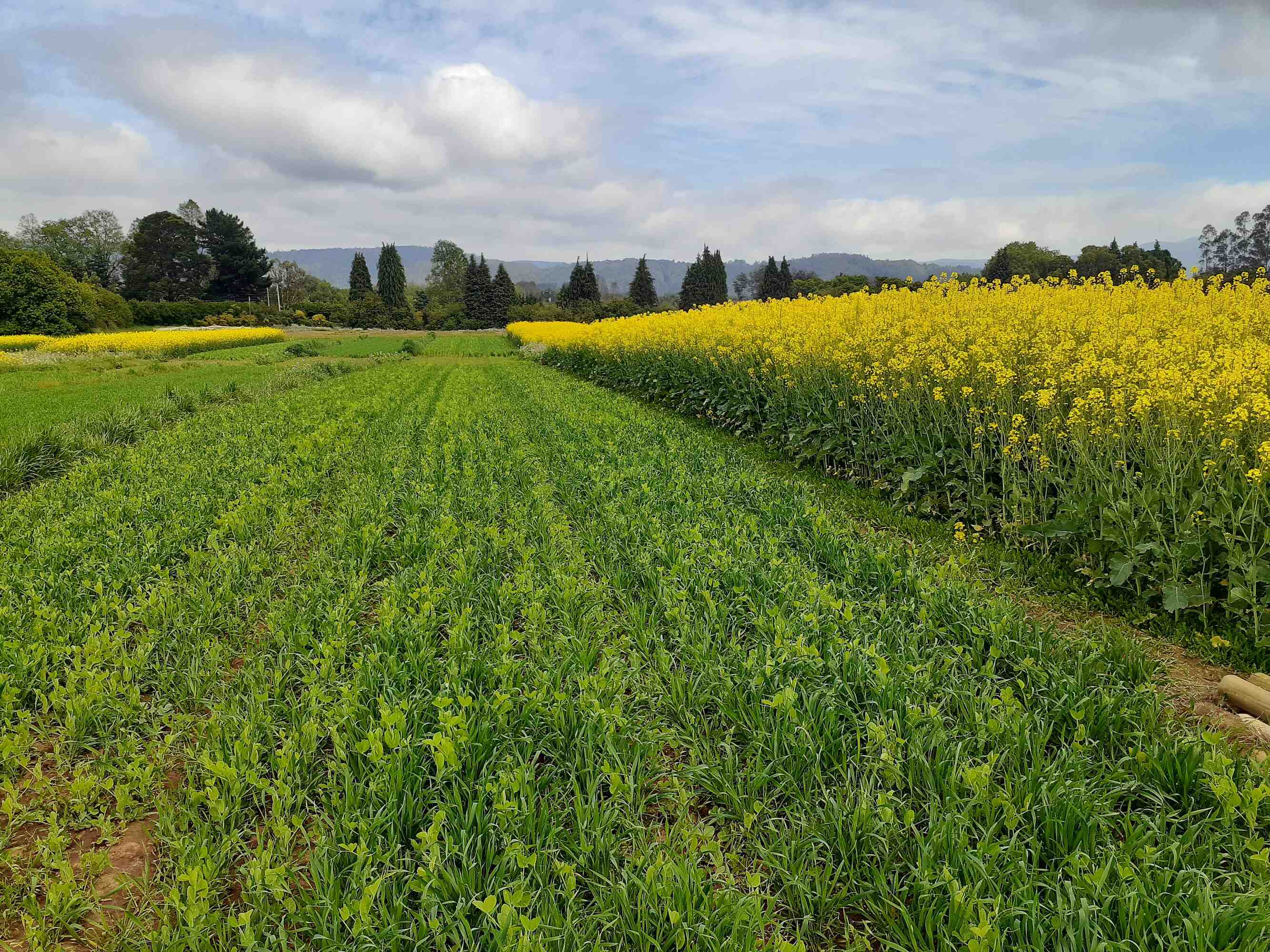
In its first year, the project updated the free online CronoCanola model with 14 new rapeseed (canola) cultivars and 2 carinata cultivars for Argentina and Uruguay, and established 12 staggered-sowing trials in Argentina, Chile, Honduras and Uruguay to record the phenology of current wheat, barley, rapeseed, bean, maize and rice cultivars. These data will be used to build the algorithms for new CRONOS models, which will be validated against 570 independent phenological records. The project also expects to quantify yield gaps for the main crops in each country and the carbon footprint of current and improved management, and to develop management strategies for scenarios of higher temperature and CO₂ concentration using crop simulation models. All results will be brought together on a free, open-access online platform, with a user tutorial and training workshops in all four countries.
The direct final beneficiaries are small and medium producers in Argentina, Chile, Honduras, and Uruguay, who will have access to free online tools for agronomic decision-making. This includes the 223 CREA groups (https://www.crea.org.ar/regiones-y-grupos-crea/), distributed in 19 regions of Argentina, comprising 2,676 producers, the 37 AAPRESID regionals comprising 1,253 members (https://www.aapresid.org.ar/archivos/memoria-y-balance-2020.pdf), and the 9 FUCREA groups (Uruguay) comprising around 108 agricultural-livestock producers. Additionally, the development of digital tools (e.g. CRONOS Models) benefits over 65,000 registered users, scaling to a larger number of users once the project is concluded.
This project actively contributes to achieving the Sustainable Development Goals, promoting more equitable, resilient, and sustainable regional development.


October 7, 2026
Patricio Sandaña
ChileDeborah Rondanini
ArgentinaGabriela Abeledo
ArgentinaCarlos Amador
HondurasDaniel Calderini
ChileDaniel Miralles
ArgentinaOswaldo Ernst
UruguayCarolina Lizana
ChileDaniela Bustos
Sebastián Mazzilli
The tangible impact of science and technology in the field
Sponsors


With the support of