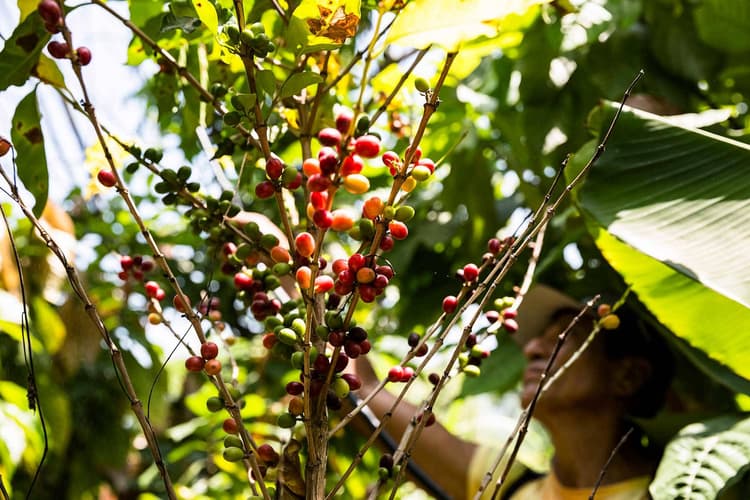
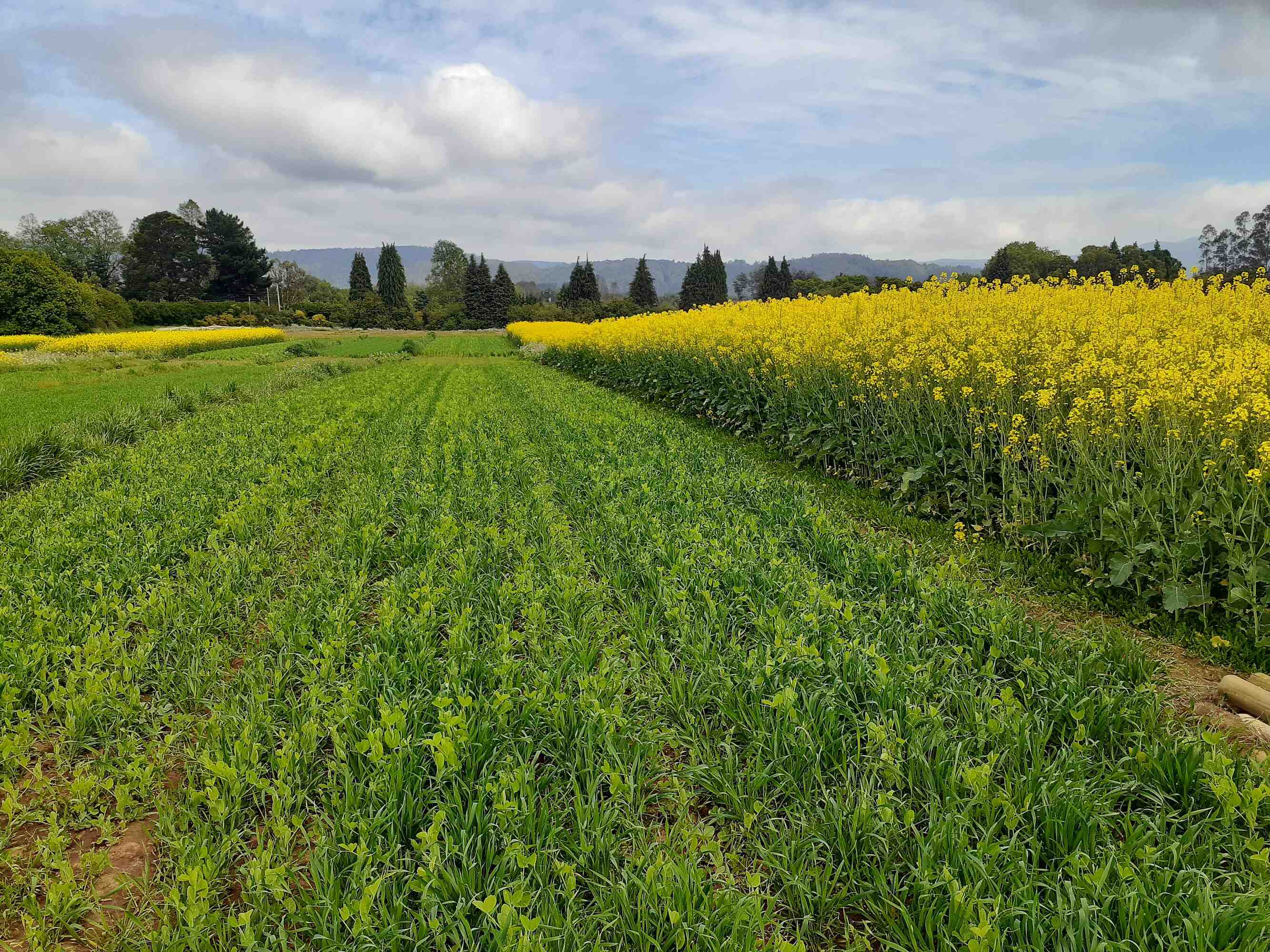
Agriculture faces a major challenge in the coming decades. Productivity will need to increase by 60% to meet the food demand of a growing world population that will peak in 2050

The proposal involves the Austral University of Chile (Chile), the University of Buenos Aires (Argentina), the University of the Oriental Republic of Uruguay (Uruguay) and the National University of Agriculture (Honduras).
.jpeg&w=1200&q=75)
Create an open-access online crop management support platform with information to support farmers and advisors in their decision-making. The platform will bring the results of all three technical fronts into a single point of access, with an interface designed for growers and advisors rather than for modelling specialists. It will offer an interactive tool for selecting cultivars and sowing dates according to the thermal and photoperiod conditions of each environment, built on the CRONOS models calibrated with historical climate data from NASA's POWER database and validated against independent phenological data. It will also carry management strategies for narrowing yield gaps, identified from records held by the partner producer organizations, and carbon footprint estimates produced with the Cool Farm Tool, which shows which management factors account for most emissions. All outputs will be public goods, freely accessible and open to dissemination.
"Sustainable intensification is reached through crop management technologies that increase productivity without adverse effects on natural resources, enhancing climate change resilience and input-use efficiency"— FAO
 Agronomic PracticesAppliedTechnological
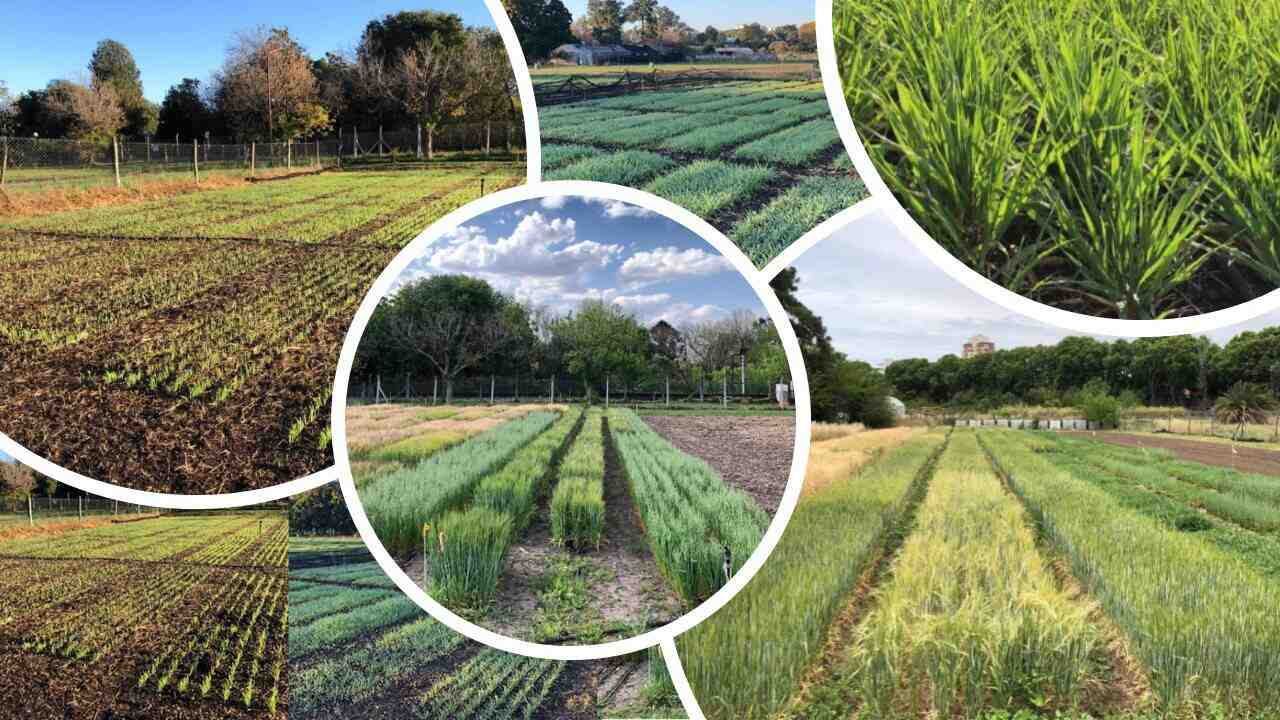
The first results are already available: the free CronoCanola model now includes 14 new rapeseed cultivars and 2 carinata cultivars, helping users in Argentina and Uruguay choose cultivars and sowing dates with up-to-date information on crop cycle length and the risk of frost or heat stress. Twelve staggered-sowing trials of wheat, barley, rapeseed, beans, maize and rice across the four countries will extend these models to new crops and to Chile and Honduras. A growth chamber now makes it possible to measure how much cold each cultivar needs to flower, key information in mild winters. By the end of the project, the platform will also offer strategies to close yield gaps and reduce the carbon footprint, and will remain an open-access public good, with a tutorial and training workshops in each country.



Chile

Argentina

Uruguay

Honduras

Uruguay

The Tangible Impact of Science and Technology in the Field

 Impact
 Initiatives
 Dashboard
 Alliances
 Impact
 Initiatives
 Dashboard
 Alliances