 Impact
 Initiatives
 Dashboard
 Alliances

 Impact
 Initiatives
 Dashboard
 Alliances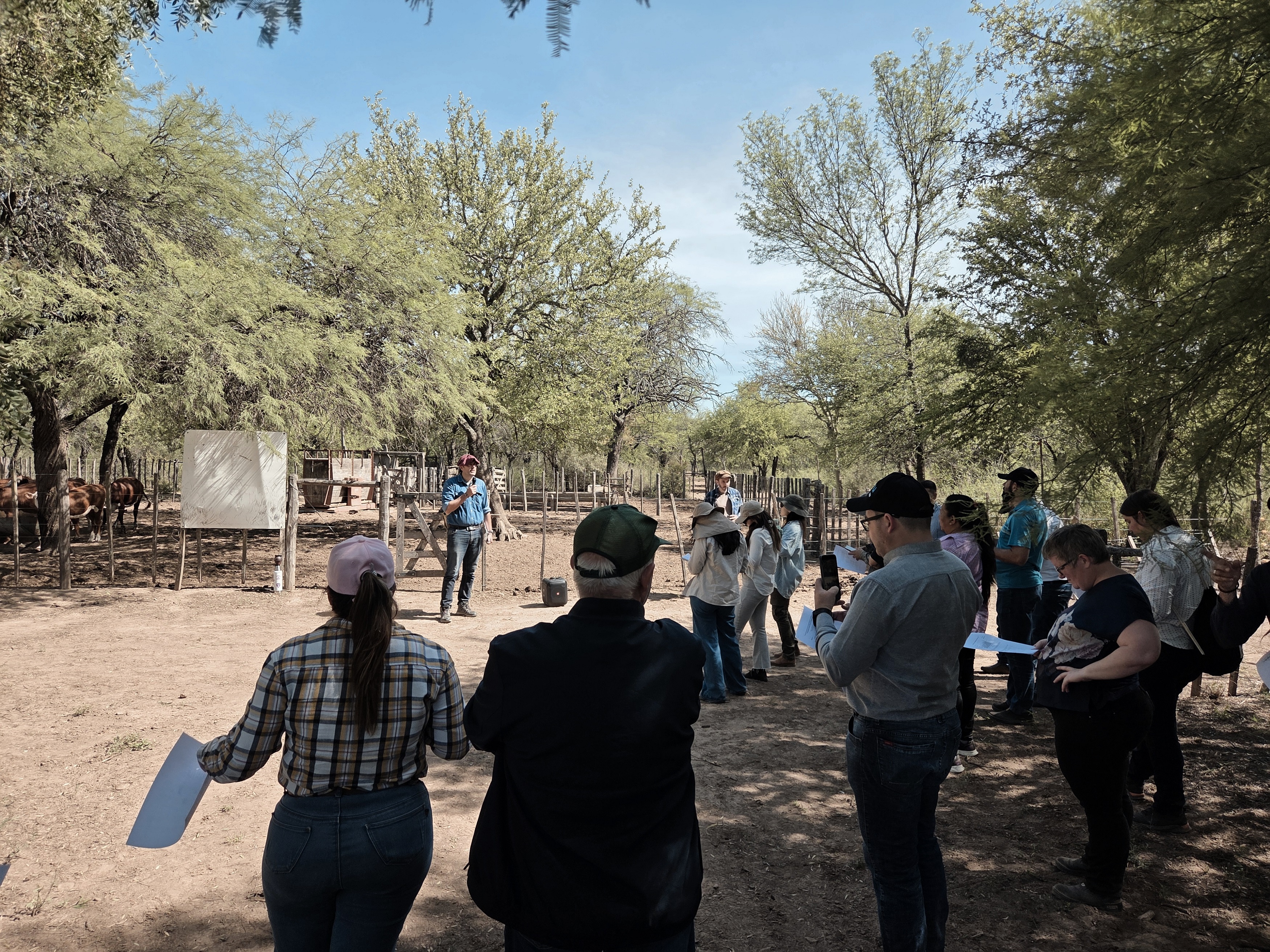

 Technological
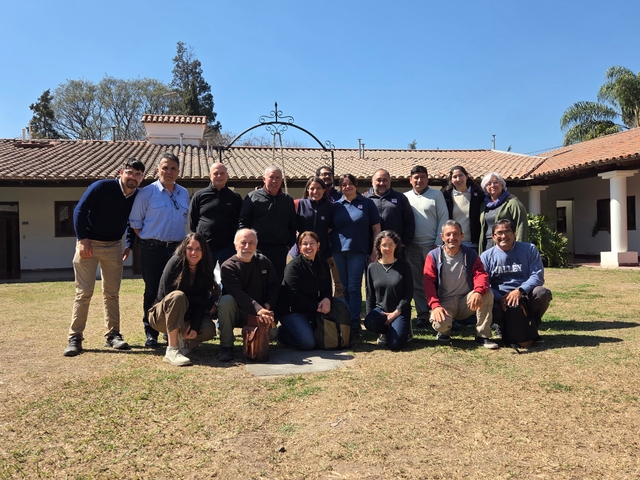
In November 2025, the National Agricultural Technology Institute (INTA) hosted a cross-border knowledge exchange at the Francisco Cantos Experimental Field in Santiago del Estero. The event brought together local specialists in livestock and beekeeping with a diverse delegation from Paraguay, including technicians, entrepreneurs, cooperative representatives, and members of indigenous communities.
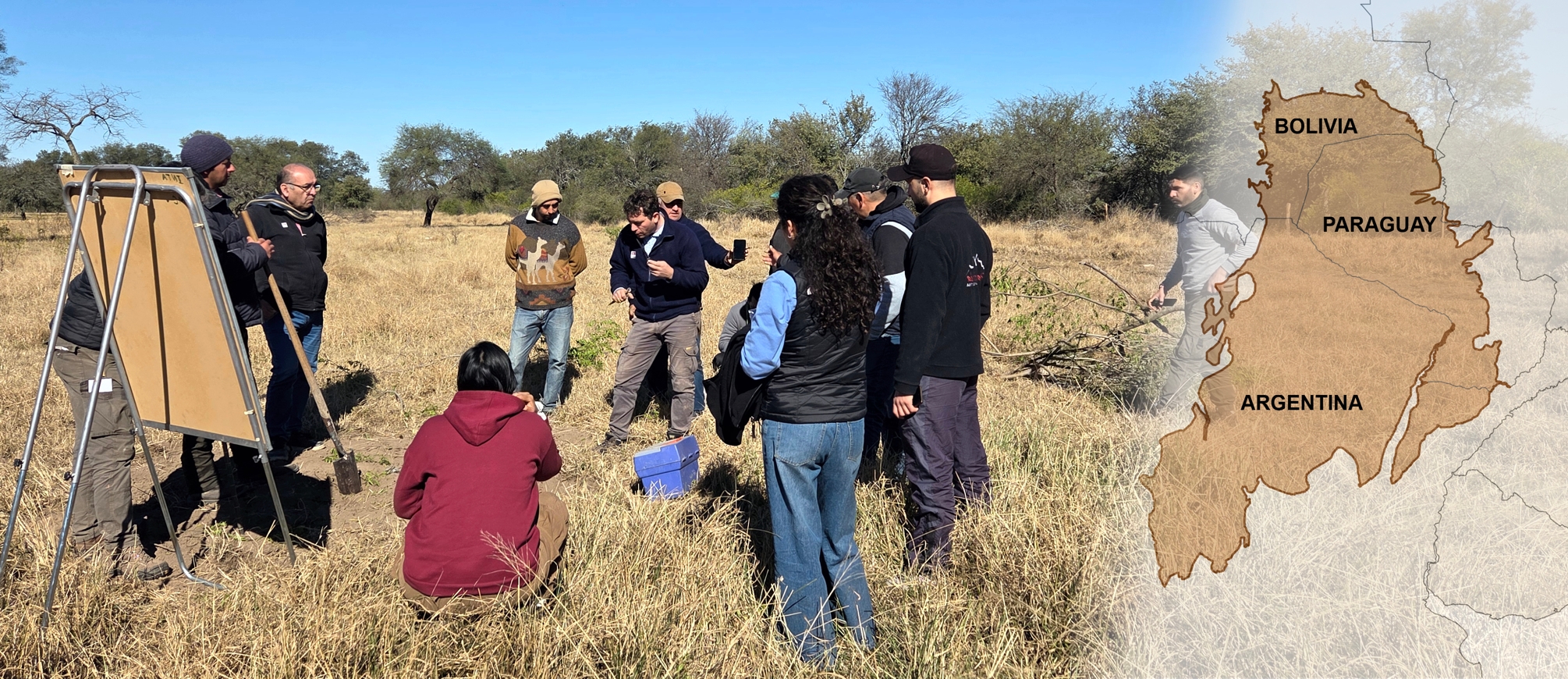
The primary goal of the gathering was to consolidate the network of stakeholders across the Chaco Region under the framework of the FONTAGRO project: "Network of Resilient Farms with Sustainable Forest Management."
Innovation and Sustainability in the Chaco Forest
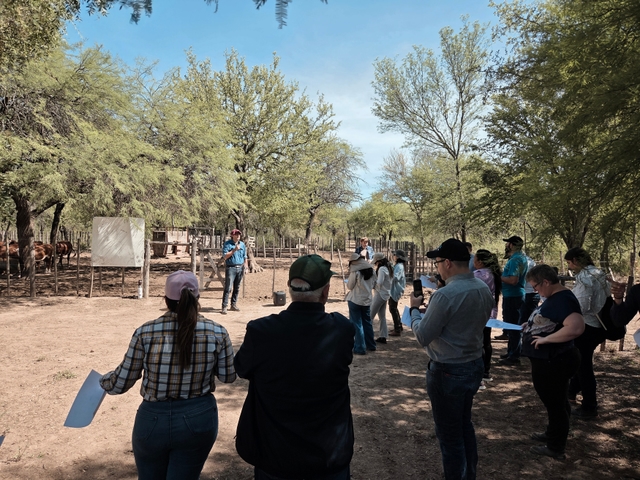
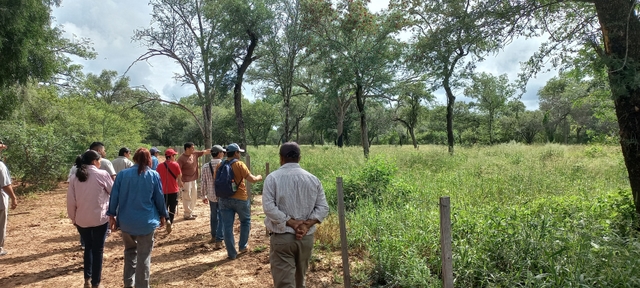
During the event, participants toured three experimental demonstration modules specifically designed for the Chaco Region:
Planted Algarrobo (Neltuma alba) Silvo-Apicultural-Pastoral System: Lic. Ariel Ledesma presented research on monofloral honey production and the provisioning of ecosystem services. He highlighted how monofloral honey, due to its distinct organoleptic qualities, can command a higher market value compared to conventional varieties.
Heifer Rearing in Native Forest Silvopastoral Systems: Bovine production specialist Juan Saravia explained how to successfully integrate native forests with planted pastures, rotational grazing, and strategic dry-season supplementation. Key results from this research include daily weight gains of 700 to 800 grams, which allows for the first service to be advanced to 22–24 months. Furthermore, utilizing natural shade significantly reduces heat stress in the cattle.
Goat Production in Native Forest Silvopastoral Systems: Presenting a viable alternative for semi-arid environments, specialist Alicia Córdoba shared advancements in goat silvopastoral systems. These methods outperform traditional systems, achieving stocking rates of 3.33 goats per hectare and a reproductive efficiency of 1.65 kids per goat per year. She emphasized the critical importance of pasture management and adjusting stocking rates to prevent overgrazing.
A Regenerative Approach to the Future
The visiting delegation showed strong interest in the results, engaging in dialogues with local experts to compare management and production experiences through a regenerative agroecological lens.
Biologist Cristina Morales, a member of the Paraguayan delegation representing WWF, noted that the biodiversity of the silvopastoral system was particularly striking, emphasizing that producing while conserving the forest is a highly viable alternative for their own territories:
"I see that the system can be replicated, especially with small producers who already have the practice of leaving trees. It just requires an adjustment in carrying capacities, rotation systems, and grazing management. The environments are very similar to the ones where we work."
This collaborative activity strengthens regional ties with the World Wildlife Fund (WWF) "Future Landscapes" initiative, uniting efforts to promote sustainable systems throughout the Gran Chaco.
The event was coordinated by Marcelo Contreras (INTA), Cristina Morales and Vicente Velázquez (WWF Paraguay), and Pedro Caballero (IPTA Paraguay).