 Impact
 Initiatives
 Dashboard
 Alliances

 Impact
 Initiatives
 Dashboard
 Alliances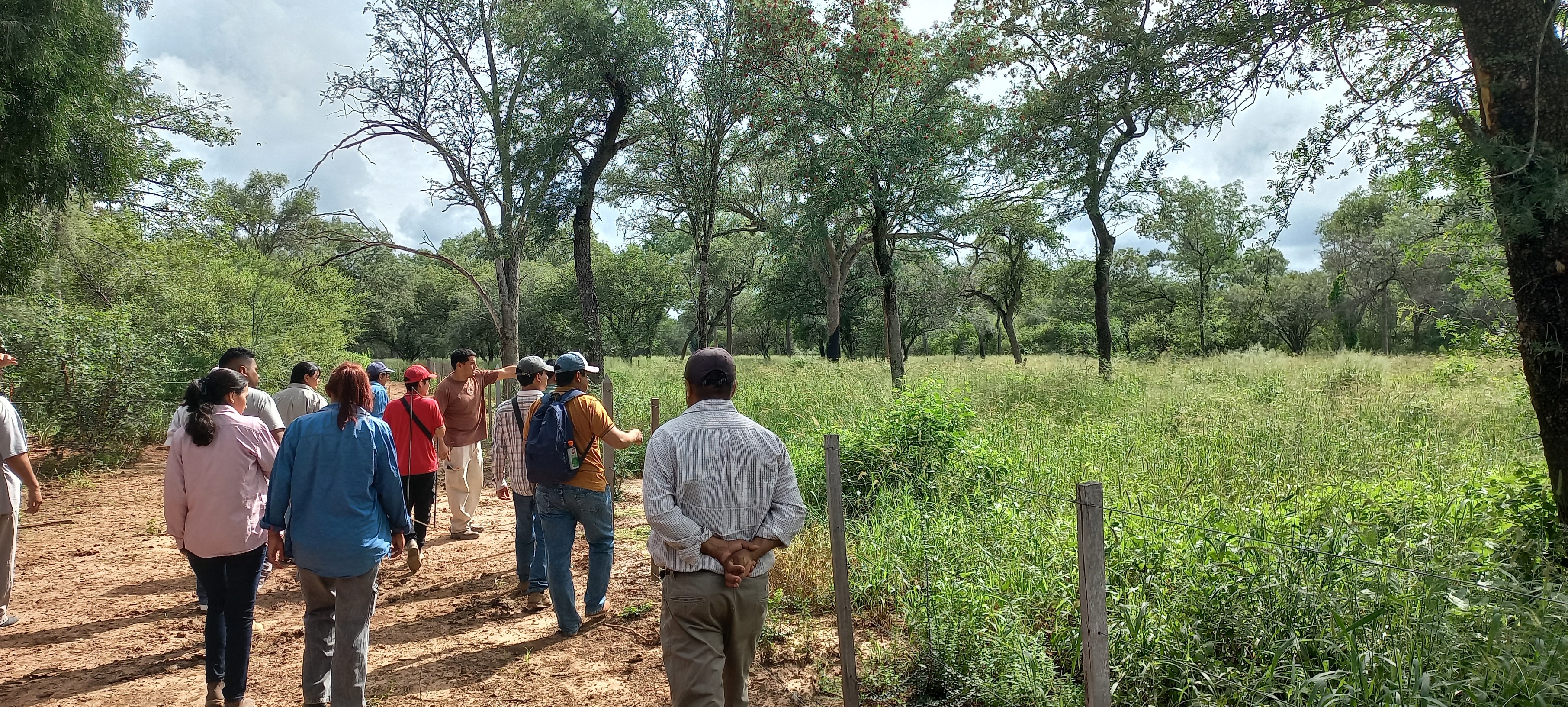

 Technological
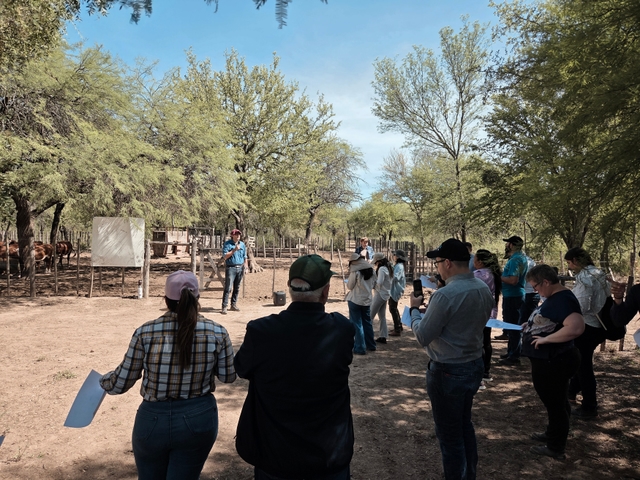
On March 26th, the Rojas family's pilot site, located in the aforementioned town, hosted the "Rotational grazing with electric fencing" session, aimed at producers in the area. This activity focused on the use of technologies designed to optimize livestock productivity under sustainability criteria; these included the sowing of megathermal pastures, low-intensity roller chopping, and the installation of electric fences.
Institutional and Territorial Coordination
The gathering took place as part of the actions promoted by the Santa Victoria Este Rural Extension Agency (INTA Salta). It featured technical facilitation by Jacqueline Bazzana and Juan Ramón Rojas (INTA), Juan Pearson (Cultural Association for Integral Development - ACDI), and the collaboration of the Foundation for Development in Justice and Peace (FUNDAPAZ).
Core Themes of the Session
At the start of the meeting, the theme and the institutional framework surrounding the activity were presented. The presentation highlighted the work being carried out by the INTA Salta Agency through the FONTAGRO project "Network of Resilient Farms" (Red de fincas resilientes) and its coordination with non-governmental organizations working in the territory, such as ACDI and FUNDAPAZ.
Next, technologies for livestock management in native forest environments were addressed, delving into critical concepts for production. Key topics included the identification and forage value of native species, the implantation and physiology of megathermal pastures, and the use of electric fencing as a tool for grazing management, with a special emphasis on the equipment's installation process and maintenance.
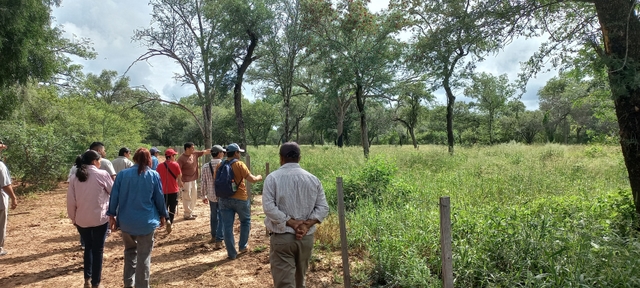
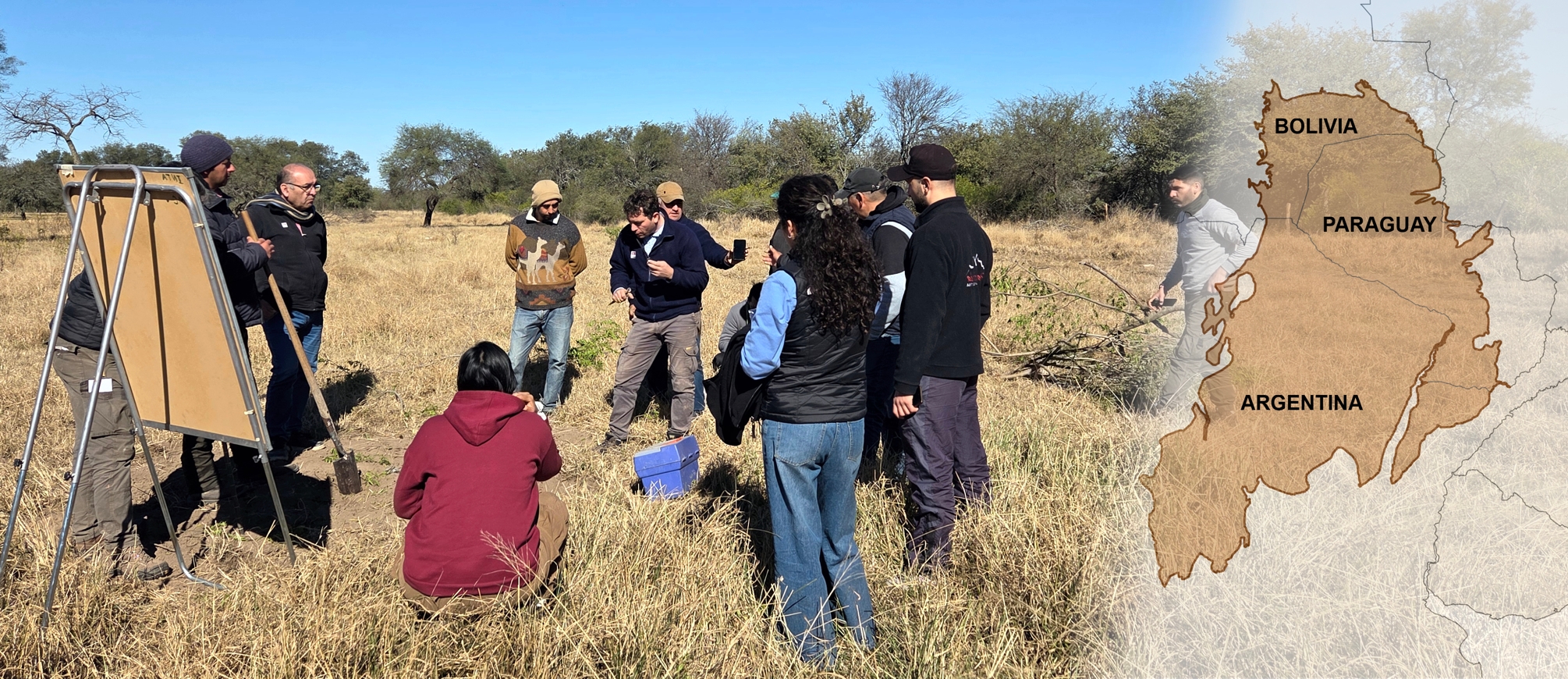
Finally, a practical field session took place where participants observed and discussed the system installed on the farm, analyzing the management strategies implemented by the producer.
Tools for Resilience
Among the most highly valued aspects of the session, producers highlighted the teaching of practical methodologies for evaluating dry matter and determining stocking rates. These tools make it possible to plan the utilization of the resource and establish guidelines for forage conservation, thus ensuring the stability of the livestock system during times of scarcity.