
 Impact
 Initiatives
 Dashboard
 Alliances
 Impact
 Initiatives
 Dashboard
 Alliances


Learn more about this story
Project Webstory
Go to webstory




 Value chainAppliedTechnologicalValue chains and markets
 2006
2006 Closed
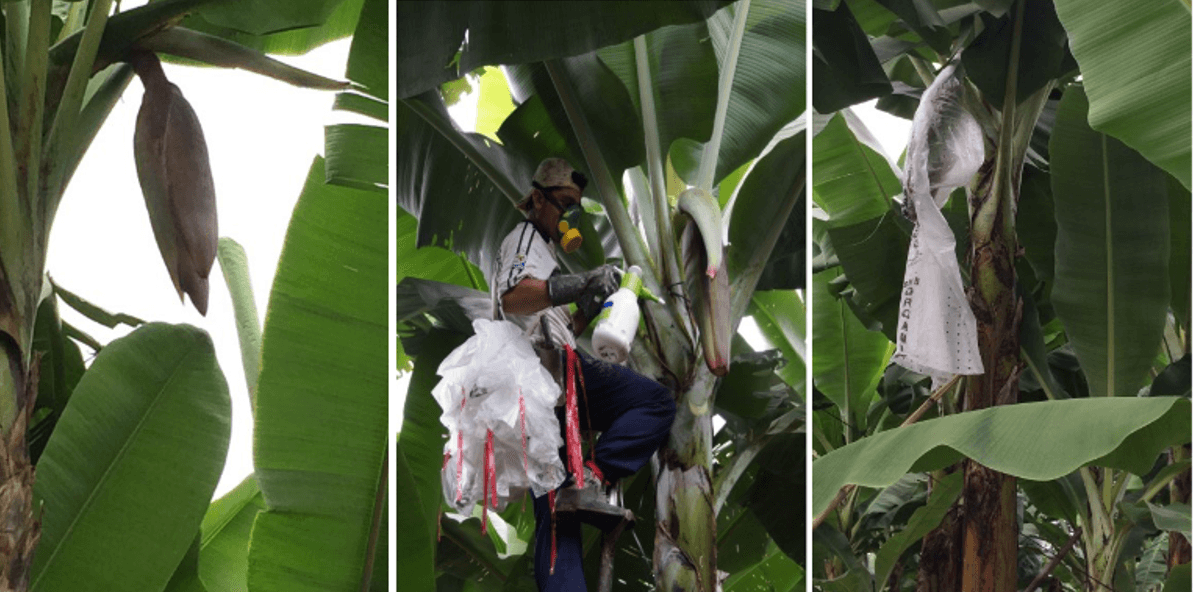
Plantain is a staple food in the diet of thousands of people in Latin American and Caribbean countries. In addition, it generates permanent income for small and medium farmers, contributing to the social development of the regions where it is cultivated. However, plantain production requires technological improvement that strengthens the competitiveness of the value chain, mainly in terms of phytosanitary management of the crop with strategies that reduce the use of agro-toxins.
This initiative allowed to strengthen the banana production chain in the project's areas of influence through the active participation of all the actors, generating certified plantain seed of new varieties resistant to pests with market acceptance, and the development of biologicals to replace agrotoxins in the phytosanitary management of the crop.
Development and use of technologies for the phytosanitary management of plantains, including thermal chambers for the production of suckers and seedlings, identification of disease-resistant genotypes, development and use of leachates, biological controllers and low-cost bio-fertilizers that reduced the impact of agrochemicals on the environment, applying a participatory research scheme.
This project actively contributes to achieving the Sustainable Development Goals, promoting more equitable, resilient, and sustainable regional development.

_21_22_42.png&w=640&q=75)
Elizabeth Álvarez

Elena Isabel Medina
Saul Mestanza Solano
Elizabeth Álvarez
The tangible impact of science and technology in the field
Sponsors


With the support of



.png&w=384&q=75)