 Impact
 Initiatives
 Dashboard
 Alliances
 Impact
 Initiatives
 Dashboard
 Alliances


Learn more about this story
Project Webstory
Go to webstory




 Agronomic PracticesAppliedTechnological
 2019
2019 Closed
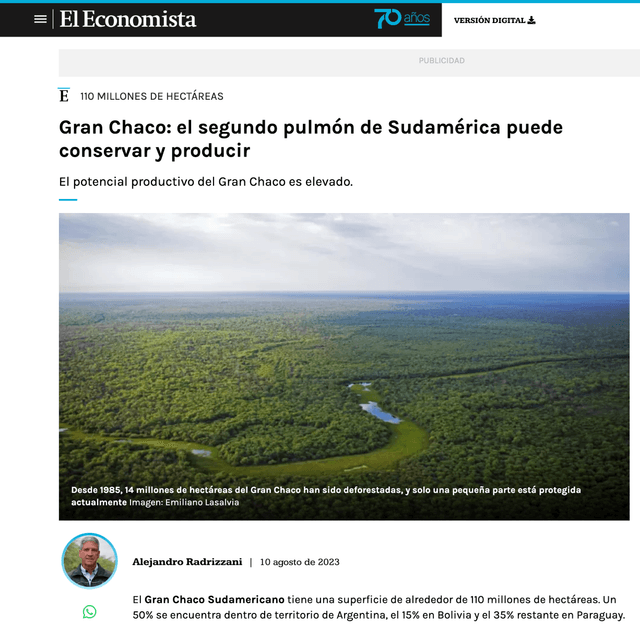
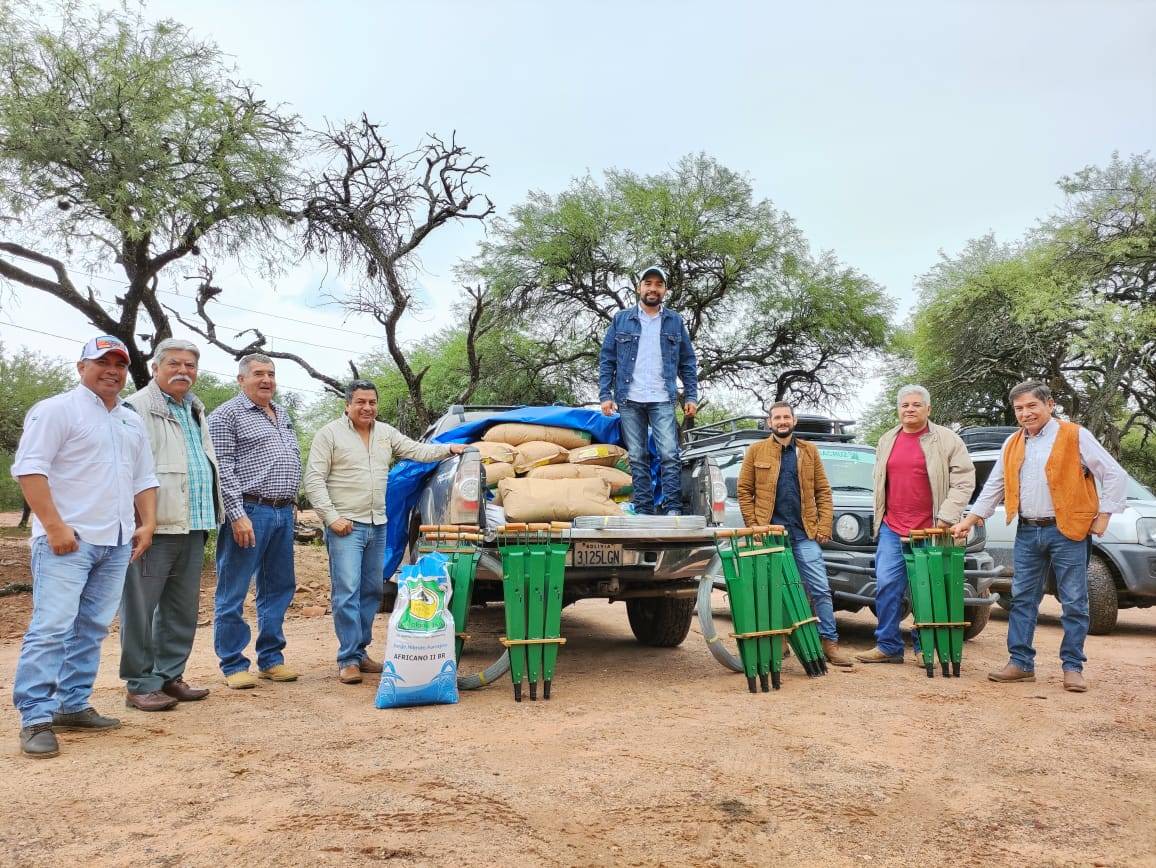
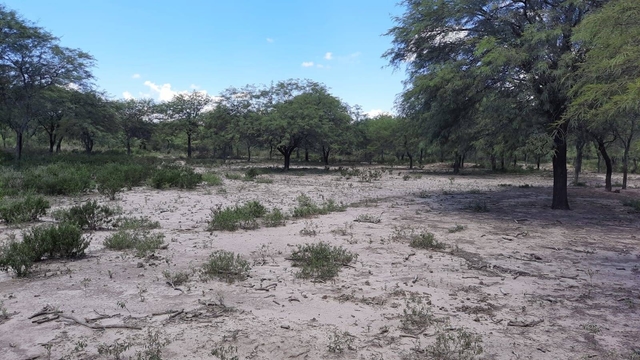
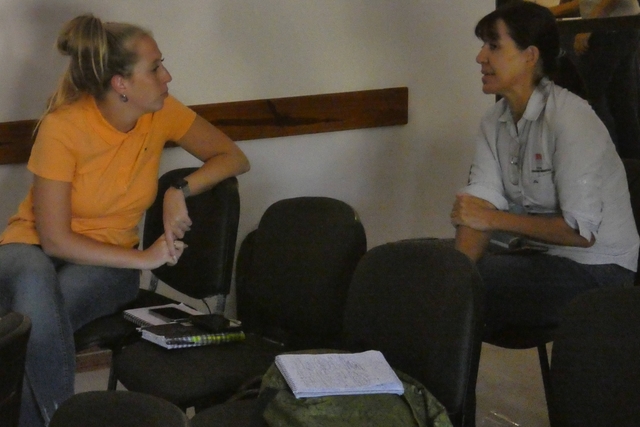
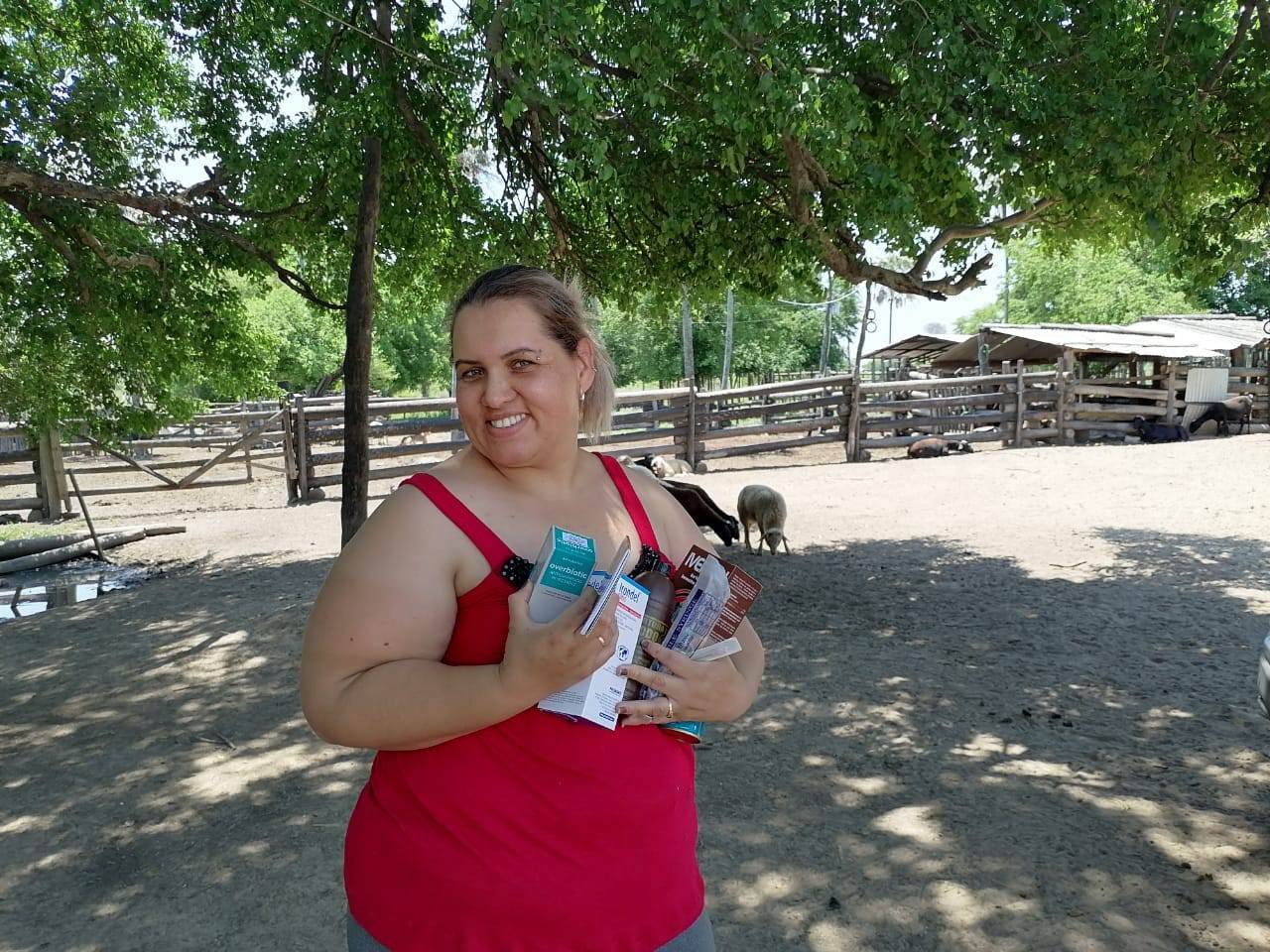
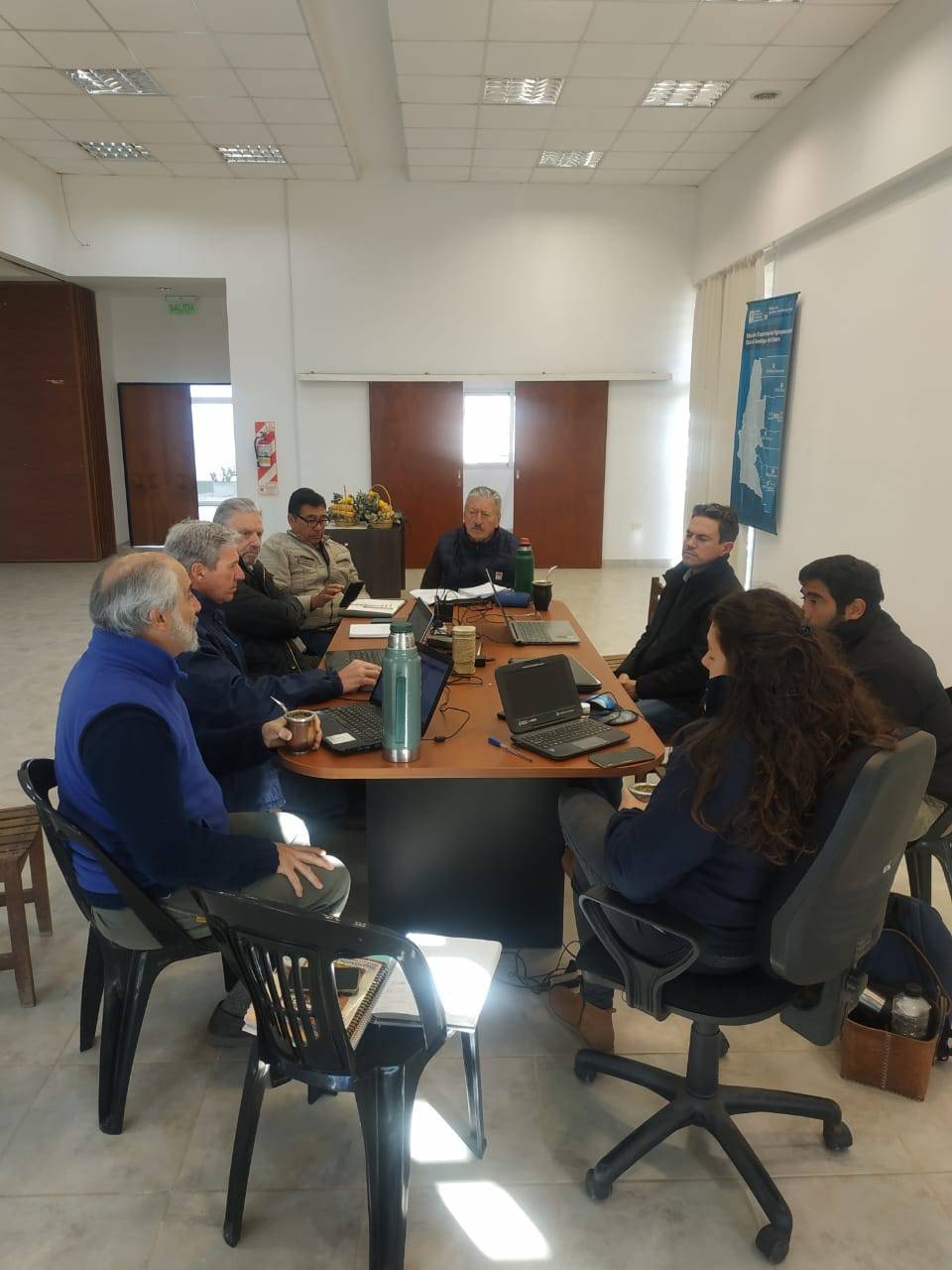
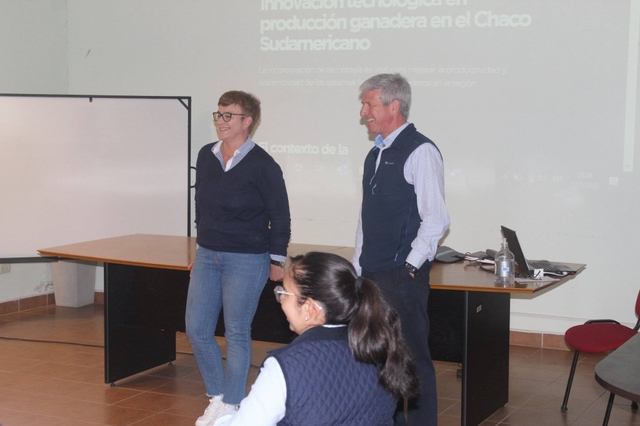
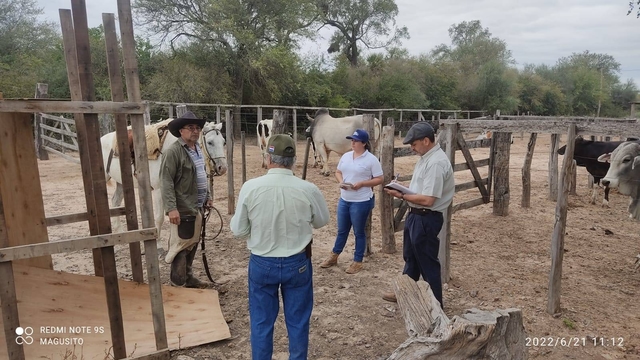
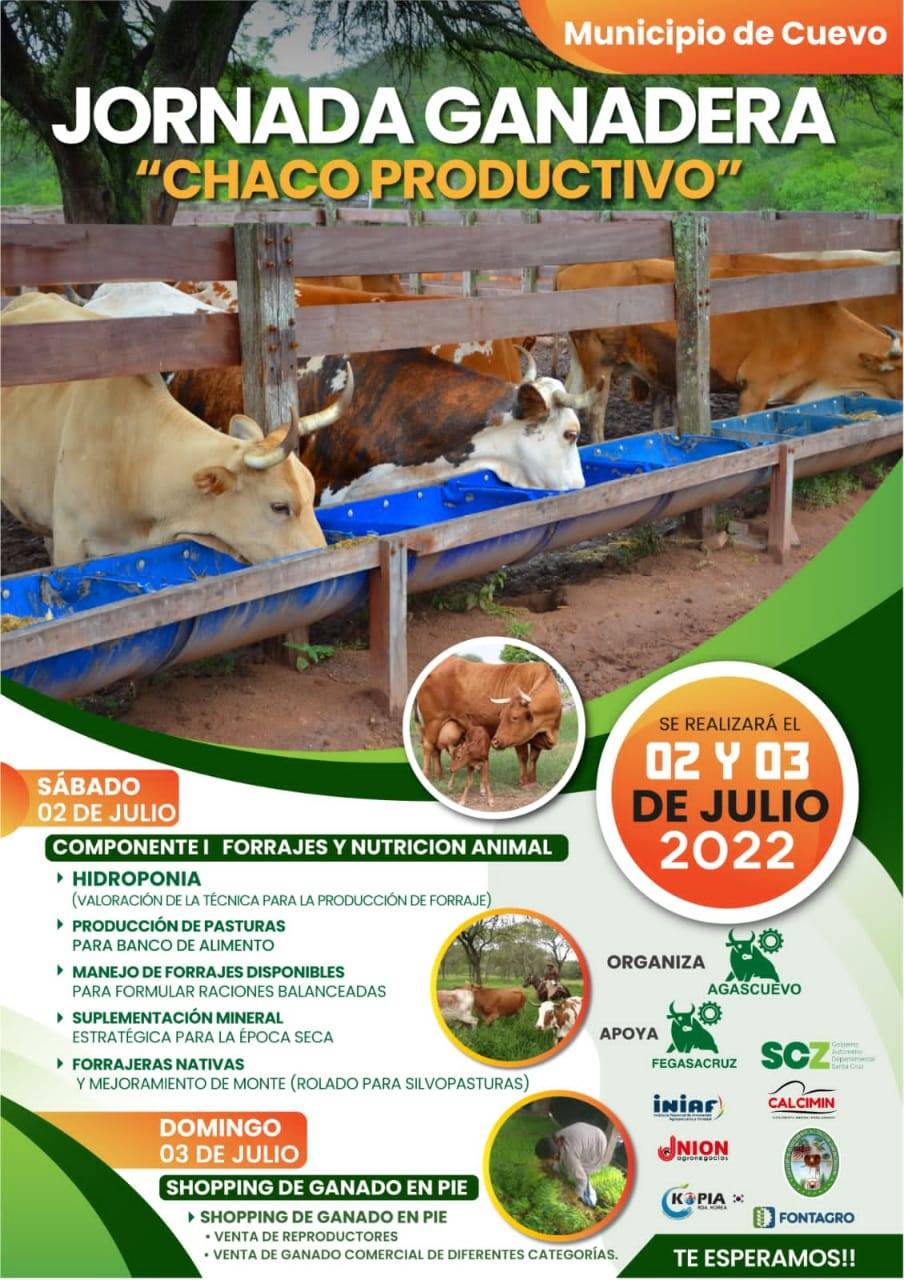
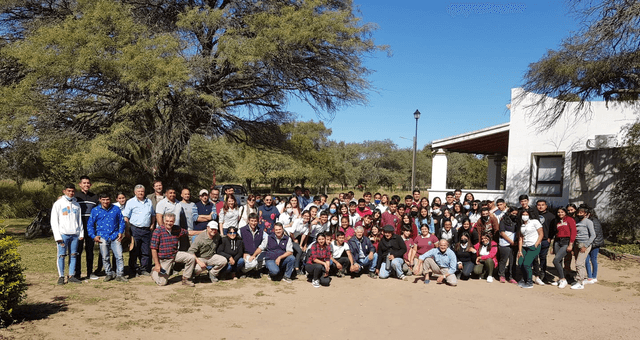
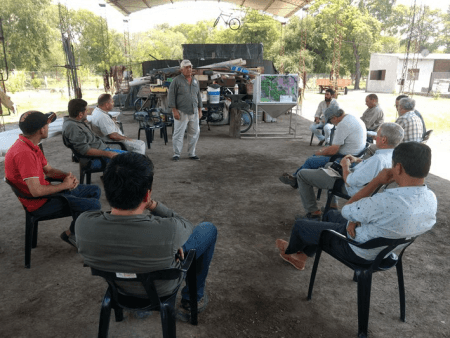
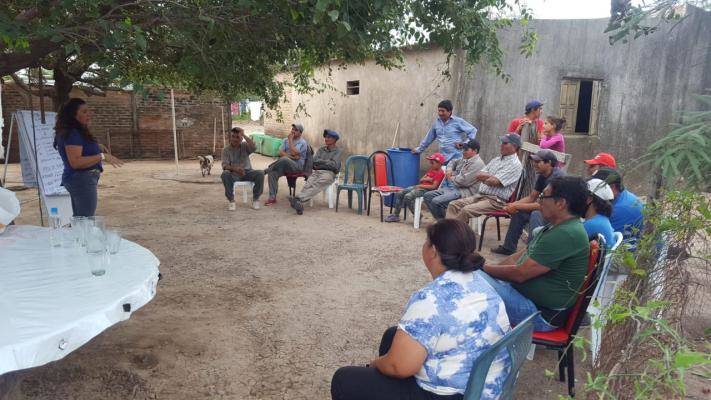
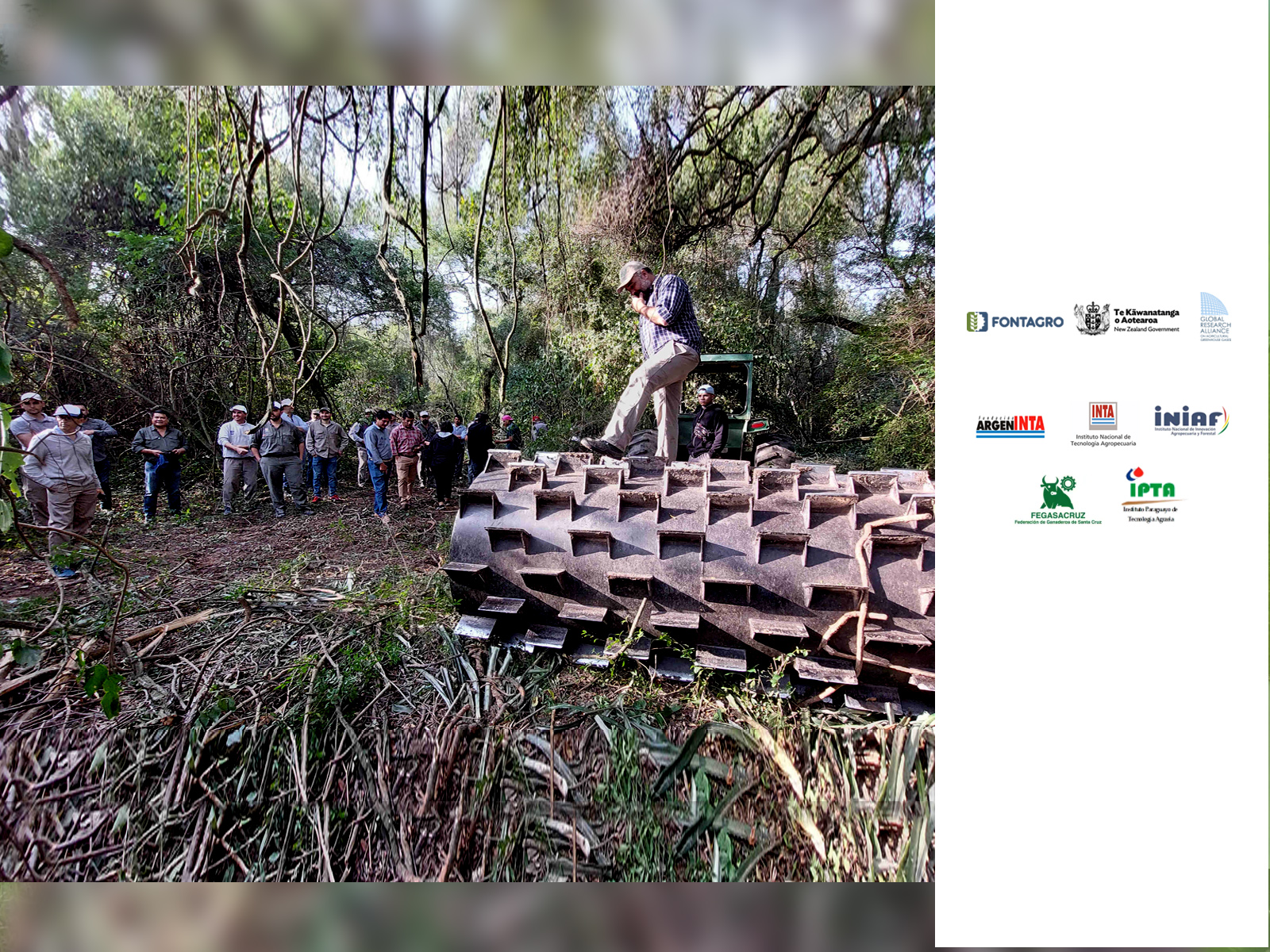
In recent decades there has been a rapid expansion and intensification of agricultural production in the South American Chaco region. However, most livestock producers still have very low productivity levels . A valid indicator of this productivity is the low annual weaning rate (calves per cow per year), which is below 50%. Low productivity can be explained by poor availability and planning of forage resources (e.g. pastures, rangeland and reserves), a lack of farm infrastructure (e.g. pasture and corrals), inefficient herd management (e.g. lack of planning and organization of services, weaning) and lack of adequate health management (e.g. reproductive and parasitic diseases). This project seeks to improve the efficiency, stability and resilience of family livestock systems in the Chaco region through the incorporation of alternative technologies and capacities to improve livestock management. Researchers, extension workers and producers from the three countries that share the South American Chaco: Argentina (INTA-ArgenINTA), Bolivia (INIAF and FeGaSaCruz) and Paraguay (IPTA-IICA), are participating in this cooperative project. The project is funded by the New Zealand Government as part of its contribution to the Global Research Alliance on Agricultural Greenhouse Gases (GRA).
A network of pilot sites (livestock farms) where proposed technologies are adapted and demonstrated together with technical assistance and a training program on livestock innovation for extension workers, advisors and producers.
This project actively contributes to achieving the Sustainable Development Goals, promoting more equitable, resilient, and sustainable regional development.




April 15, 2024
April 15, 2024
April 15, 2024
Alejandro Radrizzani
ArgentinaRolando Daniel Lema
ArgentinaPablo María Usandivaras
ArgentinaGuerin Sensano Gil
BoliviaRuben Tellez
ParaguayMaura Ortiz
ParaguayJosé Manuel Virieux
BoliviaJuan Carlos Rivera
BoliviaMarcelo Pamies
ArgentinaYuri Llorenty
BoliviaAntero Cabrera
ParaguayKarina Susana Casellas
ArgentinaAlejandro Valeiro
ArgentinaThe tangible impact of science and technology in the field
Sponsors


With the support of