 Impact
 Initiatives
 Dashboard
 Partnerships

 Impact
 Initiatives
 Dashboard
 Partnerships

 Technological
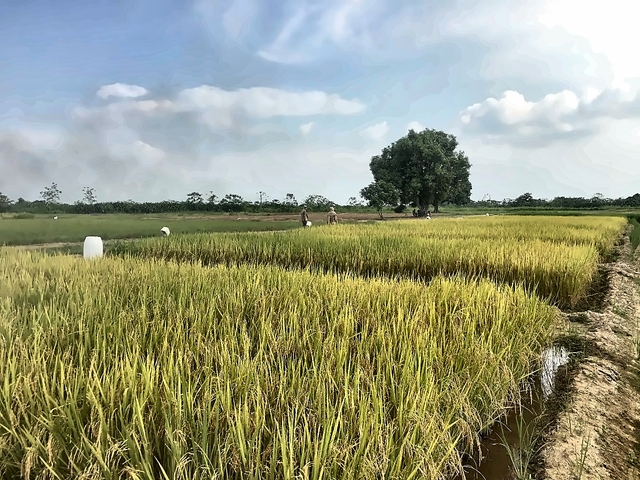
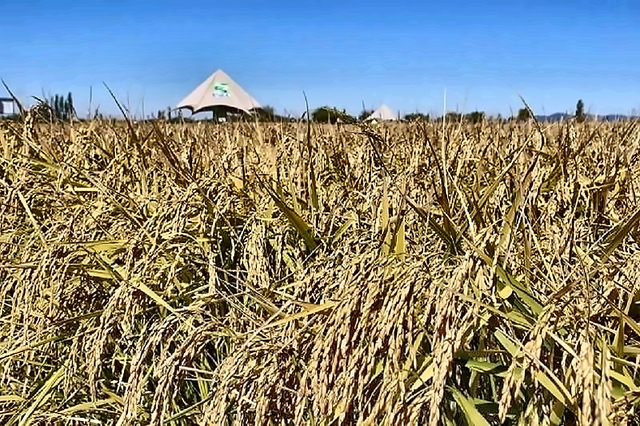
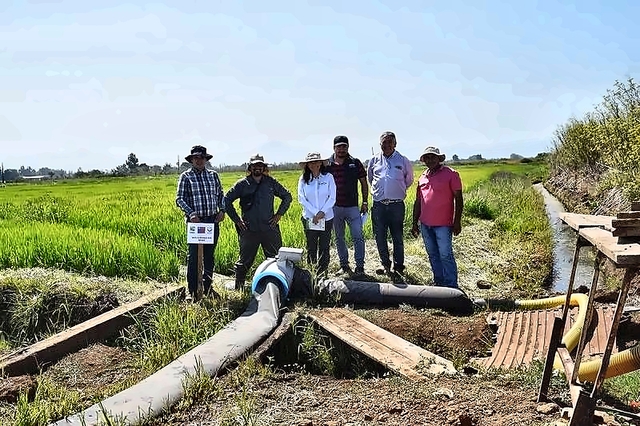
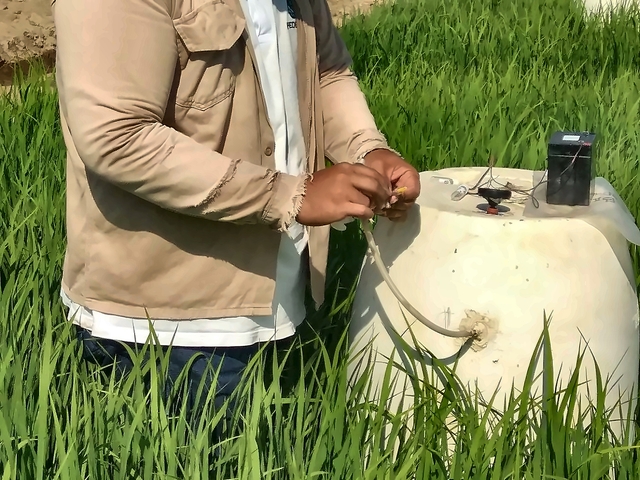
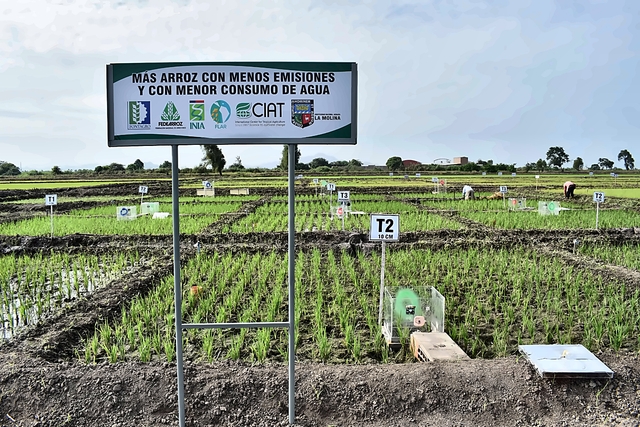
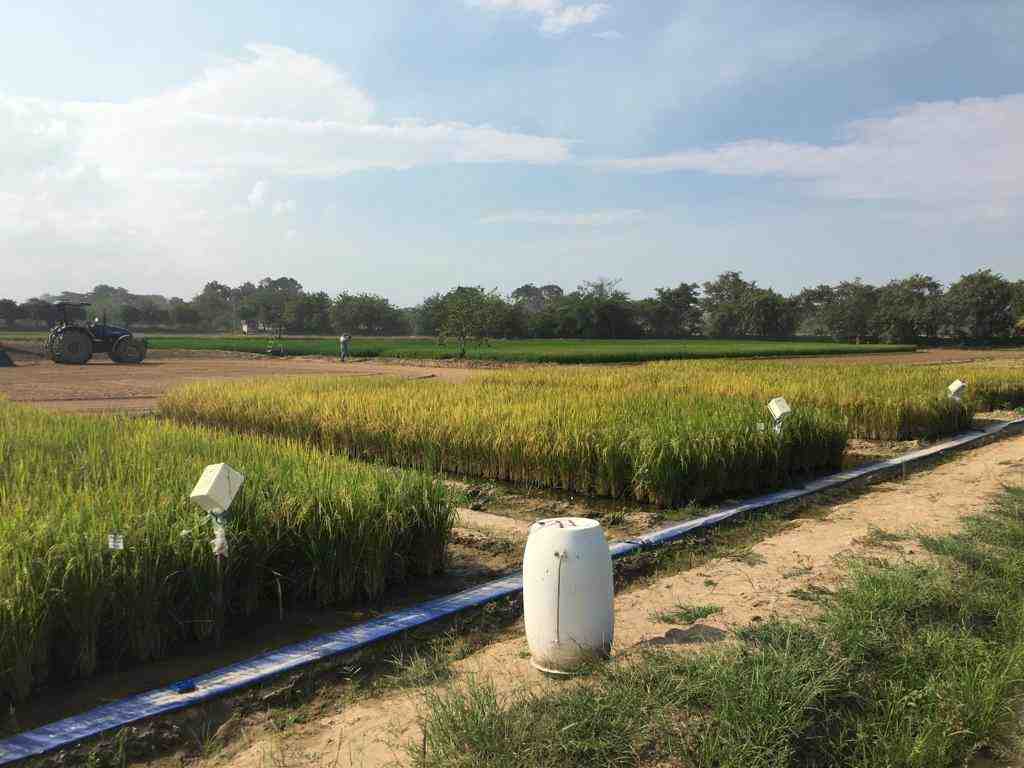
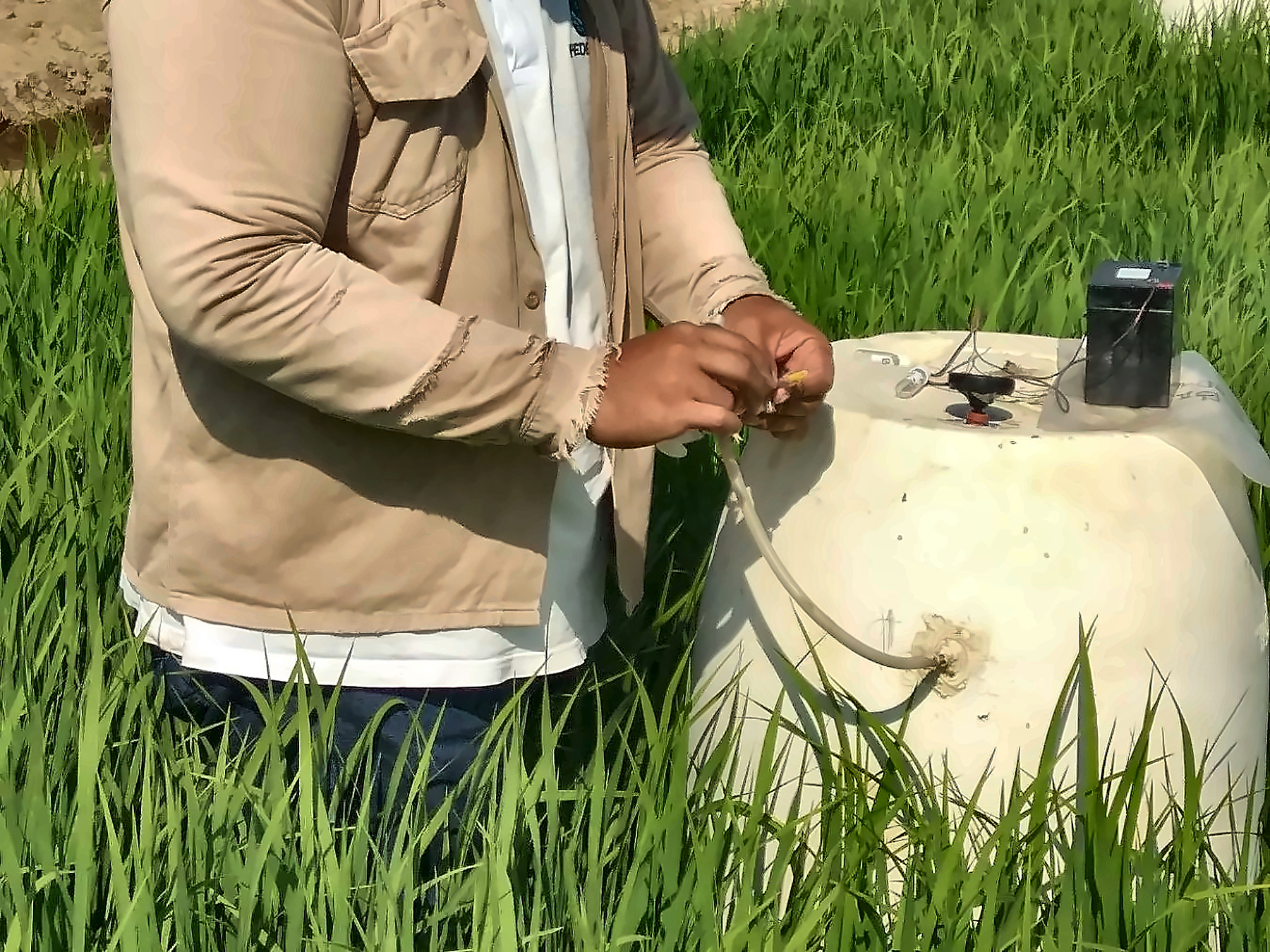
“AWD is alternate irrigation: a dry period and a wet period, an intermittent management of water,” explained Patricia Guzmán, project leader at FEDEARROZ. In Saldaña (Colombia), Ferreñafe (Peru) and Parral (Chile), experimental plots compare conventional irrigation with two AWD levels, in which water drops 5 cm and 10 cm below the soil surface. Electronic sensors connected to dataloggers and gas-sampling chambers allow very precise monitoring. Results show significant water savings with similar yields and a trend toward lower methane in all three countries. For Gabriel Donoso (INIA Chile) and Elizabeth Heros (UNALM, Peru), this work provides real rice emissions data for the first time, which is key to their countries’ climate commitments.
🔗 Original news (in Spanish): FONTAGRO achieves fewer emissions and greater water conservation in rice
📄 Publications (in Spanish): FONTAGRO Tech (PDF) · Experimental AWD impact measurement (PDF)