 Impact
 Initiatives
 Dashboard
 Partnerships

 Impact
 Initiatives
 Dashboard
 Partnerships

 Technological
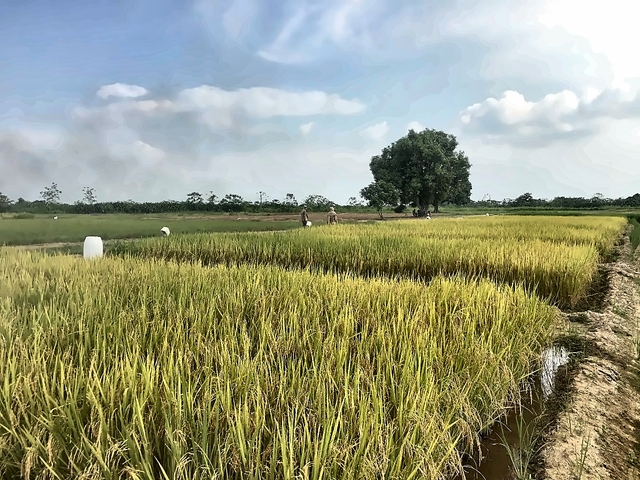
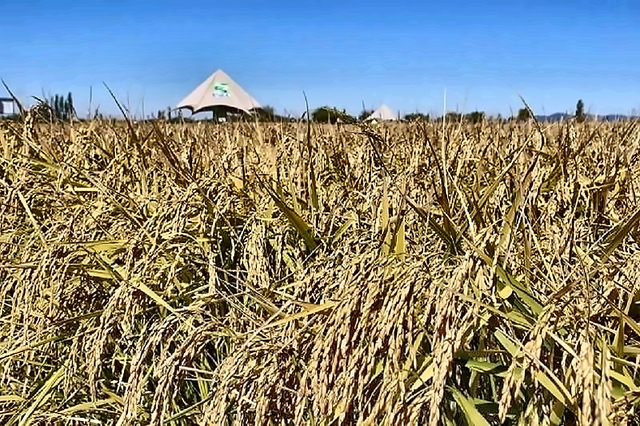
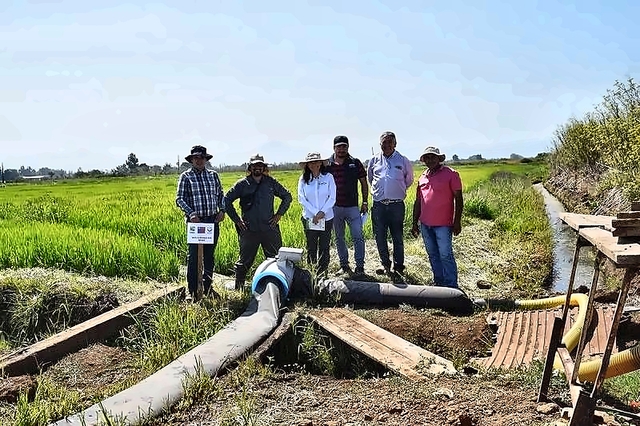
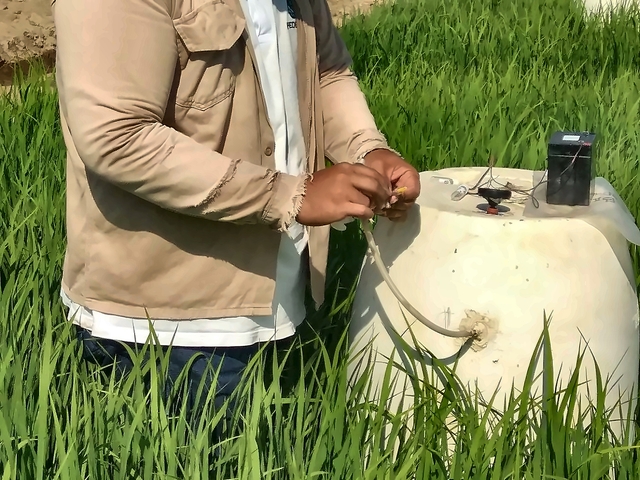
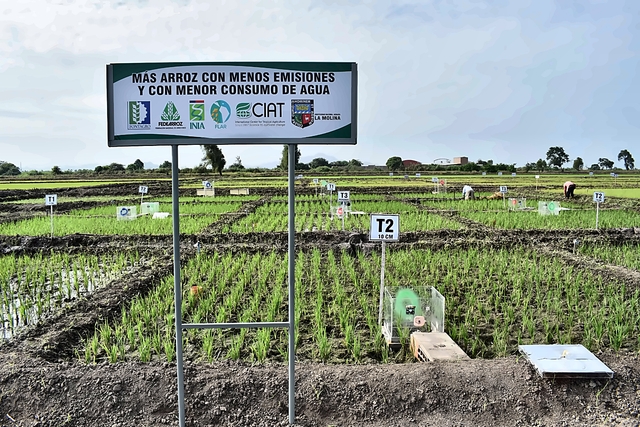
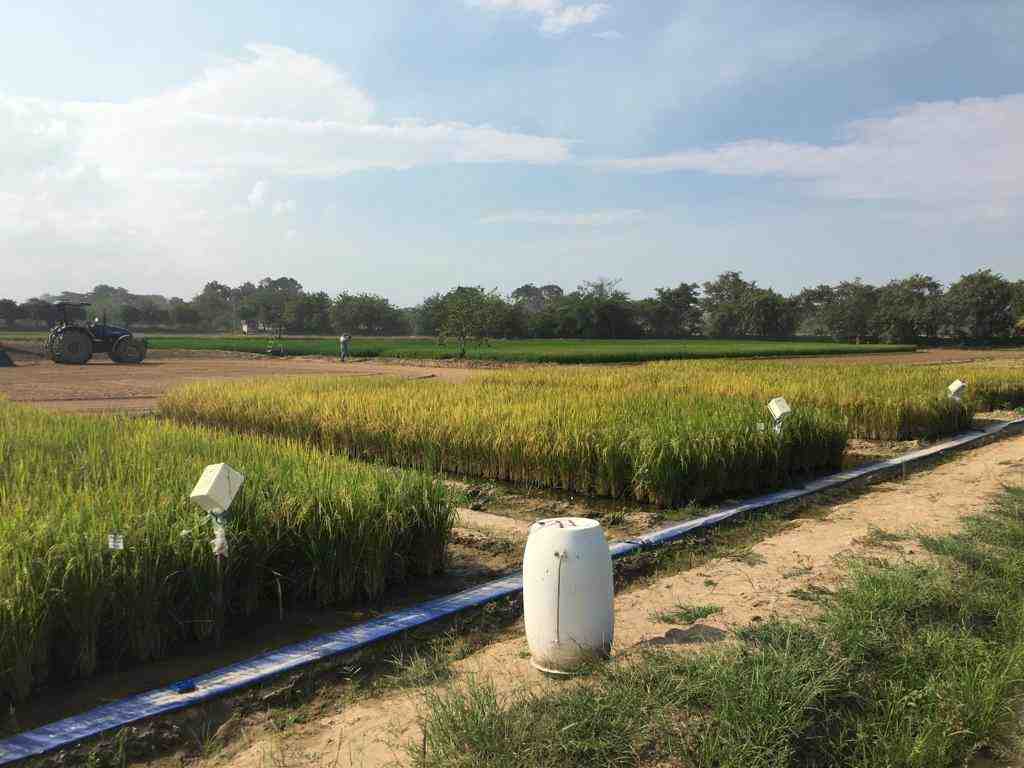
The INIA Quilamapu and INIA Remehue team set up the project’s first field trials in Parral, comparing conventional flood irrigation with intermittent irrigation under both pre-germinated and direct seeding. During the season, greenhouse gases and water use were measured, and costs, yields and grain quality will be assessed next. “The results of two experimental seasons will allow us to propose a technology package that will be validated on farmers’ fields in the project’s third year,” explained researcher Viviana Becerra. This information, until now scarce in Chile, will help the country move forward on its international climate mitigation commitments.
🔗 Original news (in Spanish): More rice with less water and fewer GHG emissions in Chile