 Impact
 Initiatives
 Dashboard
 Alliances

 Impact
 Initiatives
 Dashboard
 Alliances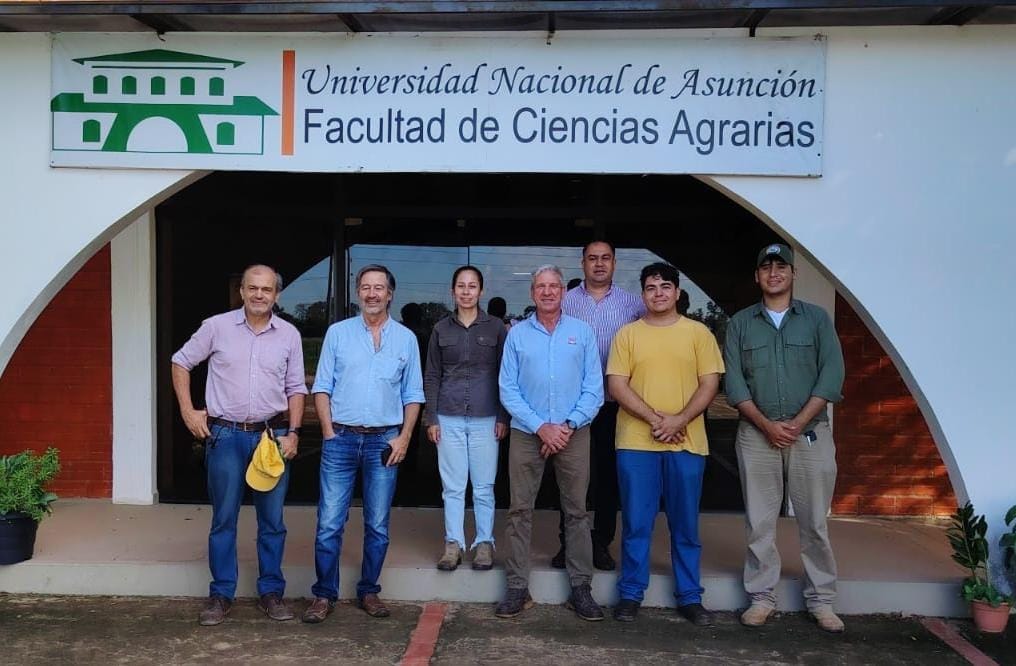

 Technological
With the objective of advancing the selection of pilot sites and the establishment of baseline data, the technical coordination team carried out a series of visits to productive farms in the Central Chaco region of Paraguay.
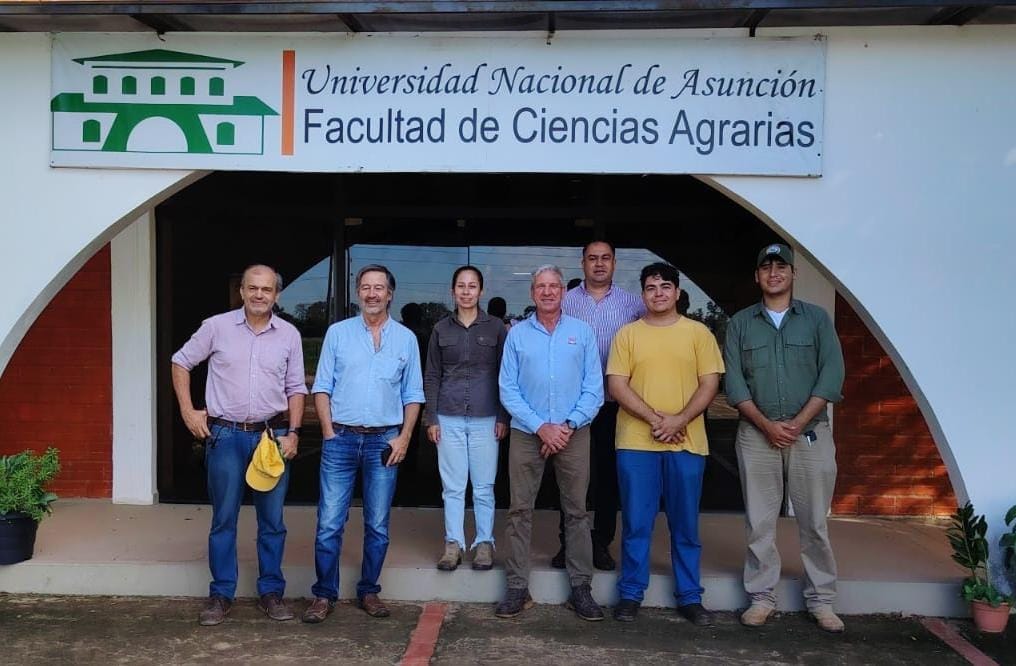
With the collaboration of staff from IPTA (Drs. Jorge Cabañas and Maura Ortiz) and the Chaco campus of the Faculty of Agricultural Sciences of the University of Asunción (Prof. Antero Cabrera and faculty students), an intensive fieldwork agenda was conducted across the Paraguayan Chaco region.
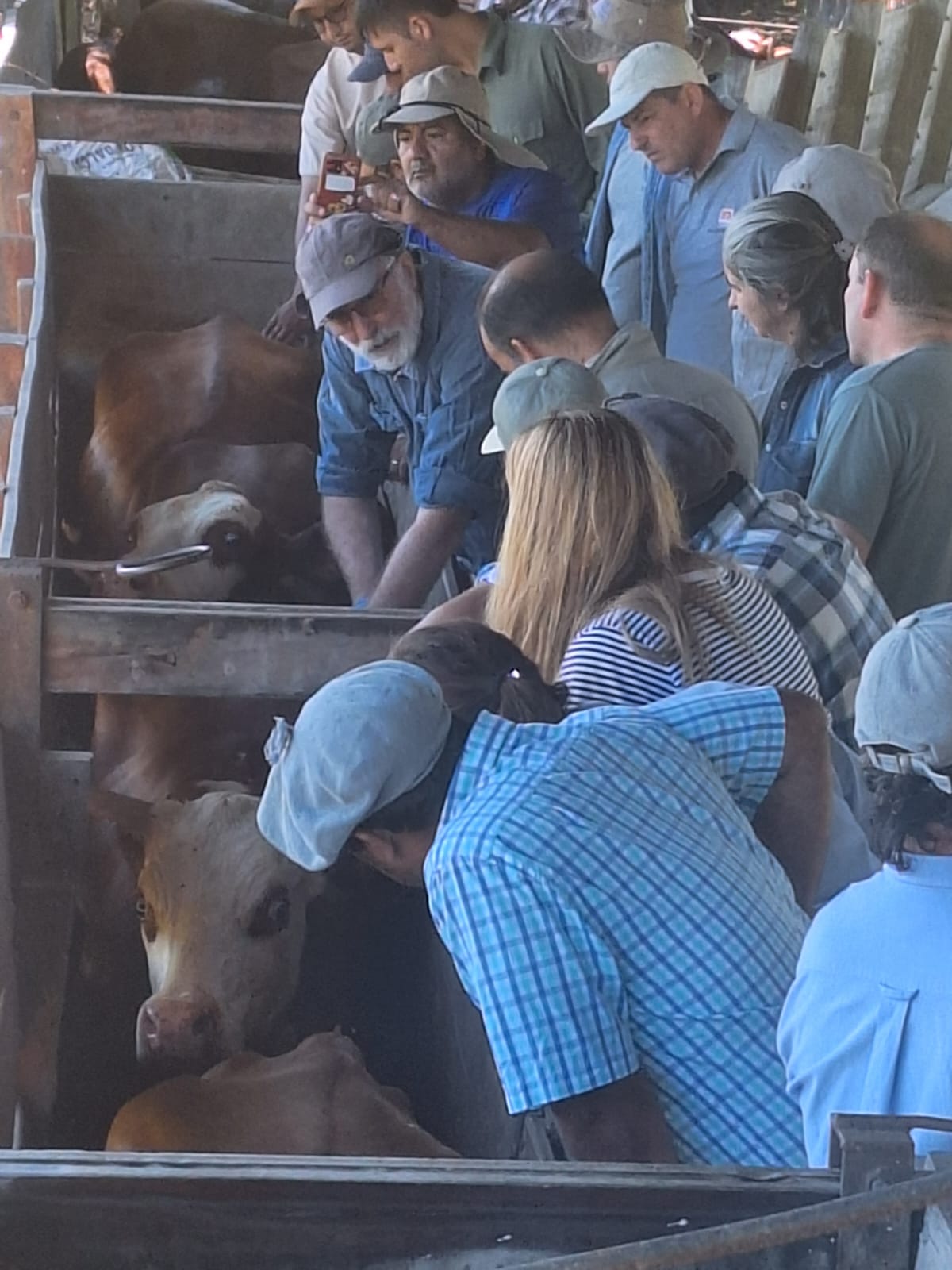
During the field visits, local producers were interviewed and farms with the potential to join the project’s regional network of pilot sites were evaluated.
These visits are essential for achieving the goals of the project “Gran Chaco Ganadero: more calves, less methane.” The activities focused on:
Identification of pilot sites: visits to farms to verify selection indicators under real production conditions.
Dialogue with key stakeholders: direct interviews with producers to identify willingness to implement changes in their livestock production systems, assess the technical feasibility of adopting the proposed innovations, and identify possible challenges for project implementation.
Validation of livestock metrics: preliminary assessment of indicators related to forage resource management, biodiversity, and water availability, which are critical areas for the Chaco region.
The Central Chaco of Paraguay represents a strategic ecosystem for this regional project, as the country holds a significant share of the Southern Cone’s cattle stock, and the agricultural sector accounts for 10.5% of Paraguay’s GDP.