 Impact
 Initiatives
 Dashboard
 Partnerships

 Impact
 Initiatives
 Dashboard
 Partnerships

 Technological-Organizational-Institutional
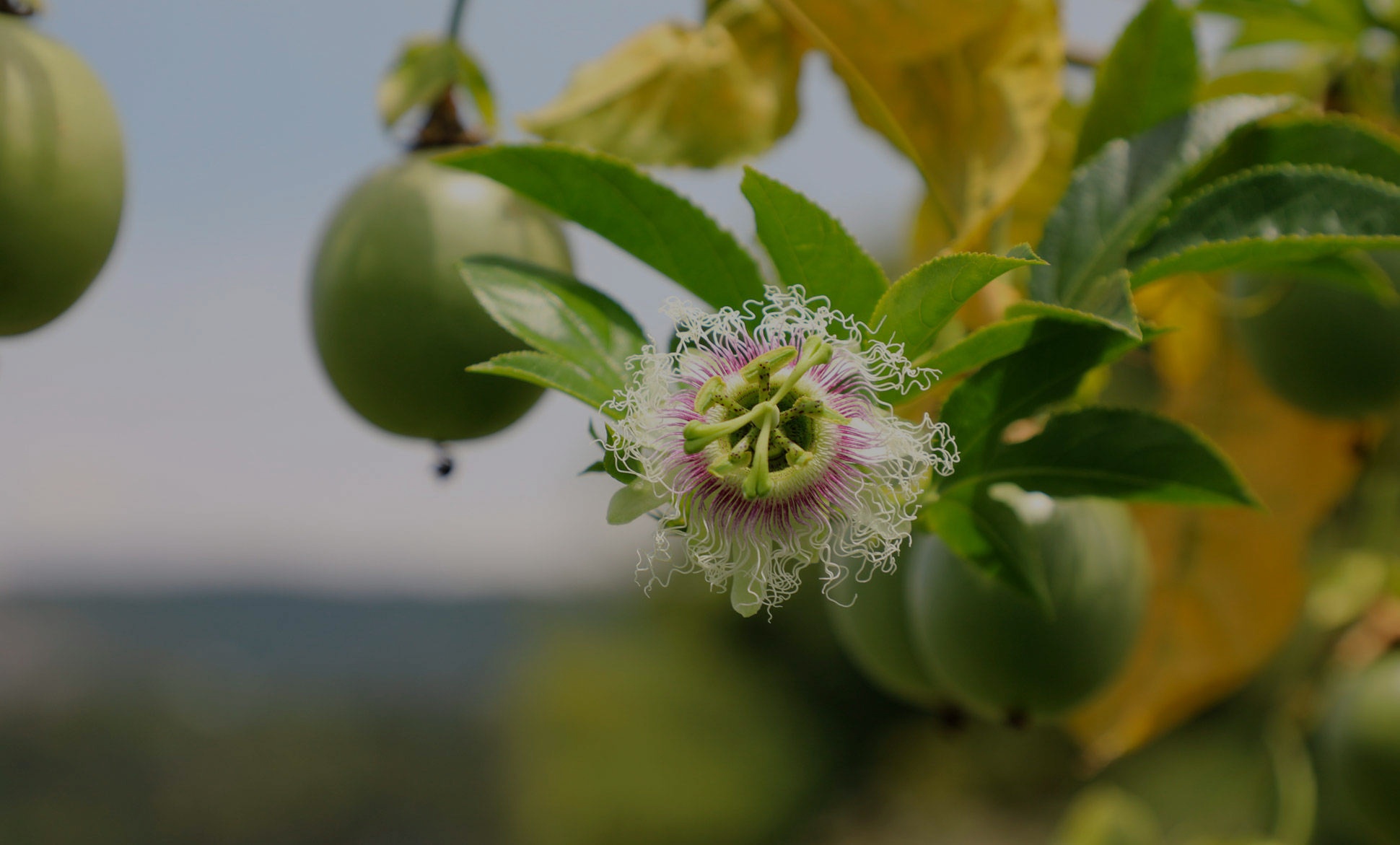
Fruit harvesting and processing leave large amounts of residue; in passion fruit it can reach 65% of the fruit’s volume. The FONTAGRO-supported project “Platform Model for the Integral Use, Value Addition and Competitiveness of Commercial Andean Fruit Crops” saw an opportunity in them. With those residues and with second- and third-grade fruit, it developed prototypes of new products:
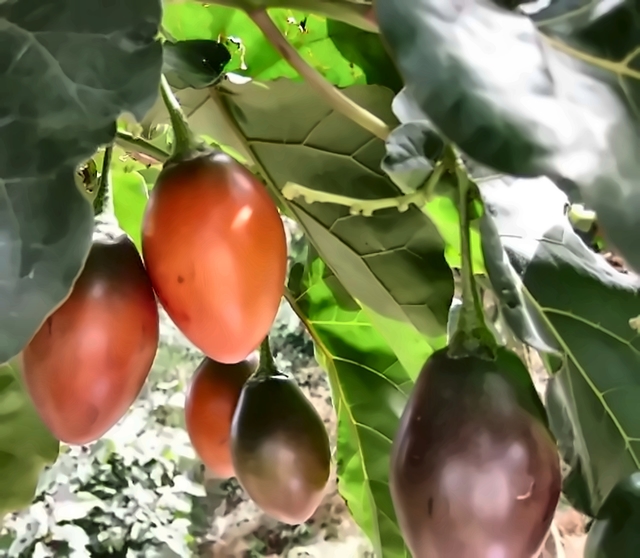
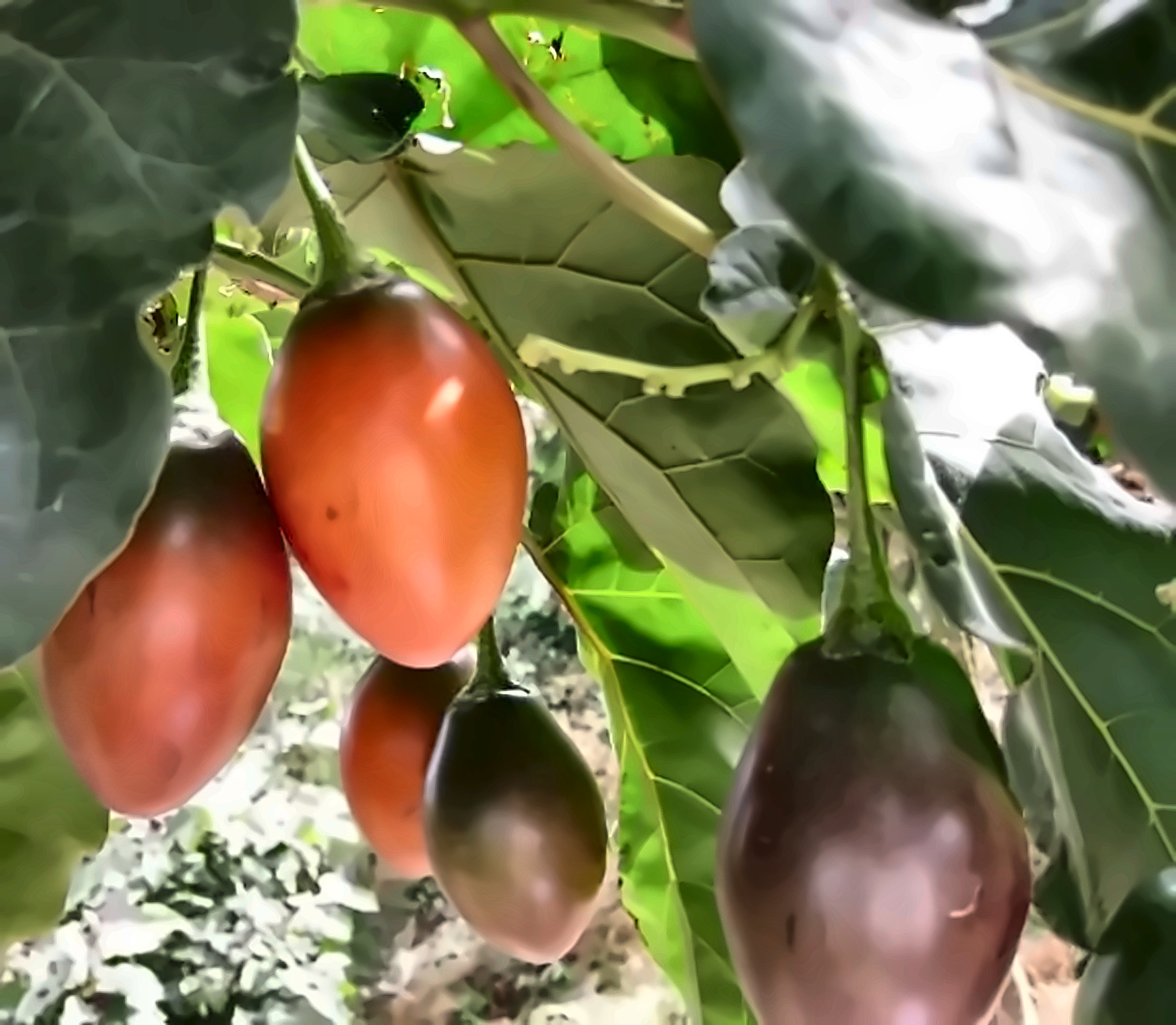
- Antioxidant herbal teas: tree tomato and guava residues have greater antioxidant capacity than the fresh fruit, and tree tomato teas were the best received.
- Bakery fillings: they were made with pulp, seeds and ground peels of passion fruit and guava, and consumers rated them well.
- Fruit bars: after tests at the National University and pilot runs at the FRUGY plant, two bars, one blackberry and one guava, reached the market under the Conga brand. Extruded fruit snacks were also developed.
- Biocomposites: lignocellulosic residues such as stems were evaluated for making packaging, vehicle parts, enzyme supports and building materials.
The project also improved the quality of fresh and processed fruit:
Ultrasound-assisted drying of lulo, guava and tree tomato produced better color, aroma and flavor in less time, and preserved antioxidants.
With modified atmospheres and edible coatings, at 10 °C tree tomato kept for up to 52 days, guava for 21 days, and passion fruit and lulo for 18 days.
In Lleida (Spain), analyses showed that exported fruit arrives with most of its quality properties intact.
🔗 Project page (in Spanish) · 📄 Final technical report (in Spanish)