 Impact
 Initiatives
 Dashboard
 Alliances

 Impact
 Initiatives
 Dashboard
 Alliances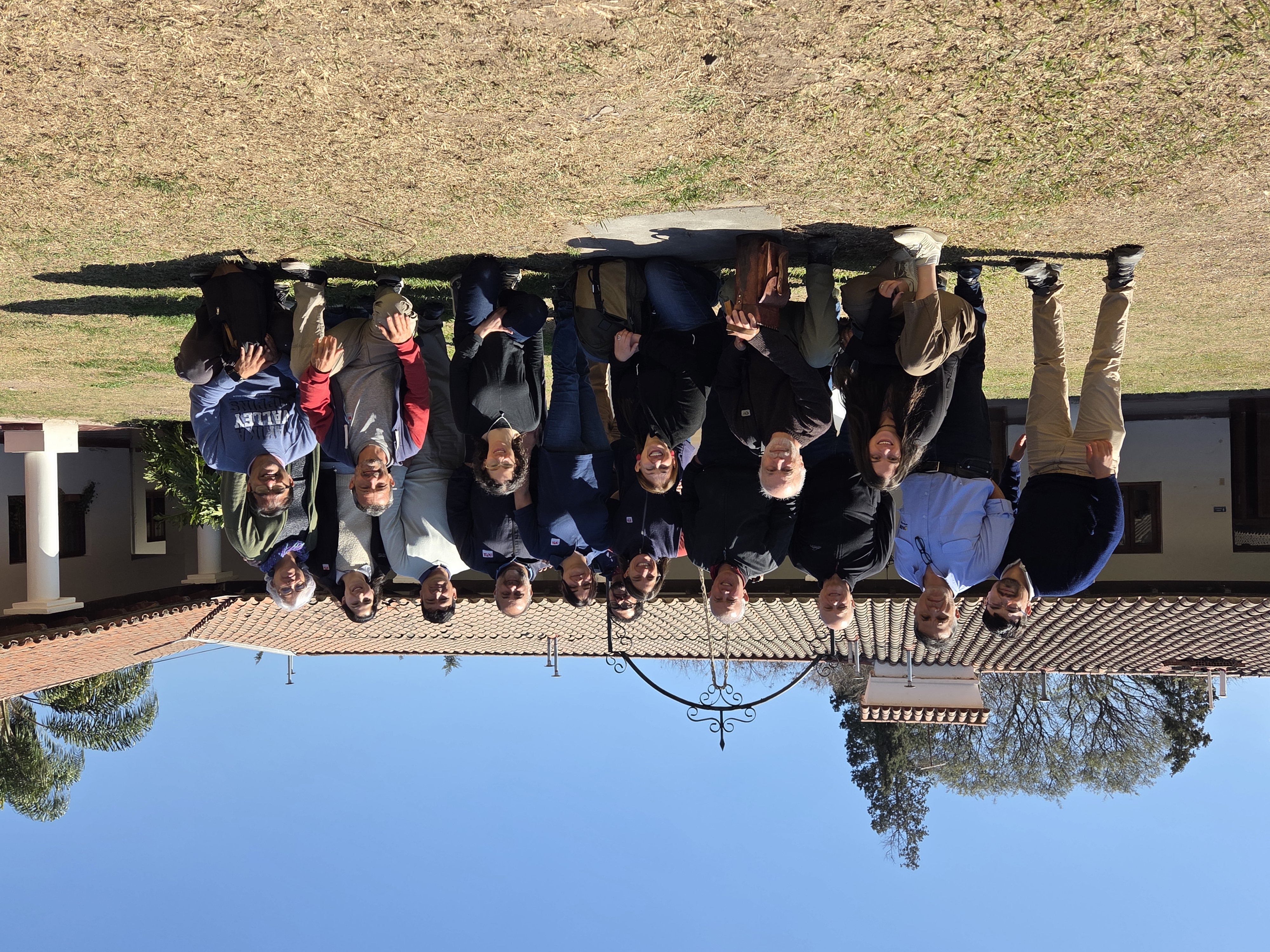

 Technological
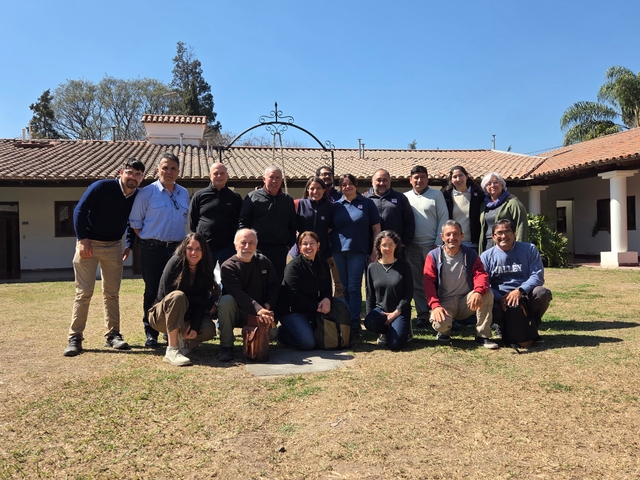
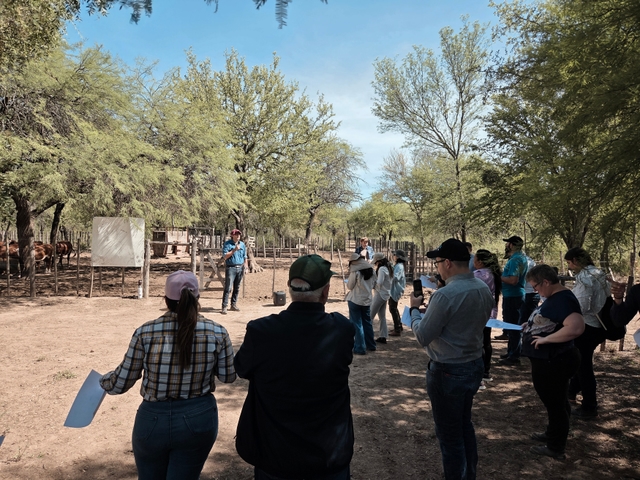
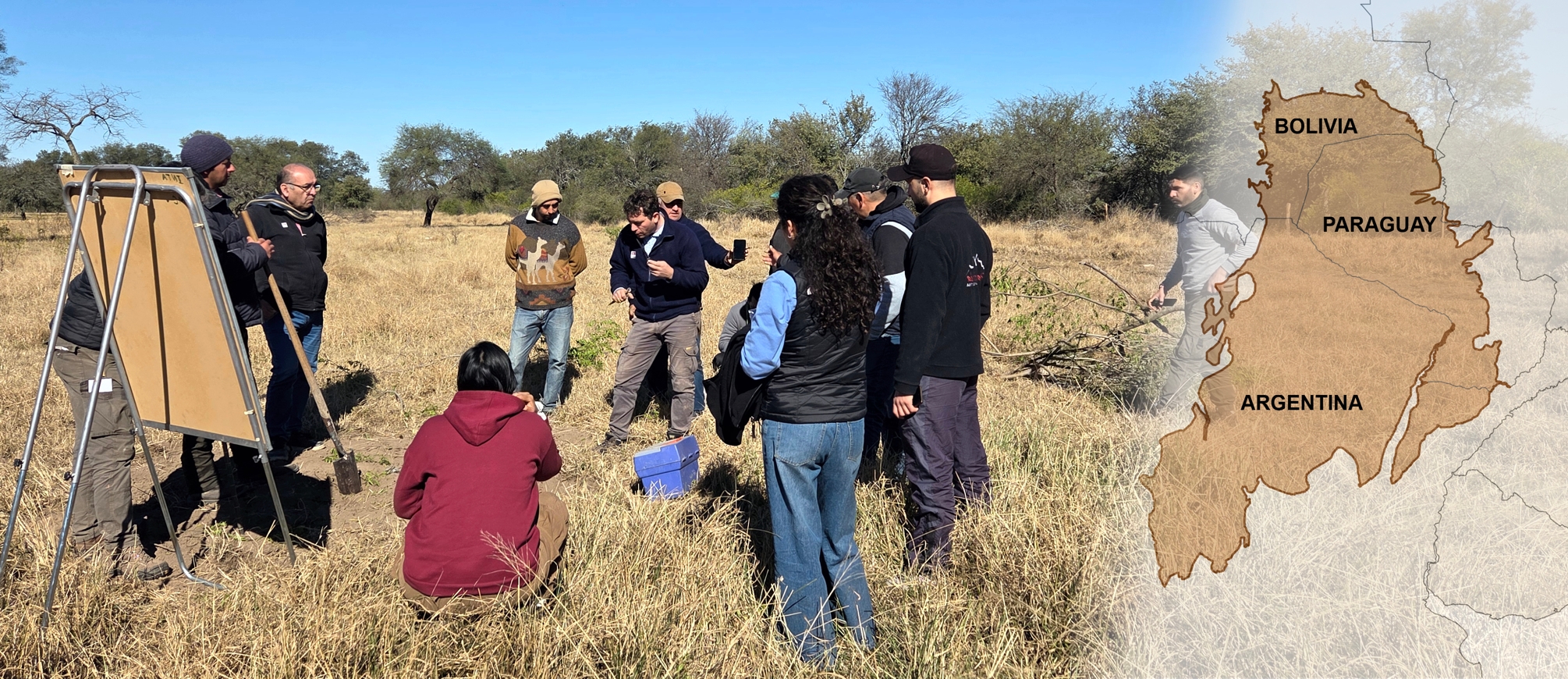
Managing the native forests of the Gran Chaco is not a matter of applying fixed formulas; it requires, above all, a common language between those who inhabit the land and those who study it. Under this premise, from August 19 to 21, 2025, the INTA Salta Agricultural Experimental Station hosted a strategic workshop to define the operational tools and technical indicators that will evaluate the sustainability of productive systems across diverse project sites in Argentina, Bolivia, and Paraguay.
Strategic Insights and Regional Action
The meeting focused on a deep analysis of the regional landscape to develop a stakeholder mapping that identifies the true drivers of change in forest use. This mapping serves as a critical tool, ensuring the "Resilient Farms Network" matures into a robust institutional framework with genuine political and social influence.
To navigate the complexities of productive resilience, the team established specific metrics spanning social, economic, and environmental dimensions. These indicators will allow for a standardized comparison of farm evolution across the varying ecosystems and production scales that define the Chaco Region.
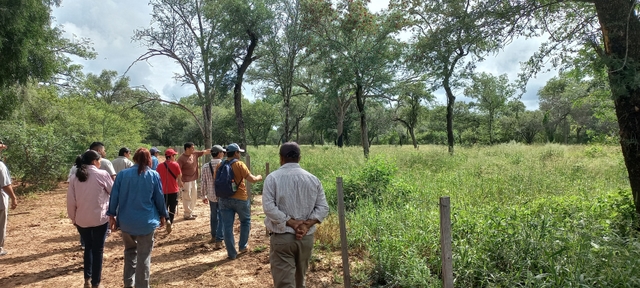
The sessions also addressed the contextual realities of each site, fostering a deeper understanding of shared challenges—from the legal and regulatory frameworks governing forest use to the specific management practices tailored to each local environment.
The summit concluded with a clear work schedule and the signing of short-term commitments, ensuring that technical progress translates into immediate, tangible benefits for local producers.
The workshop was facilitated by Pamela Rebolledo, featuring key contributions and presentations by Melisa Erro, Gonzalo Bravo, Carlos Carranza, and Marcelo Contreras.