 Impact
 Initiatives
 Dashboard
 Alliances
 Impact
 Initiatives
 Dashboard
 Alliances


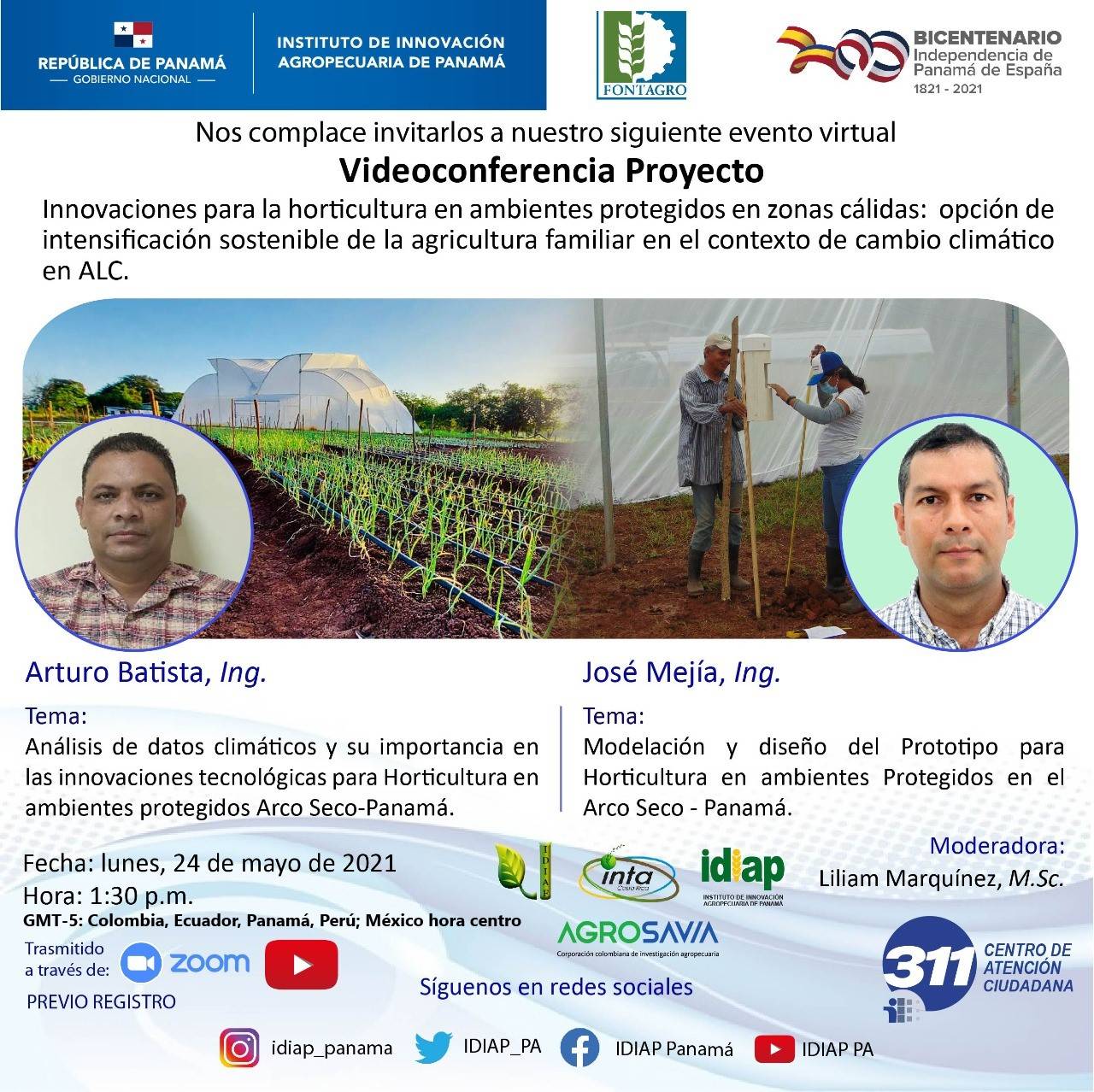
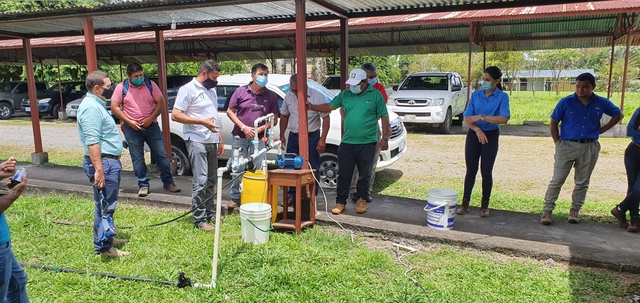
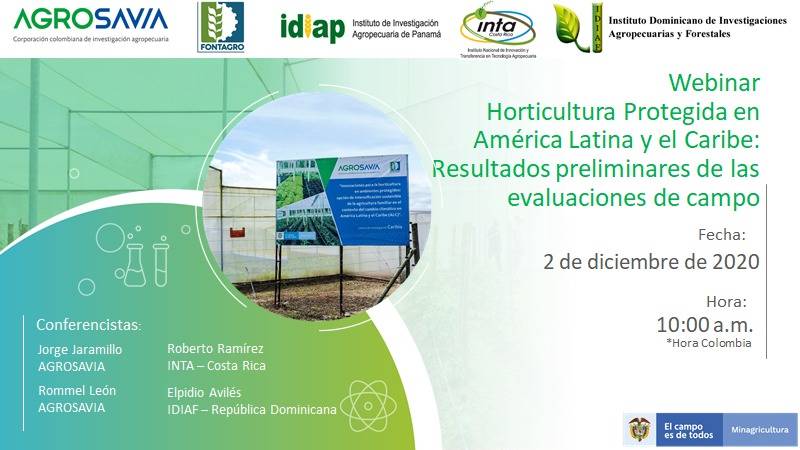
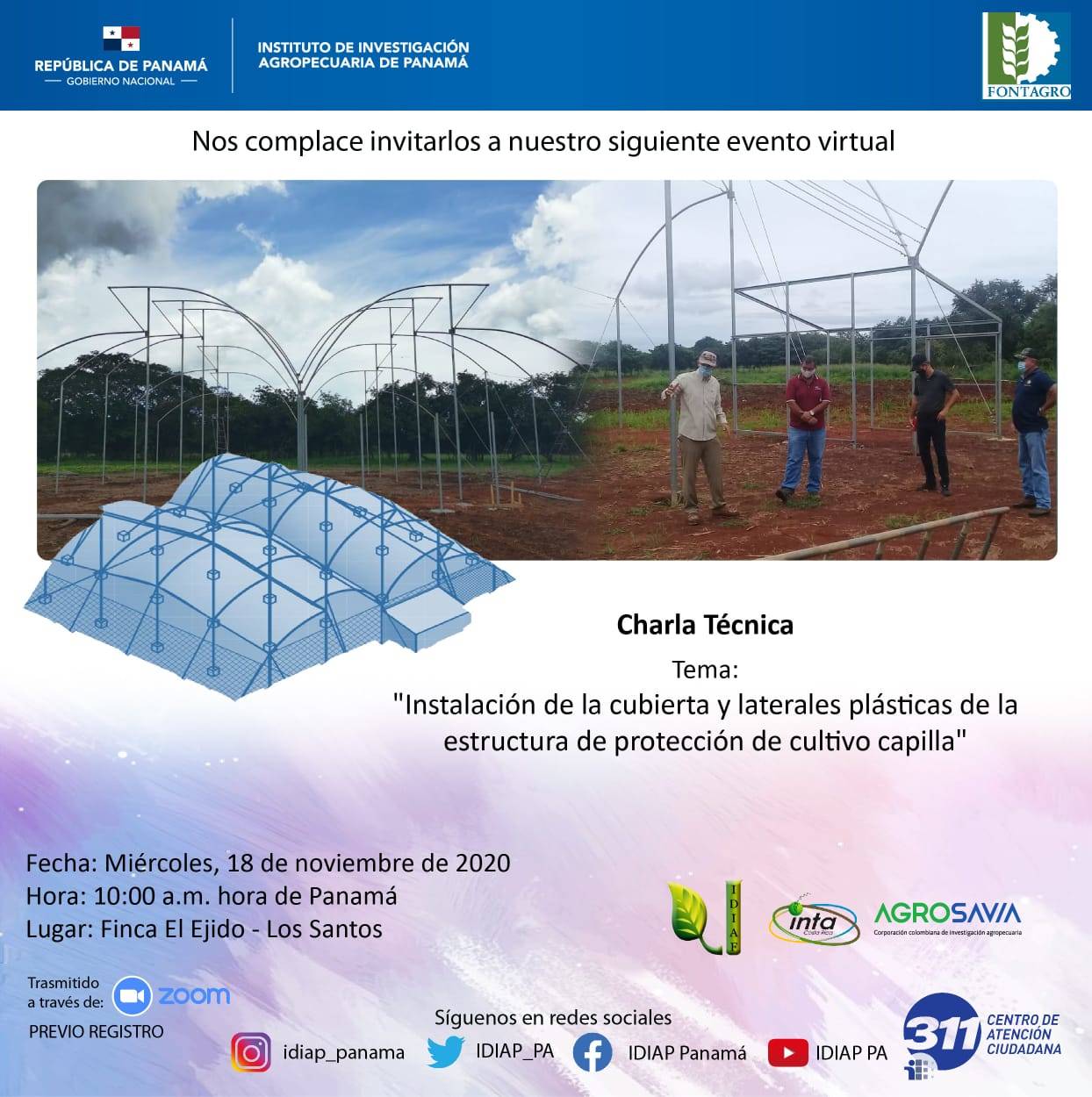

Learn more about this story
Project Webstory
Go to webstory




 Agronomic PracticesClimate changeAppliedTechnological-Organizational-Institutional
 2017
2017 Closed
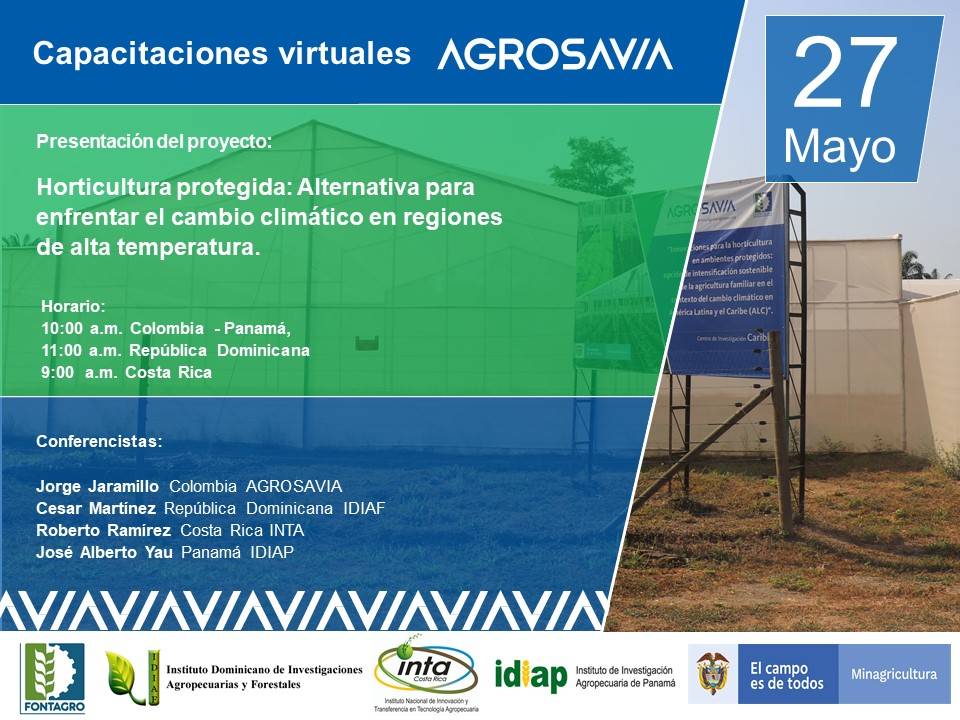
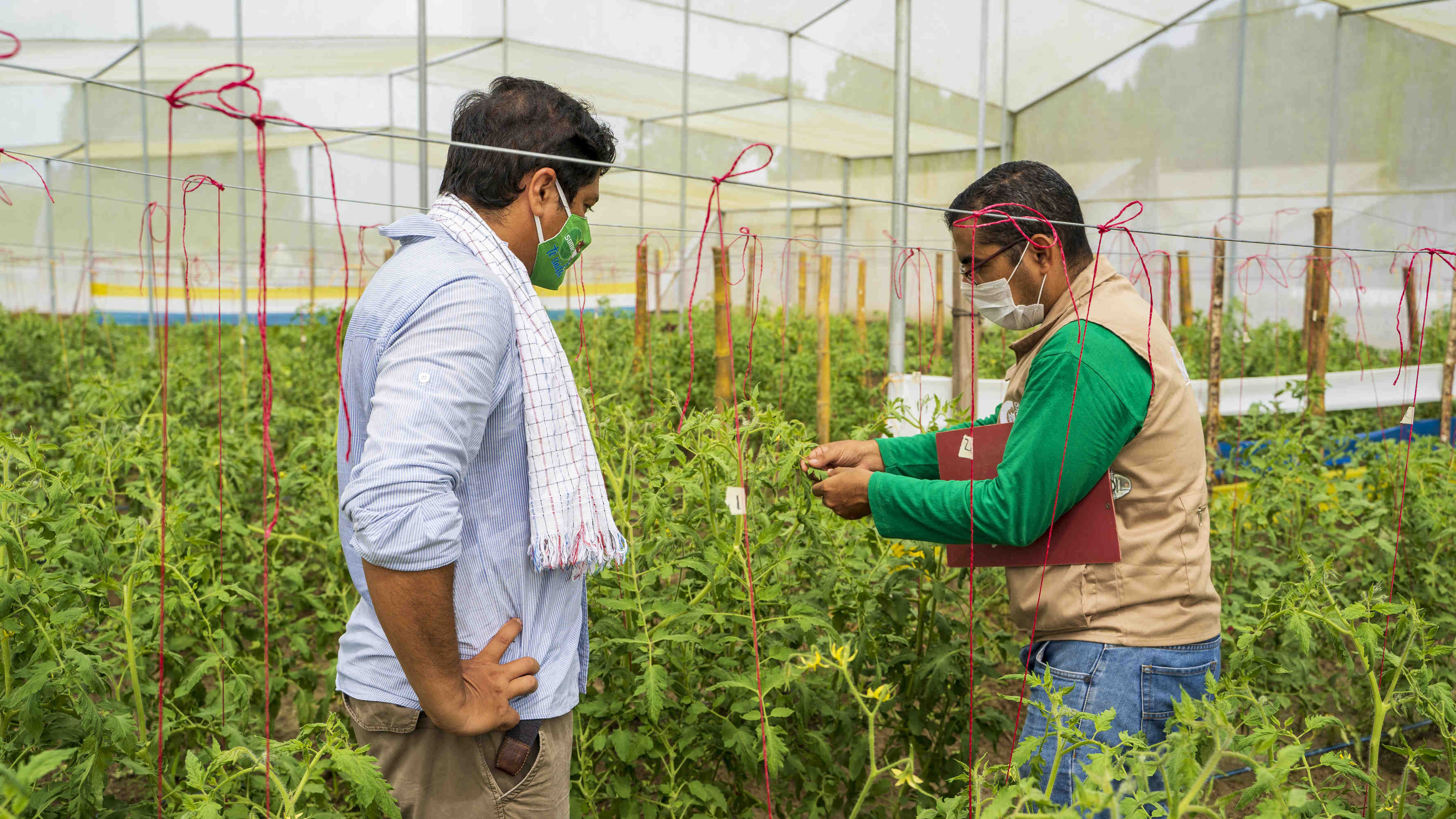
Family farming in Latin American and Caribbean vegetable production is characterized by traditional open field production, highly vulnerable to adverse environmental conditions (high temperatures, droughts, floods, photo-inhibition), low-tech and lacking in business focus. In response to this challenge, FONTAGRO, together with Costa Rica, Panama, the Dominican Republic and Colombia, financed the proposal that aims to contribute to the improvement of the competitiveness of horticultural systems of family agriculture through technological innovations for the sustainable intensification and diversification of production under protected conditions.
The following activities will be carried out:
i) prioritization of horticultural species with greater potential for production in high temperature areas under protected conditions,
ii) identify market segments to validate the technological innovations generated,
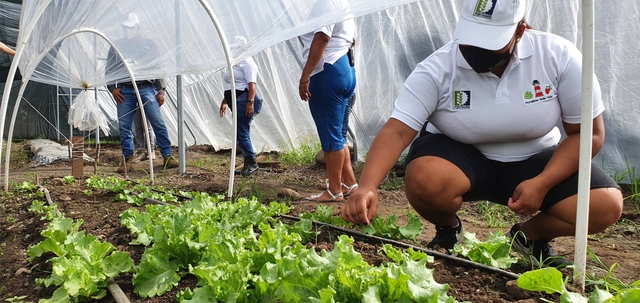
iii) evaluate performance of prototype protection structures against biotic and abiotic threats to improve productivity and horticultural quality,
iv) validate and adjust technological recommendations to improve the adaptability, productivity and quality of vegetables under protected conditions in family farming systems,
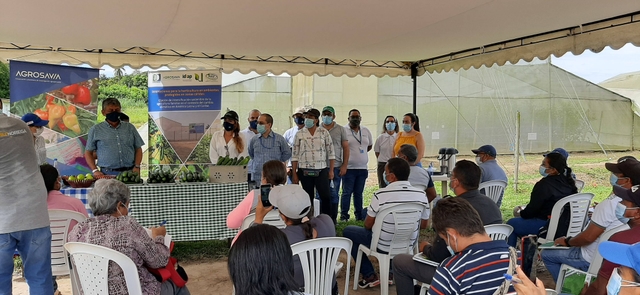
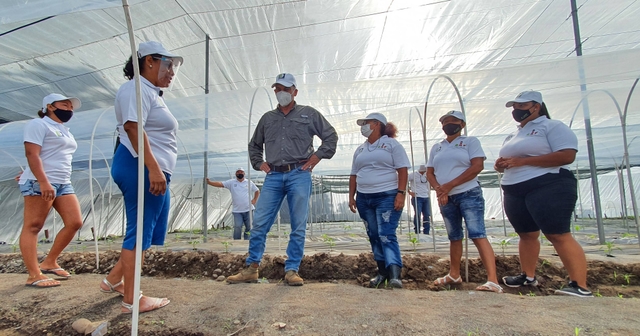
v) transfer technological innovations for the production of vegetables under protected conditions through learning schools and participatory validation,
vi) determine the added value of applied technological innovations and
vii) consolidate a platform for the exchange of experiences, knowledge and strengths among project member countries on the issue of vegetable production under protected conditions in the tropics.
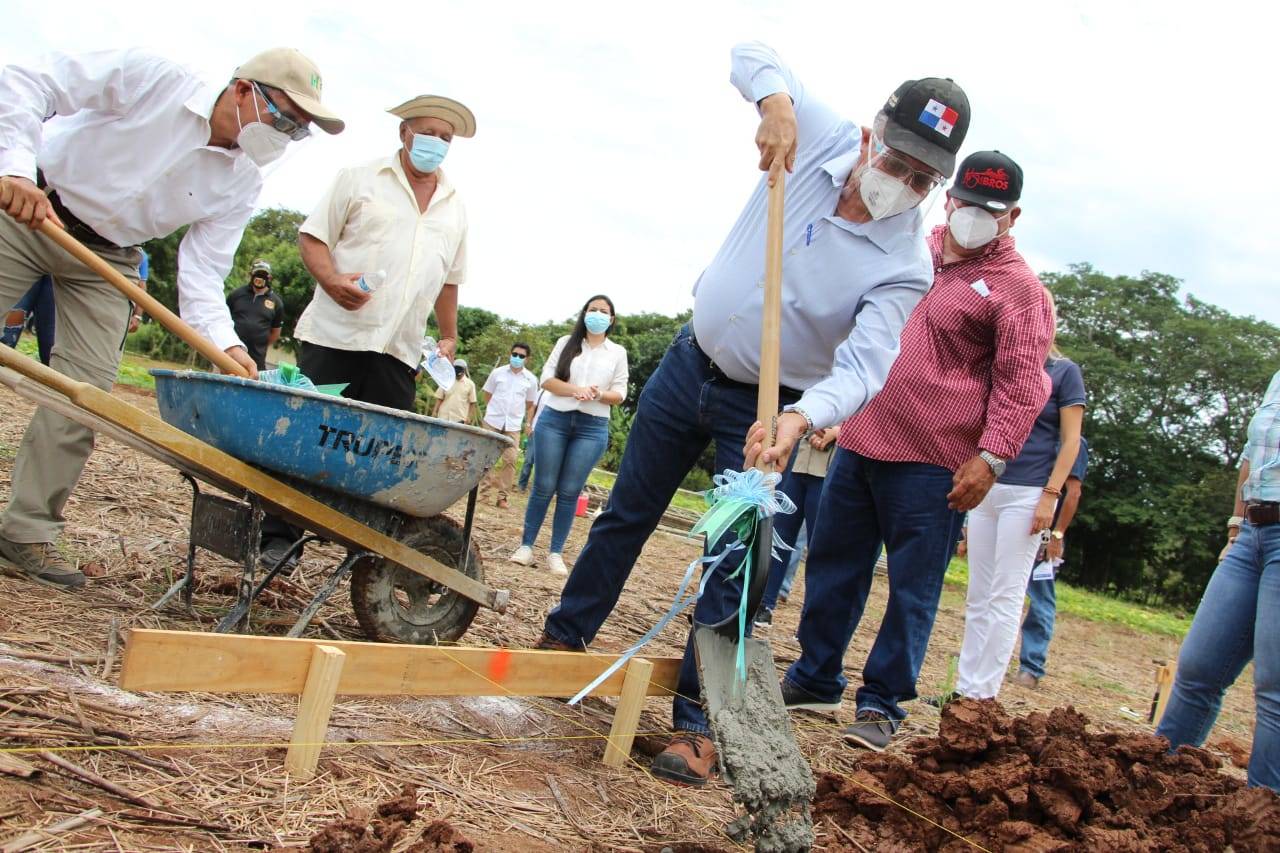
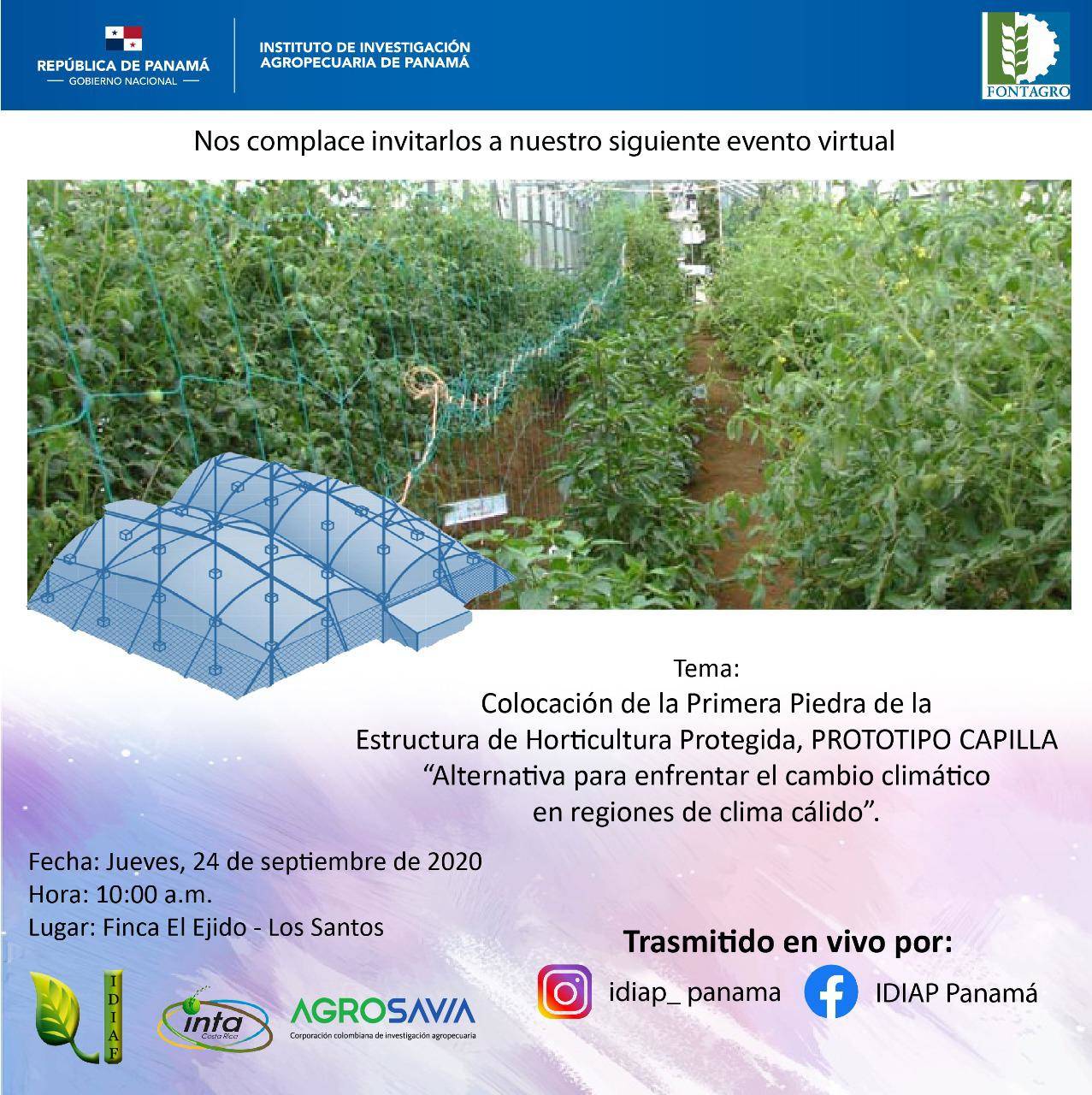
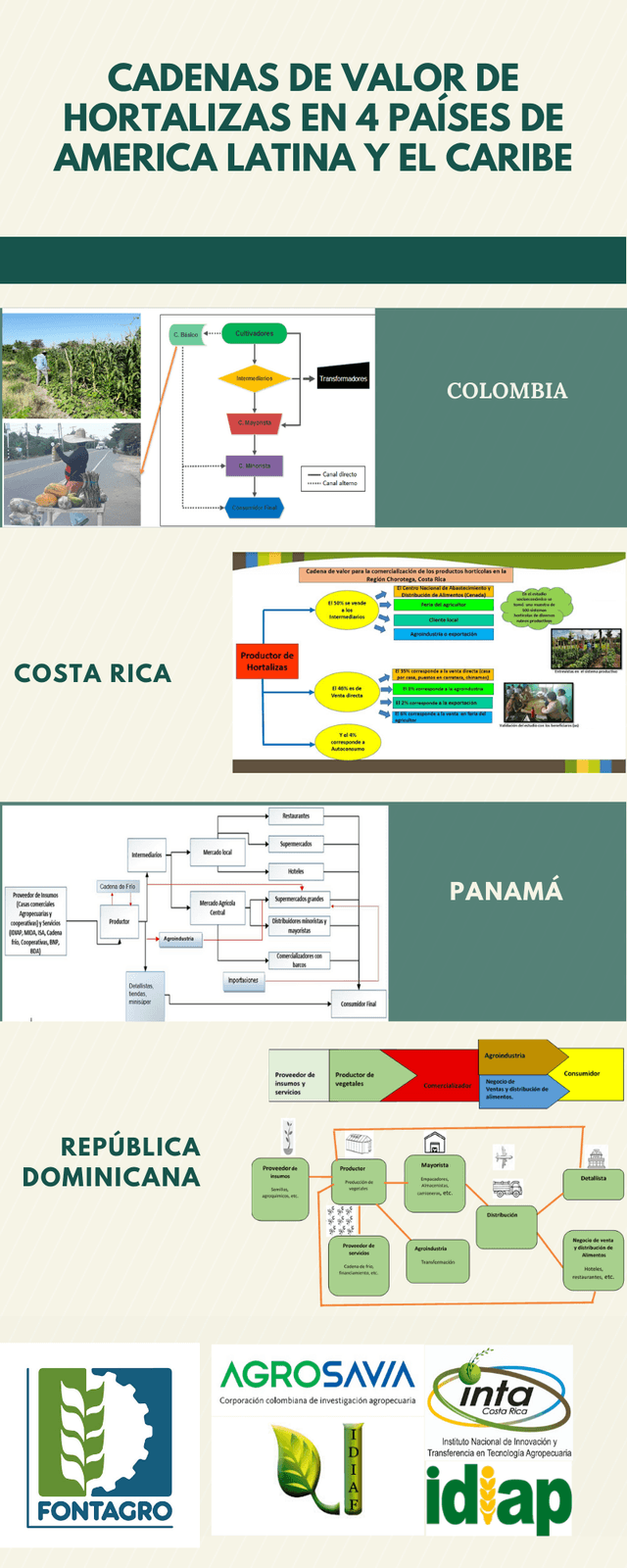
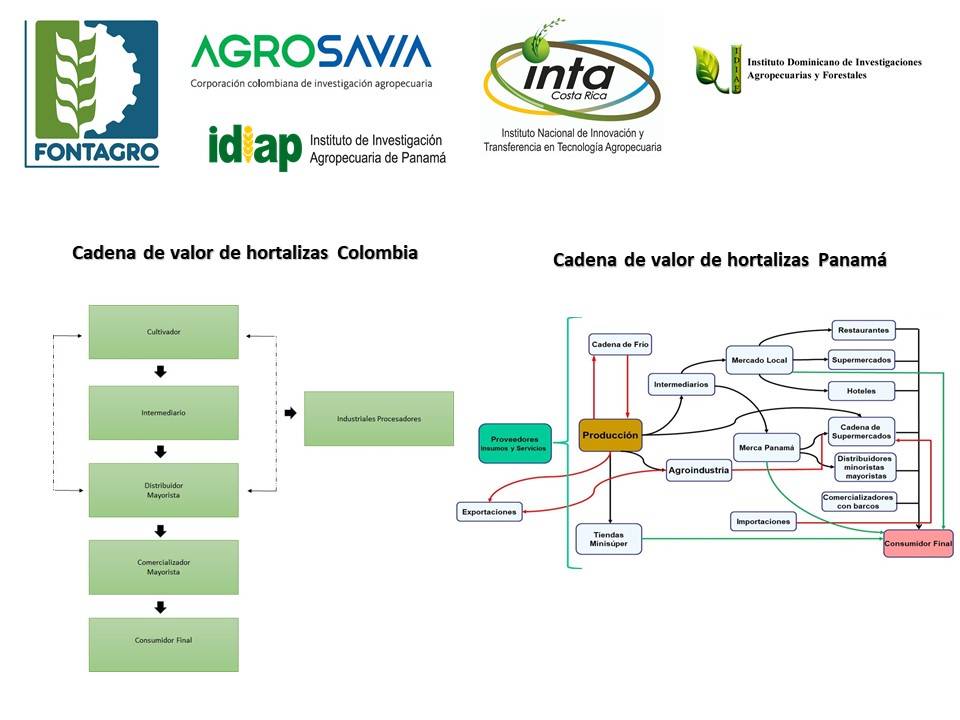
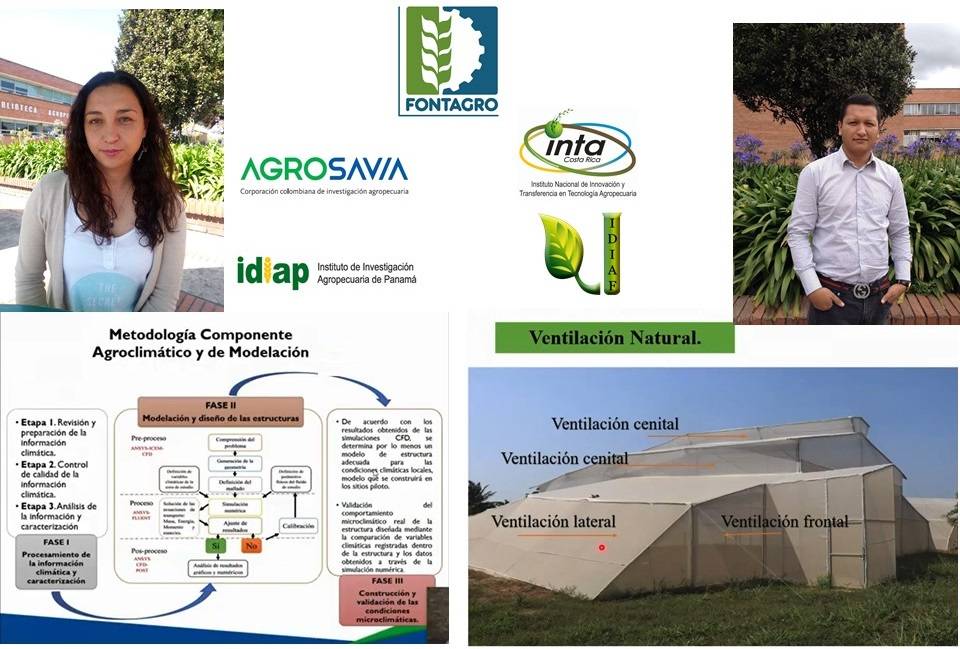
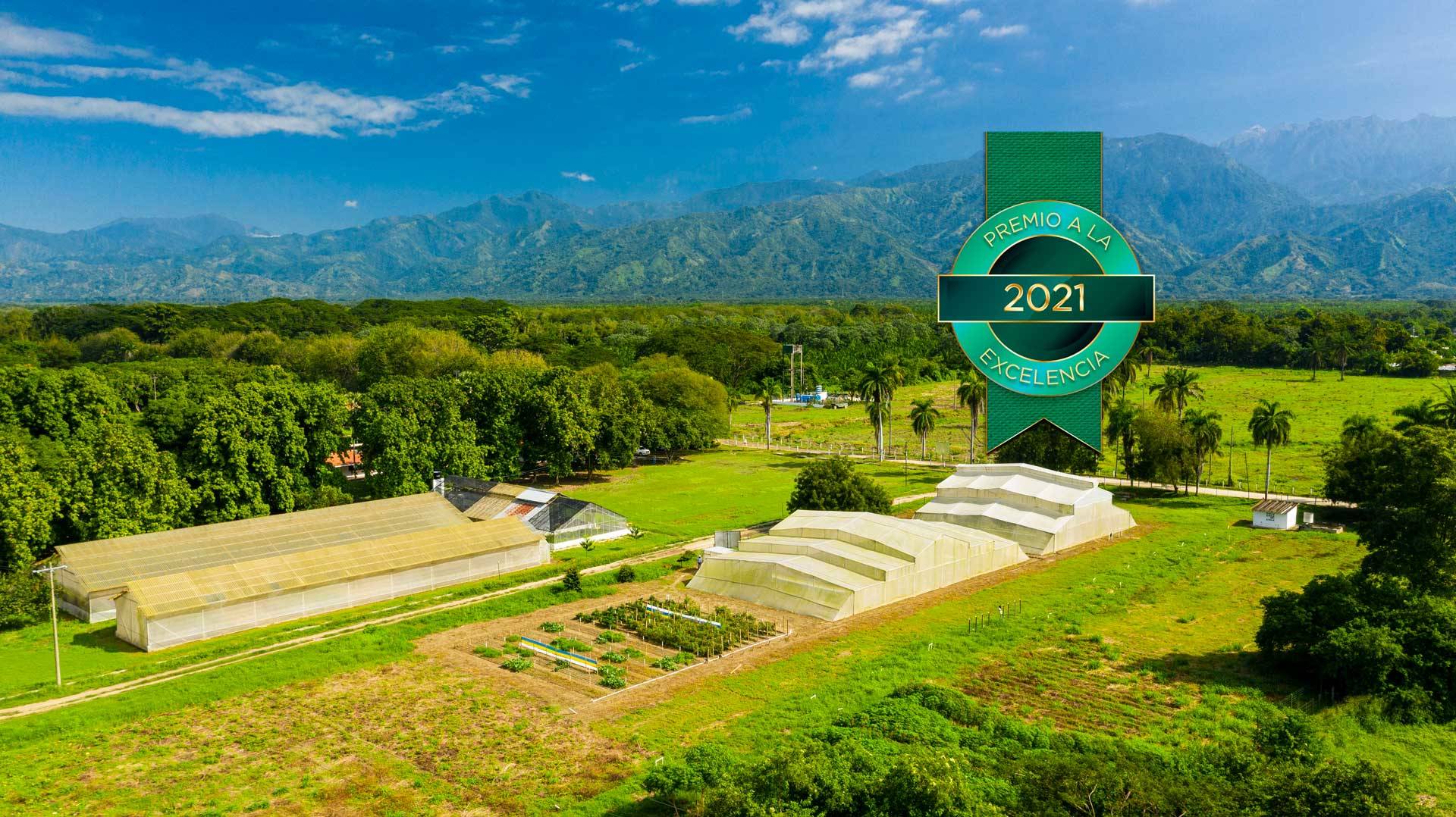
Among the main results obtained to date is the diagnosis of value chains, mapping of relevant actors, limitations, and advantages of the production chain in each prioritized region, identification of production alternatives according to supply and demand for production chains, and Agroclimatic characterization of pilot sites necessary for the modeling and simulation of structures for Colombia, Panama, the Dominican Republic and Costa Rica. With the information in each region, four greenhouse prototype models and four mesh house prototype models were simulated and designed for a protected environment horticulture system in each country.
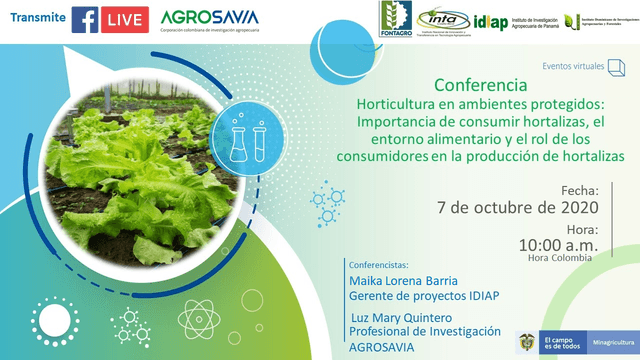
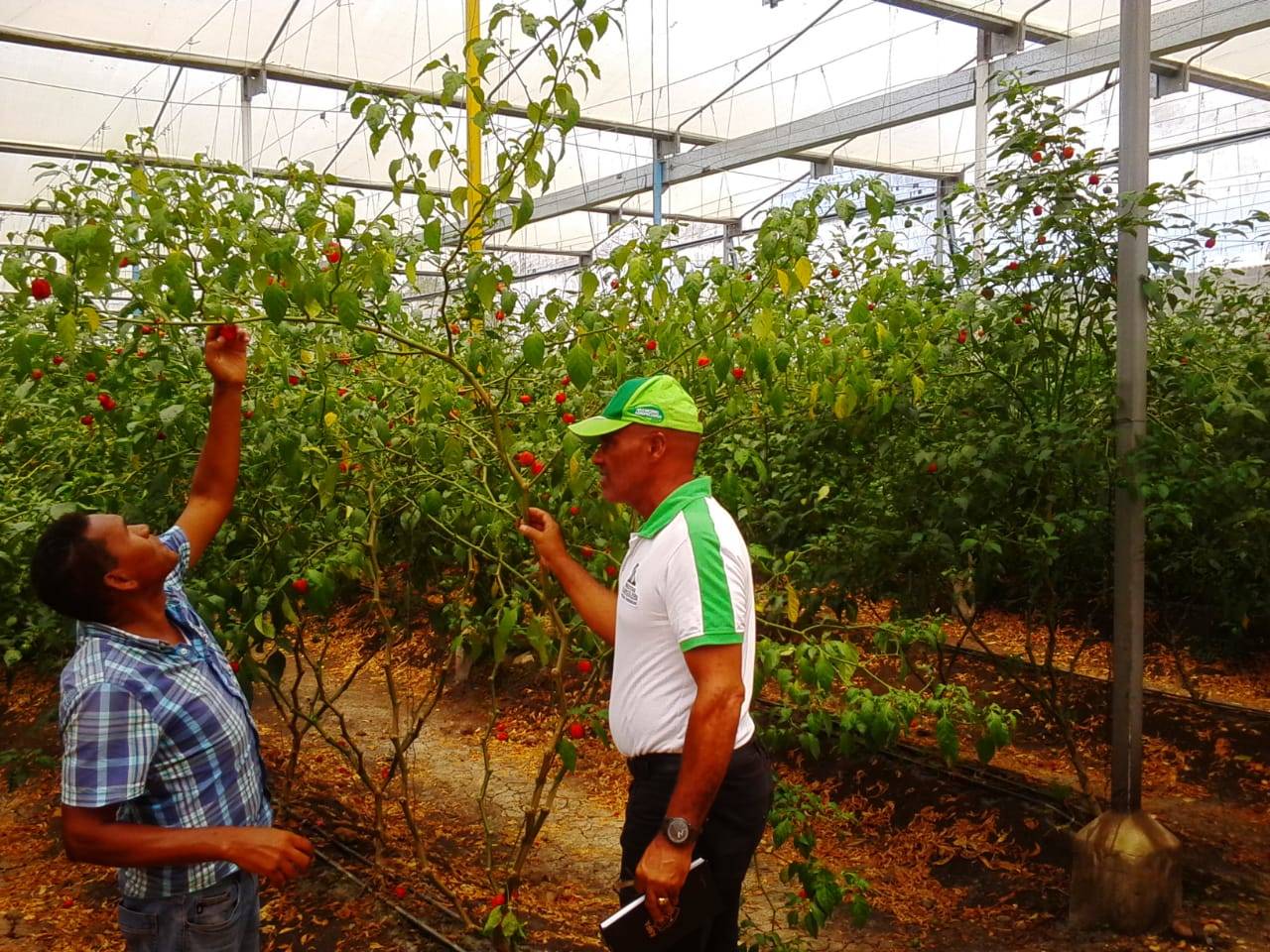
Meanwhile, the agronomic and physiological behavior of 35 materials from 9 horticultural species under each structure has been evaluated, comparing them with open field production, generating technological recommendations especially in tomato, lettuce, paprika, chili and cucumber species.
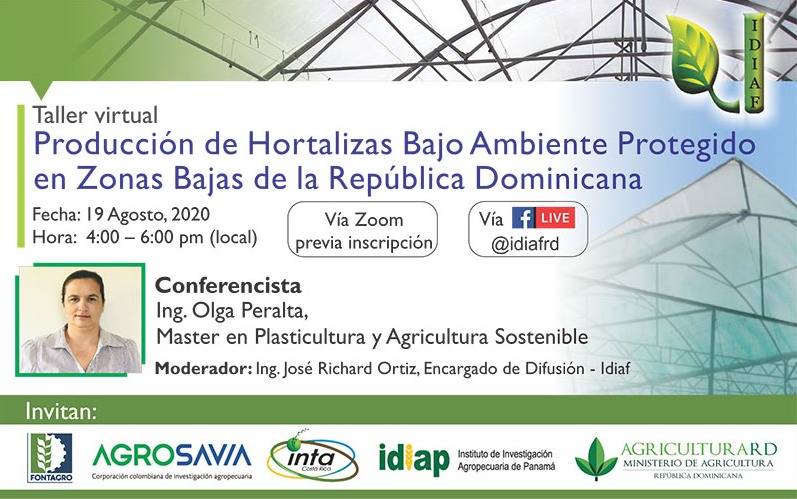
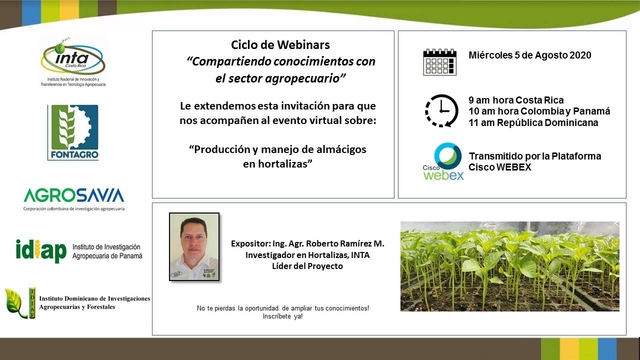
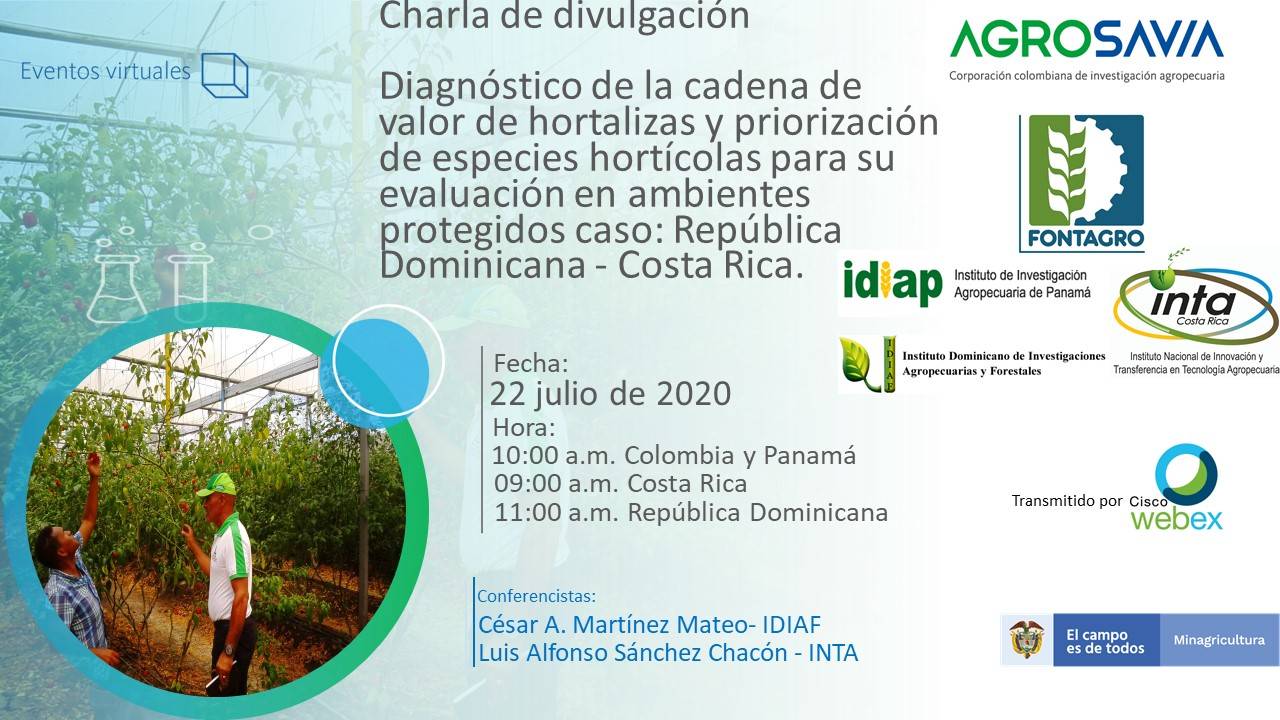
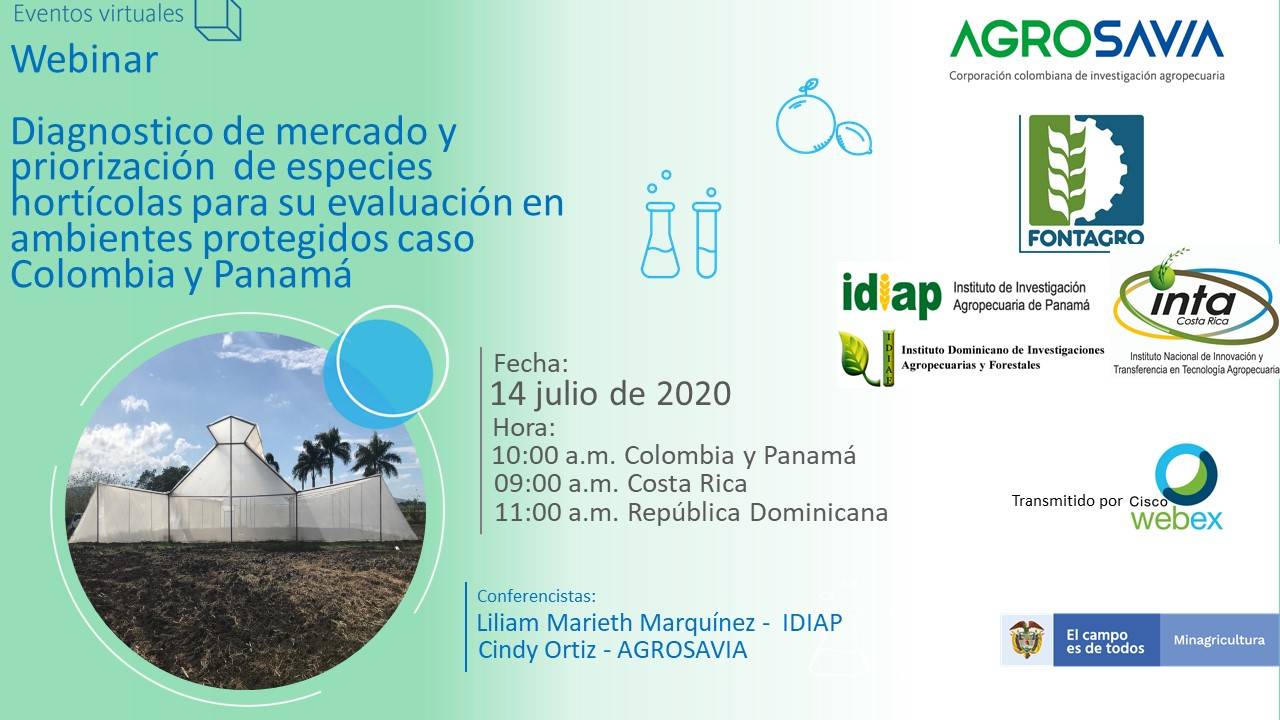
The project in its knowledge management component has carried out 60 events, of which 14 were held virtually and 3,978 people have been trained in horticultural production issues under protected conditions, of which 1,295 are producers and 46.7% women.
The beneficiaries of the project are small vegetable producers located in high temperature areas in Colombia, Costa Rica, Panama and the Dominican Republic.
• Approximately 6,000 producers from Colombia, Costa Rica, Panama and the Dominican Republic
• Approximately 40 producer associations from Colombia, Costa Rica, Panama and the Dominican Republic
• Approximately 2,500 agricultural technical assistants from Colombia, Costa Rica, Panama and the Dominican Republic
• Approximately 800 students of agricultural careers related to the agricultural sectors of Colombia, Costa Rica, Panama and the Dominican Republic.
This project actively contributes to achieving the Sustainable Development Goals, promoting more equitable, resilient, and sustainable regional development.

Jaramillo Noreña Jorge Eliecer
ColombiaCésar A. Martínez Mateo
República DominicanaMaika Lorena Barría Castro
PanamáRommel Igor León Pacheco
ColombiaRoberto Ramírez Matarrita
Costa RicaLumey Pérez Artiles
ColombiaMarlon José Yacomelo Hernández
ColombiaAlfonso Rafael Orózco Guerrero
ColombiaMadeleyne Parra Fuentes
ColombiaJacobo Robledo Burítica
ColombiaCarlos esteban Brochero Bustamante
ColombiaEnder Manuel Correa Alvarez
ColombiaJuan Camilo Gómez Correa
ColombiaEdwin Andrés Villagran Munar
ColombiaAndrea Onelia Rodríguez Roa
ColombiaMartha Marina Bolaños Benavides
ColombiaAlfredo Bolaños Herrera
Costa RicaLuis Alfonso Sánchez Chacón
Costa RicaMaría Cristina Vargas Chacón
Costa RicaStephanie Quirós Campos
Costa RicaJosé Isaac Mejía Gutiérrez
PanamáNoemí Quintero de Carrasco
PanamáGloria Gisela Olave Vasquez
PanamáJosé Angel Herrera Vásquez
PanamáJosé Angel Guerra
PanamáArturo Batista
PanamáLiliam Marieth Marquínez Batista
PanamáElpidio Avilés Quezada
República DominicanaYosayra Rosalía Capellán Delgado
República DominicanaLeocadia Sánchez Martínez
República DominicanaSocorro García Pantaleón
República DominicanaJosé Miguel Romero del valle
República DominicanaJosé Alberto Yau Quintero
PanamáGlenny Llinee López Rodríguez
República DominicanaAnovel Barba Alvarado
PanamáVidal Aguilera Cogley
PanamáJennifer Tatiana Gutierrez Lizarazo
ColombiaLeddy Ropero Barbosa
ColombiaKattia Lines Gutiérrez
Costa RicaKattia Lines Gutiérrez
Costa RicaDaniel Eduardo Mulford Soto
ColombiaMartha Liliana Montes Pérez
ColombiaThe tangible impact of science and technology in the field
Sponsors


With the support of



.png&w=384&q=75)