Vegetable production through family farming in Latin America and the Caribbean is characterized by traditional open field systems with a low level of technical complexity, high vulnerability to adverse environmental conditions, and lack of a business approach. One of the objectives of agricultural production under protected conditions is to increase the efficiency of agricultural production systems. However, the use of structures that are poorly designed and standardized for all types of crops due to their widespread adoption, together with the agroclimatic conditions of an area, have meant that the microclimate generated inside these structures is inadequate for optimal plant growth and development.
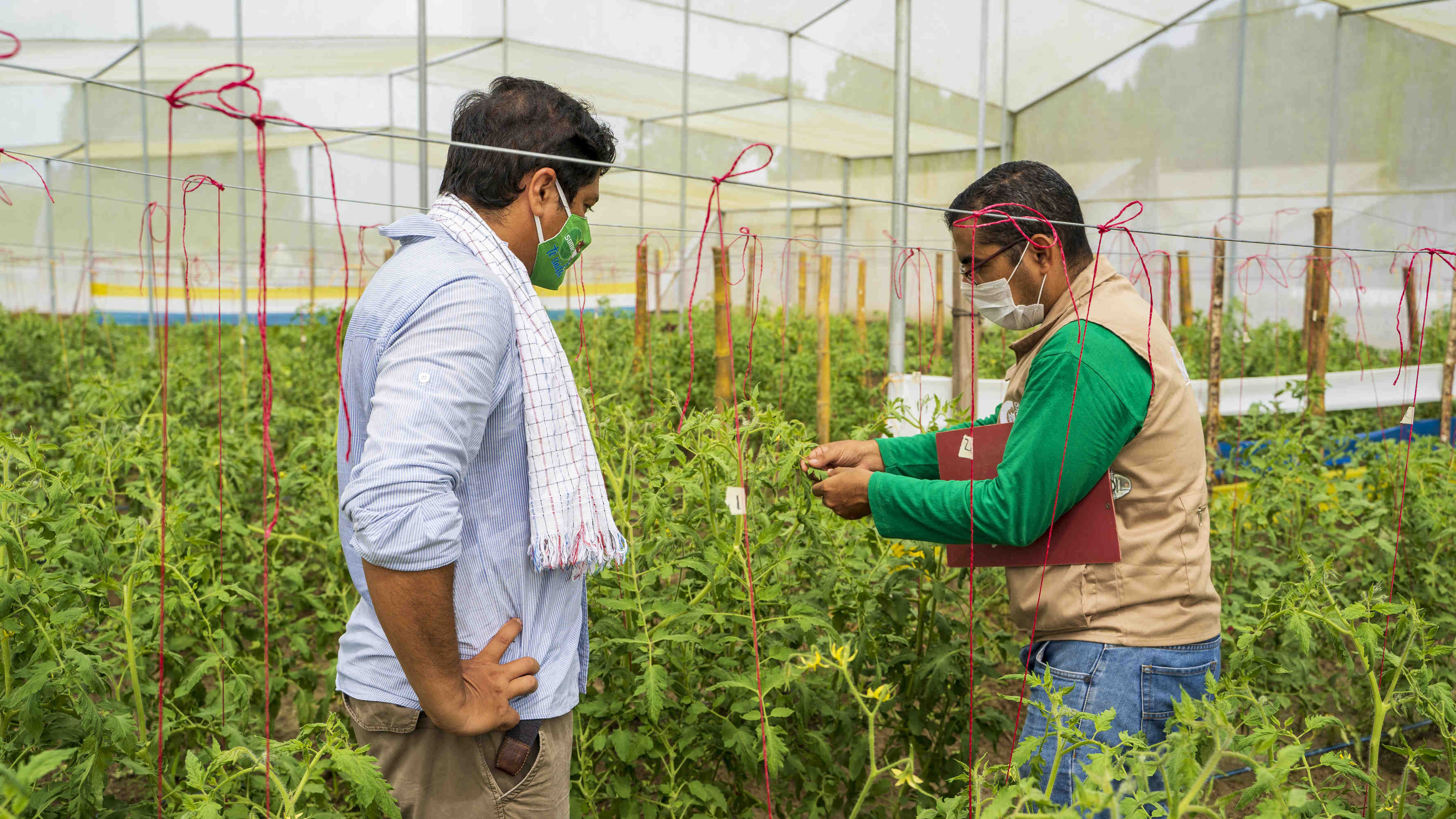
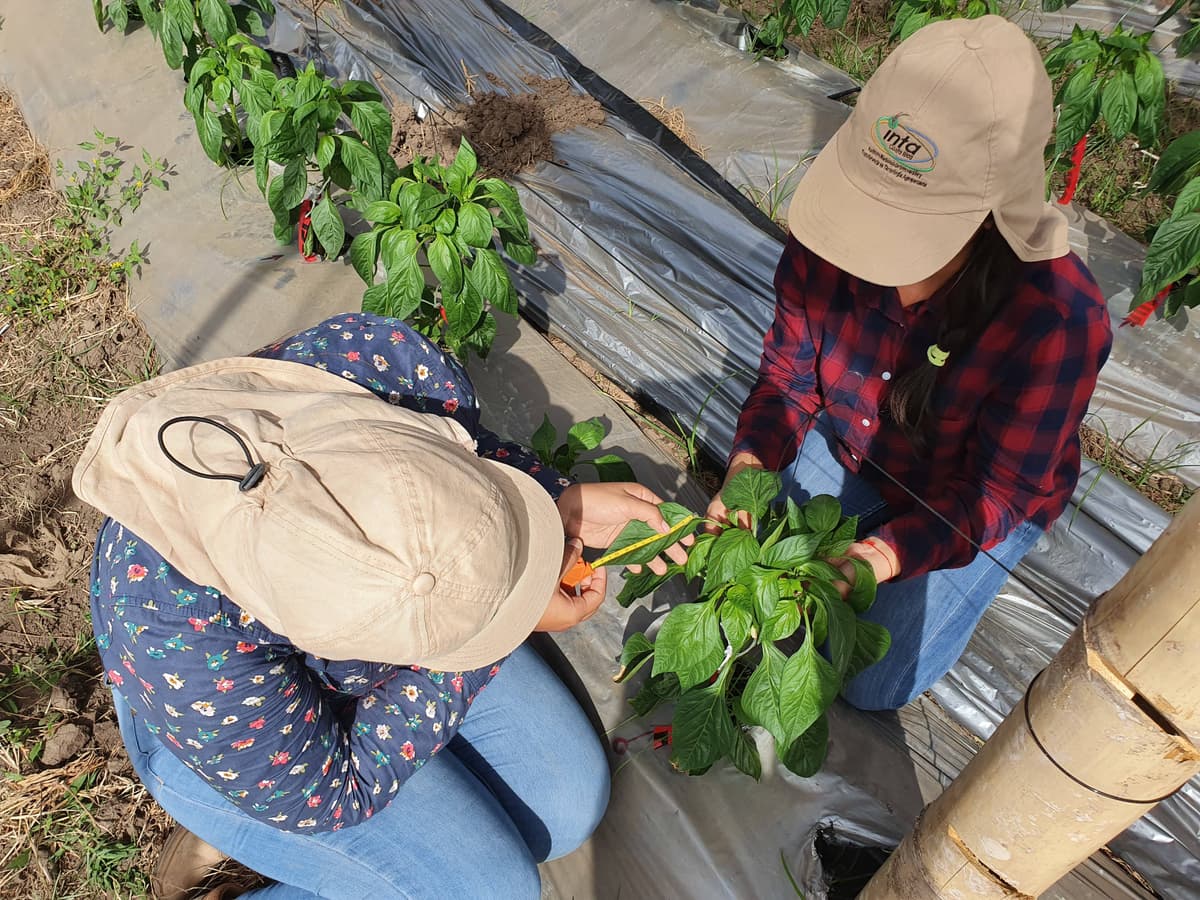
Effective infrastructure models (mesh house - greenhouse) require simulation, design, building, and validation based on the agroclimatic conditions of each region/country. Similarly, technical recommendations will be validated and adjusted to improve the adaptability, productivity, and quality of vegetables grown under protected conditions in family farming systems. During the entire process, participative research activities (workshops, field days, and method demonstrations) involving small producers will be developed to strengthen their capacities and, thus, give them a viable alternative that provides a solution to food safety in high-temperature areas.
In 2019, value chain diagnoses were carried out, along with the mapping of relevant actors and identification of productive alternatives and prioritization of horticultural spaces in the four countries. Agroclimatic characterization of pilot sites was carried out for structure modeling and simulation, with two structures designed per country (1 greenhouse and 1 mesh house). In 2020, monitoring of the microclimatic behavior of the structures and both internal and external agroclimatic variables with and without cultivation was carried out to determine the microclimate and define actions to adapt them that favor crop development conditions. Evaluations of the agronomic behavior of different genotypes of the horticultural species prioritized in the diagnosis are being developed. A total of 38 events have been held, of which 9 were virtual, 2,837 people have been trained: 1,326 women and 1,511 men.





 Agronomic Practices














 Impact
 Initiatives
 Dashboard
 Alliances
 Impact
 Initiatives
 Dashboard
 Alliances




.jpg&w=828&q=75)





.png&w=750&q=75)