 Impact
 Initiatives
 Dashboard
 Alliances


 Impact
 Initiatives
 Dashboard
 Alliances

 Technological
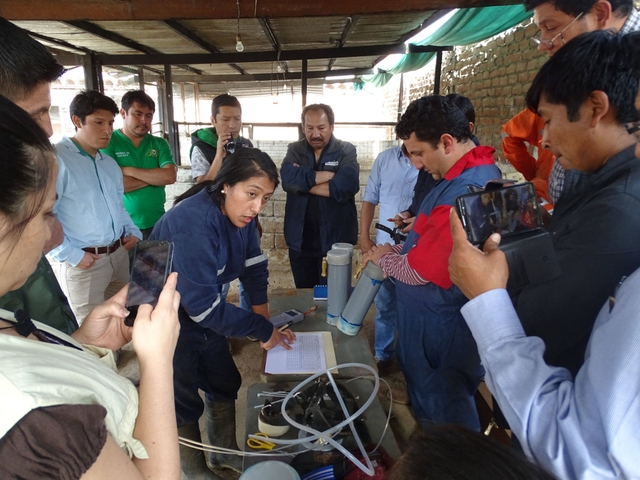
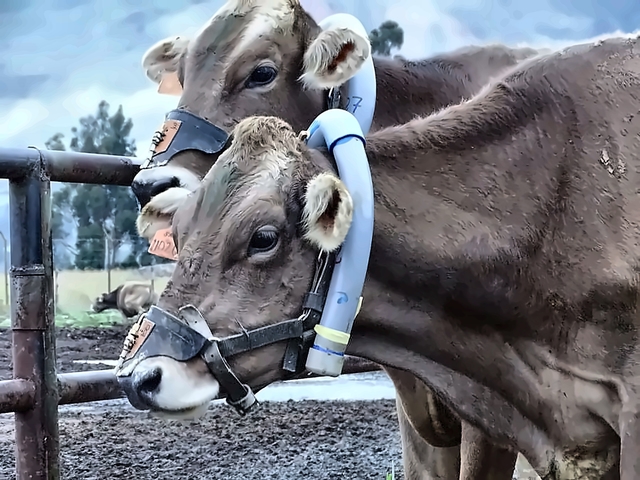
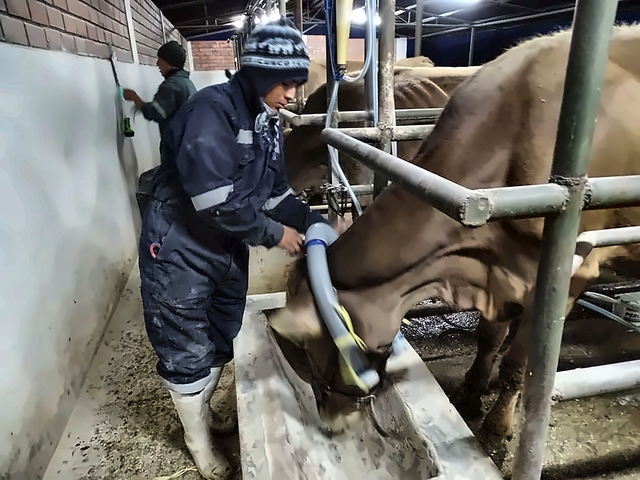
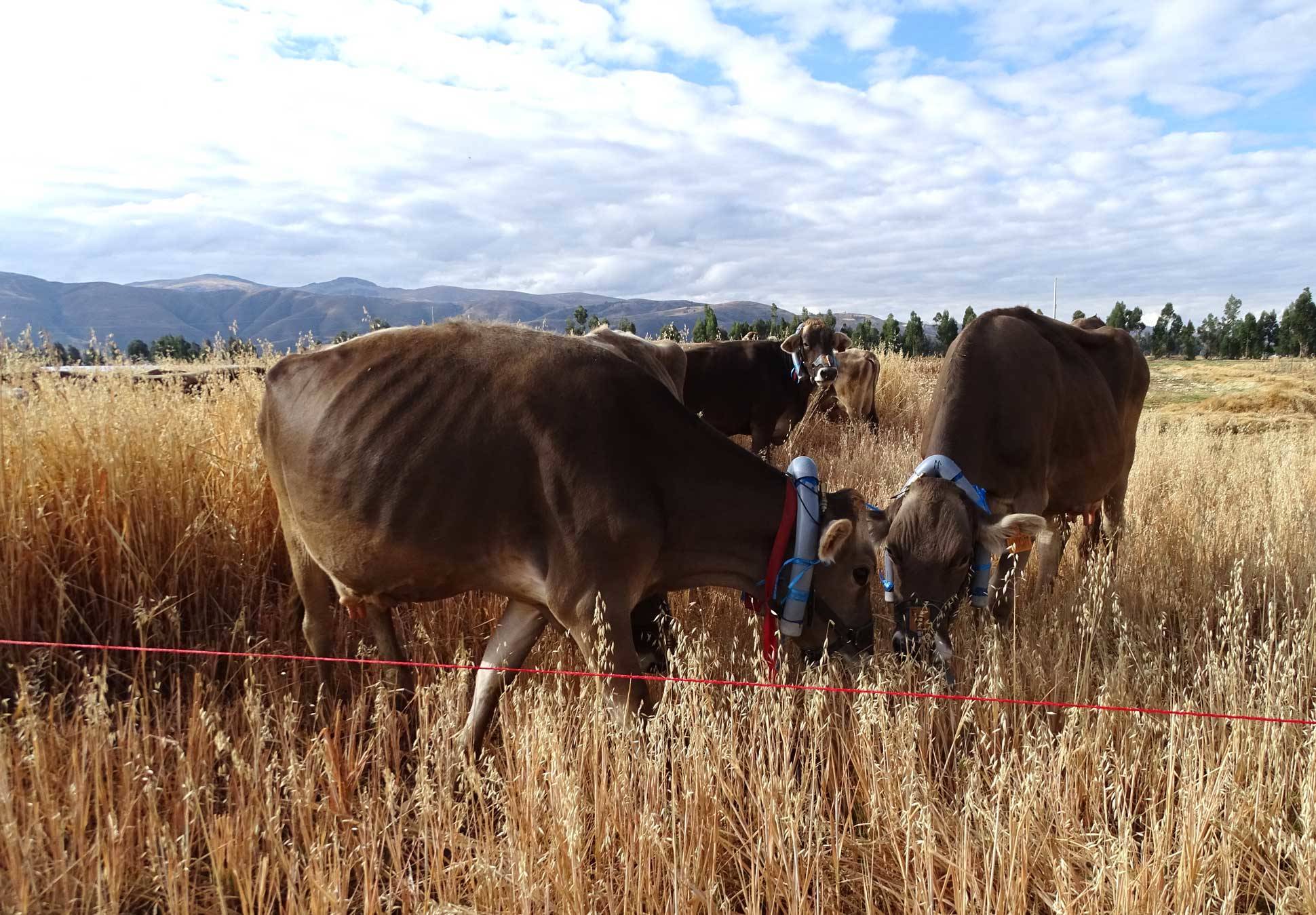
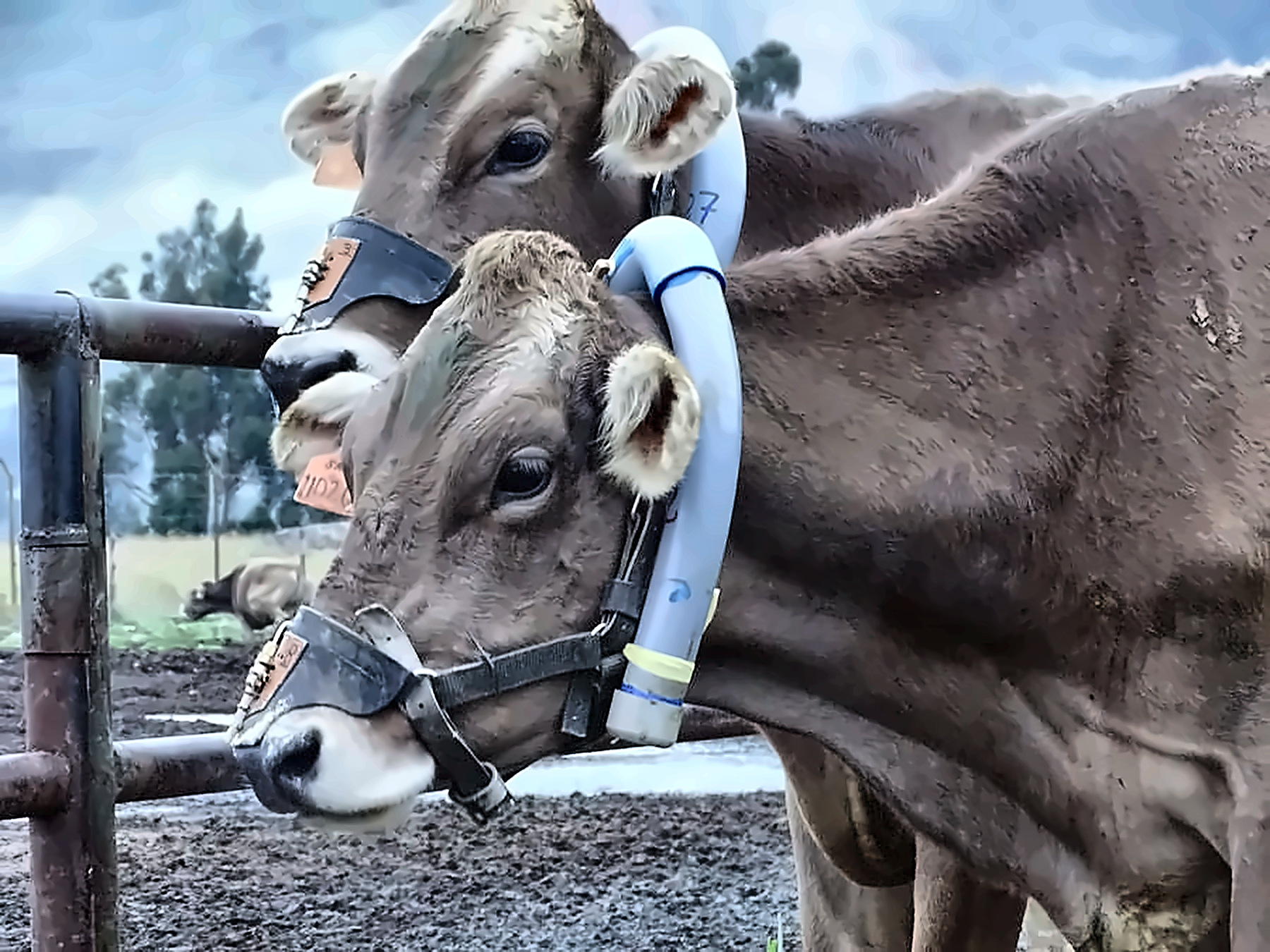
The project left new installed capacity in the region: Universidad Nacional Agraria La Molina (Peru) and Corpoica (Colombia) now have equipment to collect gas samples and analyze them by chromatography. With this capacity, methane trials were carried out in:
- Sheep fed two levels of non-structural carbohydrates, at sea level in Peru;
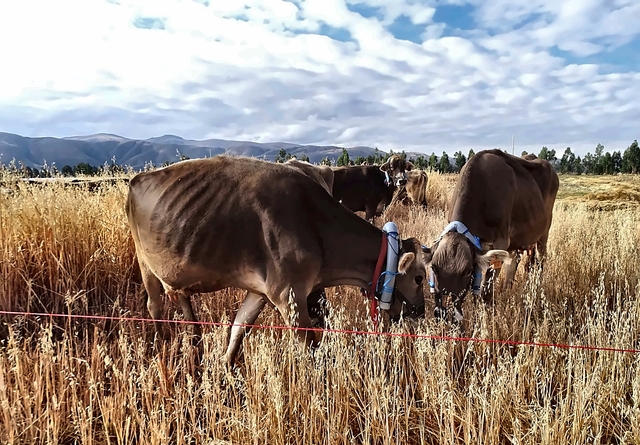
- Cows on native grassland at 4,100 meters and on cultivated pastures at 3,200 meters, also in Peru;
- Cows with traditional and strategic supplementation at 2,500 meters, in Colombia.
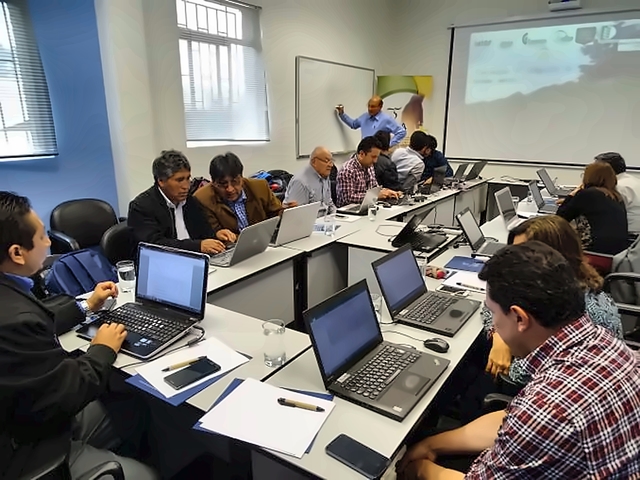
The results were striking. In Peru, cows in the traditional system emitted 97 grams of methane per liter of milk, compared with 26 grams in the improved system. That is a 70% reduction in emissions intensity, and milk production was also eight times higher. In Colombia, strategic supplementation cut emissions from 30.6 to 26.5 grams per liter. To achieve this, the teams trained at UNSAAC, INIA Remehue in Chile and CATIE, and were advised by Dr. Nicolás DiLorenzo of the University of Florida.
📄 Final technical report (in Spanish) 🔗 Project page (in Spanish)